Understanding Bleach Use in Washing Machines
Bleach is a strong cleaner. It helps remove stains and kills germs. In 2026, many use bleach in washers for cleaner clothes. Knowing the right way to use bleach keeps clothes safe and fresh. For a deeper understanding of this mechanic, analyzing resources on chlorine bleach laundry use provides excellent foundational context.
Modern washers often have a bleach compartment. This helps add bleach at the right time in the laundry cycle. Using bleach safely means less risk of damage to fabrics and the machine.
Before using bleach, check the fabric care labels. Some clothes cannot handle bleach. Also, know the kind of bleach to use and how much to add. This guide covers all you need to use bleach right in your washing machine.
Types of Bleach for Laundry
There are mainly two types of bleach used in laundry: chlorine bleach and color-safe bleach. Chlorine bleach contains sodium hypochlorite and is very strong. It works best on white clothes to remove tough stains and disinfect.
Color-safe bleach uses oxygen-based agents instead of chlorine. It is milder and safe for colored or delicate fabrics. Choosing the right bleach type helps protect fabrics from damage or discoloration.
Always check the label on your bleach product. It will tell you if it is safe for your clothes and washing machine. Some fabrics are bleach safe, but many are not.
Here is a simple table comparing the two common bleach types:
| Bleach Type | Main Ingredient | Fabric Safety | Best Use |
|---|---|---|---|
| Chlorine Bleach | Sodium Hypochlorite | White, bleach-safe fabrics only | Disinfecting and stain removal on whites |
| Color-Safe Bleach | Oxygen-based agents | Colored and delicate fabrics | Brightening and mild stain removal |
Using wrong bleach can cause fabric discoloration or damage. Always test on a small area if unsure.
How to Add Bleach to Your Washer
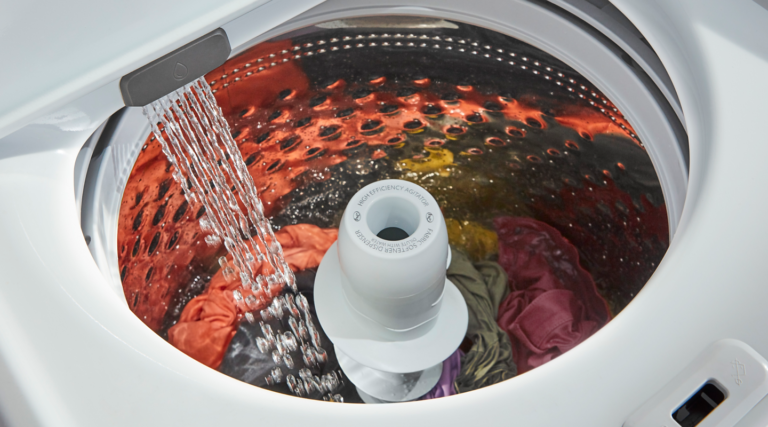
Most washers have a bleach dispenser drawer. This drawer releases bleach during the wash cycle when water flow dilutes it. Adding bleach this way prevents direct contact with clothes, reducing the risk of spots or damage.
If your washer lacks a dispenser, add bleach carefully. Dilute it with water before pouring it in. Never pour bleach directly on clothes.
Follow the machine settings for bleach use. Some washers have a washing machine bleach cycle that mixes and rinses properly. Read your washer’s manual or check the control panel for this option.
Careful bleach dosage is key. Too much bleach can harm fabrics and the washing machine drum. Use recommended amounts and avoid overuse.
Here is a quick step-by-step guide on adding bleach safely:
- Check fabric care labels for bleach safety.
- Measure bleach dosage based on load size.
- Pour bleach into the washer’s bleach dispenser.
- Select the bleach or sanitizing cycle on your washer.
- Start the wash and avoid adding bleach directly to clothes.
Following these steps protects your clothes and machine from bleach risks.
Recommended Bleach Dosage for Washing Machines
Bleach dosage depends on the washing machine size and load. Industry consensus suggests about 1/4 cup (60 ml) of chlorine bleach for a normal load of laundry. Use less for smaller loads and more for heavily soiled clothes, but never exceed the maximum dosage on the bleach label.
Using too much bleach leads to fabric damage and can leave residual bleach in clothes. Proper rinse cycles help remove bleach residue. Cold water washes are often recommended to avoid strong chemical reactions that harm fabrics.
Here is a simple table for bleach dosage by load size:
| Load Size | Chlorine Bleach Dosage | Notes |
|---|---|---|
| Small (3-4 kg) | 2 tablespoons (30 ml) | Less bleach to avoid damage |
| Medium (5-6 kg) | 1/4 cup (60 ml) | Standard dosage |
| Large (7+ kg) | 1/3 cup (80 ml) | For heavy or stained loads |
Always follow your bleach product and washer instructions for best results.
Bleach and Fabric Care
Not all fabrics react well to bleach. Chlorine bleach can cause fabric damage if used improperly. It can weaken fibers and cause yellowing or holes in clothes. Delicate fabrics like wool, silk, and spandex should never be exposed to chlorine bleach.
Color-safe bleach is gentler but still requires caution. Always check garment care labels before using bleach products. For fabrics marked “Do Not Bleach,” avoid bleach completely.
Using bleach safely also means rinsing clothes thoroughly. Residual bleach left in fabrics can irritate skin or cause quicker wear. Modern washing machines often have extra rinse cycles to help remove bleach traces.

For fabrics safe with bleach, use bleach only when needed. Routine use can wear out clothes faster.
Cleaning Your Washing Machine with Bleach
Bleach is also used to clean and disinfect washing machines. Over time, machines collect mold, mildew, and grime. A bleach cleaning cycle helps remove these and keep the drum fresh.
To clean your washing machine, run a hot water cycle with about 1/2 cup of chlorine bleach. Use the washing machine’s tub clean or sanitize setting if available. This kills germs and removes buildup inside the drum and hoses.
Regular machine cleaning with bleach prevents musty odors and extends machine life. However, avoid mixing bleach with other cleaners like vinegar, as this causes harmful chemical reactions.
For more on washing machine care, check our guide on how to reset ge washer machine to keep your appliance running smoothly.
Common Bleach Washing Machine Safety Myths
Many myths exist about bleach use. One is that bleach ruins all fabrics. This is false if used correctly and only on bleach-safe fabrics. Another myth says bleach can be added anytime during the wash. Actually, it must be added during the wash cycle to avoid fabric damage.
Some think all washing machines do not allow bleach use. In 2026, most models have bleach dispensers designed for safe use. Avoid bypassing these and never pour bleach directly on clothes.
Finally, some believe bleach cleaning harms the washing machine. If used as directed, bleach actually helps maintain the machine by killing mold and bacteria.
Knowing facts helps you use bleach smartly and avoid risks.
Bleach Alternatives for Laundry
If you want to avoid chlorine bleach, oxygen-based bleach is a good alternative. It disinfects and brightens fabrics gently. Laundry sanitizers are another option; they kill germs without harsh chemicals.
For delicate or colored clothes, using these alternatives reduces fabric damage risk. They work well in cold water washes and are safer for the environment.
Choosing the right product depends on your laundry needs and fabric types. Always read labels for fabric safety and follow instructions.
For more on keeping your laundry fresh and safe, see our tips on how to clean washing machine from dog hair.
Conclusion
Using bleach in your washing machine helps remove stains and disinfect clothes. The key is knowing the right bleach type, dosage, and method to avoid fabric damage. Always use the washing machine bleach dispenser if available and follow garment care labels strictly.
Regular cleaning of your washing machine with bleach keeps it fresh and working well. Avoid myths and use bleach safely to get clean, fresh laundry every time.
Remember, alternatives like oxygen bleach and laundry sanitizers can be safer for some fabrics. Choose wisely based on your laundry needs and fabric types. With proper care, bleach remains a useful and effective laundry aid in 2026.
✅ Bleach Use Safety Checklist
- ✅ Check fabric care labels before using bleach.
- ✅ Use the washing machine bleach dispenser for adding bleach.
- ✅ Measure bleach dosage carefully to avoid damage.
- ✅ Use chlorine bleach only on bleach-safe fabrics.
- ✅ Run a rinse cycle to remove bleach residue.
- ✅ Clean your washing machine regularly with bleach.
- ✅ Consider bleach alternatives for colored and delicate fabrics.
Frequently Asked Questions
Can I use bleach in all types of washing machines?
Most modern washing machines have a bleach dispenser that allows safe use. However, always check your machine’s manual to confirm bleach compatibility.
How much bleach should I use in the washing machine?
The bleach dosage varies but generally, 1/4 cup of chlorine bleach for a regular load is enough. Avoid using too much to prevent fabric damage.
Is it safe to use bleach on all fabric types?
No. Chlorine bleach is safe only for white, bleach-safe fabrics. Colored or delicate fabrics require color-safe bleach or alternatives.
What is the best way to add bleach to the washer?
Use the washing machine bleach dispenser if available. It releases bleach during the right cycle to avoid direct contact with clothes.
Are there bleach alternatives for laundry disinfection?
Yes. Oxygen-based bleaches or laundry sanitizers can disinfect clothes without the risks of chlorine bleach.

Michael Peterson is a home appliance writer focused on practical washing machine care, maintenance, and troubleshooting. He shares simple, reliable tips to help readers keep their washing machines running efficiently, avoid common problems, and extend appliance life.