Understanding the Washing Machine Drum Function
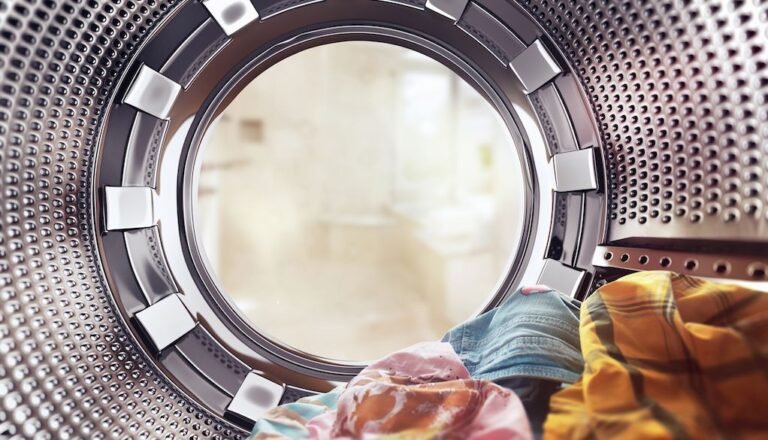
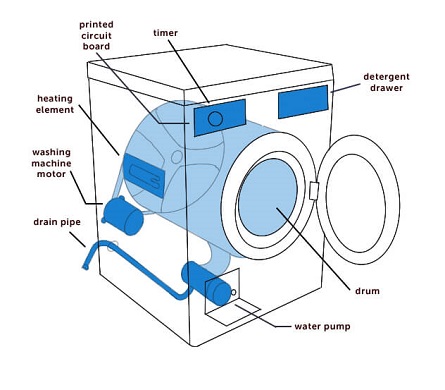
The washing machine drum is the heart of any washer. It is the part where clothes go for cleaning. The drum holds water and detergent to remove dirt from fabrics. It spins and rotates during the washing and spin cycles to clean and rinse clothes effectively.
Inside the drum, holes allow water to flow in and out. This helps rinse clothes well and drain dirty water. The rotating mechanism moves clothes around to clean them without damage. For a deeper understanding of this mechanic, analyzing resources on washing machine drum basics provides excellent foundational context.
Different types of washers use different drum designs. This affects how they clean clothes and how much laundry they can handle.
Types of Washing Machine Drums
There are mainly two types of washing machine drums: front load and top load. Front load washing machine drums rotate on a horizontal axis. They tumble clothes gently using gravity. This type usually cleans better and uses less water.
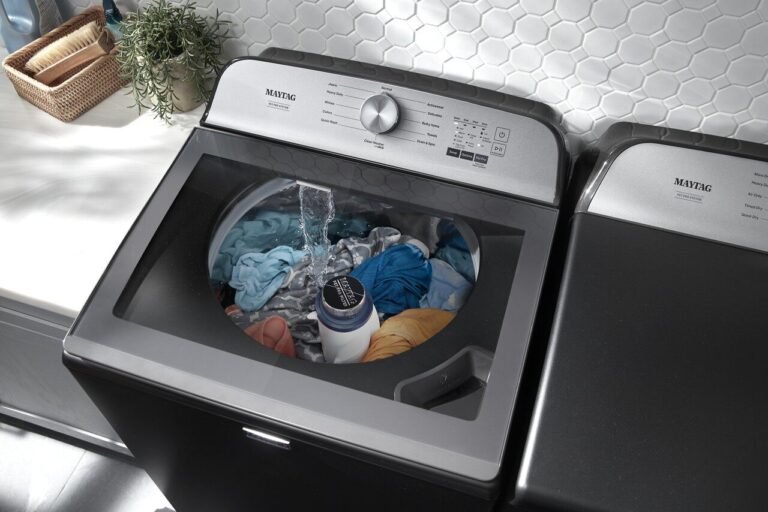
Top load washing machine drums rotate on a vertical axis. They often have an agitator or pulsator in the center. The agitator moves clothes vigorously to clean them. Pulsators create water currents to wash clothes without an agitator.
The choice between drum types depends on user needs. Front load drums tend to be quieter and more energy efficient. Top load drums offer faster wash cycles and easier loading for some users.
Both drum types have their own drum rotation speeds and features that affect washing quality.
Washing Machine Drum Materials
Washing machine drums are made from different materials. Stainless steel is the most common. It is strong, rust-resistant, and lasts a long time. Stainless steel drums handle fast spinning and high temperatures well.
Plastic drums are lighter and cheaper. They can resist dents but may wear out faster. Aluminum drums are less common but are also lightweight. However, they may corrode over time if not coated properly.
Choosing a washing machine with a stainless steel drum often means better durability and less noise. Plastic drums may be good for budget washers but may not last as long.
| Material | Strength | Rust Resistance | Lifespan |
|---|---|---|---|
| Stainless Steel | High | Excellent | Long |
| Plastic | Medium | Good | Moderate |
| Aluminum | Medium | Fair | Moderate |
Proper drum maintenance can extend the lifespan regardless of material. This includes cleaning and checking drum bearings regularly.
Washing Machine Drum Capacity and Size
The drum capacity is how much laundry it can hold at once. It is usually measured in kilograms. Larger drums let you wash bigger loads, saving time and energy. However, overloading the drum can cause poor cleaning and damage.
Drum size affects water use and wash cycle time. Bigger drums use more water but can clean bulky items better. Smaller drums are good for small households or tight spaces.
Load balancing systems in modern washers help the drum spin smoothly even with uneven loads. This protects the drum and reduces noise during operation.
The drum size also influences the washing machine’s overall size and installation needs.
Washing Machine Drum Rotation and Design
The drum’s rotation speed varies by washing cycle. During washing, the drum rotates slowly to soak and clean clothes. In the spin cycle, it spins fast to remove water. Spin speeds can reach over 1200 RPM in some models.
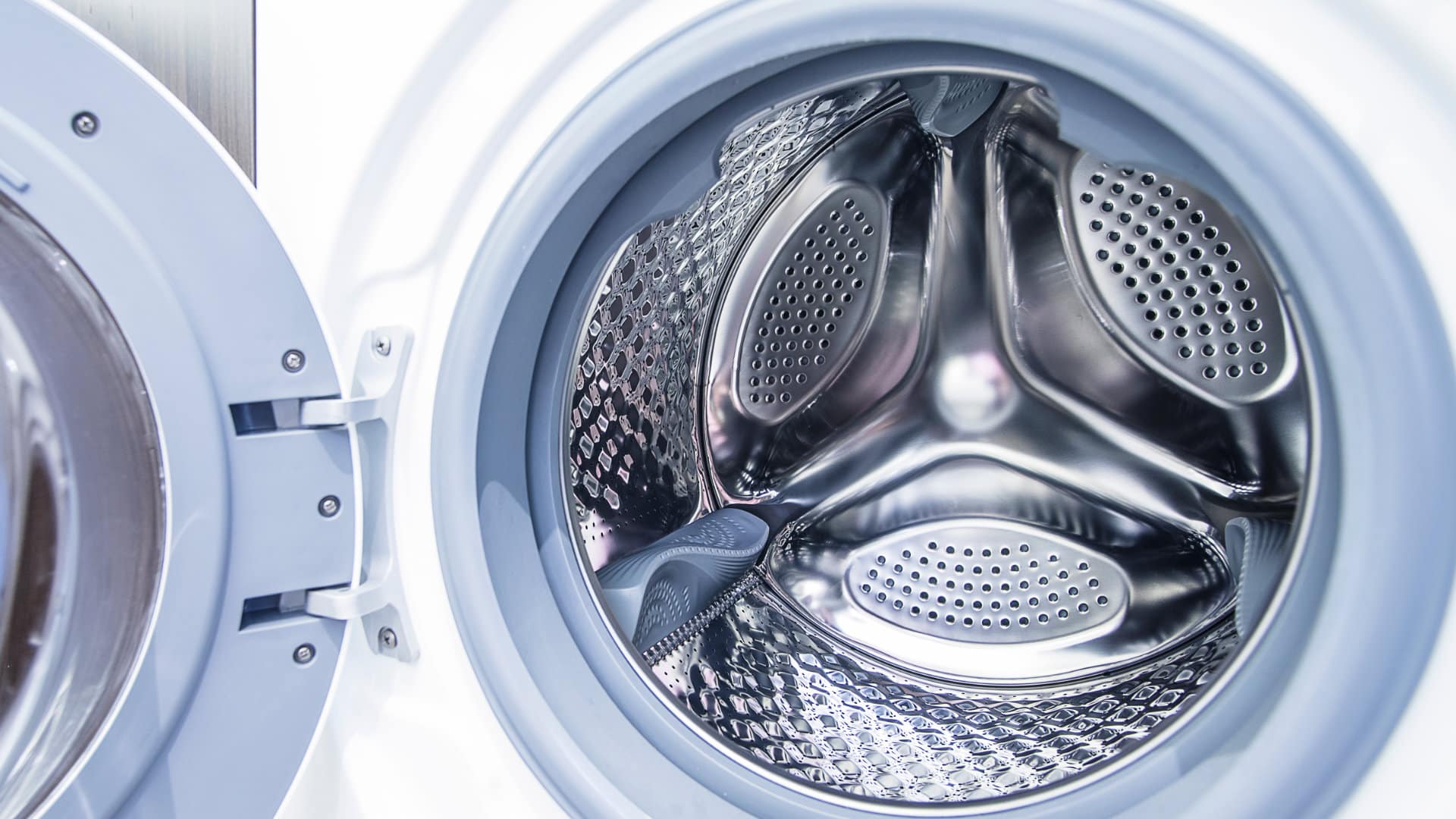
Drum design includes perforations or holes. These holes let water drain out during spinning. They also prevent clothes from getting stuck. The drum seal keeps water from leaking outside the drum.
Newer designs may include special drum features like soft paddles or wave patterns. These protect fabric from damage while still cleaning well.
| Cycle | Rotation Speed (RPM) |
|---|---|
| Wash | 10-50 |
| Rinse | 40-70 |
| Spin | 800-1400 |
Proper drum design improves washing results and reduces noise, which is a common problem caused by worn drum bearings.
Drum Maintenance and Cleaning
Keeping the washing machine drum clean is key to good laundry and long machine life. Residue from detergent and dirt can build up inside. This causes odors and mold growth.
Regular drum cleaning cycles help remove buildup. You can also clean the drum manually with vinegar or special washing machine cleaners. Avoid using harsh chemicals that may damage the drum seal or bearings.
Checking drum bearings for wear is important. Worn bearings cause loud noises and poor drum rotation. If bearings fail, repairs can be costly.
- ✅ Run drum cleaning cycle monthly
- ✅ Use recommended cleaners
- ✅ Check for unusual drum noises
- ✅ Inspect drum seal for leaks
- ✅ Balance loads to avoid stress
Following these steps can extend your washing machine drum lifespan and keep laundry fresh.
Common Washing Machine Drum Problems
Some common issues with washing machine drums include noise, leaks, and poor rotation. Noise often comes from damaged drum bearings or loose parts. Leaks may happen if the drum seal is worn or cracked.
Drum rotation problems can be due to motor faults or belt issues. Overloading the drum can cause imbalance and strain the rotating mechanism. This reduces washing quality and can damage the drum.
Regular maintenance and proper use help prevent these problems. If you hear loud noises, check for foreign objects in the drum. Avoid washing heavy or large items beyond the drum capacity.
- Drum Washer: Uses rotating drum, gentle on clothes, efficient water use.
- Tub Washer: Older design, uses agitator, less gentle, more water.
Modern washing machines with advanced drum design offer better cleaning and less wear on fabrics.
Washing Machine Drum Installation
Installing a washing machine drum requires care. The drum must be aligned correctly with the motor and suspension parts. Proper installation ensures smooth rotation and reduces noise.
Drum bearings and seals must be checked during installation to avoid leaks. The washing machine drum size and capacity must match the washer frame. Incorrect installation can cause damage and shorten the machine’s life.
Professional installation is recommended to ensure all parts fit well and the drum rotates properly. This helps maintain the washing cycle quality and machine safety.
For more details on how washing machines work, this explanation of washing machine operation offers clear insights into the drum and other parts.
In conclusion, the washing machine drum is a vital component. It holds clothes and rotates to wash and rinse them. Different drum types and materials suit different needs. Proper drum maintenance extends its lifespan and improves washing results. Understanding the drum’s function and care helps users get the most from their washing machines.
Frequently Asked Questions
What is the main function of a washing machine drum?
The drum holds clothes and rotates to wash and rinse them using water and detergent.
What materials are washing machine drums made from?
Common materials include stainless steel, plastic, and aluminum, chosen for durability and resistance to rust.
How does a front load washing machine drum differ from a top load drum?
Front load drums rotate horizontally and use gravity for cleaning, while top load drums rotate vertically with an agitator or pulsator.
How can I maintain my washing machine drum?
Regular cleaning, checking drum bearings, and avoiding overloading help maintain drum health and lifespan.
What causes noise in a washing machine drum?
Noises often come from worn drum bearings, loose parts, or foreign objects inside the drum.

Michael Peterson is a home appliance writer focused on practical washing machine care, maintenance, and troubleshooting. He shares simple, reliable tips to help readers keep their washing machines running efficiently, avoid common problems, and extend appliance life.