Understanding Washing Machine Cycle Times
Washing machines use different programs to clean clothes. Each program has a set cycle time. This time can range from 15 minutes to over an hour. It depends on what you select and the machine’s features. Knowing these details helps you pick the best setting for your laundry needs.
The average wash duration varies by cycle type. For example, a quick wash cycle is short and good for light dirt. Heavy duty wash duration is longer to clean tough stains. Delicate wash time is moderate to protect sensitive fabrics.
Modern washing machines often include automatic load sensing. This feature adjusts the water amount and cycle length based on the laundry load size. It helps save water and energy while ensuring clean clothes. For more details on machine features, see this guide on how to disconnect a washing machine.
For a deeper understanding of this mechanic, analyzing resources on washing machine cycle length provides excellent foundational context.
Factors Influencing Cycle Length
Several elements decide how long a washing machine runs. The washing machine program length depends on the type of fabric. Cotton and heavy fabrics need longer wash times. Delicate fabrics need shorter cycles to avoid damage.
Temperature settings in laundry also affect cycle time. Hot water cleans better but uses more energy. Cold water saves energy but may need a longer cycle to clean well. The detergent impact on wash time is notable. Some detergents work faster with warm water, cutting cycle duration.
Spin cycle time is adjustable on many machines. Longer spins remove more water, reducing clothes drying time. However, heavy duty wash duration with longer spins may increase energy consumption. Water consumption cycle is also a key factor. Machines that use less water may extend the cycle to maintain cleaning quality.
Load size plays a big role too. Overloading the machine can increase cycle time or reduce cleaning efficiency. Underloading wastes water and energy. Using the load sensor feature helps balance these factors for optimal washing.
Typical Washing Machine Cycle Times
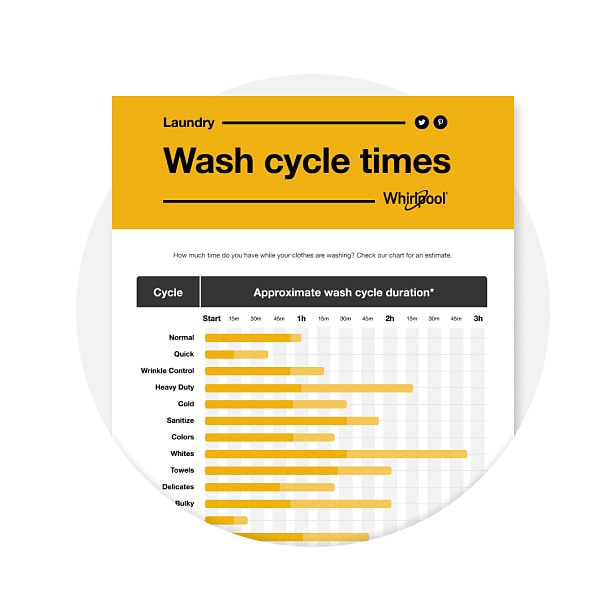
Below is a table showing common wash cycle durations by program type. This helps set expectations on how long laundry takes.
| Cycle Type | Approximate Duration | Fabric Type | Energy Use |
|---|---|---|---|
| Quick Wash | 15 – 30 mins | Lightly soiled, mixed fabrics | Low |
| Delicate Wash | 30 – 45 mins | Sensitive fabrics like silk | Moderate |
| Normal Cycle | 45 – 60 mins | Mixed everyday fabrics | Moderate |
| Heavy Duty | 60 – 90 mins | Sturdy and very dirty fabrics | High |
| Eco Wash | 70 – 120 mins | Mixed fabrics, energy saving | Low |
Longer cycle durations often mean more energy and water are used. However, eco-friendly settings balance energy efficiency washing with cleaning power. Choosing the right program saves resources and protects clothes.
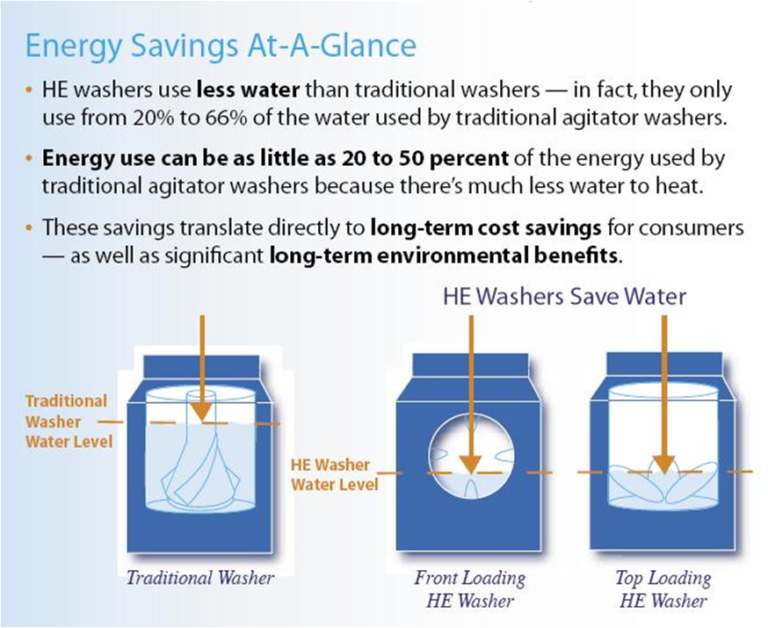
Front load vs top load machines also differ in cycle length. Front loaders use less water but usually have longer cycles. Top loaders tend to be faster but use more water and energy. Your choice affects overall laundry time and costs.
Choosing Washing Machine Settings for Best Results
Using proper washing machine settings helps get clean clothes faster. Adjust the temperature settings laundry based on fabric type. Hot water is good for whites and tough stains. Cold water suits colors and delicate fabrics.
Detergent type matters too. Some detergents are designed for quick washes. Fabric softener can add rinse cycles, slightly lengthening the wash. Washing machine rinse cycles vary by program; extra rinses give cleaner clothes but add time.
Spin cycle time should be matched to fabric delicacy. Delicate items need shorter spins to avoid damage. Heavy duty cycles benefit from longer spins to reduce drying time. Modern machines let you customize these settings easily.
Proper maintenance keeps your machine running well and cycle times consistent. For tips on cleaning your machine, check this guide on how to clean washing machine from dog hair.
Energy and Water Considerations
Energy consumption during wash cycles varies widely. Quick wash cycles save energy but may not clean heavy soils well. Heavy duty wash duration uses more energy and water but cleans better. Energy efficiency washing is a key feature in 2026 models.
Water consumption cycle is closely linked to energy use. Front-loading machines use less water per cycle than top loaders. Automatic load sensing optimizes water and energy use by adjusting for laundry load size. These features reduce environmental impact and utility bills.
Choosing eco-friendly cycles helps save resources. They often run longer but use lower temperatures and less water. This tradeoff is good for less soiled clothes and fabric care. You can balance wash timer and resource use to fit your needs.
Clothes Drying Time and Washing Cycles
Spin cycle time affects how wet clothes come out. Longer spins mean less water remains in clothes, reducing drying time. This saves energy if you use a dryer or speeds up air drying.
Delicate fabrics require shorter spin cycles to protect fibers. That can increase drying time but is safer for clothes. Heavy duty cycles usually have longer spins to cut drying time for thick fabrics.
When planning laundry, consider total time: wash cycle plus drying time. Efficient spin and drying reduce total time spent on laundry. Balancing these factors helps save energy and keeps clothes in good shape.

Conclusion: Mastering Your Washing Machine Cycle Time
Washing machine cycle time depends on many factors. These include program choice, fabric type, load size, and machine design. Understanding these helps you pick the right cycle for your laundry needs.
Quick wash cycles save time but suit light soils. Heavy duty cycles take longer but clean tough stains better. Energy-efficient machines balance water and power use for cost savings. Proper settings and maintenance keep cycles efficient and effective.
Remember to adjust spin time for drying needs and fabric safety. Use modern machine features like load sensing for best results. For more on keeping your machine in top shape, see our guide on how to clean washing machine with vinegar and baking soda.
By mastering these details, you save time, energy, and keep your clothes fresh and clean. Happy washing!
Below is a comparison chart of front load vs top load machines to help you decide which fits your laundry habits best.
| Feature | Front Load | Top Load |
|---|---|---|
| Average Cycle Duration | 45 – 90 mins | 30 – 60 mins |
| Water Usage | Low | High |
| Energy Efficiency | High | Moderate |
| Fabric Care | Gentle | Moderate |
| Spin Speed | Higher | Lower |
Choosing the right machine type and settings depends on your laundry needs and priorities. Both types have pros and cons in cycle length, energy use, and fabric care.
Finally, here is a checklist to optimize your washing machine use and cycle time:
- ✅ Sort clothes by fabric and soil level
- ✅ Choose appropriate program setting
- ✅ Match water temperature to fabric type
- ✅ Use correct detergent type and amount
- ✅ Do not overload the machine
- ✅ Adjust spin cycle time for drying needs
- ✅ Maintain your machine regularly
- ✅ Use quick wash for lightly soiled clothes
Follow these steps to make laundry efficient and effective.
Proper knowledge about washing machine cycle times helps you save time and money. It also protects your clothes and the environment. Use this guide as your go-to resource for laundry care in 2026.
Frequently Asked Questions
What affects washing machine cycle time?
Cycle time depends on the wash program, load size, fabric type, water temperature, and detergent used.
How long is a typical quick wash cycle?
Quick wash cycles usually last between 15 to 30 minutes, designed for lightly soiled clothes.
Does washing machine type affect wash duration?
Yes, front-loading machines tend to have longer cycles than top loaders due to different wash mechanics.
How does energy efficiency impact cycle time?
Energy-efficient cycles often use lower temperatures and longer durations to save power while cleaning well.
Can detergent type change the washing time?
Yes, some detergents work faster or better at certain temperatures, influencing the needed cycle length.

Michael Peterson is a home appliance writer focused on practical washing machine care, maintenance, and troubleshooting. He shares simple, reliable tips to help readers keep their washing machines running efficiently, avoid common problems, and extend appliance life.