So, you’re wondering how long it actually takes to get that HVAC certification, huh? It’s not a simple “one size fits all” answer, and honestly, that’s a good thing. It means you can tailor the path to your own life, your own goals. Let’s cut through the noise and get down to brass tacks.
Think of it like this: are you aiming to just get your foot in the door, or are you gunning to be the go-to expert on complex commercial systems? That distinction matters. A lot. Because the time investment can swing pretty wildly depending on your ambition and what you want to be doing with that certification.
The Raw Truth: No Magic Number Here
Forget those articles promising you a “quick path” to HVAC stardom. Becoming a truly competent and certified HVAC technician takes dedication. It’s not just about passing a test; it’s about building real-world skills. You’re dealing with people’s comfort, their homes, their businesses. That’s serious stuff.
Why the Hype Around “Speed”?
There’s a lot of chatter online about rapid certification. Some programs Feature completion in months. And yeah, you can get a basic certificate that fast. But what does that really mean for your career prospects? It often means you’re barely scratching the surface.
Beyond the Certificate: Real Skills Matter
A certificate is just paper, right? What employers really want is someone who can diagnose a faulty furnace on a freezing night, not someone who just memorized a manual. This practical know-how takes time to develop. It comes from hands-on experience, from troubleshooting actual problems.
Your Career Goals Dictate the Timeline
Are you eyeing a career in residential repair? That might require a different learning curve than aiming for industrial refrigeration. The complexity of the systems you want to work on directly impacts the depth of knowledge needed, and So, the time it takes to get there.
Laying the Foundation: What Goes Into HVAC Training?

Source : fieldedge.com
Before we even talk about timelines, let’s break down what HVAC training actually involves. It’s not just about knowing which wire goes where. It’s a blend of theory and practical application. You’ve got to understand the physics behind heating and cooling, the electrical principles, and the mechanical workings of these complex machines.
Classroom Learning vs. Shop Time
Most reputable programs balance classroom instruction with hands-on lab work. You’ll spend time learning about safety protocols, different refrigerants, system diagnostics, and building codes. Then, you’ll hit the shop floor to practice those skills on actual equipment. It’s this combination that builds competence. The time spent learning these Key elements varies.
Safety First, Always
Working with electricity, high pressures, and potentially hazardous materials means safety training is Top. This isn’t just a quick module; it’s an ongoing emphasis. You need to internalize safe work practices, and that takes repetition and understanding, not just memorization. Proper safety training is non-negotiable.
Understanding the Technical Jargon
HVAC has its own language. From BTUs to CFM, SEER ratings to R-values, you’ll be absorbing a lot of technical terms. A solid understanding of these concepts is what separates a novice from a pro. It takes time for this knowledge to stick. You’ll need to master technical terms.
The Traditional Path: Trade School & Community College
Source : housecallpro.com
This is probably what most people picture when they think of HVAC training. Community colleges and dedicated trade schools offer structured programs designed to get you job-ready. These are often longer but provide a Full education.
Program Lengths: What to Expect
Typically, you’re looking at programs that range from six months for a certificate to two years for an associate’s degree. A certificate program will give you the basics, enough to get an entry-level position. An associate’s degree offers a more in-depth curriculum, potentially covering more advanced topics and giving you a broader skill set. The duration of study is key here.
Curriculum Breakdown
These programs usually cover everything from basic electrical theory and troubleshooting to system installation and maintenance. You’ll learn about different types of HVAC systems – forced air, hydronic, heat pumps, and more. They often include units on customer service and communication, too. It’s a pretty thorough curriculum.
Pros and Cons of Formal Education
The big pro? A structured learning environment with experienced instructors and access to equipment. You get a recognized credential. The downside? It can be a significant time and financial commitment. Plus, you might still need additional on-the-job training to become truly proficient. But for many, it’s the best educational route.
The Accelerated Route: Diploma Programs & Bootcamps
Source : brownson.edu
If you’re looking to get into the field faster, accelerated diploma programs or bootcamps are an option. These are designed for speed, focusing on the core skills needed for immediate employment. They can be intense.
What’s the Catch with Speed?
These programs often pack a lot of information into a shorter timeframe. You might finish in as little as 3-6 months. While this gets you certified quickly, the depth of knowledge might be less Full compared to a two-year associate’s degree. You might sacrifice breadth for speed. That’s the trade-off for speed.
Focus on Core Competencies
The curriculum in these programs is laser-focused on the practical skills most in demand by employers. Think installation, basic repair, and safety. They aim to make you functional in an entry-level role as fast as possible. It’s about getting you job-ready quickly.
Is it Enough for Long-Term Success?
A bootcamp or diploma can absolutely be a great starting point. Many successful technicians began this way. However, continuous learning is Key in this field. You’ll likely need to supplement your initial training with on-the-job experience and potentially further certifications down the line to advance. You’ll need to pursue ongoing learning.
Apprenticeships: Learning While Earning

Source : youtube.com
This is a classic model for a reason. Apprenticeships combine on-the-job training with structured instruction, allowing you to earn a wage while you learn. It’s a fantastic way to gain practical experience under the guidance of seasoned professionals. Many see this as the gold standard for training.
The Earning While You Learning Advantage
The biggest draw here? You get paid! As an apprentice, you’re not just a student; you’re a valuable part of the team. This financial benefit makes the path to certification much more accessible for many people. It’s a practical financial solution.
Structured On-the-Job Training
Apprenticeships are typically registered with government agencies and follow a set curriculum. You’ll work alongside experienced technicians, gradually taking on more responsibility. This real-world exposure is Crucial and often lasts for several years, depending on the program and your progress. You get direct industry experience.
The Time Commitment
Most HVAC apprenticeships take anywhere from 3 to 5 years to complete. This longer timeframe allows for a deep dive into all aspects of the trade, from residential to commercial applications. It’s a significant commitment, but the resulting skill set and experience are undeniable. You become a highly skilled professional.
The Role of On-the-Job Experience (OJT)
Source : uti.edu
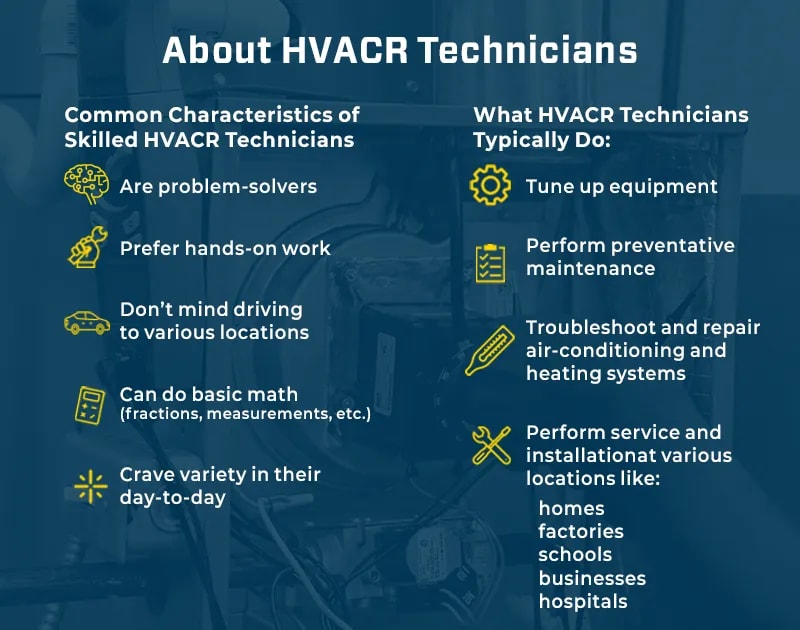
Let’s be real: no amount of classroom time can fully replace actually working on HVAC systems in the field. OJT is where the real learning solidifies. It’s messy, it’s unpredictable, and it’s where you build the critical thinking skills that certification tests can’t always measure. The value of practical experience cannot be overstated.
From Theory to Practice
You might learn about diagnosing a refrigerant leak in class, but it’s out on a sweltering roof, sweating buckets, that you truly learn to spot the subtle signs and perform the repair efficiently. This is where textbook knowledge meets the gritty reality of the job. It’s where skills truly develop.
Learning from Mistakes (Safely)
Everyone makes mistakes, especially when learning. The beauty of OJT, particularly within a structured apprenticeship or under a good mentor, is that you can make these learning errors in a supervised environment. You learn what not to do, and how to recover gracefully. It builds resilience. This learning process is Key.
The Time Factor in Gaining Experience
How long does OJT take? It depends. Some apprenticeships are structured over 3-5 years. Others might gain comparable experience in a slightly shorter or longer period, depending on the variety of jobs they encounter and the mentorship they receive. You need diverse job exposure.
What About Just Getting Certified?
Source : sjelectricaltraining.com
Okay, so you’ve heard about specific certifications like EPA Section 608. These are often required by law for anyone handling refrigerants. They are Key but represent a specific part of becoming a fully qualified technician, not the whole picture.
EPA Section 608: The Legal Requirement
This is the big one for anyone working with refrigerants. There are different types (Type I, II, III, and Universal) depending on the equipment you’ll service. Studying for and passing the EPA 608 exam can take anywhere from a few days to a few weeks, depending on your prior knowledge and study habits. It’s a mandatory certification.
Other Certifications: NATE, etc.
Beyond the EPA, there are voluntary certifications like those offered by NATE (North American Technician Excellence). These demonstrate a higher level of skill and knowledge in specific areas. Preparing for NATE exams usually requires significant field experience and dedicated study, often months or even years of practical work. These are professional endorsements.
Certification vs. Competency
It’s Key to distinguish between being certified and being competent. You can pass an exam and hold a certificate, but that doesn’t automatically mean you’re a master technician. True competency comes from a combination of education, hands-on experience, and continuous learning. Don’t just chase the paper; chase the real-world skill.
Putting It All Together: Realistic Timelines
Source : invoiceowl.com
So, let’s circle back to the original question. How long does it really take? It’s not a single number, but a range. Based on the paths we’ve discussed, here’s a breakdown:
The Quick Start (Certificate/Diploma):
You can get a basic HVAC certificate or diploma from a trade school or bootcamp in about 6 months to 1 year. This gets you entry-level ready, but you’ll still need significant OJT.
The Standard Path (Associate’s Degree/Apprenticeship):
A two-year associate’s degree program provides more depth. Registered HVAC apprenticeships often take 3 to 5 years to complete, resulting in a highly skilled technician.
The Experienced Pro (Advanced Certifications):
Becoming eligible for advanced certifications like NATE typically requires 2-5 years of hands-on experience after your initial training. So, a seasoned pro has likely invested a total of 3 to 7 years in education and practical application. You can learn more about the time commitment involved in becoming an HVAC technician at auto.edu.
It’s a Marathon, Not a Sprint
Becoming a truly skilled and sought-after HVAC technician is a journey. It requires dedication, continuous learning, and a willingness to get your hands dirty. Rushing the process might get you a credential faster, but it’s the long-term investment that pays the biggest dividends in your career.
Alright, let’s really dig into this. You’ve got the basics, now we’re talking details. Because let’s be honest, nobody wants to waste their time spinning their wheels. We’re talking about getting you into a solid career, not just reading a book for a few weeks.
How Long Does It Take To Get Hvac Certified Online
Source : pennfoster.edu
So, you’re looking at the online route for your HVAC certification. Smart move if you need flexibility. But don’t think “online” means “easy” or “super fast” without the right effort.
Self-Paced Online Courses: The Ultimate Flexibility
These are the wildcards. You can technically finish them in weeks if you’re a machine. But realistically? Most folks take a few months to really absorb the material. It’s all on you to stay disciplined. No instructor breathing down your neck here.
Hybrid Online Programs: Best of Both Worlds?
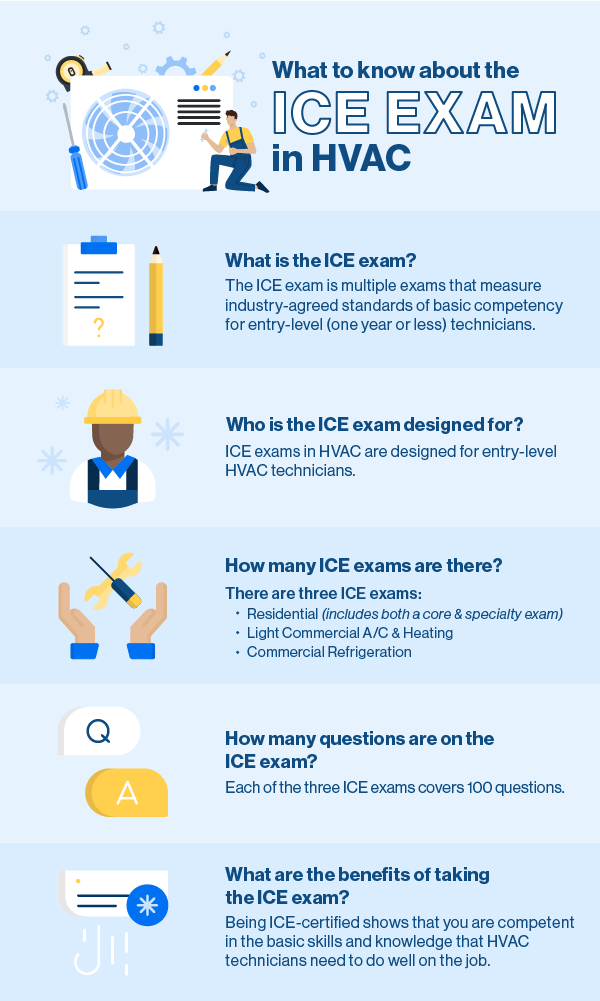
Some online programs throw in mandatory in-person labs or workshops. This adds a layer of commitment. Expect this route to clock in closer to the traditional program timelines, maybe 6 months to a year. It’s a good way to get hands-on without quitting your day job entirely.
Beware of “Too Good To Be True” Timelines
If a site promises full certification in 30 days online? Run. Fast. Real HVAC certification requires understanding complex systems, safety protocols, and practical application. Shortcuts here mean you’ll likely struggle finding work, or worse, get into dangerous situations.
How Long Does It Take To Get Epa Certified For Hvac
Source : sjelectricaltraining.com
Ah, the EPA certification. This is a big one. It’s not really about how long it takes to get it, but rather, how long it takes to learn what you need to pass the test. This is Key for handling refrigerants.
EPA Section 608 Overview
There are different types of EPA Section 608 certifications (Type I, II, III, and Universal). Each covers different refrigerant types and equipment. You’ll need to pass an exam for whichever type is relevant to the work you want to do. Most technicians aim for the Universal certification.
Dedicated EPA Prep Courses
You can find specific courses designed just for the EPA exam. Many are surprisingly short – think a few days to a couple of weeks of focused study. You can often do these online or as a short, intensive in-person workshop.
Integrated Within Larger HVAC Programs
For most full HVAC programs, EPA prep is baked right in. It’s usually covered in the latter half of the curriculum once you have a solid foundation. So, it’s less about a separate timeline and more about it being a key milestone within your overall training.
Average Timeline To Complete Hvac Certification Program
Source : hvacjobshq.com
Okay, let’s talk averages. This is the meat and potatoes for folks looking for a structured path. What’s the typical grind?
Vocational Schools and Community Colleges
These programs are usually the most Full. They often run from 6 months to 2 years, depending on whether you’re going for a certificate or a more in-depth associate’s degree. You get a lot of classroom time and Key hands-on shop work.
Apprenticeship Programs: Learn While You Earn
Apprenticeships are fantastic because you’re actually working in the field. These are typically longer, often lasting 3 to 5 years. You get paid while you learn, which is a huge plus, but it requires a serious time commitment and a willingness to start at the bottom.
Short-Term Certificate Programs
Looking for something quicker? Some trade schools offer accelerated certificate programs. These can sometimes be completed in as little as 4 to 6 months. They’re more focused on the core skills needed to get you job-ready fast.
Factor in Licensing and Local Requirements
Don’t forget, finishing a program is just one piece. Some states or municipalities require additional licensing beyond your certification. This can add extra time for testing and paperwork. Always check your local HVAC regulations.
How Long Does It Take To Become Hvac Certified In California
%20(1).jpg)
Source : auto.edu
California. Great state, but they do have their own way of doing things. It’s not wildly different, but there are specific points to watch out for.
California State Licensing Board (CSLB)
While there isn’t a single statewide “HVAC certification” mandated by the CSLB, contractors need to be licensed. This requires experience and passing an exam. For technicians, the focus is often on completing accredited training and obtaining EPA certification, which is mandatory for refrigerant handling.
The Role of Experience in California
California often emphasizes practical experience heavily. Many programs and apprenticeship opportunities will build this into their structure. So, while a course might be 6 months, the total time to be considered fully qualified often includes significant on-the-job training hours.
Accredited Training Programs in CA
Look for programs accredited by organizations like HVAC Excellence or the Partnership for Air Conditioning, Heating, Refrigeration Certification (PAHRC). These programs typically Match with national standards and will give you the best foundation. Timelines here mirror the national average: several months to a couple of years.
Considering Specific California HVAC Needs
California has unique climate challenges, especially with cooling. Specialized training focusing on high-efficiency systems, heat pumps, and potentially solar integration might take longer but are incredibly valuable in this market. Think about adding specialized skills; it’s not just about the basic certification timeline. According to Indeed, the path to becoming an HVAC technician typically involves formal education, on-the-job training, and potentially an apprenticeship, often spanning two to five years in total.
| Program Type | Typical Duration | Key Features | Pros | Cons |
|---|---|---|---|---|
| Online Self-Paced | 2-6 Months (Variable) | Flexibility, self-discipline required | Study anywhere, anytime. Affordable. | Less hands-on, requires high motivation. |
| Vocational School Certificate | 6-12 Months | Structured curriculum, hands-on labs | Full training, practical skills. | Less flexible schedule, can be costly. |
| Community College Associate’s Degree | 18-24 Months | In-depth theory and practice, broader education | Deeper understanding, recognized credential. | Longest commitment for formal education. |
| Apprenticeship | 3-5 Years | On-the-job training, mentorship, paid learning | Earn while you learn, extensive real-world experience. | Longest duration, requires entry-level commitment. |
| EPA Certification Prep Course | 1-2 Weeks (Intensive) | Focus solely on refrigerant handling exams | Quickly gain Needed EPA credentials. | Does not cover core HVAC installation/repair skills. |
Frequently Asked Questions
How long is the HVAC certification program?
Look, it really varies. Some programs are super short, like just a few weeks if you’re going for a basic EPA card. But for a full-blown certification that actually means something, you’re probably looking at 6 months to 2 years. Depends entirely on what kind of HVAC certification you’re aiming for and how much time you can actually commit.
Can you get HVAC certified online?
Yeah, you can do a lot of the coursework online, for sure. It’s convenient, right? But here’s the kicker: you’ll still need to do hands-on training and pass exams in person. You can’t fake fixing a busted AC unit over Zoom. So, online can get you part of the way, but it’s not a complete online HVAC certification solution.
What is the fastest way to get HVAC certified?
The absolute fastest way? Find a vocational school or trade program with an accelerated schedule. Some offer intense, full-time programs that can get you certified in under a year. You gotta be ready to hit the ground ruing, though. No slacking off!
Do I need a high school diploma for HVAC certification?
Most reputable HVAC programs and employers will want to see that you have at least a high school diploma or a GED. It shows you’ve got the basic academic chops. Some entry-level stuff, maybe like a basic EPA 608 certification, might not require it, but for anything more Large, yeah, high school diploma is usually a must.
Is HVAC certification worth the time and money?
Absolutely, 100%. Think about it – you’re getting into a trade with high demand. People always need their heating and air fixed, especially when it’s boiling hot or freezing cold. The training costs money, sure, and it takes time, but the earning potential and job security? Totally worth the investment. It’s a solid career path.
