So, you’re staring down the barrel of a new career, right? Thinking about that sweet spot between hands-on work and some serious brainpower? HVAC might be calling your name. But then comes the big question, the one that looms larger than a faulty 5-ton unit: how long does it take to get HVAC certified online? Let me tell you, it’s not a one-size-fits-all answer, and anyone telling you otherwise is probably trying to sell you a magic wand.
Forget the boilerplate fluff you find everywhere else. We’re going deep here, cutting through the noise so you know exactly what you’re signing up for. This isn’t about ticking boxes; it’s about building a solid foundation for a trade that’s always in demand. Let’s get into it.
The Real Scoop on Online HVAC Certification Timelines
Look, nobody wants to waste years stuck in a classroom if they don’t have to. Online programs offer a fantastic flex. But here’s the kicker: the speed of your certification depends on a bunch of moving parts.
Program Length Varies Wildly
Some programs are designed to be sprinted through. Others? They’re more like a marathon. You’ll find diploma programs that can be completed in as little as six months, while associate degrees might take two years. It’s a Key distinction, because a diploma and a degree aren’t the same beast, and employers see them differently.
Self-Paced vs. Structured Courses
This is where your personal drive really comes into play. A self-paced course lets you blaze through the material if you’ve got the dedication and a knack for the subject. Conversely, a structured course with set start and end dates for modules forces a certain rhythm. You can’t just wing it. For some, that structure is a lifesaver; for others, it’s a straitjacket.
Source : housecallpro.com
What “Certification” Actually Means
Here’s a bit of a semantic trap. Often, people use “certification” loosely. Are we talking about a program completion certificate from a school, or a government-issued license or EPA certification? They’re vastly different things, and the time commitment changes dramatically. Getting your basic EPA Section 608 certification, for instance, can be relatively quick compared to completing a full HVAC diploma.
Deconstructing the Online HVAC Curriculum

Source : fieldedge.com
What are you actually learning when you go the online route? It’s not just watching videos. It’s a Strong curriculum designed to get you ready for the real world. Think of it like building a house; you need the blueprints before you start laying bricks.
Core Technical Skills You’ll Master
You’re diving headfirst into the nitty-gritty. We’re talking thermodynamics, electrical principles (the lifeblood of HVAC!), understanding refrigerants, and all the safety protocols. Get comfortable with schematics and diagnostic procedures. Mastering these skills is non-negotiable.
Hands-On Components: The Big Online Hurdle
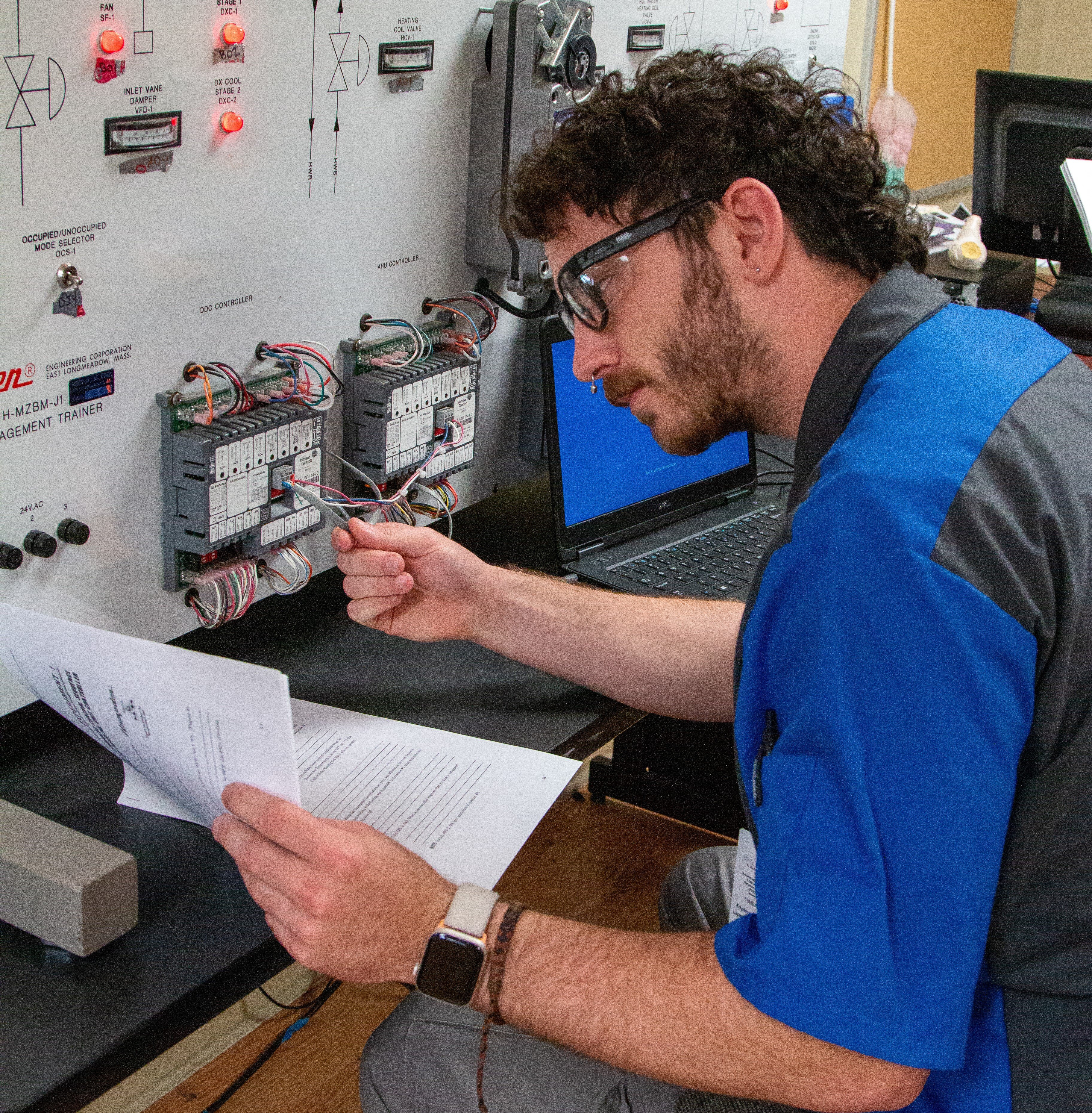
This is where online learning faces its biggest challenge. HVAC is a hands-on trade. Most reputable online programs will incorporate some form of practical training. This might involve local externships, lab kits sent to your home, or requiring you to seek out hands-on experience independently. Figure out how the program handles this; it’s critical for your actual job readiness.
Business and Customer Service Acumen
Believe it or not, you’ll touch on more than just ductwork. Good programs often include modules on customer relations, basic business management (especially if you dream of running your own shop), and understanding building codes. It’s about being a well-rounded professional, not just a technician.

Source : hvaccareernow.com
Factors That Speed Up (or Slow Down) Your Online HVAC Journey
Okay, let’s talk brass tacks. What’s going to make you zoom through your online HVAC certification or drag your feet?
Your Dedication Level is Key
This is the biggest variable. Are you treating this like a hobby or a career launchpad? If you’re dedicating 15-20 hours a week, you’ll move much faster than someone squeezing in an hour here and there. Your commitment dictates your pace.
Prior Experience and Aptitude
Did you grow up tinkering with engines? Have you got a natural inclination for how things work? A background in a related field, or just a strong mechanical aptitude, can help you grasp concepts faster. You might breeze through sections that others need to revisit.
Program Structure and Support
Some online schools offer stellar support – instructors who actually respond, online forums buzzing with activity, accessible technical help. Others? Not so much. A program with good support can prevent you from getting stuck and frustrated, keeping your momentum going. Think about resources like those offered by Penn Build’s HVAC Technician Career Diploma.
Typical Timelines: What to Expect
Let’s put some rough numbers on this. Because let’s be honest, you want a ballpark figure. This isn’t an exact science, but it’s a guide.
Source : auto.edu
Short-Term Certificate Programs
These are usually focused on specific skills or basic EPA certifications. Think a few weeks to a few months. They’re great for getting a foot in the door or adding a specific credential.
Diploma Programs
These offer a more Full education. Most online diploma programs hover around the 6 to 12-month mark. You’re getting a solid foundation here, ready for entry-level work.
Associate’s Degrees
If you’re aiming for a more advanced role or higher earning potential, an associate’s degree might be your path. These typically take around two years to complete online, just like their in-person counterparts.
Comparing Online vs. In-Person HVAC Training
You’ve chosen online, but it’s worth knowing how it stacks up against the traditional route. Every path has its pros and cons.
Flexibility and Convenience
This is the undisputed champion for online. You can study on your own schedule, fitting it around work, family, or other commitments. No commuting. No rigid class times. It’s about fitting education into your life, not the other way around. Check out how CF.edu’s HVACR Certified Technician program discusses this flexibility.
Cost Differences
Generally, online programs can be more affordable. You cut out costs associated with campus facilities, sometimes even housing. However, be wary of programs that are too cheap. Quality instruction and resources cost money. Make sure the program is accredited and well-regarded.

Source : trusteyman.com
Hands-On Training Gaps
This remains the primary concern for many. While online programs are improving their practical components, in-person schooling often provides more direct, supervised access to equipment and labs. It’s something to weigh carefully. How long does it take to become an HVAC technician? Well, the hands-on part often dictates a significant chunk of real-world learning, which online needs to supplement robustly.
Achieving EPA Section 608 Certification Online
This is a big one. The EPA Section 608 certification is mandatory for anyone handling refrigerants. It’s a Key step for any HVAC professional.
What the Certification Covers
You’ll learn about refrigerant handling, environmental impact, recovery procedures, and safety regulations. There are different types of certifications (Type I, II, III, Universal), depending on the type of equipment you’ll be working on. Understanding refrigerant laws is critical.
Online Study for the Exam
Many schools offer online courses specifically designed to prepare you for the EPA exam. You can study the material at your own pace, review practice questions, and then take the official exam, often at a proctored testing center or sometimes even online with strict supervision. Many automotive technician programs touch on HVAC principles, and you can find great resources there too, like those discussed on auto.edu.
Time Commitment for EPA Certification
Studying for the EPA exam can take anywhere from a few days to a few weeks, depending on your background and how much time you dedicate. Passing the exam itself is the hurdle, not the study duration. It’s often the fastest way to get a recognized credential in the HVAC field.

Source : skillcatapp.com
Making the Most of Your Online HVAC Education
So you’re enrolled. Now what? How do you Make sure this online stint actually sets you up for success?
Actively Engage with the Material
Don’t just passively click through modules. Take notes. Draw diagrams. Explain concepts out loud to yourself (or a patient pet). Treat it like you’re in a real classroom. Active learning is king.
Seek Out Practical Application
If your program doesn’t provide enough hands-on opportunities, get creative. Volunteer for a friend or family member’s minor HVAC issue (safely, of course!). Find a local shop willing to let you shadow or intern, even for free initially. Real-world experience is Crucial.
Network with Instructors and Peers
Online doesn’t mean isolated. Participate in forums. Ask questions. Connect with your instructors. These connections can lead to mentorship, job leads, and a deeper understanding of the industry. Never underestimate the power of a good network.
The Long Game: Beyond Certification
Getting certified is just the first step. HVAC is a field where continuous learning is practically built-in. Technology changes, regulations update, and new systems emerge constantly.

Source : youtube.com
Continuing Education Requirements
Depending on your state and the specific certifications you hold, you’ll likely need to pursue continuing education units (CEUs) to maintain your credentials. This keeps your skills sharp and ensures you’re up-to-date. Staying current is Needed for career longevity.
Specialization Opportunities
Once you’ve got your general HVAC certification, you can specialize. Think commercial refrigeration, geothermal systems, smart home integration, or even focusing solely on electrical or plumbing aspects related to HVAC. Specializing can significantly boost your earning potential.
Advancement Paths
With experience and potentially further education, you can move up. Options include lead technician roles, system design, project management, training, sales, or owning your own business. Your initial certification is the springboard.
Is Online HVAC Certification Right for You? The Verdict
how long it takes to get HVAC certified online is a question only you can fully answer, based on your program choice and your dedication. It can be a remarkably efficient path for motivated individuals. It offers flexibility that traditional schooling simply can’t match. But remember, the quality of the program and your commitment to learning – both theory and practical application – are what truly matter. Don’t just chase a certificate; chase competence. The trade needs skilled professionals, and a well-executed online program can absolutely get you there. Now, go get ’em.
| Program Type | Typical Timeframe | Focus | Pros | Cons |
|---|---|---|---|---|
| EPA Section 608 Prep Course | Weeks to < 1 month | Refrigerant Handling & Regulations | Fastest path to a mandatory credential; highly focused. | Doesn’t cover full HVAC systems; exam often separate. |
| Online Certificate Program | 2-6 months | Basic HVAC principles, tools, safety | Quicker entry; good for specific skill acquisition. | May be less Full than diploma; limited hands-on. |
| Online Diploma Program | 6-12 months | Full theory, systems, diagnostics | Strong foundation for entry-level jobs; structured curriculum. | Requires significant time commitment; practical skills need independent sourcing. |
| Online Associate’s Degree | 1.5-2 years | In-depth HVAC, electrical, mechanical; general education | Highest level of formal education; opens doors to advanced roles. | Longest time commitment; may be overkill for some entry-level goals. |
Frequently Asked Questions
Are online HVAC certifications worth it?
Totally! Because online programs can be way more flexible. You can often finish them quicker, and they can be a great way to get your foot in the door. Plus, a lot of employers see them as legit, especially if you pair it with some hands-on experience. Just make sure the certification you’re aiming for is recognized in your area. It’s a solid way to boost your HVAC career.
What is the $5000 rule for HVAC?
Because that’s generally the threshold where if a repair costs more than $5000, it’s often more cost-effective to replace the entire HVAC system instead of fixing the old one. But hey, it’s not a hard and fast rule, more like a guideline. Factors like the age of the system and the availability of parts can totally change that calculation. So, keep that HVAC replacement cost in mind.
Can you make 200k in HVAC sales?
It’s definitely possible, but not easy. Because reaching that kind of income usually requires being in a high-commission sales role, possibly with a company that sells high-end systems or does a lot of commercial work. You’d need to be a top performer, consistently closing big deals. It’s a stretch goal, for sure, but with the right skills and dedication, hitting $200k in HVAC sales isn’t out of the World of possibility.
How to get HVAC certified fast?
Because you’re looking to speed things up! The fastest way usually involves picking an accelerated online program. Some programs are designed to be completed in a few months if you really dedicate yourself. But remember, ‘fast’ doesn’t always mean ‘best’. You still need to absorb the material and get practical experience. Check out programs that offer condensed courses and focus on getting you ready for the EPA 608 certification quickly.
What’s the difference between HVAC certification and licensing?
Think of it this way: certification is like proving you know your stuff through training and passing a test, like the EPA 608. Licensing, on the other hand, is often a state-mandated requirement to actually perform certain HVAC work legally. You might need both! Certification proves competency, while a license grants you permission to operate. It’s all about ensuring safety and quality in the HVAC industry.
