Understanding Heavy Soil in Washing Machines
Heavy soil on a washing machine means clothes are very dirty or stained. This setting tells the machine to clean more deeply. Clothes with mud, grease, or food stains need this wash cycle. It differs from normal or light soil settings by using more water and longer wash times.
Many machines have a soil sensor that measures dirt before the wash. This sensor helps pick the best wash program. For a deeper look, analyzing resources on soil level on a washing machine provides excellent foundational context. Understanding this helps you pick the right cycle and detergent amount for your load.
Using the right soil level saves water and energy. It also protects your clothes from harsh washes that can damage fabric.
Heavy Soil Wash Cycle Features
A heavy soil wash cycle uses a longer cycle duration. The machine adds more water and detergent. It also spins slower to give clothes time to soak. This helps remove tough dirt and stains.
Spin speed during a heavy soil cycle is often lower to protect fabrics. Machines may also have a pre-wash setting to loosen dirt before the main wash. These extra steps make heavy soil cycles more effective.
Fabric care is important in heavy soil cycles. Too strong a wash can harm delicate clothes. Always check your washing machine user guide to find the best settings for different fabric types and soil levels.
Adjusting Detergent and Load Settings for Heavy Soil
The detergent dosage must match the soil level and load size. Heavy soil means using more detergent. But too much detergent can leave residue on clothes and machine parts. Always follow your detergent’s instructions for soil level and load weight.
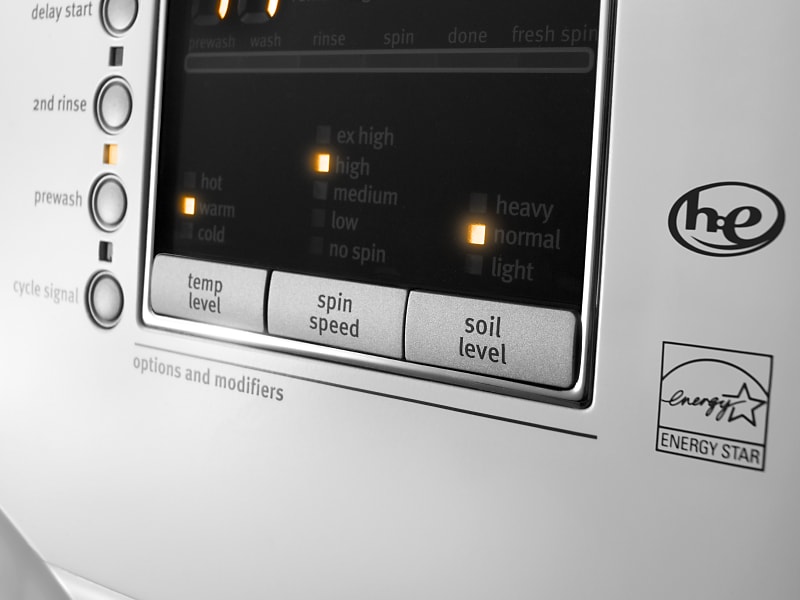
Washing machine load settings also matter. Overloading can stop clothes from washing well, especially for heavy soil. A full load with heavy soil needs more water and detergent than a small load with light soil.
Optimizing the wash cycle options, detergent amount, and load size helps save water and energy. It also improves fabric dirt removal and stain removal results.
Common Clothing Soil Types and Their Treatment
Clothing soil types vary from dust and grass to oil and mud. Heavy soil often means oily or greasy dirt. These stains need strong washing programs. Some fabrics need special care to avoid damage during heavy dirt laundry cycles.
For heavy soil stain removal, use stain removers or pre-wash treatments. These work well with heavy soil wash cycles. Knowing the type of soil on your clothes helps pick the right washing machine soil level and fabric care options.
Some machines have wash programs designed for certain soil types, such as pet stains or grease. Using these can improve cleaning and protect clothes.
Benefits of Soil Sensor Washing Machines
Soil sensor washing machines detect how dirty clothes are. The sensor adjusts water, detergent, and cycle time. This smart approach cleans well without wasting resources.
Using machines with soil sensor technology means you do not have to guess the soil level. It makes washing easier and more eco-friendly. Machine wash soil level is set automatically for the best results.
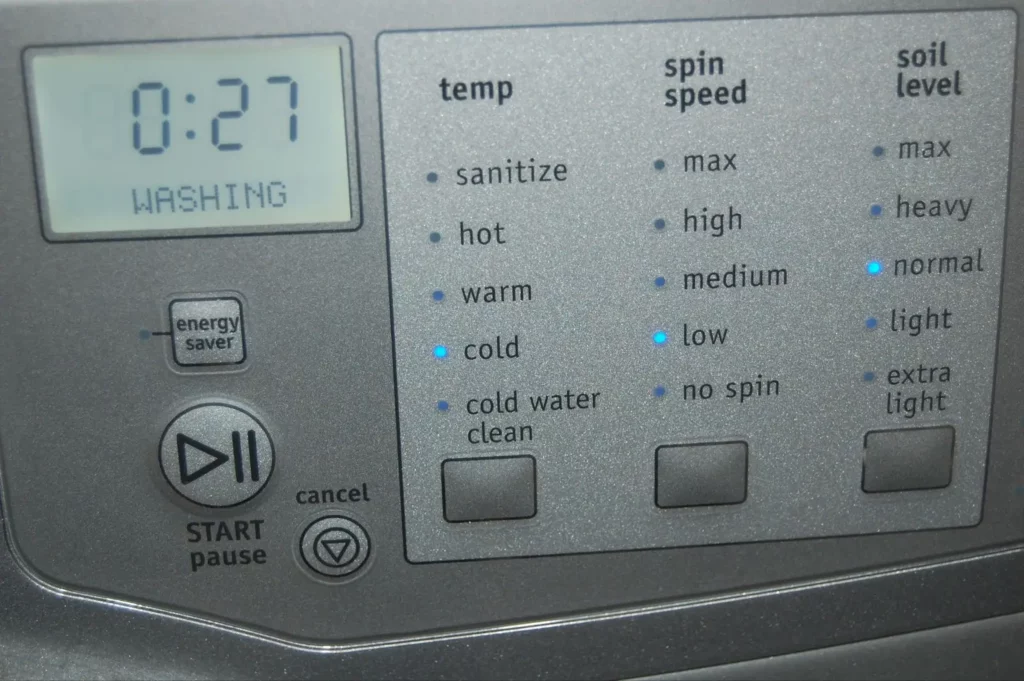
Some models also adjust spin speed and temperature based on fabric type and soil level. This leads to better fabric care and saves energy.
Heavy Soil Laundry Tips for Best Results
For heavy soil laundry tips, sort clothes by fabric type and soil level. Use heavy soil wash cycle for tough stains. Pre-treat stains with a stain remover or mild bleach if safe for fabric.
Do not overload the washing machine. Overloading reduces cleaning power. Use the right detergent amount and choose high efficiency machine detergent for best results. After washing, check clothes for any leftover stains before drying.
Proper drying helps keep fabrics soft and clean. Avoid heavy soil cycles for delicate fabrics to prevent damage. You can learn more about proper use by reading a detailed guide on using bleach in a washing machine to improve stain removal safely.
Soil Level Settings Explained
| Soil Level | Description | Typical Cycle Features |
|---|---|---|
| Light Soil | Clothes have little dirt or stains | Short wash, less water, low detergent |
| Normal Soil | Everyday dirt and stains | Moderate wash time, standard detergent |
| Heavy Soil | Clothes are very dirty or stained | Long wash, more water and detergent, pre-wash |
Choosing the correct soil level helps your washing machine work well and saves resources. It also protects clothes from extra wear and tear.
Many machines now offer soil sensor washing machine options that adjust these automatically. This is helpful for busy households with mixed laundry loads.

Heavy Soil vs Light Soil Cycle Comparison
| Feature | Heavy Soil Cycle | Light Soil Cycle |
|---|---|---|
| Water Usage | High | Low |
| Detergent Dosage | More | Less |
| Cycle Duration | Long | Short |
| Spin Speed | Lower | Higher |
| Fabric Care | Gentle on tough fabrics | Gentle on delicate fabrics |
This table shows how soil level impacts wash programs. Using the right setting ensures clean clothes and good fabric care.
Remember, heavy soil cycles use more energy and water, so use only when needed for best eco-friendliness.
Heavy Soil Wash Programs and Fabric Care
Heavy soil wash programs are designed to handle tough dirt while protecting clothes. They use strong agitation and soak time but control spin speed to avoid damage.
Fabric care is key in 2026 washing machines. Many now have sensors to check fabric type and soil level. They adjust water temperature and cycle intensity accordingly. This prevents fading and wear.
For delicate or mixed fabrics, use gentle cycles or separate loads. Heavy soil cycles are best saved for sturdy fabrics like cotton or work clothes.
Best Practices for Using Soil Level Settings
Always read your washing machine user guide for the soil level explanation and settings guide. Match the soil level to how dirty your clothes are.
Use heavy soil settings only when needed to save energy and water. Pre-treat stains for the best heavy soil stain removal. Avoid mixing fabric types in heavy soil loads.
Regularly clean your washing machine to keep sensors working well. For tips on cleaning your machine safely, see our advice on how to clean my Samsung washing machine. Proper care keeps your machine and clothes in top shape.
Frequently Asked Questions
What does heavy soil mean on a washing machine?
Heavy soil means your laundry has tough stains or a lot of dirt that needs a stronger wash cycle.
How does a heavy soil wash cycle work?
It uses more water, longer cycle duration, and stronger agitation to remove tough dirt and stains.
Should I use more detergent for heavy soil loads?
Yes, increasing detergent amount helps break down dirt better for heavily soiled clothes.
What role does a soil sensor play in washing machines?
A soil sensor detects dirt level and adjusts cycle settings automatically for optimal cleaning.
Can heavy soil settings damage delicate fabrics?
Yes, using heavy soil cycles on delicate fabrics can cause wear; always check fabric care labels.

Michael Peterson is a home appliance writer focused on practical washing machine care, maintenance, and troubleshooting. He shares simple, reliable tips to help readers keep their washing machines running efficiently, avoid common problems, and extend appliance life.