Introduction to Washing Machine Spin Cycles
Spin cycle duration is a key part of washing machine operation. It affects how dry your clothes come out. The spin cycle uses high drum speed to remove water. Knowing the average spin cycle time helps you manage your laundry better. For example, longer spin cycles usually mean less drying time.
Understanding how the spin cycle works in different washing machines is important. You can adjust cycle options to suit your fabrics and energy use. This article covers spin cycle duration, speed settings, and more. For tips on loading towels correctly, see our guide on how do you wash towels washing machine.
Industry consensus indicates spin cycle lengths vary widely based on machine type and settings. Let’s explore these factors in detail.
Average Spin Cycle Duration
Most washing machines have a spin cycle that lasts between 10 and 20 minutes. Front-loading machines tend to have longer spin times than top-loading models. This is because front-loaders spin faster to remove more water.
Shorter spin cycles save time and energy but may leave clothes wetter. Longer cycles extract more water, reducing drying time but use more power. The balance depends on your needs.
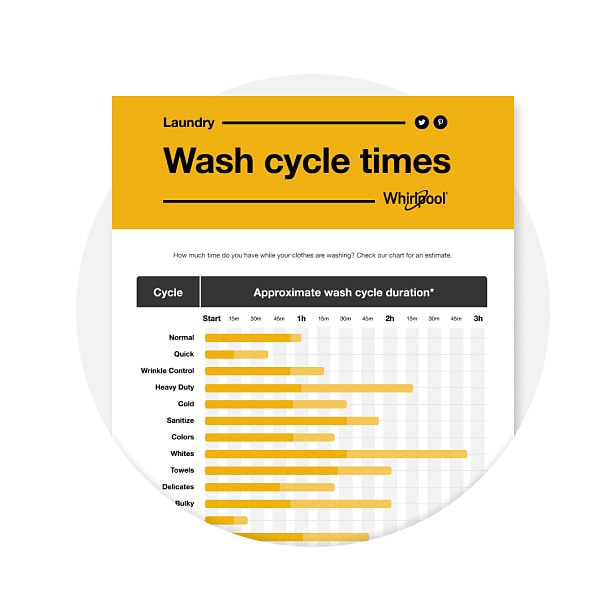
For a deeper understanding of this mechanic, analyzing resources on washing machine wash cycle times provides excellent foundational context.
Spin Speed Settings and Their Impact
Spin speed is measured in revolutions per minute (RPM). Common settings range from 600 to 1400 RPM. Higher spin speeds remove more water but can increase noise and vibration.
Delicate fabrics need lower spin speeds to avoid damage. Heavy fabrics like towels can handle higher speeds. Many machines let you select spin speed based on fabric type.
Choosing the best spin cycle setting balances drying time and fabric care. High speeds benefit energy efficiency but may increase wear on clothes.
Front-Load vs Top-Load Spin Cycles
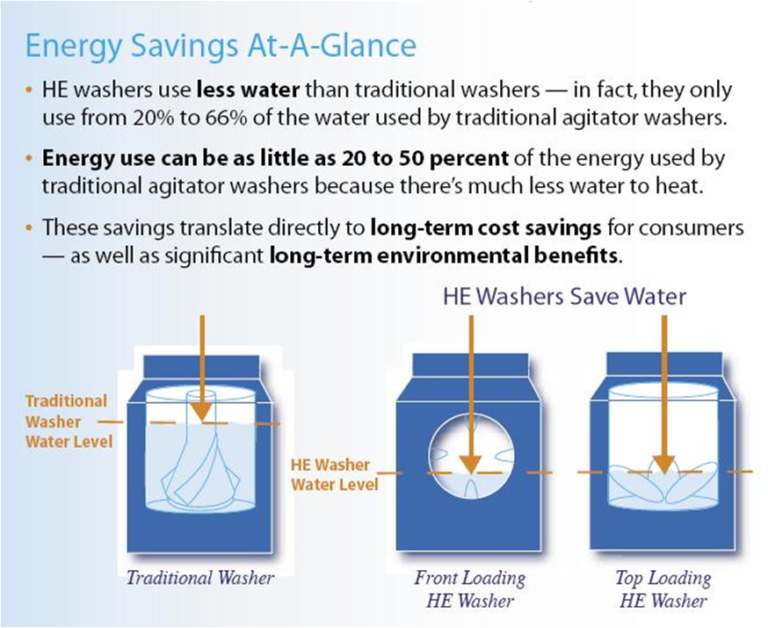
Front-load washers usually have longer and faster spin cycles. They use less water and extract more water from clothes. This leads to shorter drying times.
Top-load washers spin slower and for less time. They are gentler on clothes but leave more water in fabrics. This can increase drying time.
Energy consumption during the spin cycle is typically lower in front-load machines. This is due to better water extraction efficiency.
Learning how to balance load in your machine is key. An unbalanced load causes more noise and vibration during spinning.
Effects of Spin Cycle Length
Longer spin cycles reduce drying time by removing more water. This saves electricity when using a dryer. However, very long spins can increase wear on fabrics and the machine.
Short spin cycles are better for delicate items. They lower the risk of clothes damage and save energy. But they leave clothes wetter, increasing drying time.
Some machines offer a rinse and spin option. This is useful for quickly rinsing clothes without a full wash cycle.
Energy Consumption During Spin Cycles
The spin cycle uses the washing machine motor at high speed. This can consume significant energy. However, efficient machines use less power by optimizing spin speed and duration.
Longer spin cycles may use more energy, but they reduce drying time. This trade-off can save total energy used for laundry.
Modern washing machines have settings to balance energy use and performance. Choosing lower spin speeds for delicate fabrics reduces energy but may increase drying time.
Noise Level and Vibration Control
High spin speeds increase noise and vibration. Front-load machines often have better vibration control due to design. Top-load machines may shake more during spinning.
Using the correct load size and balance reduces noise. Many machines detect imbalance and adjust spin speed to maintain quiet operation.
If your machine is noisy during spin, check load distribution. Cleaning the filter and drum can also reduce noise.
Spin Cycle in Different Fabrics
Different fabrics need different spin speeds and durations. Delicate fabrics like silk or wool need low speeds and short spins. Heavy fabrics like jeans and towels can handle high speeds and long spins.
Incorrect spin settings can cause clothes damage. Over-spinning delicate items may cause stretching or tearing. Under-spinning heavy items leaves them wet and heavy.
It is advisable to sort laundry by fabric type and select machine cycle options accordingly. See our guide on how to use in washing machine for more details on cycle customization.
Washing Machine Maintenance for Spin Cycle
Regular maintenance keeps the spin cycle smooth and efficient. Clean the drum and filters to prevent blockages. Check for loose parts that cause noise or vibration.
Balance the load correctly to avoid motor strain. If the spin cycle is not working properly, consult troubleshooting tips or service manuals.
Proper maintenance extends machine life and improves water extraction during spinning.
Spin Cycle Troubleshooting Tips
If your washing machine won’t spin, first check for load imbalance. Uneven loads can stop the spin cycle.
Inspect the door lock and motor function. Faulty components can prevent spinning. Clean the filter regularly to avoid clogs.
Refer to your machine’s manual for error codes and reset instructions. Many common problems can be fixed without a technician.
How Spin Cycle Duration Reduces Drying Time
Longer spin cycles extract more water, making clothes drier before drying. This can cut drying time by up to 30%. It saves energy and reduces wear on dryers.
However, very long spins may not be needed for all loads. Adjust spin duration based on fabric type and load size to optimize drying.

Using higher spin speeds with balanced loads is the best way to reduce laundry drying time.
Comparison of Spin Cycle Features
| Feature | Front-Load | Top-Load |
|---|---|---|
| Average Spin Time | 15-20 mins | 10-15 mins |
| Spin Speed (RPM) | 800-1400 | 600-1000 |
| Water Extraction | High | Moderate |
| Energy Use | Lower overall | Higher overall |
| Noise Level | Lower | Higher |
Front-load washers are more efficient in water removal and energy use during spin. Top-load machines tend to be faster but less thorough in water extraction.
Choosing the right machine and spin settings depends on your laundry needs and fabric types.
Benefits of High Spin Speeds
High spin speeds reduce drying time by removing more water. They also save energy by lowering dryer use. Clothes come out lighter and dry faster.
However, high speeds can increase the risk of clothes damage if fabrics are delicate. Use lower speeds for sensitive items.
Modern machines often have sensors to adjust spin speed automatically, protecting clothes while maximizing efficiency.
Advantages of Short Spin Cycles
Short spin cycles save time and reduce noise. They are gentler on clothes and use less energy. Best for delicate fabrics and small loads.
Drawbacks include wetter clothes needing longer drying. Choose short spins when fabric care is more important than drying speed.
Many machines allow you to add a rinse and spin as needed for extra freshness after short cycles.
Water Extraction Efficiency
Water extraction during spin is key to drying time. The higher the RPM and longer the spin, the better the extraction. This reduces moisture in clothes.
Efficient water extraction lowers energy use and shortens dryer time. Front-load washers generally have better water extraction efficiency.
Proper load balance and machine maintenance maintain high extraction rates.
Step-by-Step Guide to Choosing Spin Settings
- Sort laundry by fabric type and soil level.
- Select appropriate spin speed: low for delicate, high for heavy fabrics.
- Choose spin cycle duration based on drying needs.
- Load machine evenly to balance the drum.
- Run rinse and spin if needed for extra freshness.
Following these steps improves laundry results and extends fabric life.
Conclusion
The washing machine spin cycle plays a vital role in drying efficiency and fabric care. Average spin times range from 10 to 20 minutes, with front-load washers generally spinning longer and faster than top-load models.
Choosing the right spin speed and duration depends on fabric type, load size, and your priority between drying time and fabric protection. Proper load balance and maintenance improve spin efficiency and reduce noise.
Balancing these factors helps you get the best results from your washing machine. For more on managing energy use, explore our article on how much wattage does a washing machine use.
Frequently Asked Questions
What is the average spin cycle time in washing machines?
The average spin cycle time ranges from 10 to 20 minutes depending on the model and settings.
How does spin speed affect clothes damage?
High spin speeds can cause more wear and tear on delicate fabrics, leading to damage over time.
Do front-load and top-load washers have different spin cycles?
Yes, front-load washers usually have longer and faster spin cycles than top-load washers for better water extraction.
Can adjusting spin cycle length reduce drying time?
Yes, longer spin cycles with higher speeds extract more water, reducing drying time significantly.
How can I troubleshoot spin cycle problems in my washing machine?
Common tips include checking load balance, cleaning filters, and ensuring the motor and drum work properly.

Michael Peterson is a home appliance writer focused on practical washing machine care, maintenance, and troubleshooting. He shares simple, reliable tips to help readers keep their washing machines running efficiently, avoid common problems, and extend appliance life.