Common Causes of Washing Machine Odors
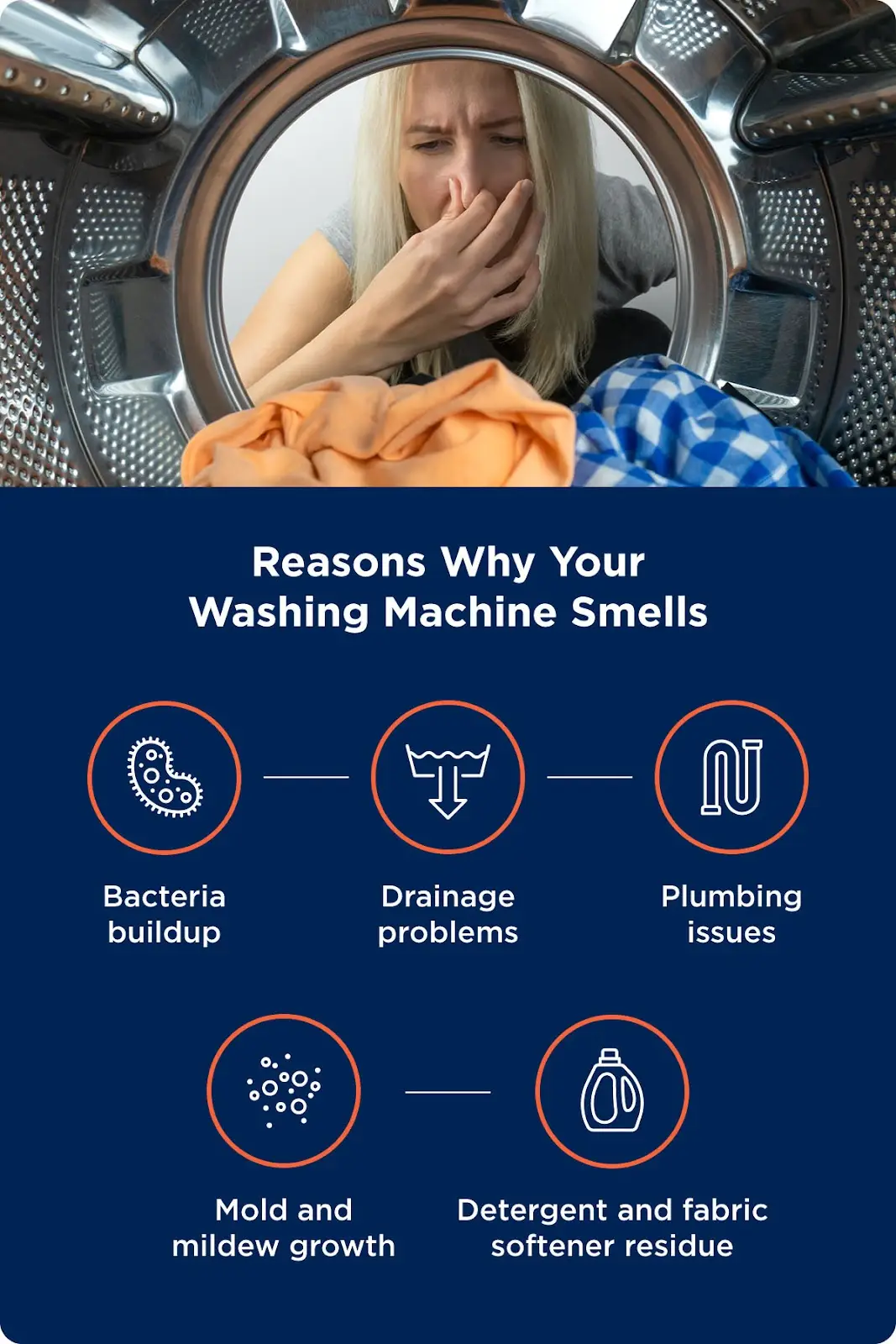
Washing machine odors often come from mold, mildew, and soap scum inside the drum and gasket. These grow in damp, dark areas where air does not flow well. Bacteria build-up from leftover detergent or fabric softener can add to the smell. Poor water drainage or blocked filters trap water and dirt, creating a foul odor.
Front load washers tend to smell worse because their rubber gasket holds moisture. Top load washer odor can stem from soap residue and drainage issues. Water quality and washing habits also play a role in causing smells.
Understanding these causes is key to fixing and preventing odors. For a deeper understanding of this mechanic, analyzing resources on washing machine smell problems provides excellent foundational context.
Regular washing machine maintenance tips can help avoid these issues.
How to Fix a Smelly Washing Machine
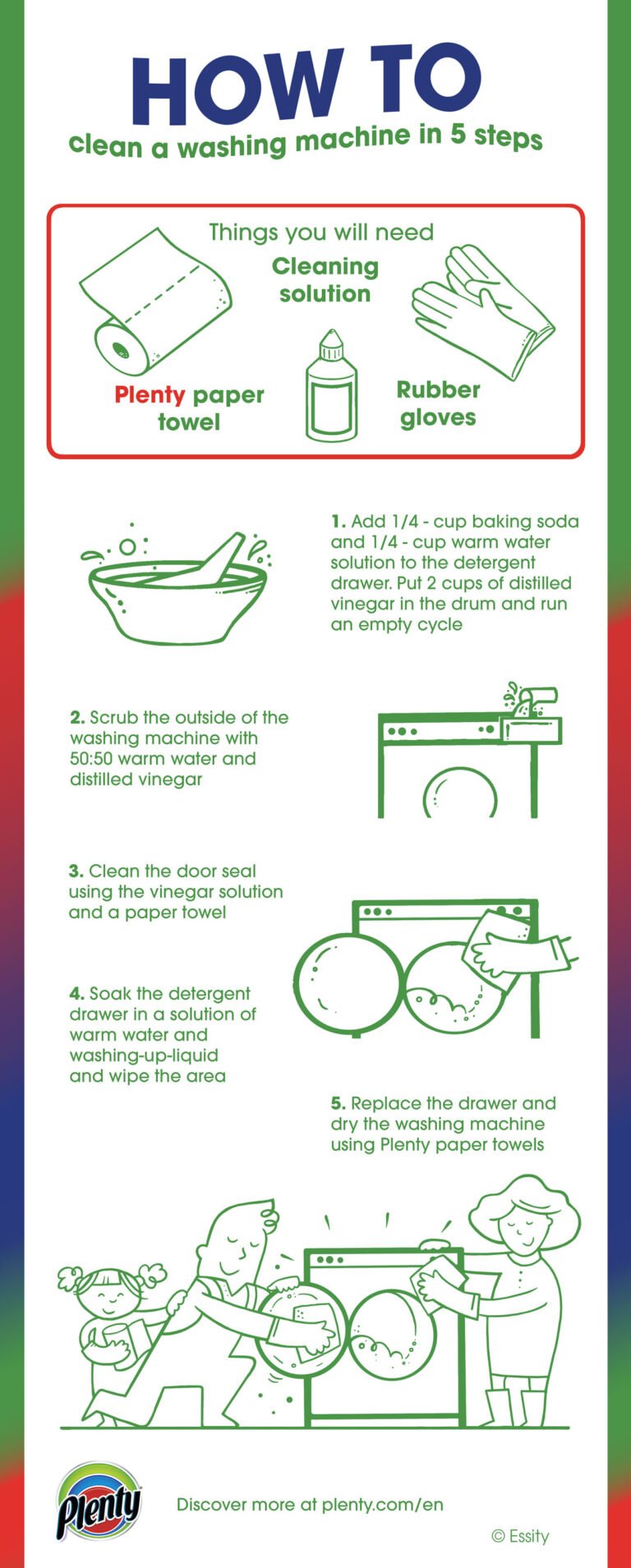
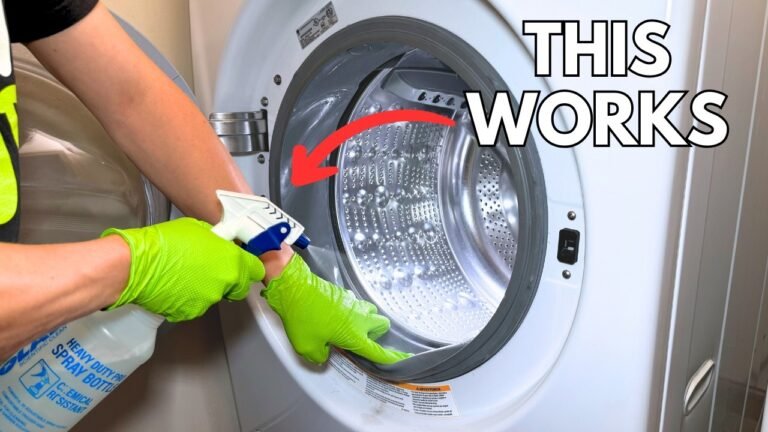
Start by cleaning the rubber gasket, where mold and mildew often hide. Use vinegar or a mold removal cleaner to wipe all surfaces carefully. Remove and clean the detergent dispenser to clear soap residue.
Run a hot water cycle with no clothes, adding washing machine cleaner or white vinegar and baking soda. This kills bacteria and loosens soap scum. Make sure to clean the washing machine filter and check the drain pump for blockages.
Leaving the door open after washes improves air circulation, preventing moisture build-up. Avoid leaving wet clothes inside the drum for long periods.
Checking the washing machine vent problems is also important to ensure proper air flow.
Washing Machine Maintenance Tips
Good habits keep odors away. Use the right amount and type of detergent for your machine. Overuse leads to soap scum and bacteria growth. Avoid fabric softeners that leave oily residues.
Clean filters regularly and inspect drainage hoses to prevent blockage. After use, wipe the drum and gasket dry. Running a cleaning cycle once a month keeps the machine fresh.
Here is a checklist for washing machine upkeep:
✅ Run hot empty wash cycle monthly
✅ Wipe drum and door dry
✅ Clean detergent dispenser
✅ Check and clean filter regularly
✅ Leave door open after use
Following these simple steps will help prevent common washing machine mildew problems.
Front Load Washer Smell vs. Top Load Washer Odor
Front load washers seal tightly to save water but trap moisture, making mold growth common. Their door gaskets are a hotspot for bacteria and mildew. Regular cleaning of the gasket and door seal is essential.
Top load washers drain faster and dry more easily but can suffer from soap residue build-up and drainage issues. Clogged filters or drain pumps cause water to stagnate and produce odor.
Both types benefit from regular cleaning and maintenance. Choosing the right detergent and washing on hot cycles occasionally helps reduce bacteria and soap scum.
For machine-specific tips, see this guide on the LG top load washing machine.
Cleaning the Washing Machine Gasket
The rubber gasket collects grime, mold, and detergent residue. Clean it with a cloth soaked in vinegar or diluted bleach. Pull back the seal to reach hidden spots.
Dry the gasket after cleaning to stop mold growth. Adding mold remover to your regular cleaning routine keeps mildew at bay. Replace the gasket if it becomes damaged or too moldy.
Regular gasket care is a key part of washing machine hygiene best practices.
Washing Machine Drainage Issues and Odors
Poor water drainage causes water to sit in the machine, fostering bacteria and mold. Check for blockages in the drain hose and filter. Remove lint and debris that can clog these parts.
Sometimes, the drain pump can fail or get clogged, causing water to pool. Clean or replace faulty parts promptly. Proper drainage also avoids musty, sewer-like smells.
Here is a quick guide to clean your washing machine drain:
- Unplug the machine
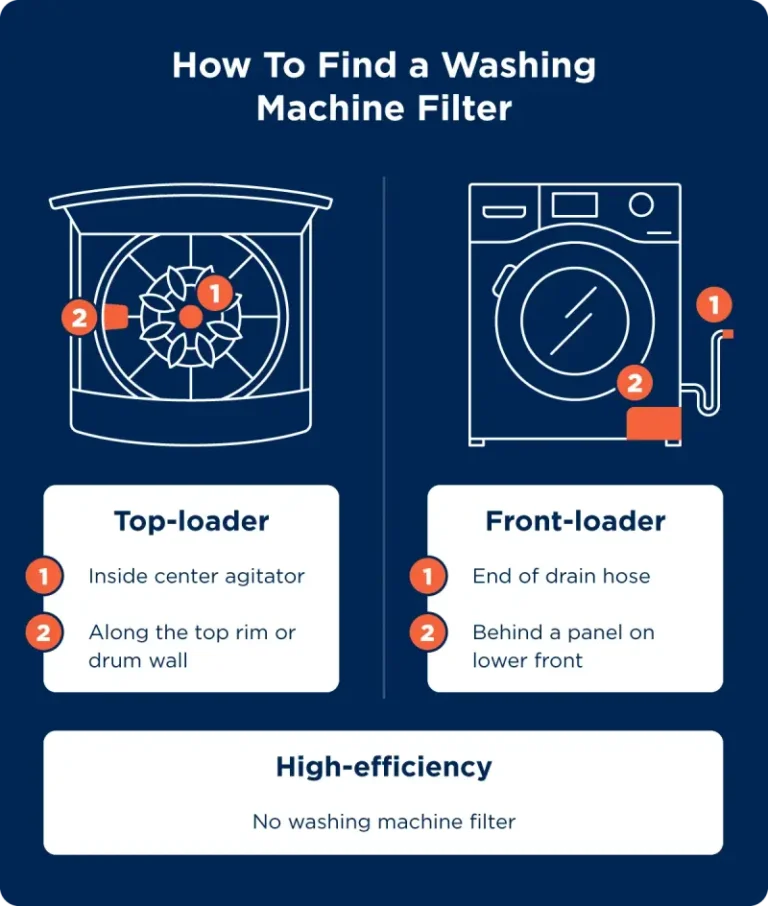
- Locate and remove the drain filter
- Clear debris and rinse filter
- Inspect and clear drain hose
- Reassemble and run a short cycle
For detailed instructions, check out how to clean washing machine filters on washing machine filter cleaning.
Soap Residue and Bacteria Build-Up
Too much detergent or using the wrong kind causes soap scum to build up inside. This residue traps dirt and germs. Bacteria multiply in the damp scum, causing foul odors.
Use high-efficiency detergents for HE machines and measure detergent carefully. Avoid using fabric softeners if they cause residue build-up. Run regular cleaning cycles to remove build-up.
Cleaning agents like vinegar and baking soda are safe and effective for this. You can also use commercial washing machine mold removal products for tough cases.
Washing Machine Smell Prevention Best Practices
Prevent odors by airing out your washing machine door and detergent drawer after each use. Avoid overloading the machine, which reduces cleaning efficiency.
Use hot water cycles weekly to kill bacteria. Keep the laundry area dry and well-ventilated to reduce mildew risk. Inspect hoses and filters regularly for early signs of problems.
Adopt good laundry habits like removing clothes promptly after washing to prevent mildew smells.
Industry consensus indicates these simple steps greatly improve washing machine hygiene.
Summary of Causes and Solutions
Below is a summary table of common washing machine odor causes with matching fixes:
| Cause | Effect | Fix |
|---|---|---|
| Mold & Mildew in Gasket | Musty smell, black spots | Clean gasket monthly with vinegar/bleach |
| Soap Residue Build-Up | Sticky, foul odor | Use correct detergent & clean dispenser |
| Poor Drainage | Standing water, bad smell | Clean filters and drain hose |
| Lack of Ventilation | Moisture build-up | Leave door open after wash |
Regular maintenance avoids costly repairs and keeps clothes fresh.
Here is a comparison of front load and top load washing machine odor risks:
| Washer Type | Common Smell Cause | Prevention Tip |
|---|---|---|
| Front Load | Mold in gasket, trapped moisture | Clean gasket, leave door open |
| Top Load | Soap scum, drainage issues | Use proper detergent, clean filters |
Knowing your machine type helps target cleaning methods.
Lastly, review this checklist for ongoing washing machine odor prevention:
| Task | Frequency |
|---|---|
| Clean gasket and door seal | Monthly |
| Run hot water cleaning cycle | Monthly |
| Clean filter and drain hose | Every 2-3 months |
| Wipe detergent dispenser | Monthly |
| Leave door open after use | Always |
Following this schedule prevents odors and machine mildew problems.
In conclusion, washing machine odors stem from mold, mildew, soap residue, and poor drainage. Fix odors by cleaning gaskets, filters, and running hot wash cycles. Prevent smells with good detergent use and ventilation. Regular maintenance is the best way to keep your washer fresh and your laundry clean. For more washing machine care tips, see how to wash bras and delicate items safely on how to machine wash bras.
Implementing these expert-backed steps in 2026 will ensure your washing machine stays odor-free and hygienic for years to come.
🚀 Beginner Tip: Always check your washing machine’s manual for model-specific cleaning advice. Small changes in detergent or cycle settings can stop smells before they start.
Frequently Asked Questions
What causes a washing machine to smell bad?
Bad smells come from mold, mildew, soap residue, clogged drains, and poor ventilation inside the machine.
How do I remove mold from my washing machine?
Clean the gasket and drum with vinegar or specialized cleaners. Run a hot wash cycle without clothes to kill mold and bacteria.
Can washing machine detergent cause odors?
Yes. Using too much detergent or the wrong type can leave soap scum that breeds bacteria and mildew, leading to bad smells.
How often should I clean my washing machine?
For best hygiene, clean your machine every 1-2 months. This includes wiping seals, cleaning filters, and running cleaning cycles.
Does the type of washing machine affect odor problems?
Front load washers are more prone to mold and odors due to their airtight seals and slower drying. Top loaders usually dry faster but can have drainage issues.

Keith Boyd Is A Seasoned Appliance Care Expert With Over A Decade Of Experience In Home Appliance Maintenance. His Authoritative Insights On Washing Machine Care And Upkeep Are Trusted By Homeowners Nationwide. With A Passion For Educating Others, Keith Shares Valuable Tips That Ensure Your Appliances Run Smoothly For Years To Come.