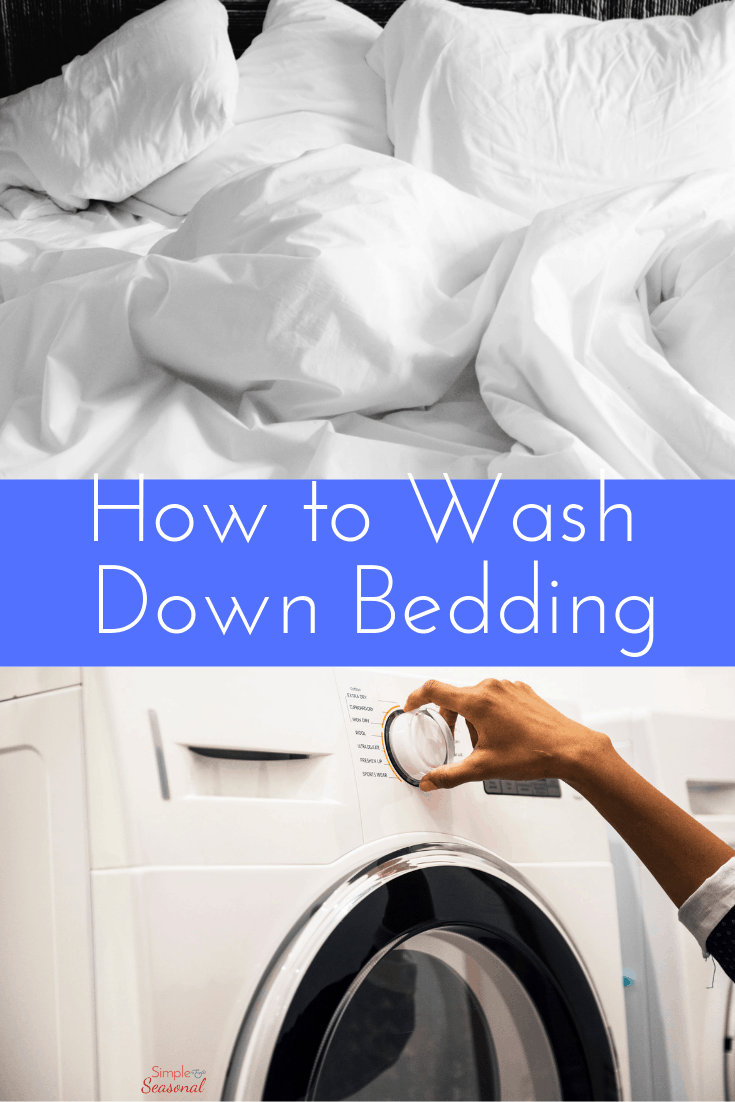
Understanding Pillow Materials and Their Washing Needs
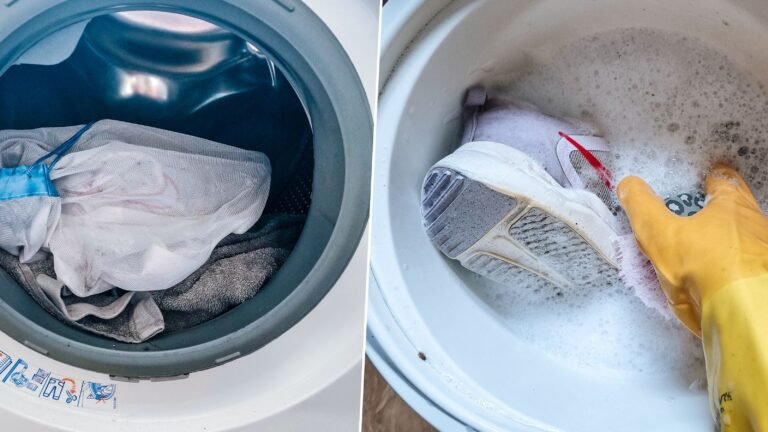
Not all pillows are the same. Different pillow materials need different care when washing. Polyester pillows are usually machine washable, but memory foam pillows require gentle hand washing. Feather pillows can be washed in machines if done right, but they need extra care to avoid damage. Knowing your pillow’s material helps you pick the best washing method and settings.
Checking the pillow’s washing instructions is key. These labels guide you on whether the pillow is machine washable and the best cycle to use. For more on machine care, see our guide on how to clean lg washing machine filter top loader.
For a deeper understanding of this mechanic, analyzing resources on pillow washing tips provides excellent foundational context.
Which Pillows Are Machine Wash Safe?
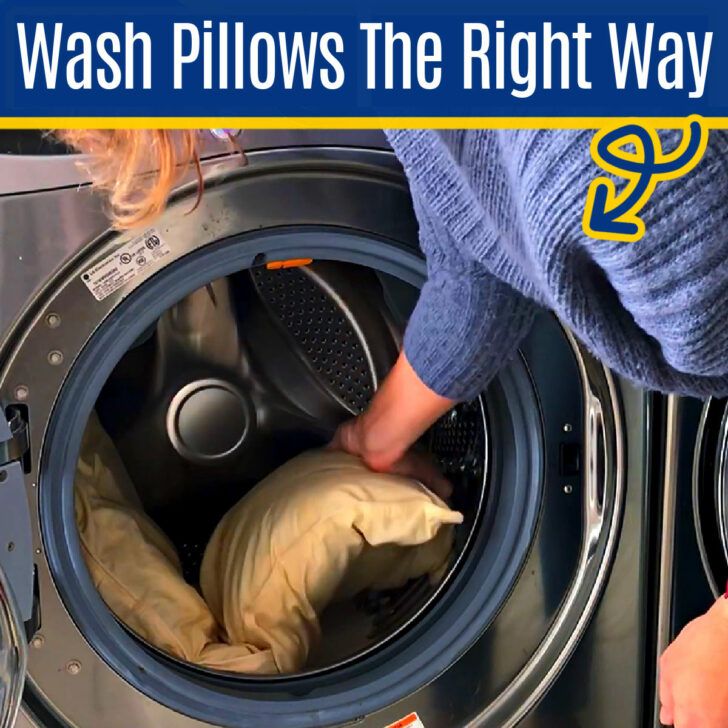
Machine washable pillows mostly include polyester and cotton-filled types. These pillows can handle water and spin cycles without losing shape. Feather pillows are often machine washable but need a delicate cycle. Memory foam pillows are not machine washable because the foam breaks down in water.
Always use a gentle or pillow wash cycle if your washing machine has one. This cycle uses less spin speed and gentle water flow to protect the pillow’s filling and fabric. Cold or warm water is best; hot water can harm the fabric and fill.
Machine washing pillows helps remove dust mites and allergens better than hand washing. But to protect your pillow and washing machine, follow the right steps carefully.
Choosing the Right Washing Machine Settings
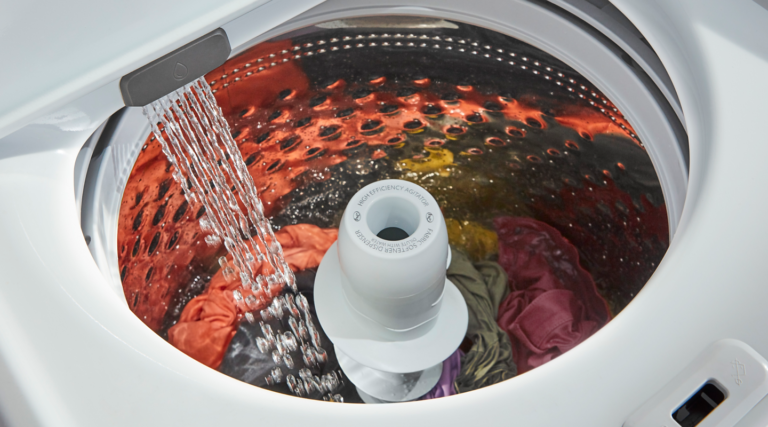
Set your washing machine to a gentle or delicate cycle. This prevents the pillow from getting damaged by harsh spinning. Use cold or warm water for washing; avoid hot water to keep pillows from shrinking or losing shape.
Adding the right detergent is important. Use a mild detergent made for delicate fabrics. Avoid fabric softeners as they can leave residues that harm pillows and reduce fluffiness. Also, add two pillows at once to balance the load and protect your washer.
Consider cleaning the lint filter before washing to avoid clogging. For tips on machine upkeep, check out how to clean whirlpool washing machine drain filter.
Removing Stains From Pillows Before Washing
Stains on pillows can be treated before washing. Spot clean using a small amount of mild detergent or stain remover. Dab gently with a cloth or sponge. Avoid rubbing too hard to prevent fabric damage.
:max_bytes(150000):strip_icc()/how-to-wash-throw-pillows-5409531-04-89288846485f4904909406a4c777da9a.JPG "How to Wash Pillows the Right Way and Keep Them Fluffy (Figure)")
Pre-treating stains helps the washing cycle clean the pillow better. Use cold water to rinse the treated area before placing the pillow in the machine. This ensures the stain doesn’t set further during washing.
Remember to test any stain remover on a small hidden area first to check for colorfastness. This simple step helps keep your pillows looking fresh and clean.
Best Methods for Drying Pillows After Wash
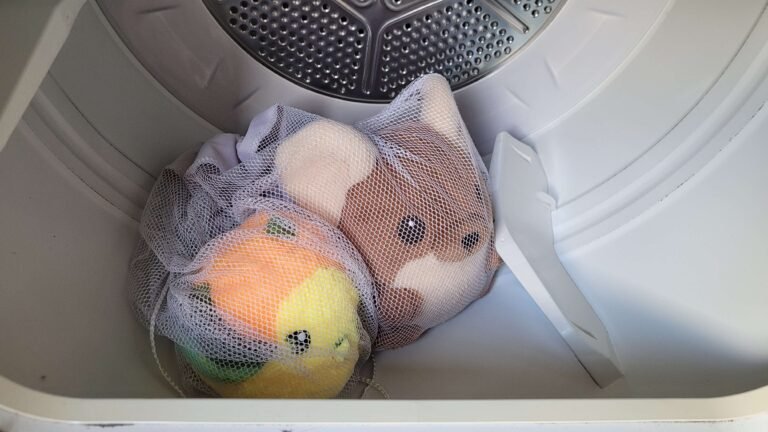
Drying pillows right is as important as washing. Use a low heat setting in your dryer to avoid melting or damaging pillow fibers. Add clean tennis balls or dryer balls to help fluff the pillow while drying.
If you prefer air drying, lay pillows flat in a well-ventilated area. Flip and fluff them regularly to keep even drying and maintain loft. Avoid direct sun for too long as it can fade fabric colors.
Using proper drying methods helps prevent mold growth and keeps pillows soft and fresh for longer use.
How Often Should You Wash Pillows?
Experts agree that washing pillows every three to six months is ideal. Regular washing removes dust mites, allergens, and sweat. This keeps pillows hygienic and extends their life.
In between washes, use pillow covers and wash them often. Covers protect pillows from dirt and oils. Also, fluff pillows daily to keep them fresh and in shape.
Frequent cleaning improves sleep quality and supports better allergy control. Keeping a washing schedule helps you avoid buildup of allergens inside your pillows.
Hand Wash vs Machine Wash Pillows: Which Is Better?
Machine washing is faster and generally cleans pillows better. It removes dirt deep inside fibers and kills dust mites. However, some pillows, like memory foam, need hand washing to avoid damage.
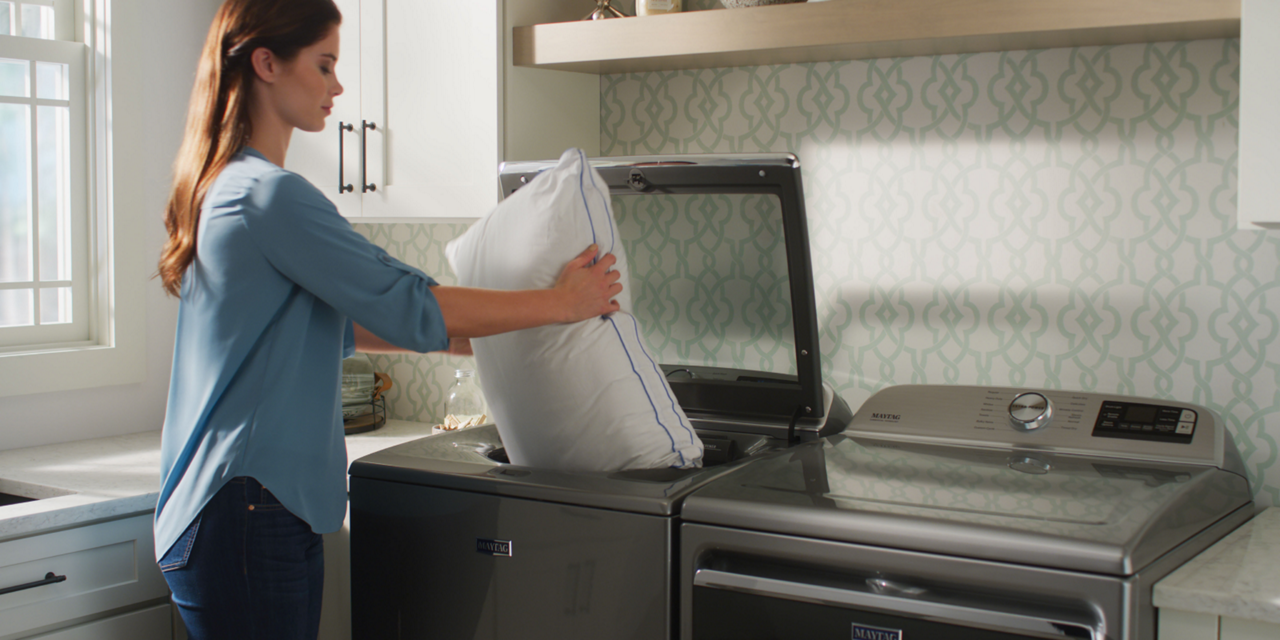
Hand washing is gentler and lets you control water and detergent use. It is best for delicate pillows or those with special fillings. Use mild soap and cold water, then rinse well to remove all residue.
Choosing the right method depends on pillow type, washing instructions, and the tools you have at home. Both methods can be effective if done properly.
Expert Pillow Care Washing Tips for Longevity
To keep pillows fresh and lasting, follow these tips: Always check pillow tags for washing instructions. Use gentle detergent and wash settings. Avoid overloading your washing machine to prevent pillow damage.
Dry pillows fully to stop mold and smell. Fluff pillows after drying to restore their shape and softness. Store pillows in a dry place and replace them every 1 to 2 years for best hygiene.
Good pillow care not only keeps them clean but also supports a healthy sleep environment.
For more on washing delicate items, see our post on how to machine wash bras.
Below is a helpful guide summarizing pillow materials and washing methods.
| Pillow Material | Machine Wash Safe | Recommended Water Temp | Drying Method |
|---|---|---|---|
| Polyester | Yes | Cold or Warm | Low Heat Dryer or Air Dry |
| Feather | Yes, Delicate Cycle | Cold or Warm | Low Heat Dryer, Fluff Often |
| Memory Foam | No | Hand Wash Only | Air Dry Flat |
| Down | Yes, Gentle Cycle | Cold or Warm | Low Heat Dryer, Dryer Balls |
Handling pillows with care extends their comfort and cleanliness. Always check for pillow cover washing tips to protect the pillow inside.
To further protect your washing machine during pillow washes, avoid washing only one pillow alone. Balance the load to keep the drum steady and prevent damage.
Protecting Pillows and Your Washing Machine
Use pillow covers to shield pillows from sweat and stains. Wash covers more often than pillows. When washing pillows, adding a few towels helps balance the load and protect both the pillow and machine.
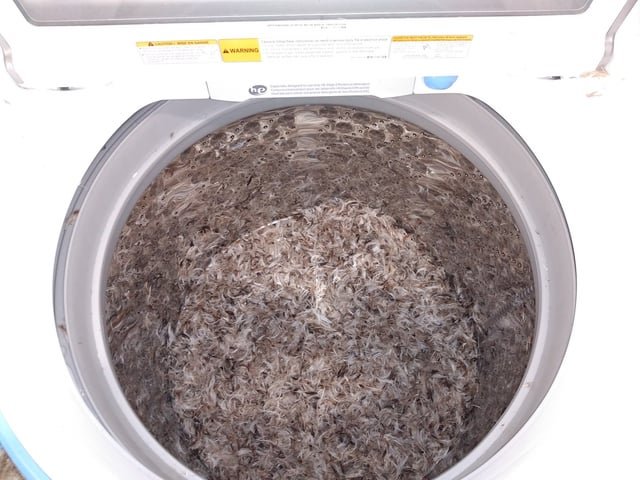
Check your washing machine’s lint filter after washing pillows. Pillow fibers can clog filters and reduce machine efficiency. Regular cleaning keeps your washer running well and extends its life.
For safety, never overload the machine. Follow your washer’s weight limits to avoid strain and damage. If you want to learn about washing large items, check our guide on can you wash a quilt in a washing machine.
Final Thoughts on Washing Pillows in a Machine
Washing pillows in a machine is safe when you know your pillow type and use the correct settings. Most polyester and feather pillows can be machine washed with gentle cycles and mild detergent. Memory foam pillows should be hand washed and air dried.
Regular washing removes allergens and keeps pillows fresh. Drying properly and fluffing after wash restores pillow shape. Using pillow covers protects pillows and reduces washing frequency.
Following these expert tips helps you care for your pillows and washing machine. Clean pillows mean better sleep and a healthier home. Remember to always read pillow care labels and adjust washing methods to suit the material.
With care and knowledge, machine washing your pillows can be easy and effective. Enjoy fresh, clean pillows for restful nights and good health.
For more on care and cleaning, explore our guide on can pillows be machine washed.
Frequently Asked Questions
Can all pillows be washed in a washing machine?
No, not all pillows are machine washable. Memory foam pillows should be hand washed, while polyester and most feather pillows can be machine washed with care.
What water temperature is best for washing pillows?
Cold or warm water is best for washing pillows. Hot water may damage some pillow materials and cause shrinkage.
How often should pillows be washed?
Experts recommend washing pillows every 3 to 6 months to remove allergens, dust mites, and stains.
Is it better to hand wash or machine wash pillows?
Machine washing is more effective for deep cleaning, but delicate pillows like memory foam benefit from hand washing to avoid damage.
How should pillows be dried after washing?
Pillows should be dried thoroughly on low heat in a dryer or air dried. Fluffing during drying helps keep the shape and softness.

Michael Peterson is a home appliance writer focused on practical washing machine care, maintenance, and troubleshooting. He shares simple, reliable tips to help readers keep their washing machines running efficiently, avoid common problems, and extend appliance life.