Average Wash Cycle Duration in Laundromats
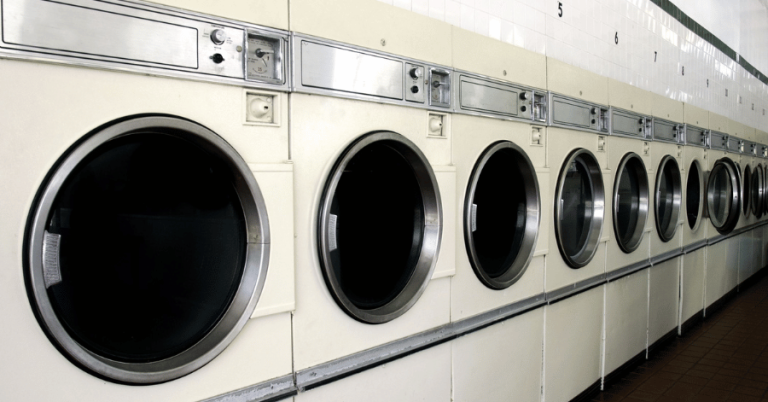
In 2026, the typical laundromat wash cycle time ranges from 25 to 40 minutes. This depends on the type of machine and the cycle chosen. Most coin laundry machine timers are set to balance cleaning power with speed to help users finish quickly.
Commercial washing machine cycles often feature standard, heavy-duty, and quick wash settings. A standard laundromat wash setting usually takes about 30 minutes. Quick wash options cut this time to around 15 to 20 minutes, but may use more energy or water.
For a deeper understanding of this mechanic, analyzing resources on laundromat wash times provides excellent foundational context.
Load size impacts how long a wash cycle takes. A full load may need the full cycle time, while a smaller load can finish faster. This is because the machine adjusts water and drum speed to clean effectively.
| Cycle Type | Duration (minutes) | Energy Use |
|---|---|---|
| Standard Wash | 30-40 | Moderate |
| Quick Wash | 15-20 | Higher |
| Heavy Duty | 40-50 | High |
Energy-efficient laundromat washers in 2026 are designed to keep wash times low while saving power and water. Users benefit from reduced wait and lower costs.
Front Load vs Top Load Laundromat Machines
Front-loading washers are more common in modern laundromats. They spin faster, reducing drying time. This saves energy and shortens the overall laundry process.
Top-loading washers still exist but tend to have longer cycles and use more water. Their spin cycles are often slower, which means clothes take longer to dry.
Choosing a front load or top load model affects how long your laundry takes. Front loaders offer better speed and efficiency, important for busy laundromats with many users.
Knowing which model is in use helps plan your visit. For example, front loaders might finish in 30 minutes, while top loaders could take up to 45.
Expert Insight: Front loaders are preferred in 2026 for their speed and energy use. They also reduce water consumption by up to 40% compared to top loaders.
Laundromat Wash and Dry Times Combined
After washing, drying adds to total laundry time. Typical laundromat dry cycles run 30 to 40 minutes based on load size and fabric. Large or heavy loads take longer to dry.
Dryer speed and heat settings impact duration. Energy-efficient dryers with moisture sensors help avoid over-drying. This saves time and reduces energy costs.
Users often plan their laundromat visit by combining wash and dry times. Knowing average times helps reduce waiting and manage costs.
| Process | Time Range (minutes) |
|---|---|
| Wash Cycle | 25-40 |
| Dry Cycle | 30-40 |
| Total Time | 55-80 |
Using quick wash options and fast spin cycles can reduce total time. But quick options may not clean as deeply or be suitable for all fabrics.
For tips on managing laundromat time efficiently, check our guide on cleaning electrolux washing machines which also covers cycle basics.
How Coin Laundry Machine Timers Work
Coin-operated washers use timers to control wash, rinse, and spin cycles. The timer starts when you insert coins and select settings. It counts down till the cycle ends.
In 2026, many laundromats use smart coin timers. They adjust cycle length based on load size and fabric type. This helps save water and energy while giving a good clean.
Users should check the timer display to track remaining wash time. This helps plan drying or next loads, reducing idle wait time.
🚀 Tip: Always check your coin laundry machine timer before starting. It helps avoid running out of coins mid-cycle.
Load Size Impact on Wash Time
Load size is a key factor in laundromat washing time. Overloading machines can increase cycle time or cause poor cleaning. Underloading wastes water and energy.
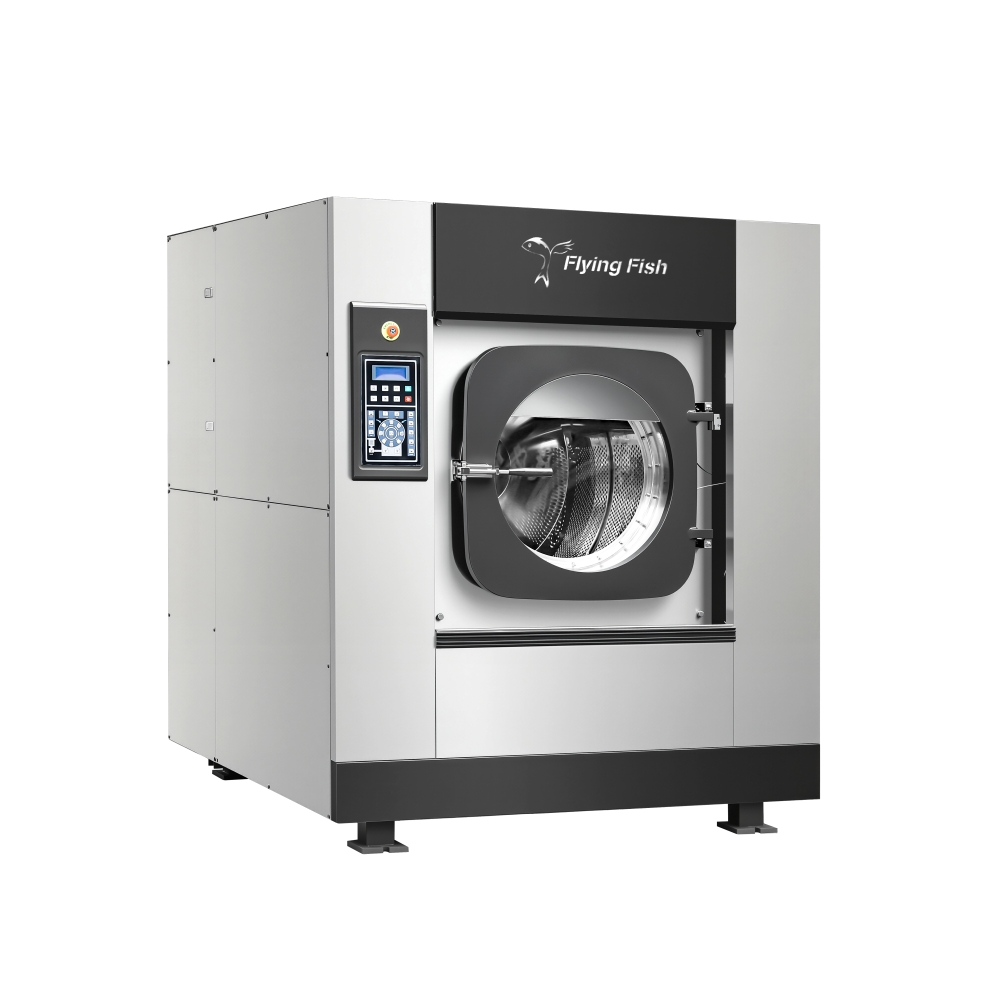
Most commercial washers detect load size automatically. They adjust water volume and spin speed for the best wash time and energy use.
Users should aim to fill machines properly but not overload. This balance reduces wash cycle duration and keeps machines in good shape.
| Load Size | Effect on Wash Time | Energy Use |
|---|---|---|
| Small | Shorter | Lower |
| Medium | Standard | Moderate |
| Large | Longer | Higher |
For more on how to care for your laundry gear, see our article on how portable washing machines work.
Laundromat Detergent Recommendations for Faster Washes
Using the right detergent helps keep wash cycles short and effective. High-efficiency detergents work well with front-loading washers common in laundromats.
Detergent type affects rinse cycle length. Some detergents rinse out faster, reducing total wash time. Others may need extra rinses for sensitive skin or heavy soil.
In 2026, many laundromats offer free detergent packets optimized for their machines. This helps users avoid overuse and speed up cycles.
✅ Detergent Tips for Laundromats:
- ✅ Use high-efficiency detergent for front loaders.
- ✅ Avoid over-pouring to reduce rinse time.
- ✅ Choose detergent designed for quick wash cycles.
Peak Laundromat Usage Hours and Tips
Peak hours in laundromats usually fall on weekends and weekday evenings. Waiting times during these slots can add 10 to 30 minutes or more.
Visiting during off-peak hours like weekday mornings or late nights can reduce waiting. Machines are less busy and cycles start faster.
Planning your wash around peak laundromat usage hours can save you time and frustration.
“Avoid peak hours to finish your laundry faster and with less stress.”
Common Laundromat Machine Problems Affecting Time
Some machines have issues that slow down wash cycles. These include coin jams, slow spin cycles, or sensor errors.
Spin cycle length is important. A short spin cycle may leave clothes wetter, increasing dry time. A long spin cycle uses more energy but dries clothes better.
If you notice a machine running unusually long or noisy, switch to another. Reporting problems helps laundromats keep machines in top shape.
| Problem | Effect on Wash Time | Solution |
|---|---|---|
| Coin jam | Cycle won’t start | Use another machine |
| Slow spin | Longer dry time | Report issue |
| Sensor error | Cycle pauses or restarts | Notify staff |
Understanding these common issues helps you choose machines wisely and plan your laundry time better.
Conclusion: Managing Laundromat Wash Times in 2026
Laundromat washing machines today offer flexible cycle lengths from quick 15-minute washes to full 40-minute cycles. Front-loading machines dominate due to speed and energy savings.
Load size, detergent type, and cycle choice all affect wash time. Drying adds another 30 to 40 minutes to your total laundry time.
Visiting at off-peak hours and choosing well-maintained machines will reduce your wait. Smart coin timers and energy-efficient washers make laundromats faster and greener.
Plan ahead and use laundromat tips to get your laundry done quickly and well in 2026.
Frequently Asked Questions
What is the average laundromat washing time?
The average laundromat wash cycle lasts between 25 and 40 minutes, depending on the machine and settings.
How do load size and fabric type affect wash time?
Larger loads and heavier fabrics need longer cycles. Smaller loads with light fabrics wash faster.
Are front-loading washers faster than top-loading ones in laundromats?
Front-loading washers usually have quicker cycles and use less water and energy than top loaders.
What are common problems with laundromat machines?
Common issues include coin jams, slow spin cycles, and uneven loads causing vibration.
How can I reduce waiting time during peak laundromat hours?
Visit during off-peak times like mid-morning or late evening to avoid long waits.

Michael Peterson is a home appliance writer focused on practical washing machine care, maintenance, and troubleshooting. He shares simple, reliable tips to help readers keep their washing machines running efficiently, avoid common problems, and extend appliance life.