Getting Started with Your Top Load Washing Machine
Using a top load washing machine is simple once you know the basics. Start by sorting your laundry by color and fabric type. Sort whites, colors, and delicates separately to avoid damage or color bleeding. The load capacity for top loader machines varies, so check your manual before adding clothes.
Next, add detergent to the detergent dispenser. Choose the right detergent type for top loader machines—many recommend high-efficiency (HE) detergents for better cleaning and less residue. For more on detergent care and machine cleaning, see how to clean my top loader washing machine.
For a deeper understanding of this mechanic, analyzing resources on how to use a top load washer provides excellent foundational context.
Washing Machine Settings Guide
Top loaders offer many washing cycle options. Common settings include normal, heavy duty, delicate, and quick wash. Choose the cycle based on fabric type and soil level. For example, use heavy duty for towels and delicates for silk or lace.
Water level selection is important for energy efficiency top loader models. Select a water level that matches your laundry load. Too much water wastes energy and detergent, while too little may not clean clothes well. Temperature control also matters; warm water works best for most loads, while cold water saves energy.
Spin cycle settings vary from low to high speed. Higher speeds remove more water but may damage delicate fabrics. Use a lower spin for silk or wool.
Below is a quick reference table for common washing machine settings and their uses.
| Setting | Fabric Type | Use Case |
|---|---|---|
| Normal | Cotton, synthetics | Everyday laundry |
| Heavy Duty | Towels, jeans | Heavily soiled clothes |
| Delicate | Silk, lace | Fragile fabrics |
| Quick Wash | Lightly soiled | Small loads, fast wash |
Loading and Balancing Your Washer
Proper loading helps your machine work well and last longer. Avoid overloading. Fill the tub loosely up to about three-quarters full. This lets clothes move freely during the wash cycle. Use the load capacity for top loader machines as your guide.
Balancing your washer is key to preventing noise and damage. Spread clothes evenly around the agitator. If you wash one heavy item, add others to balance the load. Uneven loads can cause the machine to shake or stop mid-cycle.

Check out this simple step-by-step guide to balance your top loader:
📌 Step 1: Place clothes evenly in the tub.
📌 Step 2: Distribute heavy items around the agitator.
📌 Step 3: Add lighter items to fill gaps.
📌 Step 4: Start the cycle and listen for unusual noise.
Washing and Rinsing Methods
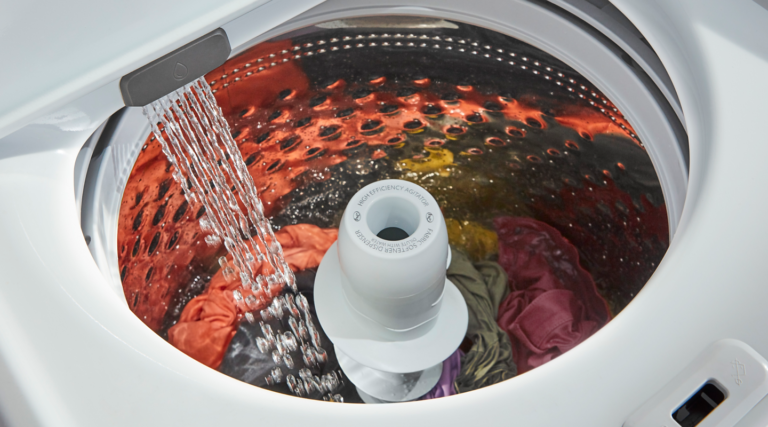
Top load washers use an agitator or impeller to clean clothes. The agitator moves clothes through water and detergent, loosening dirt. Use the correct detergent amount to avoid residue in the machine tub.
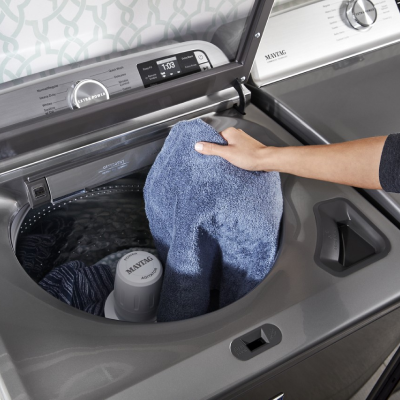
The rinse cycle removes detergent and dirt. Many machines allow extra rinses for sensitive skin or heavy loads. To save water and energy, use the machine’s energy saving mode if available.
Fabric care washing machine settings help protect your clothes. Use gentle agitation and cold water for delicate fabrics and special items.
Removing Stains in Washer
Many top loaders offer stain remover settings or options. Pre-treat stains with a stain remover before washing. For tough stains like grease or wine, soak clothes or add stain remover directly into the detergent dispenser.
Use the manufacturer’s manual to find the best washing cycle for stain removal. Avoid washing stained clothes with delicate fabrics to prevent damage.
⭐ Expert Insight: For stubborn stains, a pre-wash soak using warm water and a mild detergent can improve cleaning results without harming fabric.
Washing Machine Maintenance Tips
Maintaining your top loader helps it last longer and work better. Clean the detergent dispenser and lint filter regularly. Running a cleaning cycle every 1-3 months with vinegar or a washing machine cleaner stops mold and odors.
Check hoses and the drain for clogs. If your machine has a safety lock or machine safety lock feature, use it to keep children safe during operation.
Learn more about maintenance in this helpful guide on how to clean my top loader washing machine.
Top Loader vs Front Loader: A Quick Comparison
Top loaders are easier to load and unload. They often wash faster and allow adding clothes mid-cycle. Front loaders use less water and energy and are gentler on clothes.
Consider your space, water usage, and laundry needs when choosing. For energy efficiency top loader models, modern machines now rival front loaders in saving power.
| Feature | Top Loader | Front Loader |
|---|---|---|
| Loading Ease | Easy, from top | Requires bending |
| Water Usage | Higher | Lower |
| Energy Use | Moderate | Lower |
| Wash Time | Shorter | Longer |
| Fabric Care | Good | Better |
Both types have spin cycle settings to remove water efficiently. The washing machine drain and spin function is essential to prepare clothes for drying.
Washing Machine Safety Tips
Always follow manufacturer manual instructions. Keep the lid closed during operation. Use the machine safety lock if available. Avoid overloading to prevent motor strain.
Never reach into the machine while it is spinning. Unplug the machine before cleaning or maintenance to avoid electric shock.
Here is a checklist for safe use:
✅ Use recommended detergent.
✅ Do not overload.
✅ Balance the load.
✅ Clean filters regularly.
Conclusion
Using a top load washing machine is straightforward when you know the right steps. Sorting laundry, choosing proper detergent, and selecting washing cycle options improve washing results. Balancing loads and maintaining your machine extend its life.
Understanding wash and spin cycles, water levels, and fabric care settings helps protect clothes and save energy. Follow safety tips and keep your machine clean for the best performance.
For more detailed help on restarting your machine after a cycle or error, visit our guide on how to restart a washer machine.
Frequently Asked Questions
What detergent type is best for a top load washing machine?
Use a detergent designed for top loaders or HE (high efficiency) detergent if your machine requires it. Powder or liquid detergents both work well. Avoid using too much detergent to prevent residue buildup.
How do I balance a top load washing machine?
To balance your machine, distribute clothes evenly around the agitator. Avoid overloading or washing just one bulky item. Adjust the load if the washer vibrates or makes noise during the spin cycle.
What washing cycle should I use for delicate fabrics?
Use the gentle or delicate wash cycle with cold water. This setting uses slower agitation and shorter wash times to protect fabric fibers.
How often should I perform washing machine maintenance?
Clean your top loader’s detergent dispenser and lint filter monthly. Run a cleaning cycle with vinegar or a washing machine cleaner every 1-3 months to avoid mold and odors.
Can I wash heavy items like comforters in a top loader?
Yes, but check your machine’s load capacity. Use a large capacity washer and select a bulky or heavy wash cycle. Make sure the load is balanced to avoid damage.

Michael Peterson is a home appliance writer focused on practical washing machine care, maintenance, and troubleshooting. He shares simple, reliable tips to help readers keep their washing machines running efficiently, avoid common problems, and extend appliance life.