Understanding Mold in Front Loading Washers 🚀
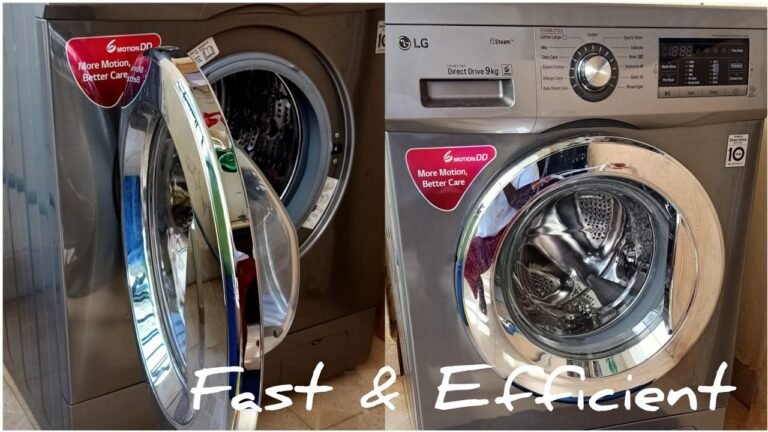
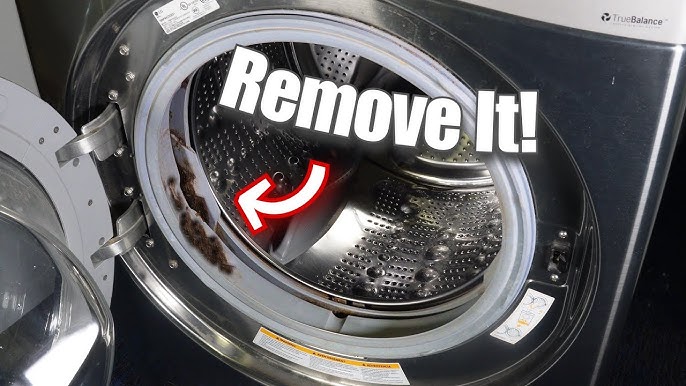
Front loading washing machines are prone to mold growth. This happens because moisture stays trapped in the rubber door gasket. Warm temperatures and detergent residue add to the problem. Mold and mildew can cause bad odors and harm laundry hygiene.
Industry consensus indicates that regular maintenance is key. Front load washers need more care than top loaders to avoid mold and mildew buildup. For a deeper understanding of this mechanic, analyzing resources on front loader washer mold removal provides excellent foundational context.
Cleaning the gasket and controlling moisture are vital to keep your washer fresh and safe.
Steps to Remove Mold from Front Load Washer 📌
Removing mold requires a focused approach. The rubber gasket around the washer door is the main spot for mold and mildew. Start by wiping the gasket with a cloth to remove loose dirt and residue.
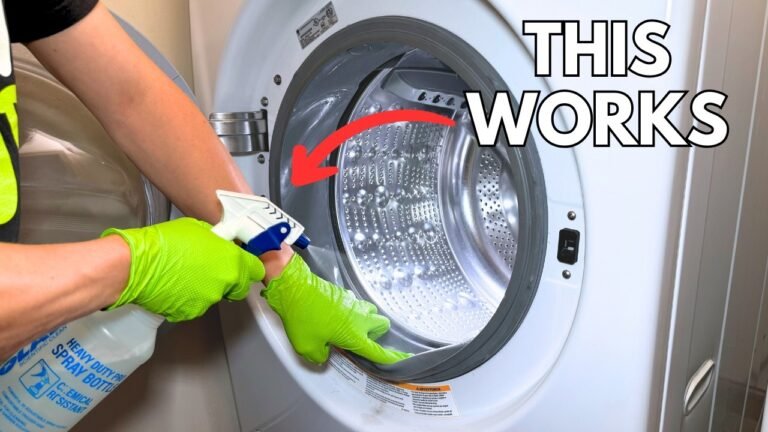
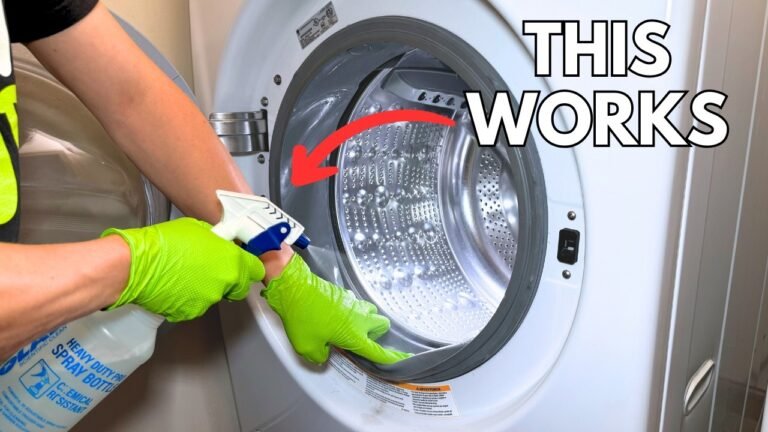
Then prepare a cleaning solution. Natural mold cleaners for washers like white vinegar work well. Mix one part vinegar with one part water. Spray or apply the mixture to the gasket and leave it for 10 minutes.
After soaking, scrub the gasket gently using a soft brush. This helps remove black mold in the washing machine door seal. Rinse with water and dry thoroughly. Drying is crucial to prevent mold from returning.
For stubborn mold, a diluted bleach solution can be used carefully. Use one cup of bleach in a gallon of water. Avoid mixing bleach and vinegar. Rinse the area well after using bleach to protect the machine parts.
Running a washing machine cleaning cycle with hot water and a cup of vinegar or bleach afterwards helps kill mold and mildew inside the drum.
Here is a simple step-by-step guide:
1. Wipe gasket to remove surface dirt.
2. Apply vinegar solution and wait 10 minutes.
3. Scrub rubber door gasket with a soft brush.
4. Rinse and dry gasket thoroughly.
5. Run cleaning cycle with hot water and vinegar or bleach.
Regular cleaning prevents odor in washing machine and keeps mold at bay.
Cleaning the Rubber Door Gasket ⭐
The rubber door gasket traps water and dirt. Mold loves this moist, dark space. Regular cleaning is essential. Use a cloth dipped in vinegar or mild detergent to wipe the gasket weekly.
Ensure you clean inside the folds of the gasket where residue builds up. This residue can be detergent residue or grime that feeds mold growth. Proper cleaning stops contamination and keeps laundry fresh.
Dry the gasket after each wash. Leaving the door open after use improves air circulation and reduces moisture. Fan drying the washer door seal can also help prevent mold buildup.

Using vinegar in washing machine cycles can also reduce detergent buildup in front load washers. This helps reduce the environmental mold growth conditions inside the machine.
Preventing Mold Buildup in Your Washer ✅
Prevention is better than cure. To stop mold from coming back, follow these washing machine maintenance tips:
- ✅ Leave the washer door open after cycles.
- ✅ Wipe the rubber gasket dry.
- ✅ Use the right amount of detergent to avoid residue.
- ✅ Run a monthly washing machine cleaning cycle with vinegar.
- ✅ Control humidity in the laundry area for moisture control.
Preventing mold buildup washer requires more than cleaning. It needs good habits and moisture control. A clean detergent dispenser also helps reduce detergent residue causing mold.
Table below shows key prevention tips and their benefits:
| Prevention Tip | Benefit |
|---|---|
| Leave door open | Improves air circulation, dries gasket |
| Use correct detergent | Reduces residue buildup |
| Monthly cleaning cycle | Kills mold and mildew |
| Dry gasket after use | Prevents moisture retention |
Following these tips supports long-term mold prevention and keeps your laundry hygienic.
Natural vs Bleach Cleaners for Mold 🆚
Natural cleaners like vinegar are safe and eco-friendly. They kill mold and help remove odors. Vinegar can be used regularly without harming the washing machine.
Bleach is stronger and kills mold quickly. However, it can damage rubber parts if overused. Use bleach only when mold is severe and rinse thoroughly.
Experts recommend starting with natural mold cleaners for washers and reserving bleach for tough cases.

The table below compares vinegar and bleach for washer mold cleaning:
| Cleaner | Effectiveness | Safety | Usage Frequency |
|---|---|---|---|
| Vinegar | Good for regular cleaning | Safe on rubber gasket | Monthly or as needed |
| Bleach | Very effective on tough mold | Can damage parts if overused | Occasional for severe mold |
Use cleaning cycles with hot water to boost the effect of either cleaner.
Washing Machine Moisture Control and Airflow 📑
Moisture control is crucial to stop mold. Front loaders trap water in the drum and gasket. Proper airflow dries these areas quickly.
Leaving the door open and wiping dry keeps moisture low. Avoid leaving wet clothes inside for long periods. The laundry room should have good ventilation to reduce humidity.
Sometimes adding a small fan near the washer helps keep air moving. This simple step reduces environmental mold growth conditions significantly.
Controlling temperature and humidity is also important. Mold grows best in warm, damp places. Keeping the laundry area cooler and dry helps prevent mold.
Consider these checklist items for moisture control:
- Leave washer door open after use
- Wipe and dry rubber door gasket
- Use a dehumidifier if needed
- Keep laundry area ventilated
- Run drying cycles if available
Conclusion: Maintain Your Washer for Mold Prevention 💬
Regular cleaning and good habits stop mold in front loading washers. Focus on the rubber gasket and use natural mold cleaners like vinegar often. Use bleach carefully for tough mold. Always dry the gasket and leave the door open to control moisture.
Run monthly washing machine cleaning cycles to kill mold and mildew inside the drum. Keep detergent use balanced to avoid residue buildup. Maintain good airflow and humidity control in the laundry area.
Applying these expert washing machine maintenance tips will keep your washer fresh in 2026 and beyond. For detailed instructions on cleaning the gasket, see our guide on how to clean front loader washing machine rubber seal. Also, learn more about cleaning mold from washers at how to clean mold front loader washing machine.
Frequently Asked Questions
Why does mold grow in front loading washing machines?
Mold grows due to moisture, detergent residue, and poor air flow, especially in the rubber door gasket area.
Can vinegar be used to clean mold in a washing machine?
Yes, vinegar is a natural mold cleaner that helps remove mold and mildew safely when used correctly.
How often should I clean my front load washer to prevent mold?
Cleaning once a month is recommended to prevent mold buildup and keep the washer fresh.
Is bleach safe for cleaning mold in washing machines?
Bleach can kill mold but must be used carefully and in proper amounts to avoid damaging the machine.
What are the best tips to prevent mold in front loading washers?
Drying the door seal, leaving the door open after use, and running regular cleaning cycles help prevent mold.

Keith Boyd Is A Seasoned Appliance Care Expert With Over A Decade Of Experience In Home Appliance Maintenance. His Authoritative Insights On Washing Machine Care And Upkeep Are Trusted By Homeowners Nationwide. With A Passion For Educating Others, Keith Shares Valuable Tips That Ensure Your Appliances Run Smoothly For Years To Come.