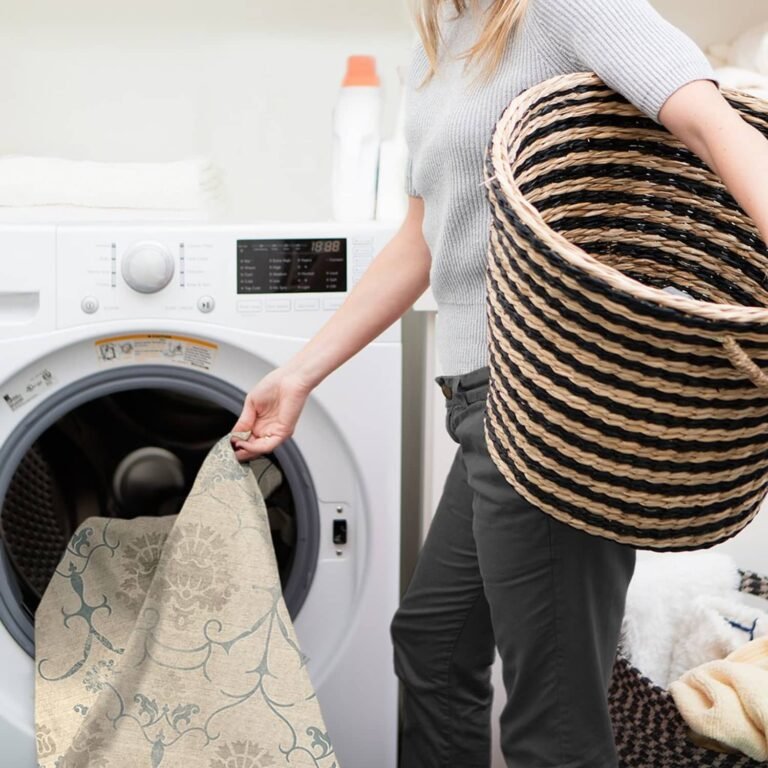
Introduction to Washing Shower Liners 🚿
Keeping your shower liner clean is key to stopping mildew and mold. Washing liners in the washing machine is a fast and easy way to do this. However, care must be taken to avoid damage.
Industry consensus indicates using the right detergent and settings is crucial. For a deeper understanding of this process, analyzing resources on how to clean a shower curtain and liner provides excellent foundational context.
In this guide, we cover the best methods and tips for washing both plastic and fabric shower liners safely.
Why Clean Your Shower Liner Regularly?
Mildew and mold grow easily on damp shower liners. Soap scum also builds up, making the liner look dirty. Regular cleaning stops these problems.
Keeping your liner fresh prevents bad smells and protects bathroom air quality. Cleaning also extends the liner’s life and keeps your shower looking neat.
Experts recommend cleaning every 2 to 4 weeks to prevent stubborn stains and health risks.
Fabric vs Plastic Shower Liners 🆚
Fabric liners are machine washable and often last longer. They can handle gentle agitation and warm water. Plastic or PVC liners need more care.
Plastic liners are less durable. Washing them requires cold water and gentle cycles. Overheating or harsh cycles can warp or damage plastic liners.
Choosing a dryer safe shower liner helps if you want faster drying. However, air drying remains safest for plastic types.
Table: Comparing Fabric and Plastic Liners
| Feature | Fabric Liner | Plastic/PVC Liner |
|---|---|---|
| Washing Machine Safe | Yes, gentle cycle | Yes, cold water gentle cycle |
| Dryer Safe | Usually yes, low heat | Rarely, air dry preferred |
| Mildew Resistance | Less resistant, needs washing | More resistant but can trap mold |
| Durability | High | Lower |
Understanding these differences helps in choosing the best cleaning method.
Preparing Your Shower Liner for Washing
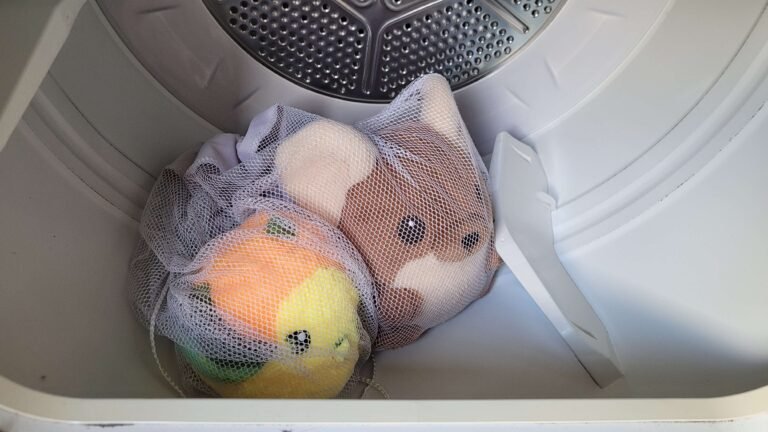
Before washing, remove any hooks or rings. Hooks can damage the liner or washing machine. If hooks are sturdy, place the liner in a laundry bag to protect it.
Check the liner’s care label for washing instructions. Most liners handle a gentle cycle well. Avoid using fabric softener on plastic liners as it can reduce water repellence.
For tough mildew or soap scum, pre-soak the liner in warm water with baking soda or white vinegar. This helps loosen dirt naturally.
Best Washing Machine Settings 🔢
Choose the gentle cycle to prevent damage. Use cold or warm water depending on liner type—cold for plastic, warm for fabric.
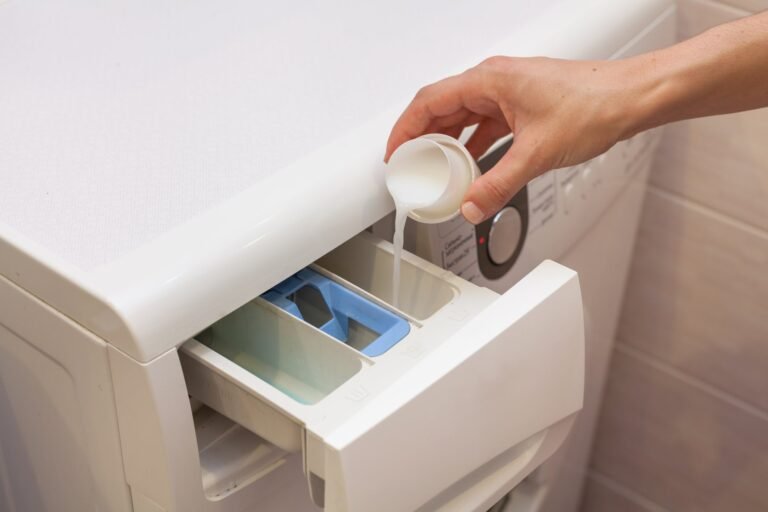
Add a mild laundry detergent designed for delicate fabrics. Avoid bleach unless the liner is white and bleach-safe. Bleach can weaken plastic liners.
Do not overload the machine. Washing liners alone or with a few towels is best. This allows gentle agitation and better cleaning.
Step-by-Step Washing Guide 📌
- Remove hooks and place the liner in a laundry bag if needed.
- Set washing machine to gentle cycle and select cold or warm water.
- Add mild laundry detergent; include half a cup of baking soda for extra cleaning.
- Start the wash cycle and let gentle agitation clean the liner.
- After washing, rinse with white vinegar to remove odors and soap scum.
Following these steps helps clean without damaging your liner.
Drying Your Shower Liner Safely
Drying is critical to prevent mildew growth. Most plastic liners are best air-dried on a drying rack or hung back in the shower with space to dry fully.
Some fabric liners can be tumble dried on low heat. However, air drying is gentler and extends liner life. Avoid direct sunlight as it can fade colors.
Ensure the liner is completely dry before rehanging to prevent new mold growth.

Removing Mildew and Mold Naturally
Baking soda and white vinegar are top natural cleaners. Baking soda scrubs away dirt, while vinegar kills mold spores.
For heavy mildew, soak the liner in a mixture of vinegar and water for 30 minutes before washing. Then wash normally on the gentle cycle.
Regular cleaning and drying prevent mold buildup, keeping your liner fresh and safe.
Table: Natural Cleaning Solutions for Mildew
| Ingredient | Purpose | Usage Tips |
|---|---|---|
| Baking Soda | Scrubs and deodorizes | Add 1/2 cup to wash cycle |
| White Vinegar | Kills mold spores | Use as rinse or soak for 30 mins |
| Lemon Juice | Natural bleach and scent | Apply on stains before washing |
These solutions are safe and eco-friendly for regular liner maintenance.
Tips to Prevent Mold and Soap Scum Growth
Keep your shower liner dry between uses. Pull the liner fully across the shower rod to air dry.
Use a squeegee or towel to remove excess water from the liner after showering. This reduces moisture that leads to mold.
Wash liners regularly and dry promptly. Avoid harsh detergents that can wear down protective coatings.
Extra Advice and Resources
For best results, test cleaning solutions on a small part of your liner first. This avoids surprises or damage.
Learning how to clean your washing machine filter can help maintain a clean cycle for delicate liners. Detailed instructions on how to clean samsung washing machine filter top loader offer useful guidance.
Also, cleaning mold from your washing machine rubber parts prevents cross-contamination. See expert advice on how to clean mold from washing machine rubber.
Maintaining both your liner and washing machine ensures lasting cleanliness.
Table: Quick Maintenance Checklist ✅
| Task | Frequency | Notes |
|---|---|---|
| Wash Shower Liner | Every 2-4 weeks | Use gentle cycle and mild detergent |
| Dry Liner Fully | After every use | Air dry preferred |
| Clean Washing Machine Filter | Monthly | Prevents mold buildup |
| Check for Mildew | Weekly | Soak and clean if found |
Following this checklist keeps your shower and laundry fresh.
Conclusion
Washing your shower liner in a washing machine is an effective way to keep it clean and free from mold. Using gentle cycles, mild laundry detergent, and natural agents like baking soda and vinegar helps protect liners from damage.
Always follow laundering instructions carefully and dry liners fully. This stops mildew growth and extends liner life. Regular maintenance of your washing machine supports cleaner results.
By adopting these expert tips and steps, you will keep your shower liner fresh and your bathroom healthier in 2026 and beyond.
Frequently Asked Questions
Can I wash a PVC shower liner in the washing machine?
Yes, most PVC shower liners can be washed in a washing machine on a gentle cycle using mild detergent and cold water. Avoid harsh agitation to prevent damage.
How do I remove mildew from a shower curtain liner naturally?
Using baking soda and white vinegar in a wash cycle helps remove mildew naturally without harsh chemicals. Soaking the liner before washing can also help.
Is it safe to dry a shower liner in the dryer?
Many shower liners are dryer safe on low heat, but it is safer to air dry on a drying rack to prevent warping or damage. Always check the liner’s care instructions.
How often should I clean my shower liner?
Cleaning your shower liner every 2 to 4 weeks helps prevent mold and soap scum buildup, keeping the liner fresh and extending its life.
Can I wash a shower liner with hooks on?
It’s best to remove hooks before washing to avoid damage to the liner and washing machine. If hooks are sturdy, placing the liner in a laundry bag can help protect both.

Michael Peterson is a home appliance writer focused on practical washing machine care, maintenance, and troubleshooting. He shares simple, reliable tips to help readers keep their washing machines running efficiently, avoid common problems, and extend appliance life.