Why Mold Grows in Front-Loading Washing Machines
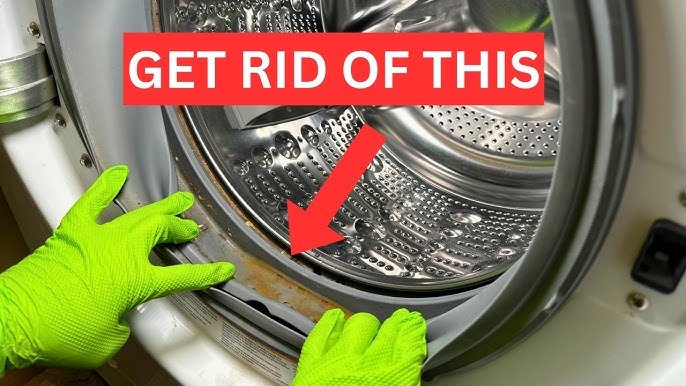
In our experience, front-loading washing machines trap more water than top loaders. The rubber gasket seal around the door holds moisture and soap residue. This creates a perfect place for mold and mildew to grow. Also, detergent dispensers can get clogged and wet, causing mold buildup. The smell often starts as a mildew odor that gets worse over time.
We found that poor air flow is a big factor. When the door stays closed after washing, moisture stays inside. This keeps mold alive and makes the black mold on the door seal worse. That is why cleaning mold from washing machine gasket seals and detergent dispensers is key.
We always recommend learning how to clean washing machine with vinegar to get rid of mold naturally and keep your machine fresh.
Tools and Cleaning Solutions You Need
To remove mold from your front loader, gather cleaning agents like white vinegar, baking soda, or a mild bleach solution. Vinegar is our top choice because it kills mold and is safe on the gasket. You can also find special front loader mold cleaners at stores.
Besides cleaning agents, you will need a soft cloth or sponge, an old toothbrush for scrubbing the gasket and detergent drawer, and rubber gloves to protect your hands from chemicals. A spray bottle helps apply solutions evenly.
We like using a mix of vinegar and water as a DIY washing machine mold cleaning solution. It works well for the gasket and dispenser without damaging parts.
Step-by-Step Mold Removal Process
Here is how we deep clean front load washer mold from start to finish. Follow these steps carefully to get rid of mold and the smell.
- Open the door and inspect the gasket seal for black mold buildup. Pull back the rubber seal to check hidden spots.
- Spray the vinegar solution on the gasket and let it sit for 10 minutes to kill mold spores.
- Use the toothbrush to scrub the gasket, focusing on moldy areas and folds.
- Remove the detergent dispenser drawer and soak it in warm vinegar water for 15 minutes. Scrub away any residue.
- Wipe inside the detergent compartment with the vinegar mix.
- Run a hot water cleaning cycle with 2 cups of vinegar inside the drum. This helps sanitize and remove mold inside the washer tub.
- After the cycle, leave the door open to air dry the drum and gasket completely.
We repeat this process monthly to prevent mold buildup. It keeps the washer fresh and odor-free.
For more tips on how to clean mold from front load washers safely, check out this detailed washing machine mold cleaning guide.
Washing Machine Mold Prevention Tips
Preventing mold is easier than removing it. We have found these mold prevention tips very helpful:
- ✅ Always leave the washer door and detergent drawer open after each use to let air circulate and dry the inside.
- ✅ Use less detergent to avoid buildup in the drum and dispenser.
- ✅ Run a monthly hot water cycle with vinegar or a cleaning agent to sanitize the drum.
- ✅ Clean and dry the gasket seal regularly to stop mold buildup.
- ✅ Remove wet clothes as soon as the cycle ends to prevent moisture buildup.
- ✅ Consider using anti-mold sprays designed for washing machines on rubber seals.
These steps reduce mildew smell and keep your washer working well. Proper water drainage and regular cleaning cycles also help avoid mold growth.
Cleaning Cycle Options for Mold Control
Many front-loading washers now have special cleaning cycles for mold and bacteria. These cycles use very hot water and extra rinses to deep clean the drum and pipes. We always use the washing machine cleaning cycle options monthly for freshening and mold control.
Some machines also have a dryer function that helps dry the drum after washing. Using this can reduce moisture and mold risk. If your washer lacks these cycles, a manual hot water cycle with vinegar works well instead.
Running these cleaning cycles regularly is a key part of washing machine maintenance mold control. It helps eliminate washing machine mold and bacteria before they build up.
How to Sanitize Washing Machines
Sanitizing your washing machine kills germs and mold spores. We found that vinegar solution is a safe sanitizer for front loaders. Fill a spray bottle with equal parts white vinegar and water. Spray inside the drum, gasket, and detergent drawer. Let it sit for 10 minutes, then wipe clean.
For a stronger clean, use a bleach solution sparingly. Mix 1/4 cup bleach with a gallon of water and wipe the gasket carefully. Avoid using bleach often as it can damage seals. Always run a rinse cycle after bleach cleaning.
Sanitizing combined with good drying stops mold from returning. It is a great step in washing machine freshening and mold control.

Cleaning Frequency and Maintenance
In our experience, cleaning your washer once a month is the best routine. This includes wiping the gasket, cleaning the detergent dispenser, and running a hot water cleaning cycle. More frequent cleaning may be needed if you live in a humid area or use your washer often.
Regular maintenance also means checking water drainage and seals. Fix any leaks or clogs quickly to stop mold growth. Keeping the door open after use is the easiest way to prevent mold buildup.
Consistency is key. When we stick to a cleaning schedule, we rarely face front loader washer mold and odor problems.
Comparison of Common Cleaning Methods
We tested different cleaners for front loader mold and found some pros and cons. Here is a quick look at the options:
| Cleaning Method | Effectiveness | Safety | Cost |
|---|---|---|---|
| Vinegar Solution | High for mold removal and odor | Safe on seals and environment | Low cost |
| Bleach Solution | Very high but harsh | Can damage seals if overused | Low cost |
| Special Mold Cleaner | Effective but varies by brand | Check for chemicals | Medium to high |
| Baking Soda Paste | Moderate, helps odor | Safe and natural | Low cost |
We lean towards vinegar for regular cleaning. It balances safety, cost, and performance well. Bleach is a backup for tough mold but not for frequent use.
Cleaning Washing Machine Detergent Dispenser
Detergent dispensers often hide mold and residue. We remove the drawer and soak it in warm water with vinegar for 15 minutes. Then, we scrub all corners with a toothbrush. Wiping inside the dispenser slot with a cloth dipped in vinegar helps remove mold from inside the machine.
Cleaning the dispenser regularly stops soap buildup and mold growth. It also improves detergent flow, so clothes get cleaner. This small step helps keep your washing machine mold free and smelling fresh.
Deep Cleaning the Washing Machine Drum
The drum can also hold mold and mildew. Running a deep clean cycle with hot water and vinegar is best. Pour 2 cups of vinegar into the drum and start the hottest cleaning cycle. This kills mold and freshens the drum.
If your machine lacks a cleaning cycle option, use the hottest water setting and add vinegar manually. Repeat every month to keep mold at bay. We also dry the drum well after cleaning to avoid moisture buildup.
Final Tips and Best Practices
To sum up, mold in front loaders happens mainly due to moisture and poor air flow. Regular cleaning of the gasket, drum, and detergent dispenser is key. Use vinegar as a natural mold remover and sanitizer.
Leave the door open after washing and run monthly hot water cleaning cycles. Avoid excess detergent and remove clothes promptly. These small habits make a big difference.
With these tips, you can enjoy a fresh, mold-free washing machine all year round. For a community’s real experiences and solutions on front loader mold, visit the front loader washer mold discussion on Reddit.
Frequently Asked Questions
What causes mold in front-loading washing machines?
Mold in front-loading washers usually grows because of moisture trapped in the door seal and detergent dispenser. Poor air flow and leftover detergent also help mold grow.
How often should I clean my washing machine to prevent mold?
Cleaning your washing machine once a month is best to stop mold buildup. Running a hot water cleaning cycle and wiping seals help keep it fresh.
Can vinegar remove black mold from a washing machine door seal?
Yes, a vinegar solution is effective for removing black mold from the door gasket. Vinegar kills mold spores and helps stop the smell.
Is bleach safe to use on front loader washing machines for mold?
Bleach can work but should be used carefully. It may damage rubber seals if used too often. Vinegar or special cleaners are safer choices.
How do I keep my front loader washing machine smelling fresh?
Keep the door open after use to dry out the drum. Clean the detergent dispenser and gasket regularly and run monthly cleaning cycles to stop mildew smell.

Michael Peterson is a home appliance writer focused on practical washing machine care, maintenance, and troubleshooting. He shares simple, reliable tips to help readers keep their washing machines running efficiently, avoid common problems, and extend appliance life.