Introduction to Washing Slippers Safely
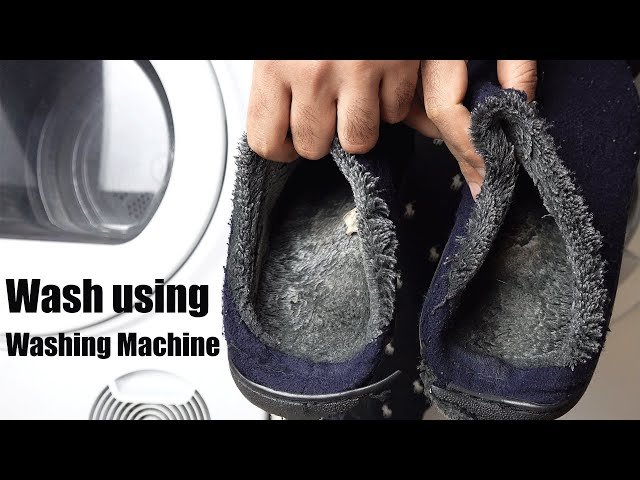
Many people wonder if washing slippers in the machine is safe. Slippers come in many types like fabric, foam, rubber, and fuzzy styles. Each needs different care to avoid damage. Proper cleaning keeps slippers fresh and hygienic.
Industry consensus indicates that choosing the right washing method and machine settings is key. For example, using gentle cycles and cold water helps protect slipper materials. For a deeper understanding of this mechanic, analyzing resources on washing slippers in the machine without damage provides excellent foundational context.
Which Slippers Are Machine Washable?
Machine washable slippers are usually made of soft fabric like cotton or polyester. These slippers hold up well on gentle cycles. Fuzzy slippers with synthetic fibers often do fine if washed carefully. Foam slippers and slippers with glued parts may fall apart or lose shape in the machine.
Rubber slippers with solid soles can sometimes be machine washed but need special care to avoid damage. Velcro slippers require closing fasteners before washing to prevent snagging. Checking the slipper care instructions is vital before machine washing.
Washing slippers fabric types vary widely, so knowing the material helps select the right cleaning process.
Washing Machine Settings for Slippers
Use the gentle or delicate cycle on your washing machine for slippers. Cold water protects colors and fabrics from shrinking. Avoid hot water as it can damage foam and rubber materials. Select a slow spin to reduce wear.
Adding a mild detergent made for delicates is best. Avoid bleach or harsh chemicals that can weaken fibers. Washing slippers with soles benefits from placing them inside a mesh laundry bag to reduce friction inside the drum.
Proper machine settings and detergent choice are key laundry tips for slippers to prevent damage.
Hand Wash vs Machine Wash Slippers
Hand washing is gentler and allows more control over the cleaning process. It suits delicate or foam slippers that risk damage in machines. Use a soft brush and mild soap, then rinse with cool water. Hand washing lets you avoid rough agitation and heat.
Machine washing is more convenient and works well for sturdy fabric slippers. Using the right cycle and detergent keeps slippers clean without ruining them. Hand wash vs machine wash slippers depends on slipper materials and wear level.
For delicate slippers, hand washing is safer. For machine washable slippers, careful machine cleaning is fine.
Drying Slippers After Washing
Drying slippers properly is as important as washing. Avoid dryers because heat can warp foam and rubber soles. Instead, air dry slippers by placing them on a flat surface away from direct sunlight.
For faster drying, stuff slippers with dry towels or paper to absorb moisture. Flip slippers occasionally for even drying. Washing fuzzy slippers requires gentle drying to keep softness intact.
Drying slippers with care prevents shrinking and damage from heat.
Removing Odor from Slippers
Odor in slippers is common from sweat and bacteria. Washing helps, but some slippers need extra care. Adding baking soda to the wash or sprinkling it inside slippers before washing can reduce smell. Using detergents with odor-fighting ingredients helps too.
:max_bytes(150000):strip_icc()/how-to-clean-slippers-4779944-03-431b10052596402198dc73cd6b3178b5.jpg "Wash Shoes In Can You Wash Slippers In A Washing Machine Mop Slippers Slippers In The Washing Machine Clean Can You Put (Figure)")
Slipper hygiene tips include airing slippers regularly and washing every few weeks. This keeps slippers fresh and limits bacteria growth.
Regular cleaning frequency is key to odor removal and slipper health.
Washing Tips for Specific Slipper Types
Foam slippers should be hand washed or cleaned with a damp cloth. Machine washing may cause foam to break down. Use mild detergent and cold water.
Rubber slippers can be washed in the machine on gentle cycle but avoid hot water. Scrubbing with a brush and mild soap also works well.
Velcro slippers must have fasteners closed before washing. This stops Velcro from catching on other clothes or slipper fabric.
Knowing how to wash slippers fabric types and styles protects them during cleaning.
How Often Should You Wash Slippers?
Washing slippers every 1 to 2 months is a good rule. More frequent washing might wear slippers out faster. Less frequent cleaning can lead to odor and bacteria build-up.
Slipper hygiene tips suggest airing slippers daily and spot cleaning spills or stains. Deep cleaning on a regular schedule keeps slippers safe and fresh.
Cleaning frequency varies by slipper use, material, and personal hygiene needs.
Potential Damage from Washing Machine
Washing machines can harm slippers if settings or washing method are wrong. Foam slippers may lose shape. Velcro can snag or tear fabric. Hot water can shrink or warp materials.
Damage prevention includes using gentle cycles, cold water, mild detergents, and laundry bags. Always check slipper washing instructions to avoid ruining them.
Understanding washing slippers safely reduces risk and extends slipper life.
Best Detergents for Slippers
Use mild detergents designed for delicates or hand washing. These detergents clean well without harsh chemicals. Avoid bleach or strong stain removers that can weaken fabrics or foam.
Detergents with odor control help remove slipper smells. For fabric slippers, liquid detergents dissolve better and clean gently.
Choosing the right detergent improves cleaning results and protects slipper materials.
Slipper Care in 2026: Modern Tips
In 2026, smart washing machines offer custom cycles for slippers and delicate items. These cycles use lower spin speeds and water temperatures tailored for slipper fabrics.
New detergents include enzymes that break down odors and dirt without harsh chemicals. Eco-friendly and skin-safe formulas are popular for slipper care.
Advances in laundry tech make washing slippers at home safer and easier.
Conclusion: Washing Slippers Safely and Effectively
Washing slippers in the machine is possible with care. Know your slipper fabric type and check care instructions. Use gentle machine settings, cold water, and mild detergent. Hand washing remains best for foam and delicate slippers.
Dry slippers naturally and avoid dryers to prevent damage. Regular washing every 1-2 months keeps slippers clean and odor-free. Velcro slippers need closed fasteners, and rubber slippers require gentle washing.
Following these slipper care instructions keeps your slippers fresh and lasts longer. For detailed laundry tips, exploring advice on machine washing rugs also offers useful insights on caring for soft household items.
Overall, smart washing practices in 2026 combine technology with simple care to maintain slipper hygiene safely.
🚀 Beginner Tip: Always use a mesh laundry bag for slippers in the washing machine to reduce wear and protect your machine.
:max_bytes(150000):strip_icc()/how-to-clean-slippers-4779944-03-3d9b60c3f76d4cd8beb1398516e265c7.jpg "How to Wash and Care for Slippers (Figure)")
| Material | Machine Wash? | Recommended Method | Drying Method |
|---|---|---|---|
| Fabric (Cotton, Polyester) | Yes, gentle cycle | Machine wash cold water | Air dry flat |
| Foam | No | Hand wash with mild soap | Air dry, avoid heat |
| Rubber Soles | Yes, gentle cycle | Machine or hand wash | Air dry, no dryer |
| Fuzzy Synthetic | Yes, gentle cycle | Machine wash cold | Air dry, avoid sun |
| Velcro Fasteners | Yes, fasteners closed | Machine wash cold | Air dry flat |
Cleaning slippers depends on their fabric and build. The table above helps decide how to wash and dry each type safely.
Regular care and correct washing machine settings prevent slipper damage and keep them fresh longer.
✅ Checklist for Machine Washing Slippers:
- ✅ Check slipper material and care tag
- ✅ Close Velcro fasteners
- ✅ Use gentle or delicate cycle
- ✅ Wash in cold water
- ✅ Use mild detergent
- ✅ Place slippers in a mesh laundry bag
- ✅ Air dry slippers flat
Following this checklist protects slippers and your washing machine.
💬 Expert Insight: “Choosing the right washing machine cycle and detergent is crucial for slipper care. Cold water and gentle cycles extend slipper life,” says a laundry care specialist.
In 2026, technology and knowledge help keep slippers clean and comfortable. Proper care extends slipper hygiene and lifespan.
| Setting | Recommended Option | Reason |
|---|---|---|
| Water Temperature | Cold | Prevents shrinking and damage |
| Cycle Type | Gentle/Delicate | Reduces wear and tear |
| Spin Speed | Low | Protects slipper shape |
| Detergent Type | Mild/Liquid | Gentle cleaning without harsh chemicals |
Using these washing machine settings ensures slippers are cleaned with care and safety.
Remember, washing slippers without ruining them is a balance of right methods and materials.
For those interested, learning about cleaning washing machine filters can also help maintain your machine’s health during frequent washes.
| Pros | Cons |
|---|---|
| Easy and fast cleaning | Risk of damage to delicate slippers |
| Effective odor removal | Can deform foam or glued parts |
| Uses less effort than hand washing | Velcro may snag other items |
| Modern machines have gentle cycles | Not all detergents are safe |
Analyze your slippers and washing machine features before deciding the best cleaning method.
With the right care, you can enjoy clean, fresh slippers without damage in 2026 and beyond.
Frequently Asked Questions
Can all slippers be washed in a washing machine?
Not all slippers are safe for machine washing. Fabric slippers are usually fine, but foam, rubber, or slippers with glued parts may get damaged.
What is the best washing machine setting for slippers?
Use a gentle or delicate cycle with cold water to protect the slippers and reduce damage risk.
How often should slippers be washed?
Washing slippers every 1-2 months helps keep them clean and fresh while preventing wear from too-frequent washing.
Is hand washing better than machine washing slippers?
Hand washing is gentler and can prevent damage, especially for delicate or foam slippers, but machine washing is fine for sturdy, fabric slippers.
How do I dry slippers after washing?
Air drying slippers on a flat surface is best. Avoid dryers as heat can warp or shrink slippers.

Michael Peterson is a home appliance writer focused on practical washing machine care, maintenance, and troubleshooting. He shares simple, reliable tips to help readers keep their washing machines running efficiently, avoid common problems, and extend appliance life.