Introduction to Machine Dyeing Clothes
Dyeing clothes at home using a washing machine is a popular and effective way to refresh your wardrobe. This method works well for many fabric types. It uses the machine’s motion to spread dye evenly. Before starting, it is important to understand the fabric dyeing machine process and how to prepare your clothes for the best results. For deeper context on using a washer for dyeing, exploring resources on how to dye using the washing machine is highly recommended.
Machine dyeing fabric tips include choosing the right dye type, setting the correct water temperature, and using a dye fixative to keep colors bright. This guide covers all steps to safely and successfully dye clothes in your washing machine.
Fabric Preparation for Dyeing
Before dyeing, clean your fabric thoroughly. Remove any dirt or oils by washing without fabric softener. Pre-soaking the fabric in warm water helps the dye absorb evenly. It also reduces the chance of uneven color patches. Avoid using bleach or harsh detergents that may weaken the fabric fibers.
Identify the fabric type. Natural fibers like cotton and linen absorb fiber reactive dyes best. Synthetic fibers such as polyester need special disperse dyes. Testing a small fabric patch first can show how well the dye will work on your cloth. This dye patch test is a key step to avoid surprises.
After preparing your fabric, choose the right washing machine settings for dye. Use warm water temperature, usually between 30°C and 40°C (86°F to 104°F), as it helps the dye bond without damaging the fabric.
Choosing Dye Types: Natural vs Synthetic
There are two main dye types: natural and synthetic. Natural dyes come from plants and minerals. They are eco-friendly but may offer less colorfastness after dyeing. Synthetic dyes, like fiber reactive dyes or disperse dyes, offer brighter colors and longer-lasting results.
Fiber reactive dyes are the best for cotton fabric dyeing. They attach strongly to cellulose fibers. Synthetic fabric dyeing requires disperse dyes, which work best on materials like polyester and nylon. Using the correct dye type improves color retention and reduces color bleeding during washing.
Use a fabric mordant when dyeing with natural dyes. Mordants help fix the color to the fabric. This step is less needed with modern synthetic dyes.
Washing Machine Dyeing Technique
Start by filling your washing machine with enough water to cover the fabric. Add the dye powder or liquid carefully and stir the water with your hand or a stick to dissolve it well. Place the fabric in the tub evenly. Avoid overloading the machine as the fabric needs room to move freely for even dyeing.
Use the machine agitator to help spread the dye. Set the cycle to a gentle or normal wash with a warm temperature. Avoid using spin cycles during dyeing since it can cause uneven color or fabric damage. After the dye bath, run a rinse cycle with cold water to remove excess dye.
Adding a wash dye fixative during or after dyeing improves colorfastness. Fixatives bind any loose dye molecules, reducing color bleeding in future washes.
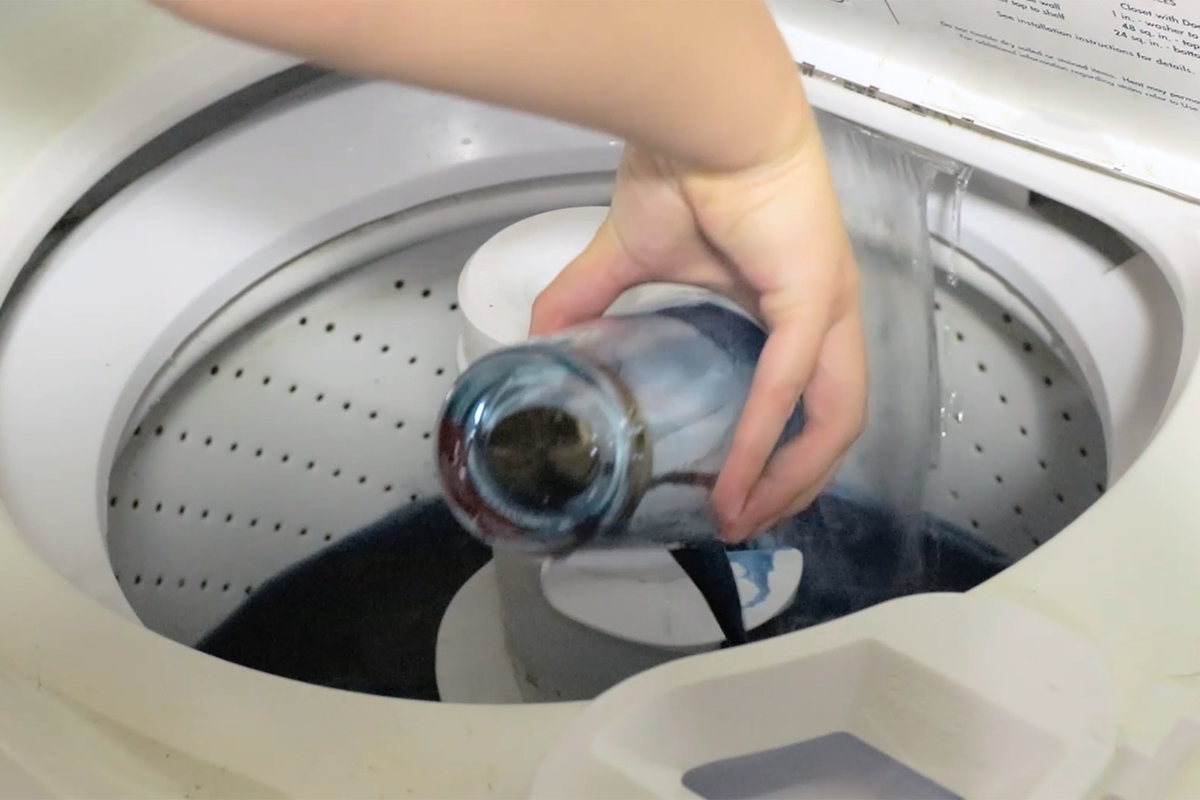
Remember, detergents may affect the dye. Use mild, dye-safe detergents when washing dyed clothes to maintain color saturation.
Post-Dye Washing Tips and Care
After dyeing, rinse the fabric thoroughly in cold water until the rinse water runs clear. This removes excess dye and helps prevent staining. Avoid mixing dyed fabrics with other laundry for the first few washes to stop color transfer.
Dry the fabric away from direct sunlight to reduce fading. Follow the dye care instructions printed on the dye package or fabric label. Gentle washing and avoiding bleach will keep colors bright longer.
To prevent dye staining your washing machine tub, clean the machine after dyeing by running an empty hot water cycle with washing machine cleaner or vinegar. This maintains your machine’s health and keeps it ready for regular laundry.
Temperature and Washing Machine Settings for Dyeing Clothes
Temperature control is crucial for successful dyeing. Warm water helps dyes bond with fabric fibers. However, too hot water can damage delicate fabrics or cause dye to fade. Most dyes recommend water between 30°C and 40°C. Adjust your washing machine settings accordingly.
Choose a wash cycle with low to medium agitation to spread dye without stressing the fabric. Avoid fast or heavy spin cycles during dyeing to keep color even. Rinse cycles should use cool water to lock in color.
If your washing machine has a soak or pre-wash option, use it to improve dye absorption. These settings allow fabric to rest in the dye bath longer.
Dye Staining Prevention Strategies
To prevent dye stains on your skin or other clothes, wear gloves and old clothes when dyeing. Cover surfaces to catch spills. Always wash your hands right after handling dye.
When dyeing in a washing machine, run a test cycle with a small fabric piece first. This helps check for staining risks. Clean the machine immediately if dye spills or splashes.
Use a color catcher sheet in the wash to trap loose dye particles. This prevents unwanted color transfer to other fabrics.
Expert Tips for Machine Dyeing Fabric
• Always read dye instructions carefully before starting. Different dyes have unique requirements.
• Use a dedicated washing machine for dyeing if possible. It avoids dye residue on clothes.
• Use the recommended amount of dye for your fabric weight to avoid patchy colors.
• Pre-soak fabrics for even dye absorption.
• Test colors on a small fabric piece before full dyeing.
• Use a wash dye fixative to improve colorfastness.
• Rinse thoroughly with cold water after dyeing.
• Follow dye care instructions for long-lasting results.
Following these tips helps achieve professional-looking results and protects your washing machine.
Conclusion
Dyeing clothes using a washing machine is a practical way to refresh fabric colors at home. By preparing your fabric, selecting the right dye, and using proper machine settings, you can get vibrant, lasting colors safely and easily. Remember to protect your skin, prevent dye stains, and care for your dyed clothes with gentle washing. Using a wash dye fixative and proper rinsing ensures good color retention over time.
For those interested in cleaning and maintaining their washing machine after dyeing, learning how to clean clogged washing machine drain pipe can be very helpful. It keeps your machine running well after the dyeing process.
By following this guide, you can enjoy the art and fun of dyeing clothes at home with confidence in 2026 and beyond.
| Dye Type | Best Fabric | Colorfastness | Usage Notes |
|---|---|---|---|
| Fiber Reactive | Cotton, Linen | High | Use warm water, fixative recommended |
| Disperse | Polyester, Nylon | Medium to High | Requires higher heat, machine settings adjusted |
| Natural | Wool, Silk, Cotton | Low to Medium | Needs mordant, less colorfast |
When dyeing at home, knowing your fabric and dye type is key. This table helps choose the best match for your project.
Proper washing machine settings also play a big role in dye success. Setting the right temperature and agitation level ensures even color. Avoid harsh spin cycles during the dye process.
| Setting | Recommended Value | Reason |
|---|---|---|
| Water Temperature | 30-40°C (86-104°F) | Good dye absorption, fabric safe |
| Wash Cycle | Gentle or Normal | Even dye spread without damage |
| Spin Cycle | Off or Low | Prevents uneven dye and fabric stress |
| Rinse Temperature | Cold | Locks in color, reduces bleeding |
Adjusting these settings based on your fabric type helps you get the best color results using your washing machine.
Cleaning your machine after dyeing keeps it ready for regular use. Dye residue can build up if ignored.
| Step | Action | Purpose |
|---|---|---|
| Rinse Fabric | Rinse in cold water until clear | Remove excess dye, prevent staining |
| Machine Cleaning | Run empty hot water cycle with cleaner | Remove dye residue from tub |
| Drying | Air dry away from direct sun | Prevent fading |
| First Wash | Wash dyed fabric separately | Prevent color transfer |
Frequently Asked Questions
Can I use any washing machine to dye clothes?
Most top-loading washing machines work well for dyeing clothes, especially those with a strong agitator. Front loaders can also be used but may require different settings. Always check your machine’s capacity and settings before starting.
What type of dye is best for cotton fabric?
Fiber reactive dyes are best for cotton as they bond well with natural fibers, giving bright and lasting colors with good colorfastness after dyeing.
How do I prevent color bleeding after dyeing?
Using a wash dye fixative and following post-dye washing tips such as cold rinses and gentle detergents can help prevent color bleeding and keep colors vibrant.
Is it safe to dye clothes in a washing machine at home?
Yes, with proper fabric preparation, temperature control, and following dye care instructions, washing machine dyeing is a safe and effective cloth dyeing process.
Can synthetic fabrics be dyed in a washing machine?
Yes, but synthetic fabric dyeing requires dyes made specifically for synthetic fibers, such as disperse dyes. Machine settings and temperature must be adjusted carefully for good results.

Keith Boyd Is A Seasoned Appliance Care Expert With Over A Decade Of Experience In Home Appliance Maintenance. His Authoritative Insights On Washing Machine Care And Upkeep Are Trusted By Homeowners Nationwide. With A Passion For Educating Others, Keith Shares Valuable Tips That Ensure Your Appliances Run Smoothly For Years To Come.