Introduction to Washing Machine Spin Cycle Issues
When a washing machine won’t spin, it can be a real hassle. This problem stops clothes from drying properly and extends washing times. Many causes exist, from simple unbalanced loads to motor issues. Knowing how to troubleshoot can save time and money. For more on weight concerns, see our guide on how heavy is a washer machine.
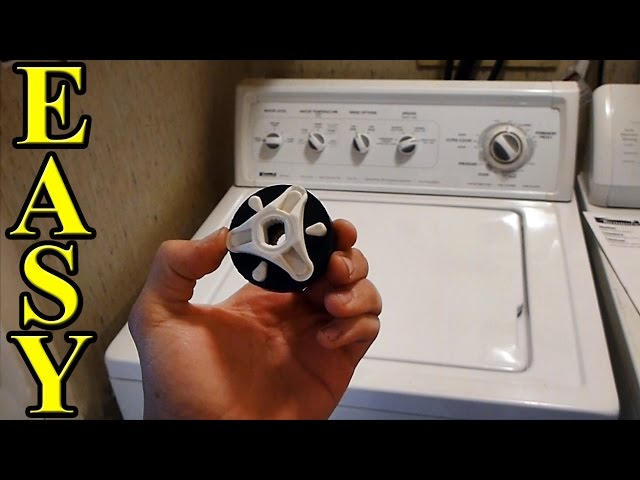
Understanding the main parts like the motor coupling, drive belt, and lid lock mechanism helps. You can then spot issues faster and decide if you can fix it yourself or need a pro. This article covers key causes and fixes for common washing machine faults in 2026.
Common Causes of Washing Machine Not Spinning
The spin cycle may fail due to several faults. One top reason is an unbalanced washing machine load. When clothes bunch up on one side, the drum can’t spin correctly. Most modern washers have sensors to detect this and stop spinning to avoid damage.
Other causes include a faulty washing machine motor or problems with the washing machine belt replacement. The drive belt connects the motor and drum. If it breaks or slips, the drum won’t turn. Also, a clogged washing machine pump can stop water drainage, which blocks spin cycle start.
Electrical problems like washing machine lid switch or door switch failures are also common. These switches tell the washer the door is closed. If they fail, the machine won’t spin for safety.
Diagnosing Washing Machine Spin Problems
Start by checking the load balance. Redistribute clothes evenly for a balanced load. If the washer still won’t spin, listen to whether the motor runs. If the motor sounds weak or does not run, motor coupling or motor capacitor might be faulty.
Use washing machine diagnostic tools or check for error codes on the control board. Codes like error code E23 often point to drain pump problems. This means the washing machine won’t drain, so it can’t spin. Cleaning the pump impeller or replacing the pump may help.
Inspect the washing machine belt. Look for cracks or looseness. Replacing the belt is a common DIY fix that restores spinning. Also, test the lid lock mechanism and door switch with a multimeter for electrical faults.
| Problem | Cause | Fix |
|---|---|---|
| Drum Not Spinning | Drive belt broken or loose | Replace or tighten belt |
| Washer Won’t Drain | Clogged pump or hose | Clean pump and drain hose |
| Spin Cycle Stops | Unbalanced load sensor active | Redistribute clothes evenly |
| Machine Won’t Start Spin | Lid switch or door switch faulty | Replace the switch |
For a deeper understanding of these mechanics, analyzing resources on washing machine spin issues provides excellent foundational context.
Step-by-Step Guide to Fix Washing Machine Not Spinning
Follow these steps to find and fix spin cycle problems:
- Check the load balance. Make sure clothes are spread evenly.
- Inspect the lid switch or door switch. Replace if broken.
- Clear the drain pump and hose of clogs.
- Test the drive belt for wear and replace if needed.
- Listen for motor sounds; replace motor coupling or capacitor if faulty.
- Reset the control board if error codes appear.
Always unplug the machine before repairs for safety. Use simple tools like screwdrivers and multimeters for checks. If unsure, call a professional to avoid damage.
Here is a simple checklist for easy troubleshooting:
- ✅ ✅ Load balanced correctly
- ✅ ✅ Lid or door switch working
- ✅ ✅ Drain pump clear
- ✅ ✅ Drive belt intact
- ✅ ✅ Motor running smoothly
Washing Machine Maintenance Tips to Avoid Spin Cycle Problems
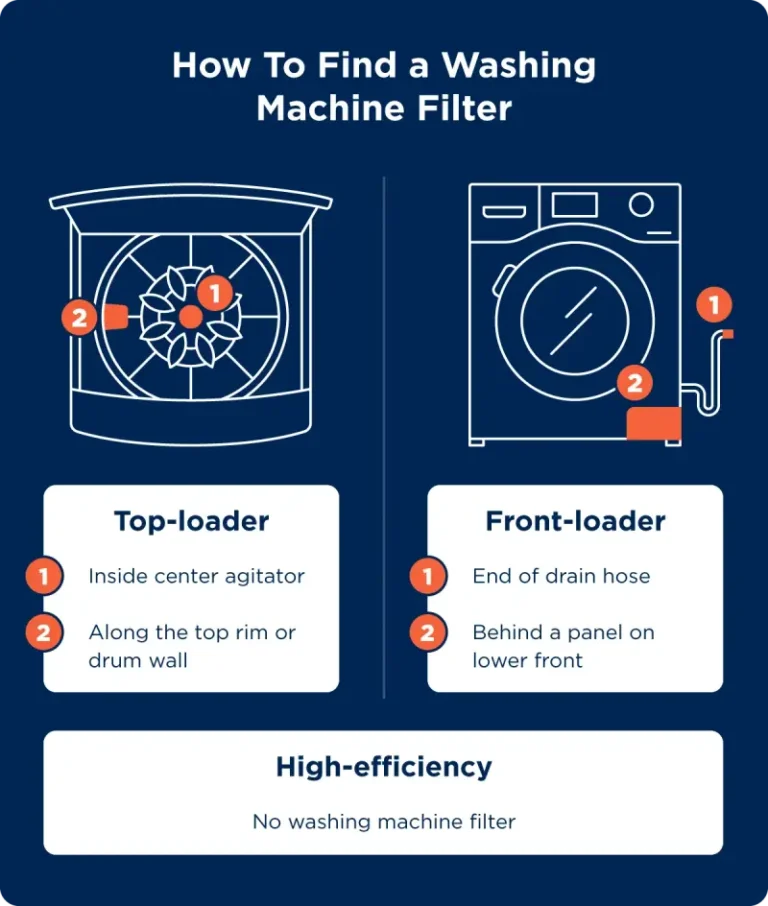
Regular washing machine maintenance can prevent many faults. Clean the drain pump and filters every few months to avoid clogs. Check the drive belt for wear and replace it before it breaks. Also, keep the lid lock mechanism clean and free of debris.
Use the right detergent and avoid overloading. Overloading causes unbalanced loads and stress on the motor and transmission gearbox. Follow the washing machine maintenance guide for your model to keep it running well.
| Maintenance Task | Frequency | Benefit |
|---|---|---|
| Clean pump and filter | Every 3 months | Prevents clogs and drainage issues |
| Check and replace drive belt | Annually | Ensures proper drum spinning |
| Inspect lid switch | Every 6 months | Maintains safety and spin function |
| Balance washing machine load | Every wash | Prevents unbalanced load sensor triggers |
For advice on balancing your washing machine to avoid spin problems, see our tutorial on how to balance washing machine.
Repair Costs and When to Call Professionals
Small fixes like replacing a belt or cleaning a pump usually cost less than $100 in parts. Labor costs vary but stay moderate for simple repairs. Motor or transmission gearbox problems are more complex and costly. They may run into several hundred dollars.
If you are not confident in electrical repairs or complex disassembly, calling a professional is best. They have the tools and experience for safe, lasting repairs. Also, some machines have sensor malfunctions or control board errors that need expert diagnosis.
| Repair Type | Estimated Cost | DIY Possible? |
|---|---|---|
| Drive belt replacement | $30 – $80 | Yes |
| Drain pump cleaning/replacement | $50 – $150 | Yes |
| Lid switch repair | $40 – $100 | Yes |
| Motor or transmission repair | $200 – $500+ | No, call pro |
Remember, regular upkeep reduces repair frequency and cost. A well-maintained washing machine lasts longer and spins reliably.
Conclusion
Washing machines that won’t spin often have fixable causes. Simple issues like unbalanced washing machine loads, clogged drain pumps, or broken belts are common. Checking the lid switch and motor also helps. Using washing machine troubleshooting tips can guide you through repairs safely.
Keep your washer in top shape with regular maintenance. This prevents many common faults and saves money on repairs. If problems persist, professional help is wise. Remember, knowing the parts and their function helps you fix issues fast.
For cleaning and care tips that keep your machine working well, explore how to clean a washing machine with vinegar and other guides for 2026. These steps ensure your machine spins smoothly and your laundry stays fresh.
For further insights on cleaning filters, see our advice on how to clean filter on electrolux washing machine.
Frequently Asked Questions
Why is my washing machine not spinning?
Common causes include unbalanced loads, lid switch failure, clogged drain pump, motor issues, or drive belt problems.
How can I check if the washing machine motor is working?
You can listen for motor sounds during the spin cycle or use washing machine diagnostic tools to detect motor faults.
What does error code E23 mean on a washing machine?
Error code E23 usually signals a drain pump blockage or failure, preventing the washer from spinning.
Is it expensive to repair a washing machine that won’t spin?
Repair costs vary, but common fixes like belt replacement or pump clearing are usually affordable. Complex motor or transmission repairs cost more.
Can I fix my washing machine at home if it won’t spin?
Yes, many issues like unbalanced loads, clogged pumps, or lid switch problems can be fixed with basic tools and the right guidance.

Michael Peterson is a home appliance writer focused on practical washing machine care, maintenance, and troubleshooting. He shares simple, reliable tips to help readers keep their washing machines running efficiently, avoid common problems, and extend appliance life.