Understanding Soil Level Settings
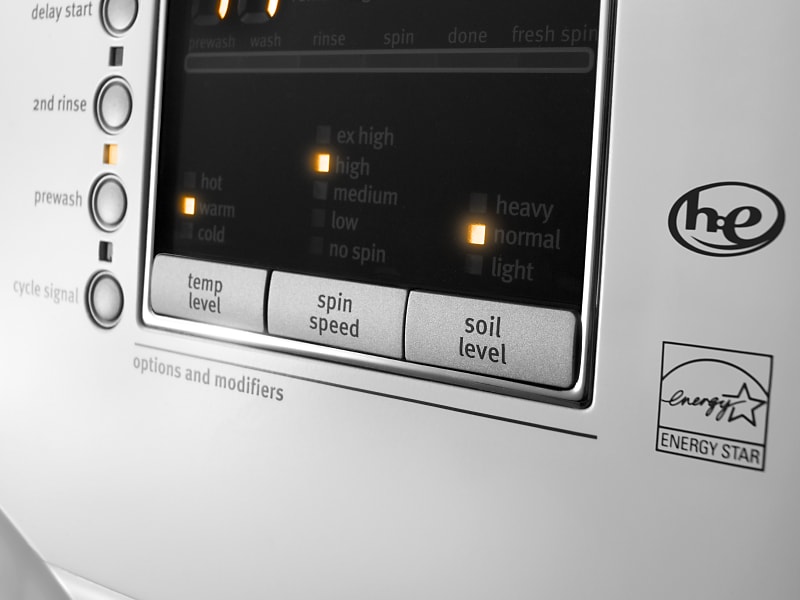
The soil level on a washing machine tells the machine how dirty your clothes are. This helps it decide the right wash cycle to use. Setting the right soil level improves cleaning efficiency and saves energy. Many machines now come with automatic soil detection using laundry soil sensors.
Choosing the correct soil level affects detergent amount, water temperature, and washing time. For example, heavy soil requires more detergent and longer washes. Light soil needs less detergent and shorter cycles. Adjusting soil level wash cycle properly protects fabric quality while cleaning well.
For a deeper understanding of this mechanic, analyzing resources on washing machine soil level settings provides excellent foundational context.
Soil Level and Detergent Usage
The soil level setting directly affects how much detergent you use. Heavy soil needs more detergent to break down tough stains. Light soil uses less detergent to avoid residue buildup. Using the right detergent amount also helps save money and reduces environmental impact.
Most washing machines have detergent compartments that work best when you match detergent amount to soil level. Some newer models even adjust detergent usage automatically based on soil sensors. This smart use of detergent improves cleaning efficiency and fabric care.
It’s important to avoid overusing detergent. Too much detergent can trap dirt back in the clothes or cause skin irritation. Adjust soil level and detergent amount carefully for best results.
Adjusting Soil Level and Wash Cycle
Washing machine cycles vary in length, water temperature, and spin speed based on soil level. Heavy soil cycles use hotter water and longer washing times. Light soil cycles use cooler water and shorter times. This helps save energy and keeps clothes safe.
Spin speed during the wash is also important. Higher spin speeds remove more water but can stress fabrics. Matching soil level with the right spin speed protects clothes while cleaning well. Cycle customization options in many machines let users fine-tune their wash for soil level and fabric type.
Understanding how soil level affects washing time and energy use is key. Longer cycles use more energy but clean better when clothes are very dirty.
Automatic Soil Detection and Laundry Soil Sensors
Modern washing machines often come with soil sensors that detect how dirty clothes are. These sensors adjust water, detergent, and cycle length automatically. This technology improves cleaning results and energy efficiency.
Soil sensors help avoid wasting water and detergent on lightly soiled laundry. They also ensure heavily soiled clothes get a thorough clean. This balance is vital for fabric care and saving resources.
Many front load washers have advanced soil detection compared to top load models. However, both types benefit from this technology. For an expert look at washing machine functions, see this guide on how spin affects washing machine performance.
Soil Level and Fabric Care
Choosing the right soil level protects your clothes. Heavy soil cycles use harsher washing actions and hotter water. This cleans deeply but can wear out fabrics faster. Light soil cycles are gentler and better for delicate fabrics.
Matching soil level to fabric type helps maintain color and texture. Using proper rinse options also removes detergent fully, avoiding skin irritation. Adjusting soil level is key to balancing stain removal and fabric safety.
Many machines include multiple rinse cycles that can be selected based on soil level and fabric care needs. Using these options helps keep clothes fresh and clean.

Soil Level and Washing Machine Load Size
Load size affects how well the soil level setting works. Overloading the washer reduces cleaning efficiency. Clothes need space to move and rinse properly. Underloading wastes water and energy.
Adjust soil level based on how much laundry you put in. Heavy soil with a large load means longer cycles and more detergent. For small loads, reduce detergent and wash time to save energy.
Proper load size also affects spin speed and water temperature settings. Balancing these factors improves washing results and machine care.
Soil Level Troubleshooting Tips
Sometimes, soil level settings may not work as expected. Clothes may stay dirty or detergent may not rinse well. Check that you selected the right soil level for your laundry.
If your machine has soil sensors, clean them regularly. Dirt or detergent buildup can cause false readings. Also, ensure detergent compartments are clean and not clogged.
Refer to your washing machine manual for soil level troubleshooting. For common issues like a machine that won’t spin properly after heavy soil cycles, see this guide on fixing washer spin problems.
Front Load vs Top Load Soil Settings
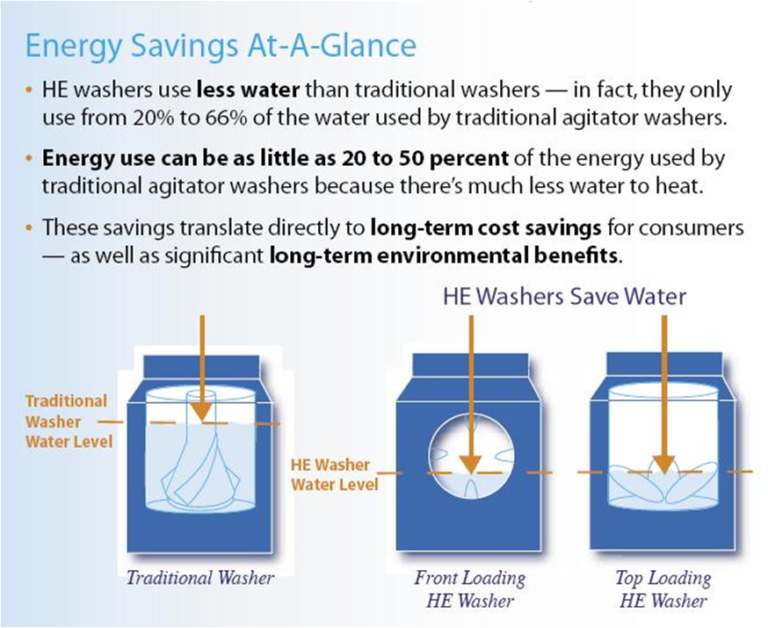
Front load washers usually have more advanced soil level options and sensors. They use less water and energy for the same soil level compared to top load washers. This makes them more efficient for heavy soil cleaning.
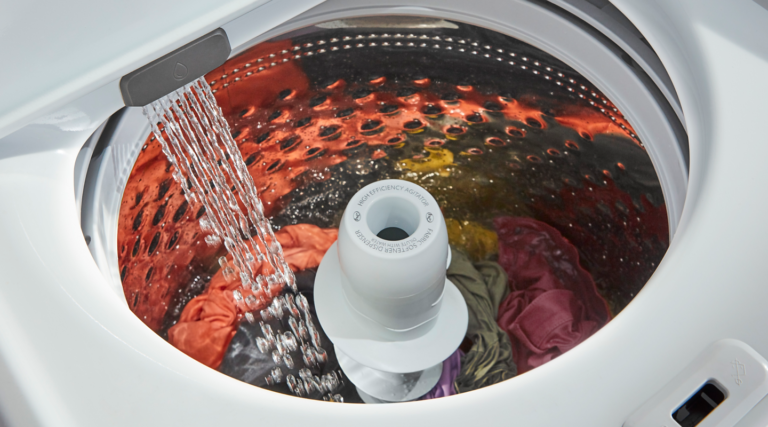
Top load washers can be simpler with manual soil level settings. However, many models now include soil sensors to improve wash cycles. Both types allow cycle customization to match soil and fabric needs.

Understanding the difference helps pick the best machine for your laundry habits and soil levels.
Summary and Best Practices 🚀
Setting the right soil level is vital for clean clothes and machine efficiency. Use heavy soil settings for tough stains and light soil for everyday laundry. Adjust detergent amount and water temperature based on soil level to save resources.
Use automatic soil detection if your machine supports it. Clean sensors and detergent compartments regularly. Match load size and cycle customization to soil level for best results.
Following these tips improves stain removal, fabric care, and energy use. Understanding soil level settings helps you get the most from your washing machine.
| Soil Level | Detergent Amount | Water Temp | Wash Time | Spin Speed |
|---|---|---|---|---|
| Light Soil | Low | Cold/Warm | Short | Medium |
| Medium Soil | Medium | Warm | Medium | High |
| Heavy Soil | High | Hot | Long | High |
Adjusting soil level properly affects detergent use, water temperature, and washing time. This table summarizes common settings for washing machines in 2026.
Remember to consider fabric type and load size along with soil level for best care. Proper use extends garment life and cuts energy bills.
| Soil Level | Energy Consumption | Water Use | Cleaning Efficiency |
|---|---|---|---|
| Light Soil | Low | Low | Good |
| Medium Soil | Medium | Medium | Better |
| Heavy Soil | High | High | Best |
Higher soil levels increase energy and water use due to longer cycles and hotter water. Use heavy soil settings only when necessary to save resources.
Many modern washers have energy-saving soil sensors, which help balance cleaning power and efficiency.
| Feature | Front Load | Top Load |
|---|---|---|
| Soil Sensors | Common | Increasing |
| Water Efficiency | High | Moderate |
| Cycle Customization | Advanced | Basic to Moderate |
| Energy Use | Lower | Higher |
Front load washers now lead in soil level technology and efficiency, but top load washers are catching up with smart features. Choose based on your laundry needs and budget.
Frequently Asked Questions
What does soil level mean on a washing machine?
Soil level refers to how dirty your laundry is. It helps the washing machine decide how long and hard to wash your clothes.
How does soil level affect detergent usage?
A higher soil level usually means more detergent is used to clean heavily soiled clothes effectively.
Can soil sensors automatically adjust the wash cycle?
Yes, many modern machines have soil sensors that detect dirt and adjust water, detergent, and washing time automatically.
Does soil level impact energy consumption?
Yes, higher soil levels often increase washing time and water use, which can raise energy consumption.
How do soil levels differ between front load and top load washers?
Both types offer soil level settings, but front load washers often use sensors for more precise adjustments.

Michael Peterson is a home appliance writer focused on practical washing machine care, maintenance, and troubleshooting. He shares simple, reliable tips to help readers keep their washing machines running efficiently, avoid common problems, and extend appliance life.