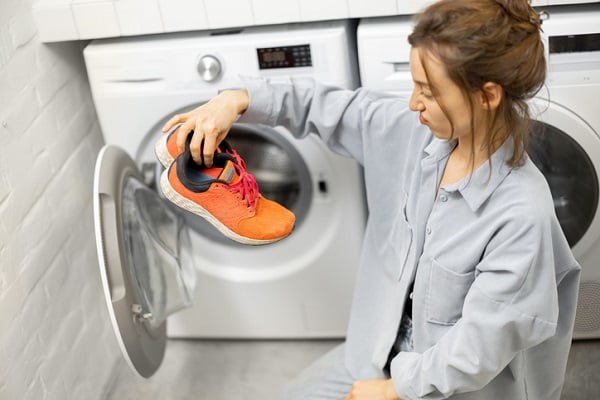
Introduction to Washing Shoe Insoles
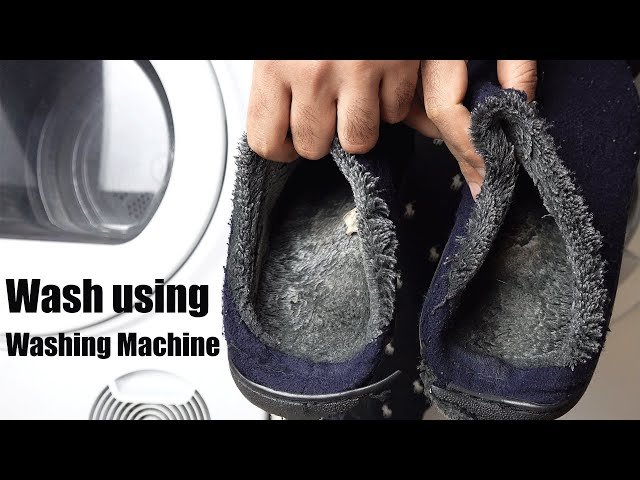
Shoe insoles collect sweat and dirt over time. This causes odors and stains. Cleaning shoe insoles helps keep shoes fresh and extends their life. Many insoles are machine washable, but not all. Knowing how to wash shoe insoles in a washing machine safely is key.
For a deeper understanding of insole care, analyzing resources on insole care instructions provides excellent foundational context. Also, learn about how washing machines work from guides on how much do washing machines weigh.
In this article, we cover shoe insert cleaning methods, the best detergent for insoles, drying shoe insoles, and tips to protect your insoles during washing.
Insole Materials and Machine Washability
Not all insoles are made the same. Some are foam, gel, fabric, or leather. The material affects if you can machine wash them. Foam and fabric insoles are usually safe for machines. Leather or memory foam insoles need hand washing.
Machine washable insoles often come with care labels. Always check these labels before washing. Using the wrong method can damage the insole and reduce its durability.
Knowing the insole materials helps choose the right cleaning agent and washing settings. This protects the insoles and keeps them fresh.
Hand washing involves gentle scrubbing with mild soap and water. Machine washing uses cycles and detergents designed for fabrics. Choosing the right method depends on the insole’s material composition.
Preparing Insoles for the Washing Machine
Before washing insoles in a machine, remove loose dirt and debris. Use a soft brush or cloth to clean the surface. This helps the detergent work better.
Place insoles inside a mesh laundry bag. This protects them from abrasion and bending during the wash cycle. It also protects your washing machine drum.
Set the washing machine to a gentle or delicate cycle. Use cold or warm water. Hot water can damage insoles and cause shrinkage.
Choose a mild detergent made for delicate fabrics. Avoid bleach or fabric softener. These can break down insole materials.
Adding a deodorizing spray after washing can boost odor removal and keep the insoles fresh longer.
Washing Temperature and Machine Settings
The washing temperature is important. Most insoles do well in cold or warm water, around 30°C to 40°C (86°F to 104°F). Hot water can weaken glue or foam.

Use a short wash cycle to reduce wear. A 15 to 30-minute cycle is enough to clean and sanitize shoe insoles. Avoid heavy soil or long cycles that increase abrasion.
Spin speed should be low to avoid bending or damaging the insoles. Gentle agitation and slow spin protect the shape and durability.
- ✅ Pros: Quick cleaning, good odor removal, sanitizes well.
- ✅ Cons: Risk of damage if settings are wrong, may reduce lifespan.
For more on washing machines and protecting items during washing, you can learn how to clean filter on whirlpool washing machine to keep your machine in top shape.
Removing Stains and Odors from Insoles
Stains on insoles come from sweat, dirt, or spills. Treat stains before washing. Use a gentle stain remover or a paste of baking soda and water. Let it sit for 10 minutes, then scrub lightly.
Odor removal is key for insole hygiene. Washing helps remove bacteria causing smells. You can also apply a deodorizing spray or sprinkle baking soda on dry insoles before washing.
Sanitizing insoles ensures germs are killed. Adding a small amount of white vinegar or a gentle disinfectant to the wash can help. Avoid harsh chemicals that can harm materials.
Drying Shoe Insoles
After washing, drying shoe insoles properly is crucial. Never use a dryer as heat can warp or shrink insoles. Air drying is the best method.
Place insoles in a well-ventilated area, away from direct sunlight or heat sources. Use a fan to speed drying if needed. Drying fully prevents mold and bad odors.
If insoles remain damp too long, bacteria can grow, causing odor and damage. Drying shoe insoles well keeps them fresh and extends their life.
- Remove insoles from shoes after washing.
- Pat dry with a towel to remove excess water.
- Place on a drying rack in a cool, dry place.
- Turn insoles occasionally to dry both sides.
- Allow 12 to 24 hours to dry completely.
How Often to Wash and Insole Hygiene Tips
Washing frequency depends on use. Daily wearers should clean insoles every 1-2 months. For less frequent use, washing every 3 months is enough.

Good insole hygiene also includes airing insoles regularly and using deodorizing sprays. Replace insoles when they show wear or lose support.
Protect insoles by wearing moisture-wicking socks. This reduces sweat buildup and odor. Also, remove insoles from shoes after use to let them air out.
Impact of Washing on Insole Durability
Frequent washing can reduce insole lifespan if not done carefully. Abrasion and water exposure can break down foam or glue. Use gentle cycles and mild detergents to protect insoles.
Machine washing is safe for many insoles when following proper steps. However, hand washing remains the gentlest option for delicate materials. Protecting insoles during washing helps maintain their shape and comfort.
Replacing insoles regularly is important for foot health. Clean insoles feel fresh and last longer with good care.
Environmentally Friendly Shoe Cleaning Practices
In 2026, eco-friendly cleaning is popular. Use biodegradable detergents to reduce environmental impact. Avoid bleach and harsh chemicals.
Air drying saves energy compared to machine drying. Washing insoles less often but thoroughly can save water and detergent. Reuse mesh bags for washing to reduce waste.
Being mindful of cleaning products and methods helps protect the planet while keeping shoes fresh.
Comparative Table of Insole Cleaning Methods
Choosing how to clean insoles depends on material, convenience, and care needs. This table compares common methods.
| Method | Suitable Materials | Pros | Cons |
|---|---|---|---|
| Machine Wash | Foam, Fabric | Fast, effective odor removal | May cause wear, not for delicate insoles |
| Hand Wash | Leather, Memory Foam, Delicate | Gentle, preserves durability | Time-consuming |
| Spot Cleaning | All types | Quick, saves water | Less thorough cleaning |
Use the method best for your insoles based on this guide. Machine washing works well for many insoles when done correctly.
For more on washing machine care, learn how to clean filter on whirlpool washing machine to keep your machine running smoothly.
Detergent Recommendations for Washing Insoles
Choose a mild detergent free from bleach and fabric softeners. These additives can damage insole glue and foam. Look for detergents labeled for delicate fabrics.
Using too much detergent can leave residue. Use the recommended amount for a small load. This protects your insoles and washing machine.
Natural detergents with enzymes work well to remove odors and stains without harsh chemicals.
- Use cold or warm water for best results.
- Avoid bleach to protect materials.
- Natural detergents reduce environmental impact.
Protecting Insoles in Washing Machine
Besides using a mesh laundry bag, avoid washing insoles with heavy or abrasive items. This minimizes damage.
Check washing machine settings before starting. Select gentle cycles and low spin speeds to reduce abrasion. Remove insoles promptly after washing to air dry.
Some recommend placing insoles between towels in the machine to cushion them. This can help reduce wear during the wash.
Conclusion
Washing shoe insoles in a washing machine is safe with the right care. Know your insole material and follow proper steps. Use mild detergent, gentle cycles, and low temperatures.
Pre-treat stains, protect insoles in a mesh bag, and air dry after washing. Maintain a regular cleaning schedule to keep insoles fresh and odor-free. Hand washing remains best for delicate insoles.
Good insole care improves hygiene, comfort, and shoe life. For detailed care tips, exploring insole hygiene tips and shoe freshening techniques online adds valuable insight.
With these tips, your shoe insoles will stay clean, fresh, and last longer in 2026 and beyond.
Frequently Asked Questions
Can all shoe insoles be washed in a washing machine?
No, not all insoles are machine washable. Insoles made from leather or memory foam may get damaged. Always check the material and care instructions first.
What is the best detergent for washing insoles?
Use a mild detergent without bleach or fabric softeners. Harsh chemicals can break down the insole’s material and reduce durability.
How often should shoe insoles be washed?
It depends on usage. For daily wear, washing every 1 to 2 months helps maintain hygiene and odor control.
Should insoles be hand washed or machine washed?
Hand washing is gentler and recommended for delicate insoles. Machine washing is fine for durable, machine-washable insoles if done carefully.
How to dry shoe insoles after washing?
Air drying is best. Place insoles in a well-ventilated area away from direct heat. Avoid using a dryer to prevent warping or damage.

Michael Peterson is a home appliance writer focused on practical washing machine care, maintenance, and troubleshooting. He shares simple, reliable tips to help readers keep their washing machines running efficiently, avoid common problems, and extend appliance life.