Understanding Bleach Use in Laundry
Bleach is a strong chemical used to whiten and sanitize clothes. It acts as an oxidizing agent that breaks down stains and kills germs. The most common type is chlorine bleach, which is effective but must be used carefully. Using bleach safely in laundry means knowing when and how to add it to your wash without harming clothes or your machine.
Modern washing machines often come with a bleach dispenser. This feature helps add bleach at the right time during the washing cycle. For a deeper understanding of this mechanic, analyzing resources on how to add bleach to washing machine provides excellent foundational context.
Chlorine bleach is best for white cotton and sturdy fabrics. It is not suitable for delicate or colored clothes. Using the right bleach dosage prevents damage and keeps fabrics fresh and sanitized.
How to Add Bleach to Your Laundry
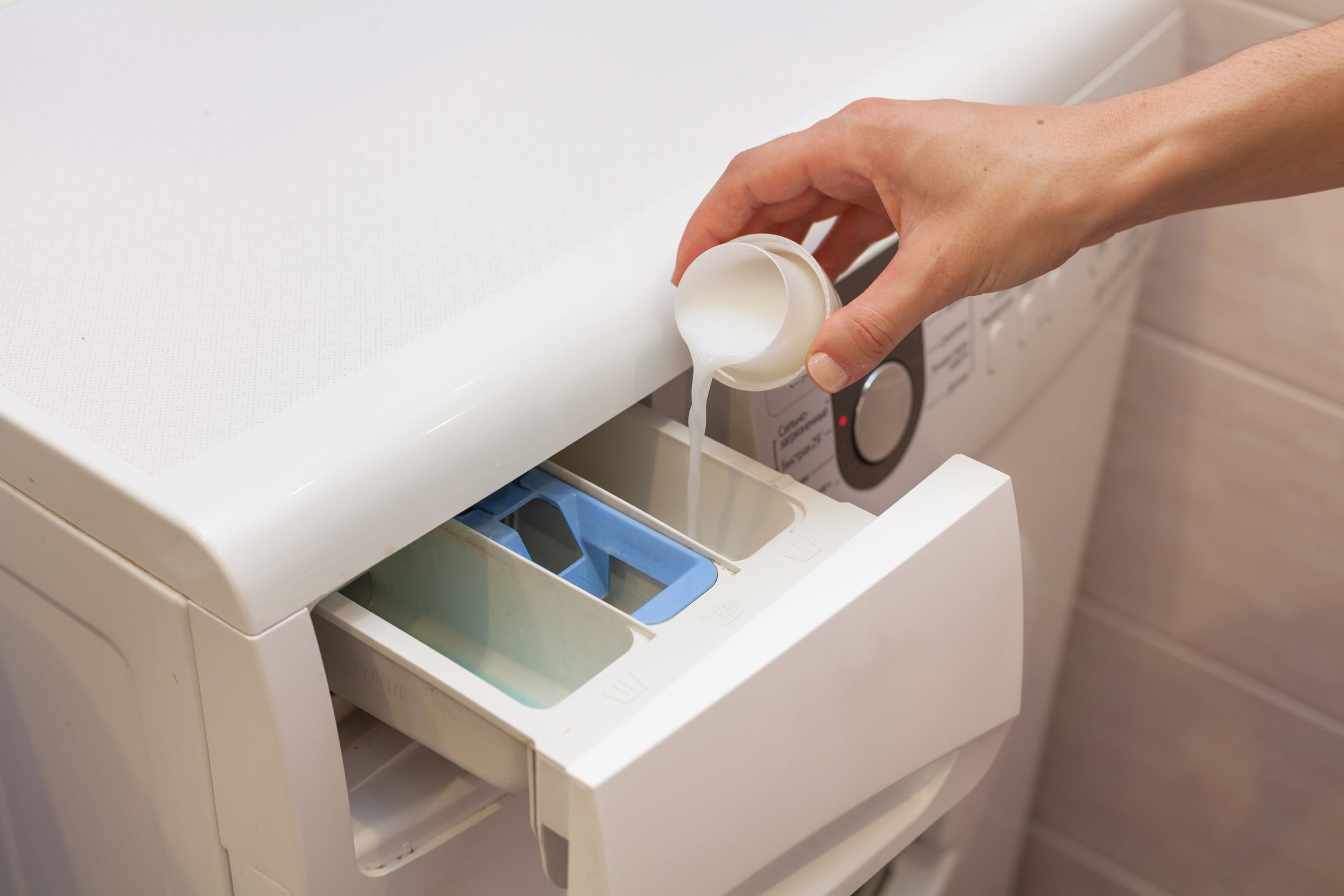
To use bleach correctly, first check your washing machine for a bleach compartment. This is usually separate from the detergent and fabric softener compartments. Adding bleach directly to the wash tub can harm fabrics and your machine parts.
Follow these steps to add bleach safely:
- Measure the correct amount of bleach based on your load size. For a full load, use about 3/4 cup of bleach.
- Pour the bleach into the washing machine’s bleach dispenser.
- Select the appropriate washing cycle that supports bleach use. Most machines have a cycle for whites or sanitizing.
- Start the machine. The dispenser will release bleach at the right time, usually during the wash rinse.
Always use cold or warm water when using bleach, as hot water can cause bleach damage to clothes. Diluting bleach properly helps protect fabrics and keeps your machine clean.
Bleach Dosage and Dilution for Safety
Using too much bleach can weaken fabric fibers and cause yellow stains. Industry consensus indicates following recommended dilution ratios is key to fabric care with bleach.
The typical dilution ratio for laundry is one part bleach to about 32 parts water. For most washing machines, this means:
- ✅ 3/4 cup (180 ml) of bleach for a regular washer load.
- ✅ Less bleach for smaller loads, about half the amount.
Never mix bleach with other laundry chemicals like detergent or fabric softener in the dispenser. Mixing can cause harmful fumes and reduce cleaning power.
Bleach vs Detergent in Washing
Bleach and detergent serve different roles in laundry. Detergent removes dirt and oils, while bleach whitens and sanitizes. Using bleach alone is not enough to clean clothes, nor should it replace detergent.
Most washers allow you to add detergent and bleach separately. Using the washing machine dispenser for bleach ensures it is added after detergent has started cleaning. This method improves stain removal and reduces fabric damage.
Consider oxygen bleach alternatives for delicate or colored fabrics. Oxygen bleach is gentler and less harmful to the environment.
Using Bleach for Washing Machine Maintenance
Bleach can also sanitize your washing machine. Running a cycle with bleach helps remove mold, mildew, and odor buildup inside the drum and dispenser. This keeps the machine fresh and hygienic.
To clean your machine with bleach:
- Run an empty hot water cycle with 1 cup of bleach added to the bleach dispenser.
- Let the cycle finish, then run a rinse cycle to clear any bleach residue.
Regular cleaning prevents black mold growth, which can be dangerous. For more on keeping your machine safe, see our guide on how to clean and deodorize washing machine.

When Not to Use Bleach
Bleach is not safe for all fabrics. Avoid using chlorine bleach on wool, silk, spandex, leather, and any colorfast fabric unless the label permits it. Bleach damage can cause fabric weakening or discoloration.
Also, avoid using bleach when washing heavily soiled clothes with organic stains like blood or sweat, as it may set the stains. In such cases, pre-treating stains or using detergent with enzymes is better.
Always check garment care symbols before using bleach. If unsure, test bleach on a small hidden area first.
Chlorine Bleach Laundry Tips and Safety
Handling bleach safely is crucial. Always wear gloves when pouring bleach. Use it in well-ventilated areas to avoid breathing fumes.
Store bleach away from children and pets, and never mix it with ammonia or other cleaners. Chemical safety guidelines must be followed to prevent accidents.
Here are key tips to remember:
- Use the washing machine bleach dispenser only.
- Measure bleach carefully; more is not better.
- Do not pour bleach directly on clothes.
- Follow your washing machine manual for bleach cycle instructions.
- Rinse the machine after bleach use to avoid residue buildup.
Using bleach well can keep your laundry clean, white, and safe. For more detailed advice, check the excellent resource on bleach in laundry to clean, whiten and sanitize.
Bleach Washing Machine Instructions: A Quick Reference
| Step | Action | Important Notes |
|---|---|---|
| 1 | Check washer manual | Confirm bleach use is safe for your model |
| 2 | Measure bleach | Use about 3/4 cup for full load |
| 3 | Pour into dispenser | Never add bleach directly to drum |
| 4 | Select bleach-safe cycle | Use whites or sanitizing cycle |
| 5 | Run cycle | Bleach will dispense automatically |
Following these instructions limits bleach damage and improves cleaning power. Improper use can cause fabric wear or machine issues.
Bleach dosage varies by load size and machine. For smaller loads, reduce the amount proportionally. Always handle bleach with care to protect your skin and eyes.
Fabric Care When Using Bleach
Bleach can weaken cotton fibers if used too often. Use it sparingly on white cottons to keep clothes fresh and bright. Avoid bleach on delicate fabrics to prevent holes or fading.
Colorfast fabrics may tolerate oxygen bleach alternatives better. Oxygen bleach uses hydrogen peroxide as the active agent, breaking down stains without harsh chlorine. This option is safer for colored clothes and the environment.
Fabric care labels guide bleach use. Look for symbols like a triangle with lines, which indicate safe bleach use.
Bleach Damage and Environmental Impact
Using too much bleach or using it on the wrong fabric causes damage. Clothes might yellow, weaken, or develop holes. Always dilute bleach properly to lessen harm.
Chlorine bleach also has environmental impacts. It can release harmful chemicals into water systems. Using oxygen bleach or eco-friendly alternatives reduces this effect.
Industry experts recommend limiting chlorine bleach use and exploring safer cleaning agents for routine laundry.
Bleach Types: Chlorine vs Oxygen Bleach
| Feature | Chlorine Bleach | Oxygen Bleach |
|---|---|---|
| Active Agent | Sodium hypochlorite | Hydrogen peroxide |
| Best For | Whites, heavy stains | Colors, delicates |
| Fabric Safety | Can damage delicate fabrics | Gentler on fabrics |
| Environmental Impact | More harmful | More eco-friendly |
| Use in Washing Machine | Use dispenser, dilute well | Can mix with detergent |
Choosing the right bleach depends on your laundry needs. Chlorine bleach is strong but risky for fabric and environment. Oxygen bleach is safer but less powerful on tough stains.
Laundry Sanitizing with Bleach
Sanitizing laundry is critical, especially for items like towels, sheets, or clothes worn by sick people. Chlorine bleach kills bacteria, viruses, and fungi effectively.
Use bleach in a hot or warm washing cycle for best disinfection. Cold water may reduce bleach effectiveness. Follow your washing machine’s bleach cycle to ensure sanitation without damage.
If you want to sanitize your washing machine as well, running a bleach-based cleaning cycle helps. This prevents mold and keeps laundry hygienic.
Conclusion: Best Practices for Bleach Use in Washing Machines
Using bleach in a washing machine helps whiten clothes and sanitize laundry loads. Industry consensus indicates that following your washing machine manual, using the correct dosage, and adding bleach through the dispenser are key steps.
Always handle bleach with care and avoid its use on delicate or colored fabrics. Oxygen bleach alternatives provide safer options for many laundry needs. Regular machine maintenance with bleach keeps your washer clean and odor-free.
For detailed guidance and safety tips, explore the excellent resource on bleach in laundry to clean, whiten and sanitize.
For help with washing machine care beyond bleach use, see our tips on how to clean and deodorize washing machine and learn about how to get rid of an old washing machine safely when upgrading your appliance.
Frequently Asked Questions
Can I use bleach in all types of washing machines?
Most modern washing machines have a bleach dispenser. However, check your washing machine manual to make sure bleach use is safe for your model.
How much bleach should I add for a regular load?
For a standard load, use about 3/4 cup (180 ml) of chlorine bleach. Always follow your washing machine’s instructions for exact bleach dosage.
Is it safe to use bleach on colored clothes?
Chlorine bleach can damage colors. Use oxygen bleach alternatives for colorfast fabrics or colored laundry.
When should I avoid using bleach in laundry?
Avoid bleach on wool, silk, leather, and spandex. Also, do not mix bleach with ammonia or other cleaners.
Can bleach help disinfect my washing machine?
Yes. Running a cleaning cycle with bleach helps kill germs and removes odors in your washing machine.

Michael Peterson is a home appliance writer focused on practical washing machine care, maintenance, and troubleshooting. He shares simple, reliable tips to help readers keep their washing machines running efficiently, avoid common problems, and extend appliance life.