Understanding Washing Machine Vibration
Washing machines are prone to shaking due to their moving parts. The main cause of violent shaking is usually an unbalanced laundry load. When clothes are unevenly spread inside the drum, the machine tries to spin but loses balance. This causes strong vibrations and noise. Another cause is poor washing machine leveling. If the machine is not level, the drum wobbles during the spin cycle.
Besides load issues, worn suspension springs or broken shock absorbers can worsen the shaking. These parts hold the drum steady and absorb movement. When they fail, the drum moves too much and shakes the whole machine. For a deeper understanding of this mechanic, analyzing resources on how to stop washer shaking provides excellent foundational context.
Proper washing machine installation and floor stability are key to reducing vibration. The floor must support the washer firmly without wobbling.
Causes of Violent Washing Machine Shaking
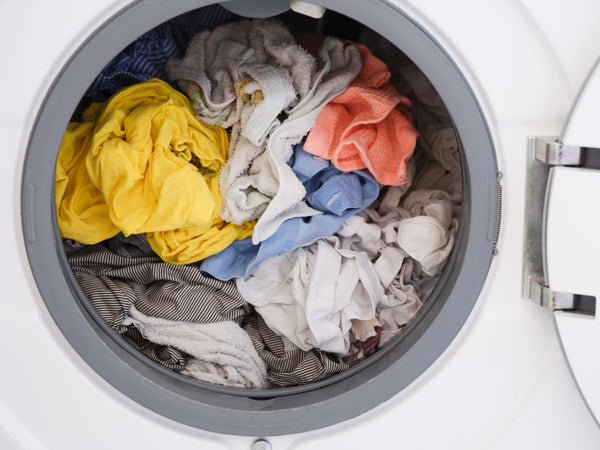
Industry consensus indicates several core reasons for violent shaking. The first is the unbalanced laundry load. Large or heavy items like rugs or blankets can throw off balance if grouped on one side. Small items mixed with heavy ones can also cause drum imbalance.
The second cause is a lack of proper floor leveling. If the washing machine’s leveling legs are not adjusted, the washer tilts and shakes more. Floors that are soft or uneven add to the problem by reducing floor stability.
Another common cause is worn or damaged suspension springs and shock absorbers. These parts dampen the drum’s movement. When they wear out, the drum vibrates violently. Drum bearing wear and motor issues like a failing motor coupling or broken clutch mechanism can also cause noise and shaking.
Counterweights designed to balance the drum can fail or become loose. This failure leads to uneven movement during the spin cycle.
Improper load distribution and ignoring imbalance detection sensors in modern washers also cause shaking. Many machines now have vibration sensors and load balancers to detect and correct uneven loads.
How to Fix Violent Washing Machine Shaking
Fixing violent shaking starts with checking the laundry load. Redistribute clothes for an even spread. Avoid washing too many heavy items at once or mixing heavy with light loads. For bulky items, consider washing separately.
Next, level the washing machine using its adjustable leveling legs. Use a spirit level tool to ensure the machine sits flat. Tighten the legs and check if the floor beneath is stable. Adding washing machine anti-vibration pads under the feet can improve stability and reduce noise.
Inspect the suspension springs and shock absorbers for damage. Replace any worn or broken parts quickly. If the issue continues, check the drum bearing and motor coupling for wear. Repair or replace as needed.
Modern washers often have fault codes and washing machine diagnostics features. Running diagnostics helps spot motor or sensor issues causing vibration.
For detailed repair tips, you can also learn how to fix a washing machine that won’t spin, which covers many related problems causing shaking.
Maintenance Tips to Prevent Shaking
Regular maintenance extends washing machine life and prevents shaking. Always balance loads before starting the spin cycle. Use the machine’s load sensing feature if available to avoid overload.
Clean the drum and check for any drum tub damage that could affect balance. Keep suspension rods and springs free from rust and replace them every few years. Check and tighten all bolts and screws.
Ensure the floor beneath the washing machine stays dry and clean. Moisture can weaken floor stability and cause vibration. Using anti-vibration pads or mats is a smart preventive step.
Follow manufacturer instructions for washing machine installation and setup. Proper footing and shock mounts reduce wear on the machine’s motor and bearings.

Common Washing Machine Parts That Affect Shaking
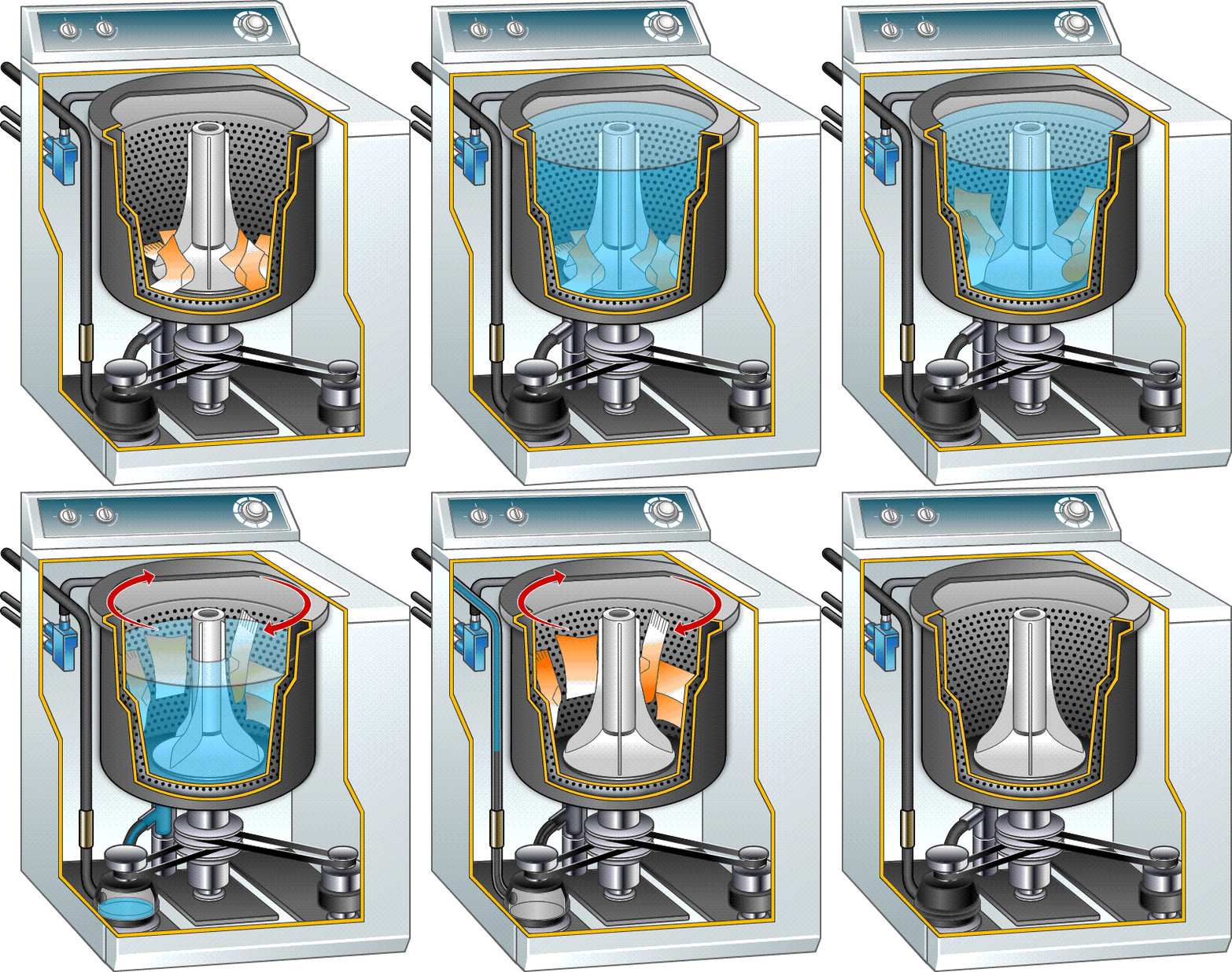
The washing machine drum is the central piece moving during wash and spin. Its balance is key to avoiding violent shaking. The drum is supported by suspension springs or rods and shock absorbers that absorb shocks.
The motor and clutch mechanism drive the drum spin speed. Faulty motors or worn motor couplings cause uneven power delivery and shaking. Drum bearings allow smooth drum rotation. When bearings wear, the drum wobbles and makes noise.
Counterweights help balance the drum’s rotation forces. Loose or broken counterweights cause uneven spinning. Modern machines use load balancers and vibration sensors to detect imbalance and adjust spin speed automatically.
Understanding these parts helps in troubleshooting and maintenance. For more on washing machine components, see the guide on what is a drum of a washing machine.
Visual Guide to Washing Machine Vibration Causes
The table below lists major causes of washing machine shaking and their key symptoms. This helps quickly identify the problem source.
| Cause | Symptom | Fix |
|---|---|---|
| Unbalanced Load | Shaking during spin, loud noise | Redistribute clothes evenly |
| Improper Leveling | Machine rocks or vibrates | Adjust leveling legs, use anti-vibration pads |
| Worn Suspension Springs | Strong drum movement, noise | Replace springs and shock absorbers |
| Drum Bearing Wear | Grinding noise, wobble | Replace drum bearings |
| Motor Issues | Inefficient spin, shaking | Check motor coupling and clutch |
Checking these areas regularly can save costly repairs. For more repair tips, see how to fix washer machine that won’t spin.
📌 Step-by-Step Guide to Leveling Your Washing Machine
Proper leveling reduces vibration drastically. Follow these simple steps:
- Unplug the washing machine for safety.
- Place a spirit level on top of the machine front to back.
- Adjust the front leveling legs by twisting clockwise or counterclockwise.
- Check side to side level and adjust rear legs.
- Once level, tighten all leg locks to fix position.
- Place anti-vibration pads under each foot for extra stability.
- Plug the machine back and run a test spin cycle.
Following this guide ensures your machine sits firmly and reduces shaking. For more installation tips, refer to trusted guides on washing machine installation.
⚖️ Pros & Cons of Anti-Vibration Pads
Anti-vibration pads are popular for reducing washer shaking. Here are the main points:
- ✅ Pros: Easy to install, reduce noise, protect floors, improve floor stability.
- ✅ Cons: May wear out over time, less effective on very uneven floors, add extra height.
Using these pads is a low-cost way to reduce vibration. However, they work best combined with proper leveling and balanced loads.
⭐ Expert Insight: Conclusion
Analyzing the data reveals that violent washing machine shaking mostly results from unbalanced loads and poor leveling. Worn suspension components and motor issues also play a role. Consistent maintenance, proper installation, and using anti-vibration pads greatly reduce shaking risks.
Modern machines with vibration sensors and load balancers help detect imbalance early. Users should always check load distribution before starting the spin cycle. If shaking persists, inspecting suspension springs, shock absorbers, and motor parts is crucial to prevent damage.
For a comprehensive approach to washing machine care and troubleshooting, exploring detailed guides on washing machine issues and maintenance is highly recommended.
Frequently Asked Questions
What causes a washing machine to shake violently?
A washing machine shakes violently mainly due to an unbalanced laundry load, improper leveling, or worn suspension springs and shock absorbers.
How can I fix washing machine imbalance?
Fix imbalance by redistributing clothes evenly, leveling the machine on a stable floor, and checking suspension springs and shock absorbers for damage.
Can heavy items cause washer vibration?
Yes, heavy items like blankets or rugs can cause drum imbalance and vibration if not washed properly or distributed evenly in the washer drum.
Is washing machine vibration harmful?
Excessive vibration can cause damage to the washing machine tub, drum bearings, and motor coupling, leading to costly repairs if not addressed.
Are anti-vibration pads effective?
Anti-vibration pads can reduce washing machine vibration and noise by improving floor stability and absorbing shocks during the spin cycle.

Michael Peterson is a home appliance writer focused on practical washing machine care, maintenance, and troubleshooting. He shares simple, reliable tips to help readers keep their washing machines running efficiently, avoid common problems, and extend appliance life.