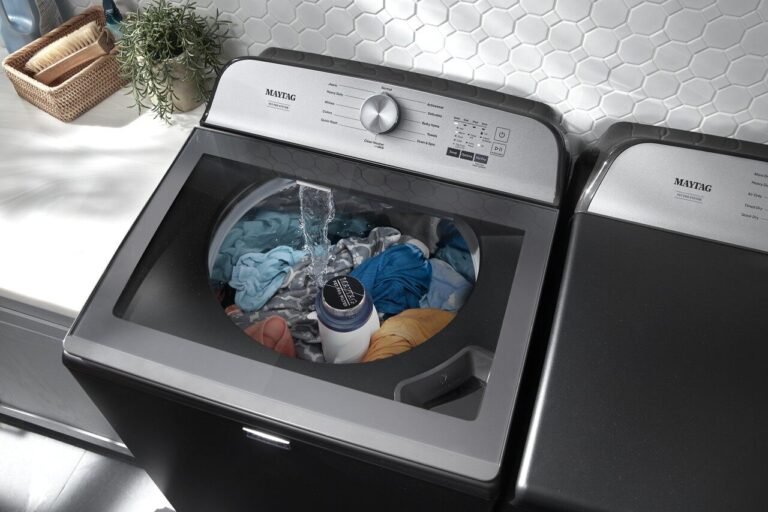
Introduction to Washing Machine Weights
Washing machines come in many sizes and weights. Knowing the washing machine weight is key for installation. It helps you plan your laundry room and floor support. This guide covers the average washing machine mass for different types in 2026.
Understanding the weight also helps when moving or shipping a washer. For a deeper understanding of this mechanic, analyzing resources on washing machine shipping weight provides excellent foundational context. Also, proper weight knowledge helps protect your floor and ensures safe use.
When choosing a washing machine, weight affects installation and durability. Let’s explore the weights of common models and sizes.
Average Washing Machine Weights by Type
The average home washing machine average weight ranges widely. Front load washers, top load washers, and portable washers differ a lot in weight.
Front load washers tend to be heavier. They often weigh between 70 to 90 kilograms (154 to 198 pounds). This is due to their metal tubs and heavy motors placed at the bottom for stability.
Top load washing machines weigh less on average. Most weigh from 60 to 80 kilograms (132 to 176 pounds). They have lighter tubs and simpler designs, though some large capacity models are heavier.
Portable washing machines weigh the least. They typically range from 20 to 30 kilograms (44 to 66 pounds). Portables are compact and made for small spaces or travel, so weight is kept low for easy movement.
Energy-efficient washing machines often use lighter materials but can still be heavy due to extra components. Machine weight varies based on size and features.
Machine Weight vs Size and Capacity
Machine weight and size often relate but do not always match. Large capacity washers weigh more but can vary in size. Some compact models are heavier due to build quality.
For example, compact washing machines weigh around 50 to 60 kilograms (110 to 132 pounds). Large capacity washers often exceed 80 kilograms (176 pounds). The added weight comes from bigger drums and stronger parts.
Weight impacts floor load. Heavy machines need floors that hold the load safely. It’s important to check your laundry room floor before installing a heavy washer.
Detergent load and machine weight together affect stability. Overloading a washer increases total weight and can strain the floor or machine.
Installation and Floor Impact Considerations
Heavy washing machines can damage floors if not supported well. Floors in homes vary in their load bearing floor capacity, so knowing washing machine weight helps prevent problems.
Weight distribution matters. Front load washers spread weight evenly due to their design. Top load washers may concentrate weight differently. Proper installation is key to protect floors and reduce noise.
If your floor is weak, consider lighter or portable models. Also, use pads or mats designed to absorb vibration and weight.
When stacking a dryer on a washer, weight and size must be compatible. Learn more about this in our guide on how to stack dryer on washing machine.
Detailed Washing Machine Weight Comparison
Below is a table showing typical weights and dimensions of popular washing machine types for 2026 buyers.
| Washer Type | Weight (kg) | Weight (lbs) | Typical Dimensions (WxDxH cm) |
|---|---|---|---|
| Front Load Washer | 70 – 90 | 154 – 198 | 60 x 60 x 85 |
| Top Load Washer | 60 – 80 | 132 – 176 | 55 x 60 x 90 |
| Portable Washing Machine | 20 – 30 | 44 – 66 | 45 x 45 x 85 |
| Compact Washing Machine | 50 – 60 | 110 – 132 | 50 x 55 x 70 |
| Large Capacity Washer | 80 – 100 | 176 – 220 | 65 x 70 x 90 |
| Industrial Washing Machine | 100 – 150+ | 220 – 330+ | Varies widely |
These weights guide your choice depending on space and floor strength. Larger and industrial washers need more care when installed.
Consumer reports and product specifications often list exact weights. Check these before purchase for accurate info.
Durability and Energy Efficiency Impact on Weight
Durable washing machines often weigh more. They use stronger metals and parts to last longer. This means a heavier machine but better performance.
Energy-efficient models may balance weight by using lighter materials and smart design. However, added tech like sensors or motors can add weight. The overall effect depends on brand and model.
Some newer washers combine light frames with durable, heavy-duty drums. This optimizes weight without losing strength or capacity.

Weight also affects how much detergent and water the machine can use effectively. Heavy washers usually handle larger loads, which impact detergent dosing.
Portable Washing Machines Weight and Use
Portable washers are a great option for small spaces. Their light weight makes them easy to move or store.
These machines weigh less than 30 kilograms (66 pounds). They have smaller dimensions but still offer decent washing power for small loads.
Portable washers are ideal for apartments, dorms, or travel. They reduce strain on floors and are simple to install.
If you want to know more about how these machines work and their weight, check out the guide on how do portable washing machines work.
Shipping Weight and Packaging Insights
Shipping weight is often higher than the machine weight. This is due to packaging, padding, and manuals included.
Most washing machine shipping weights add 10-15% to the base weight. This protects the machine during transport.
When moving a washer, consider both machine weight and packaging weight. This helps plan for transport and handling.
Appliance manufacturers provide shipping weights in product specs. Always review these before ordering or moving a washing machine.
Conclusion: Choosing Based on Washing Machine Weight
Understanding washing machine weight is vital in 2026. It affects installation, floor safety, and moving ease.
Front load washers weigh the most, then top load, with portable washers being the lightest. Size and capacity also influence weight.
Consider your laundry space, floor strength, and how often you move the machine. Use product specs and trusted sources to find exact weights.
For help with proper washer care based on type and weight, see our article on how much do a washing machine weigh.
Choosing the right weight washer ensures safety, durability, and better laundry results.
🚀 Beginner Tip: Always measure your laundry space and check floor weight limits before buying a new washing machine.
⭐ Expert Insight: Balance your washing machine weight with energy efficiency and durability for the best long-term value.
📌 Step-by-Step Guide: Check product specs, measure space, verify floor strength, and plan your move for a smooth washer installation.
Frequently Asked Questions
What is the average weight of a home washing machine?
The average home washing machine weighs between 60 to 80 kilograms (130 to 176 pounds), depending on type and capacity.
Do front load washers weigh more than top load washers?
Generally, front load washers weigh slightly more due to their build and motor placement, but this varies by model.
Can portable washing machines handle heavy loads?
Portable washers are lighter and smaller, so they handle smaller loads and weigh less, often under 30 kilograms.
Does washing machine weight affect floor strength requirements?
Yes, heavier washers, especially industrial or large capacity models, require stronger floors and careful installation.
Where can I find accurate washing machine weight for shipping?
Manufacturers provide shipping weight in product specs. For more, see trusted sites on washing machine shipping weight.

Michael Peterson is a home appliance writer focused on practical washing machine care, maintenance, and troubleshooting. He shares simple, reliable tips to help readers keep their washing machines running efficiently, avoid common problems, and extend appliance life.