Understanding Washing Machine Filters
Do all washing machines have filters? This question often comes up when people want to keep their washer working well. Washing machines use filters to trap lint, hair, and debris. These filters stop particles from clogging the drainage or pump. Knowing about your washer’s filter helps you keep it clean and avoid faults.
It is good to know that not every washing machine has the same filter type. Some may have a lint filter inside the drum. Others might use a washing machine pump filter or a sediment filter located near the drainage hose. For a deeper understanding of this mechanic, analyzing resources on do all wash machines filter provides excellent foundational context.
Types of Washing Machine Filters
Washing machines use several filter types to catch different debris. The most common is the washing machine lint filter. It catches clothes fibers and fabric softener residues. Another is the washing machine debris trap, which holds larger bits like hair or small dirt.
There are also washing machine sediment filters. These stop tiny particles from water entering the washing machine drum. Some washers have a washing machine pump filter that protects the pump from clogging. Front load washers and top load washers may differ in filter location and design.
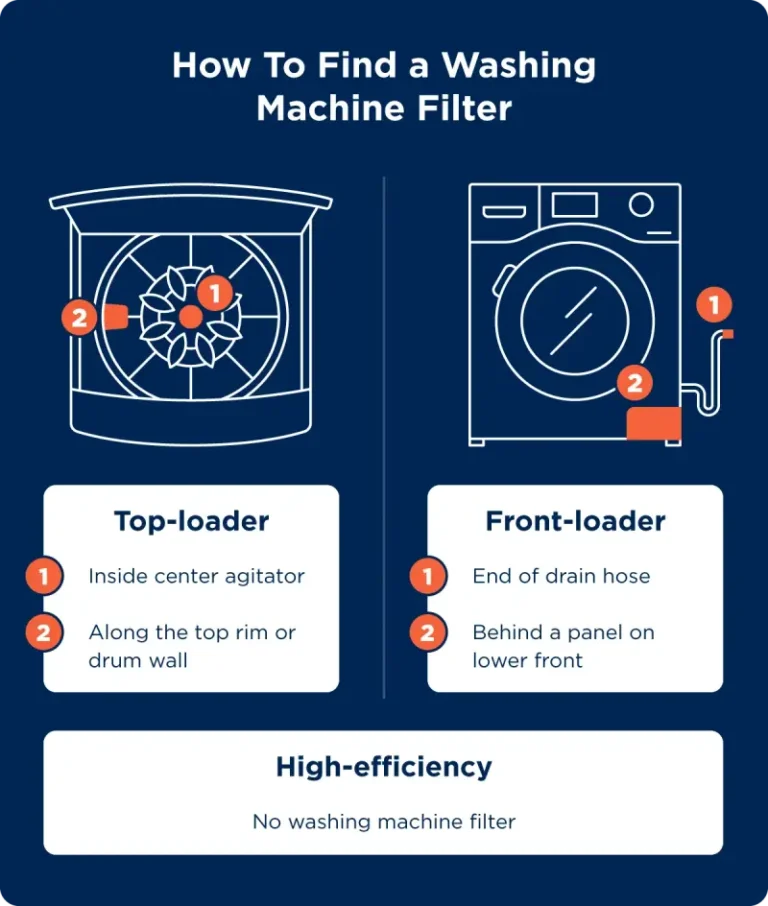
Understanding how lint traps work helps users keep their washers in good shape. For example, front load washer filters often sit behind a small door near the bottom. Top load washer filters might be inside the agitator or at a water inlet.
Where Are Washing Machine Filters Located?
The washing machine filter location depends on the model and brand. Many front load washers have a filter near the drain pump at the bottom front. This washing machine pump filter catches lint and debris before water leaves the machine. Top load washers may have a filter inside the drum or in the water inlet valve.
Some washers include a clothes washing lint trap built into the door seal or drum. Others use a washtub filtration system that filters water as it circulates. Knowing your washer’s filter location helps you clean it regularly and avoid washer malfunction.
Regular filter maintenance also prevents filter screen clog, which leads to poor water drainage and error codes. If you want to learn more about the cleaning process, guides like how to clean lg washing machine filter top loader offer detailed instructions.
Why Washing Machine Filters Matter
Filters protect your washing machine from clogging. They stop microplastic fibers, hair, dirt, and lint from building up inside the washing machine drum and pump. This helps the machine run smoothly and lasts longer.
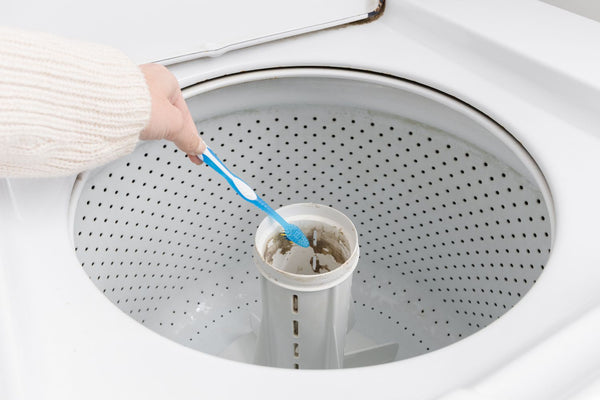
Good filter maintenance also means better water filtration and cleaner clothes. A clean filter reduces washing machine fault detection triggers and lowers repair costs. It also helps avoid bad smells caused by trapped debris and fabric softener residues.
Washing Machine Filter Cleaning Steps
Cleaning your washing machine filter is easy but important. First, locate the filter using your manual or by checking near the drainage hose or pump. Then, remove the filter screen carefully to avoid spilling water.
Next, rinse the filter cartridge under running water. Use a washing machine filter cleaning tool or a soft brush to clear any stuck lint or debris. Finally, reinsert the filter firmly and check that the sealing is tight to prevent leaks.
Cleaning the washing machine drainage filter every 1 to 3 months keeps your washer running well. For specific tips, videos like The Best Way to Clean Your Washing Machine Filter! provide visual help.
Filter Replacement and Maintenance Tips
Filters can wear out over time. Check for cracks or damage when cleaning. Replace the filter if it looks worn or clogged beyond cleaning. This keeps the washing machine lint filter effective.
Other maintenance tips include checking the washing machine hose connections and cleaning the drum seal to avoid buildup. Proper filter care can reduce washer malfunction and extend washer life.
Remember, replacing your filter regularly is as important as cleaning it. Always use manufacturer-approved parts for replacement. You can learn more about cleaning internal parts in articles like how to clean inside washing machine agitator.
Common Issues from Neglecting Filters
Ignoring washing machine filter cleaning leads to clogged filter screens. This causes slow drainage or water backup. It can also make the washing machine pump work harder, leading to failure.
Clogged filters trap lint and hair inside the drum. This creates bad odors and fabric damage. Washing machine fault detection systems may show error codes related to drainage or water flow when filters are dirty.
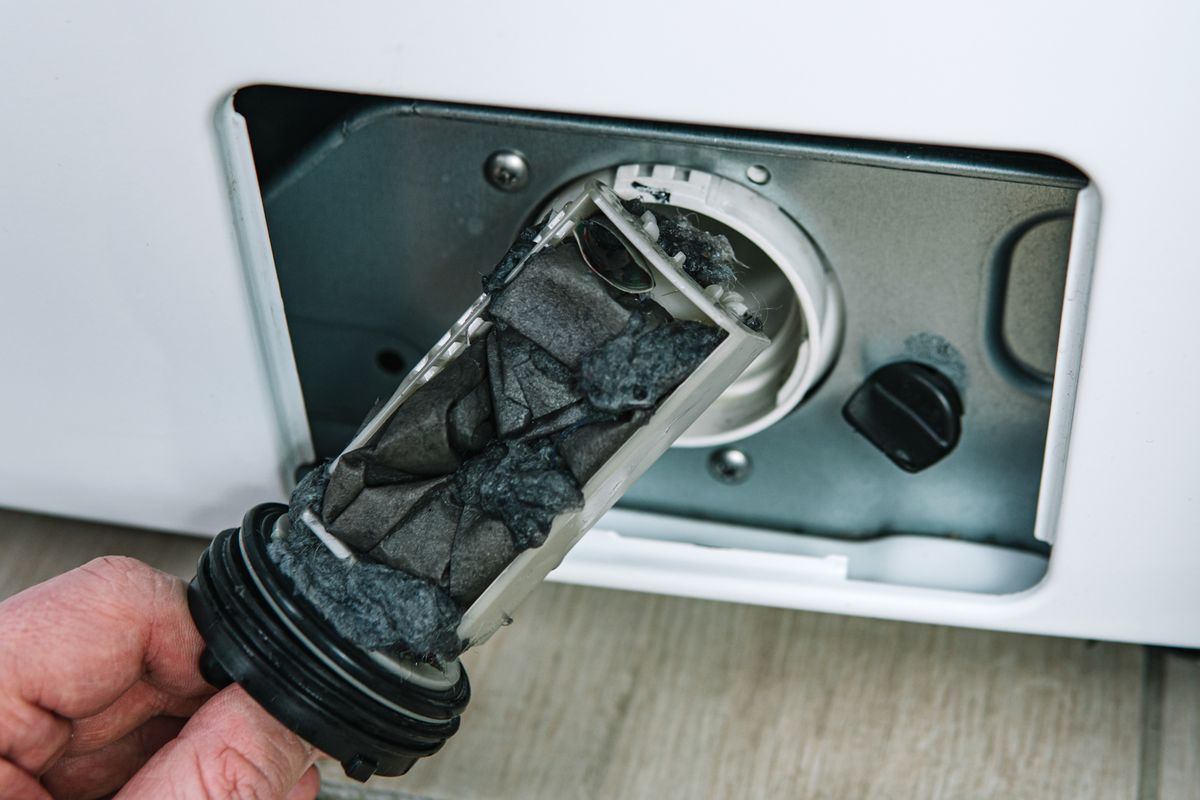
Regular cleaning avoids these issues and keeps your washer efficient. It also prevents costly repairs from damaged pumps or hoses.
Comparison of Washing Machine Filter Types
Here is a simple table comparing common washing machine filter types:
| Filter Type | Location | What It Catches | Maintenance |
|---|---|---|---|
| Lint Filter | Inside drum or door seal | Clothes fibers, lint | Clean monthly |
| Pump Filter | Near drain pump at bottom | Hair, debris, small objects | Clean every 1-3 months |
| Sediment Filter | Water inlet or hose | Water particles, sediment | Clean as needed |
This shows the importance of knowing your washer’s filter type for proper care.
Filters are key to a smooth washing experience. Keeping them clean saves you time and money.
Quick Facts About Washing Machine Filters
- ✅ Not all older washers have filters, but most modern ones do.
- ✅ Cleaning filters prevents washer malfunctions and odors.
- ✅ Filters help protect pumps and drainage systems.
- ✅ Replacing worn filters is essential for good performance.
- ✅ Filters trap microplastic fibers, reducing environmental impact.
Good washing machine maintenance includes filter care. This simple step helps your washer last and work well.
Conclusion: All Washers Benefit from Filters
In 2026, most washing machines include filters to trap lint and debris. These filters improve water drainage, protect pumps, and keep clothes clean. Knowing about your washing machine’s filter type and location lets you maintain it easily.
Regular washing machine filter cleaning and timely replacement prevent common faults and extend your washer’s life. This simple step supports better water filtration and reduces fabric damage. If you want to learn more about keeping your washer in top shape, exploring advice on how to clean inside washing machine agitator offers additional insights.
Taking care of your washing machine filters is a smart way to keep laundry easy and efficient. It saves money and avoids hassle from clogged drains or broken pumps. Always check your washer’s manual and clean filters regularly for the best results.
Frequently Asked Questions
Do all washing machines have lint filters?
Most modern washing machines have lint filters or debris traps to catch fibers and particles during wash cycles.
Where is the washing machine filter located?
Filters can be found near the water drainage system, inside the drum, or close to the washing machine pump.
How often should I clean the washing machine filter?
Filter cleaning is recommended every 1 to 3 months depending on use and water quality.
What happens if the washing machine filter is clogged?
A clogged filter can cause poor drainage, washer malfunction, and buildup of lint inside the drum.
Can I replace the washing machine filter myself?
Yes, most filters are designed for easy replacement, and instructions are usually in the user manual.

Michael Peterson is a home appliance writer focused on practical washing machine care, maintenance, and troubleshooting. He shares simple, reliable tips to help readers keep their washing machines running efficiently, avoid common problems, and extend appliance life.