Introduction to Impeller Washing Machines
Impeller washing machines are a popular choice in 2026 for many households. Unlike traditional washers with agitators, these machines use an impeller or wash plate. This small disc sits at the bottom of the wash tub and spins to move clothes through water and detergent.
For those curious about what an impeller washer really is, understanding its design and benefits is key. You can also learn more about what an impeller washing machine offers in terms of energy and fabric care.
Impeller machines come mainly in two types: top load impeller washers and front load impeller washing machines. Both feature the impeller design but have different loading styles and space needs.
Impeller Washing Machine vs Agitator: Key Differences
The main difference between impeller washers and agitator washers lies in how they move clothes. Agitator machines use a central post with fins that twists back and forth. This moves clothes forcefully but can be rough on fabrics.
Impeller machines, on the other hand, have a low-profile disc that spins gently. It creates currents in the water, which helps clean clothes by rubbing fabric against each other. This means less wear and tear on your clothes.
For more detailed context on the mechanics, resources explaining impeller vs agitator washers offer excellent insights.
Load capacity is another factor. Impeller washers often allow more room inside the wash basket since there is no bulky agitator post in the center. This can let you wash larger laundry loads.
Impeller Design Technology in 2026
Modern impeller washing machines use advanced motor and drum technology. The impeller spins at varying speeds to match the selected wash program and fabric type. This helps balance cleaning power and fabric care.
Water level sensors adjust water use to the size of the laundry load. This feature improves energy efficiency and reduces water waste. Many impeller washers are Energy Star rated, meaning they meet strict standards for saving energy.
The spin cycle in impeller washers also tends to be quieter. Vibration control systems help keep noise low, making these machines great for apartment living or late-night laundry.
- ✅ Impeller speed adjusts by wash program
- ✅ Water levels vary by load size
- ✅ Spin speeds often reach 1200-1400 RPM
- ✅ Built-in noise reduction tech
These features combine for a high-efficiency washing machine experience that saves time, energy. And water.
Advantages of Impeller Washing Machines
Impeller washers have several benefits. First, they offer gentle fabric care. The wash plate moves clothes smoothly, reducing damage to delicate items. This is important for expensive or sensitive fabrics.
Second, they save water. Without an agitator taking up space, more water reaches clothes. Also, water consumption is optimized by sensors. This makes impeller washers more eco-friendly.
Third, they tend to be quieter. This is due to both the design and vibration control tech. Users report less noise during wash and spin cycles.
- Pros: Gentle on clothes, energy efficient, larger load capacity, quieter operation
- Cons: May need longer cycles for heavy soil, some users find wash action less aggressive
Durability is another consideration. Most top brands build impeller machines with strong motors and durable wash tubs to last many years.
Choosing the best impeller washing machines 2026 involves checking these features and user reviews for reliability.
Disadvantages of Impeller Washing Machines
While impeller washers have many advantages, there are some drawbacks. The gentler wash action means very dirty clothes may need longer cycles or pre-treatment. This can increase wash time.
Some users miss the scrubbing power of agitators, especially for tough stains. Also, impeller machines usually cost a bit more upfront than basic agitator washers.
Noise levels are generally low. But some models may vibrate more if not balanced properly. Proper installation and maintenance can reduce this.
- Use correct detergent for high-efficiency washers
- Balance the load evenly
- Clean the detergent dispenser regularly
- Run cleaning cycles monthly
Following these steps helps keep your impeller washing machine working well and lasting longer.
Washing Machine Types: Top Load Impeller vs Front Load Impeller
Impeller washers come as both top load and front load machines. Top load impeller washers feature a lid on top and a vertical wash tub. They combine impeller benefits with easy loading and unloading.
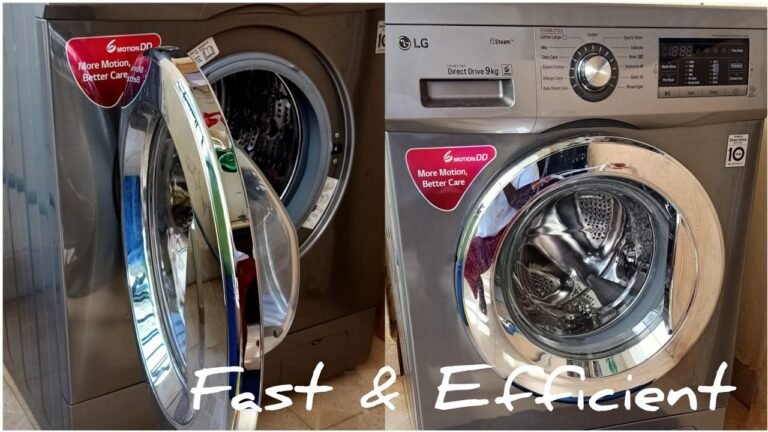
Front load impeller washing machines have a door on the front and a horizontal drum. These are often more energy and water efficient but may cost more. They also use advanced drum technology for better fabric care.
Choosing between the two depends on space, budget. And user preference. Front loaders often have better spin speeds, reducing drying time.
| Feature | Top Load Impeller Washer | Front Load Impeller Washer |
|---|---|---|
| Loading Style | Top lid | Front door |
| Water Use | Moderate | Low |
| Energy Efficiency | Good | Better |
| Spin Speed (RPM) | Up to 1200 | Up to 1400+ |
| Fabric Care | Gentle | Very gentle |
| Price Range | Lower to mid | Mid to high |
Both types benefit from impeller technology. But front loaders offer slightly better performance for energy and water savings.

For more on how to use impeller washers effectively, see our guide on how to use in washing machine.
Cleaning Performance and Fabric Care
Impeller washing machines clean clothes by rubbing fabrics against each other. This action lifts dirt without harsh scrubbing. The wash cycle uses less water but still rinses detergent well.
Fabric care is a top priority. Impeller washers reduce tangling and stretching. This helps keep clothes in good shape longer. Detergent dispensers and wash programs are designed for different fabric types.
Spin cycles reach high speeds to remove water efficiently. This cuts down drying time and energy use.
| Wash Program | Best For | Spin Speed (RPM) |
|---|---|---|
| Delicate | Silks, lace, fine fabric | 600-800 |
| Normal | Everyday clothes | 1000-1200 |
| Heavy Duty | Heavily soiled items | 1200-1400 |
Regular maintenance, such as cleaning the detergent drawer and running tub clean cycles, helps maintain cleaning performance.
Energy Efficiency and Water Consumption
Impeller washing machines lead the way in energy and water savings. Their design allows for lower water use without losing cleaning power. Water level sensors add just enough water for each load size.
Energy Star certified impeller washers meet strict guidelines for efficiency. They use advanced motors and wash cycles to reduce power use. This saves money on utility bills over time.
Water consumption in impeller washers is often 20-30% less than agitator washers. This makes them a smart choice for eco-conscious users.
- Wash full loads when possible
- Use cold or warm water settings
- Choose eco-friendly wash cycles
These small steps maximize the benefits of impeller technology.
Noise Levels and Durability of Impeller Machines
Impeller washers operate quietly thanks to reduced moving parts and vibration control tech. This makes them ideal for homes where noise is a concern.
Durability depends on the brand and model. Most impeller machines have robust motors and strong wash tubs. Regular maintenance extends their lifespan.
Users should check warranty terms and look for models with good service support. This ensures a smooth experience with their washer.
Washing Machine User Recommendations and Price Comparison
Many users recommend impeller washers for everyday laundry. They like the gentle clean and lower water bills. However, some prefer agitators for tough stains.
When buying, compare prices and features. Impeller machines range from affordable to premium. Consider load capacity, spin speed. And wash programs.
| Model | Type | Capacity (lbs) | Price ($) | Energy Star |
|---|---|---|---|---|
| Model A | Top Load Impeller | 4.5 | 650 | Yes |
| Model B | Front Load Impeller | 5.0 | 900 | Yes |
| Model C | Top Load Agitator | 4.0 | 500 | No |
Choosing the right washer depends on your laundry needs and budget. Impeller machines are a solid choice for those wanting energy efficiency and fabric care.
For more on how to maintain your washer, see our tips on how to clean my LG washing machine.
Conclusion
Impeller washing machines use modern technology to clean clothes gently and efficiently. They differ from agitator washers by using a low-profile wash plate instead of a central post. This gives better fabric care, saves water. And reduces noise.
Both top load impeller washers and front load impeller machines offer good options for different households. Choosing the right model depends on your space, budget. And laundry habits.
Energy savings, cleaning performance. And durability make impeller washers a smart choice for 2026 and beyond. With proper use and maintenance, they provide reliable service and gentle care for your clothes.
Frequently Asked Questions
What is an impeller washing machine?
An impeller washing machine uses a low-profile rotating disc or plate in the wash tub to clean clothes. It moves clothes gently with wash action instead of a central post.
How does an impeller washer differ from an agitator washer?
Impeller washers use a wash plate at the bottom to create water movement, while agitator washers have a central post that moves clothes more aggressively.
Are impeller washing machines more energy efficient?
Yes, impeller washing machines generally use less water and energy, making them high-efficiency washers with better Energy Star ratings.
What are the main advantages of impeller washers?
They offer gentle fabric care, lower water use, quieter operation, and larger load capacity compared to agitator washers.
Do impeller washers clean clothes well?
Yes, the impeller design provides effective cleaning and fabric care, although very heavy soil may require longer wash cycles.

Keith Boyd Is A Seasoned Appliance Care Expert With Over A Decade Of Experience In Home Appliance Maintenance. His Authoritative Insights On Washing Machine Care And Upkeep Are Trusted By Homeowners Nationwide. With A Passion For Educating Others, Keith Shares Valuable Tips That Ensure Your Appliances Run Smoothly For Years To Come.