Introduction to Washing Towels Properly
Washing towels correctly is key to keeping them soft and clean. Towels need special care because their fabric can wear out fast. Using the right washing machine settings helps keep towels fresh and absorbent for longer. This guide covers the best tips on towel washing and machine care.
Choosing the right laundry machine cycles ensures towels get a full clean without damage. For a deeper understanding of this mechanic, analyzing resources on towel washing techniques provides excellent foundational context. Let’s start by looking at the best washing machine settings for towels.
Choosing the Right Washing Machine Settings for Towels
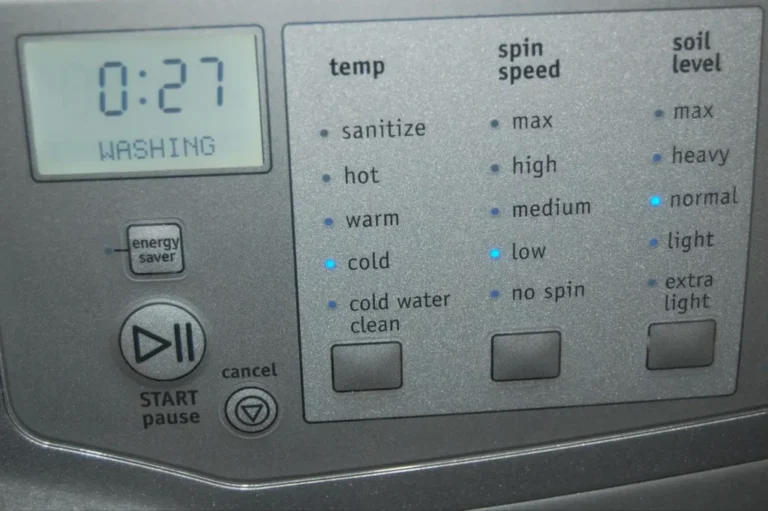
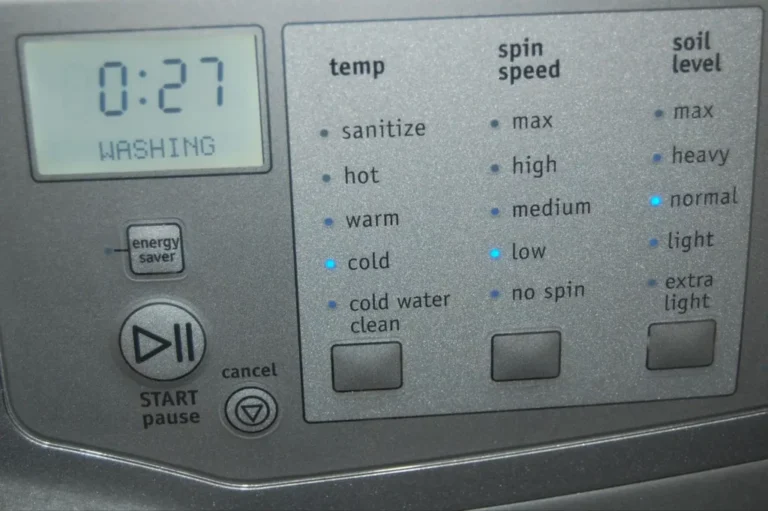
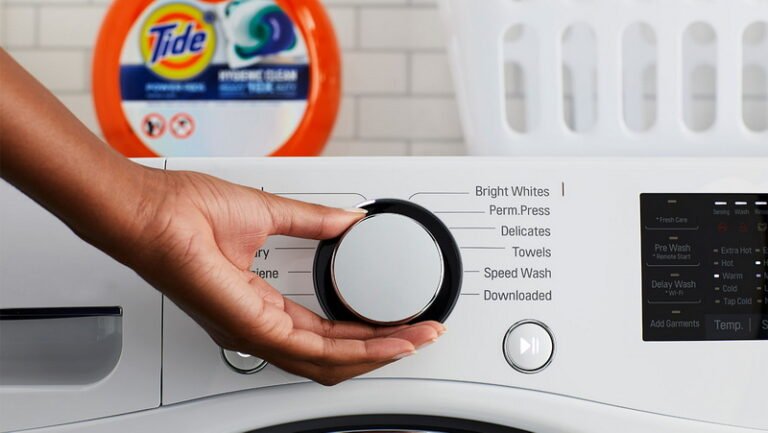
Always select a wash cycle designed for heavy or bulky items. Towels are thick and need more water and time to clean fully. Use warm water, about 40°C, to kill germs and keep fibers intact. Avoid very hot water as it can shrink towels or dull colors.
Spin speed matters. A medium spin speed of 800 to 1000 RPM removes water well without hurting the towel fibers. High spin speeds can roughen towels, making them less soft. The wash cycle length should be long enough for deep cleaning, around 45 to 60 minutes.
| Setting | Recommended Value | Notes |
|---|---|---|
| Water Temperature | Warm (40°C) | Kills germs, protects towel fabric |
| Spin Speed | 800-1000 RPM | Balances water removal and fiber care |
| Wash Duration | 45-60 minutes | Allows thorough cleaning |
| Load Size | Medium to Large | Prevents overcrowding, better cleaning |
Load size is key. Don’t overload your machine. For towels, fill about 60% of the drum. This space lets water and detergent move freely. Overloading can cause towels to come out stiff or still dirty.
Fabric softener use should be limited. It can reduce towel absorbency. Use products made for towels or add softener only in the rinse cycle. Many modern machines have a dispenser for fabric softener, which helps control the amount used.
Understanding Towel Fabric Care Labels
Towels come in different fibers like cotton, bamboo, or blends. Always check the fabric care label before washing. It tells you the best temperature and cycle type. For example, delicate towels need gentle cycles and cooler water.
Following the towel fabric care label helps maintain towel quality and color. Ignoring washing instructions may cause shrinking, fading, or damage to fabric fibers. If unsure, use the gentlest recommended cycle and warm water to be safe.
Some towels have special finishes that make them fluffier or resist stains. These finishes can be damaged by harsh detergents or fabric softeners. Choose mild detergents designed for towels to protect these features.
Energy efficiency is also important in modern washing. Use cycles labeled as energy-saving when possible. Washing towels in cold water is a good energy saver if you use detergents effective at low temperatures. This method also reduces water heating costs.
Step-by-Step Guide to Washing Towels in a Machine
Start by sorting towels by color and fabric type. Place towels loosely in the drum, filling about 60% capacity. Add detergent made for towels. Avoid using too much detergent because it can leave residue.
Set the machine to a warm wash cycle, medium spin speed, and a wash duration of 45 to 60 minutes. Add fabric softener in the dispenser if desired. Use the rinse cycle to remove all detergent and softener residues.
After washing, dry towels properly. High heat in dryers can damage fibers. Use medium heat or air dry to keep towels soft and long-lasting. Avoid over-drying which causes towel stiffness.
| Step | Action | Tip |
|---|---|---|
| 1 | Sort towels | Separate by color and fabric |
| 2 | Load towels | Fill 60% of drum for best wash |
| 3 | Add detergent | Use towel-specific detergent |
| 4 | Select settings | Warm wash, medium spin, 45-60 min |
| 5 | Add fabric softener | Use in rinse cycle only |
| 6 | Dry towels | Use medium heat or air dry |
Following these washing instructions improves towel hygiene and cleanliness. Proper washing also removes stains and odors effectively. For towel stain removal tips, pretreat spots before washing using mild stain removers or natural solutions like baking soda.
Regular machine maintenance also helps. Clean your washing machine’s filters and drum monthly to avoid buildup of detergent or lint that can stick to towels. Learn about how to clean your washing machine rubber seal to prevent mold and bad odors.
:max_bytes(150000):strip_icc()/how-to-select-the-correct-cycle-2145866_FINAL-10d1b95640284e0a8d01d4523455c7ee-25c018a4c0304212a13315b7ab181e33.png "How to Select Washer Settings for Clothes and Towels (Figure)")
Energy Efficient Towel Washing Tips
Washing towels can use a lot of water and power. To reduce energy consumption, wash full loads but do not overload. Use cold or warm water instead of hot to save energy. Choose eco-friendly wash cycles on your machine, which use less water and shorter cycles.
Modern detergents work well in cold water and protect towel fibers. Avoid extra rinse cycles unless towels are heavily soiled. Also, line drying towels when weather permits saves energy and keeps towels fresh.
Remember, regular care of your washing machine improves its efficiency. Clean the detergent dispenser and filters to prevent blockages. This reduces water usage and keeps the machine running smoothly.
- ✅ Cold water wash saves up to 90% energy.
- ✅ Medium spin speed protects towel fibers.
- ✅ Use detergent designed for towels for best results.
- ✅ Do not overload the machine to ensure full cleaning.
Preventing Towel Damage in the Washing Machine
Overloading is a common cause of towel damage. When towels can’t move freely, they rub against each other, causing fibers to break. This makes towels rough and less absorbent.
Avoid using bleach often as it weakens towel fibers and colors. Instead, use oxygen-based stain removers for tough spots. Also, avoid fabric softeners if you want to keep towels fluffy and absorbent.
Use the right detergent type. Powder detergents can leave residue; liquid detergents dissolve better. Regularly clean your washing machine to prevent buildup that can stick to towels.
| Cause | Effect | Solution |
|---|---|---|
| Overloading | Fiber damage, poor cleaning | Fill 60% drum capacity |
| Excess bleach | Weakens fibers, fades color | Use oxygen stain removers |
| Too much detergent | Residue buildup, stiffness | Follow detergent instructions |
| Fabric softener | Reduces absorbency | Use sparingly or towel-specific softener |
Maintaining towel hygiene through proper washing machine fabric softener use and regular machine care protects your towels. This helps towels last longer and stay fresh.
For more details on fabric softener use, visit the Whirlpool guide on how to wash and dry towels.
Conclusion: Best Practices for Washing Towels in 2026
Setting your washing machine correctly for towels is simple but important. Use warm water, medium spin speed, and the right wash cycle length. Follow towel fabric care labels and avoid overloading. Use detergents and fabric softeners designed for towels to keep them soft and absorbent.
Energy-efficient washing saves money and helps the environment. Regular machine maintenance ensures your washer cleans towels well without damage. Remember to dry towels gently for long-lasting softness.
Following these tips will keep your towels clean, soft, and fresh for years. Proper towel washing is a key part of good laundry hygiene and fabric care in 2026.
For further tips on washing towels and setting your machine, explore our guide on the quietest washing machine to find models that work best for delicate and heavy loads like towels.
Frequently Asked Questions
What washing machine settings are best for towels?
Use a warm wash cycle with medium spin speed and a longer wash duration to clean towels thoroughly without damage.
Can I wash towels in cold water?
Yes, washing towels in cold water saves energy and is effective if you use the right detergent and wash cycle.
Should I use fabric softener when washing towels?
Fabric softener can reduce towel absorbency. Use it sparingly or choose a softener designed for towels.
How do I prevent towel damage in the washing machine?
Avoid overloading, use gentle cycles, and follow towel fabric care labels to prevent damage.
What is the ideal spin speed for towels?
A medium spin speed is ideal to remove excess water without causing fiber damage.

Keith Boyd Is A Seasoned Appliance Care Expert With Over A Decade Of Experience In Home Appliance Maintenance. His Authoritative Insights On Washing Machine Care And Upkeep Are Trusted By Homeowners Nationwide. With A Passion For Educating Others, Keith Shares Valuable Tips That Ensure Your Appliances Run Smoothly For Years To Come.