Understanding Machine Washable Rugs
Not all rugs can go in the washing machine. Only certain rugs are machine washable. These usually have labels that say so. Rugs made from synthetic fibers like polyester or nylon are often safe. Natural fiber rugs, such as wool or jute, usually need special care and should not be machine washed.
Checking the manufacturer guidelines is very important before washing any rug. Following these rules helps keep the rug safe and clean for longer. For those interested in pest control, see our guide on how washing machines affect bed bugs.
Machine washable rugs offer a simple way to keep your floors clean. But the process must be done right to avoid damage like fiber shrinkage or color fading.
Types of Rugs and Their Cleaning Needs
There are many types of rugs, and each needs different cleaning methods. Synthetic rugs can often be washed in a machine. Natural fiber rugs require gentler care, often hand washing or dry cleaning. Delicate fabrics need careful treatment to avoid abrasion or color loss.
Understanding the fiber type helps choose the best cleaning method. Rugs with heavy stains or thick pile might not be good candidates for machine washing. In these cases, spot cleaning or professional cleaning is better.
Cleaning synthetic rugs at home is easier than natural fiber rugs. Synthetic fibers handle water and detergent well, but natural fibers can shrink or get damaged.
Best Rug Cleaning Methods for 2026
There are three common ways to clean rugs: machine washing, hand washing, and professional cleaning. Machine washing is best for small, durable rugs marked as machine washable. Hand washing works for delicate or medium-sized rugs. Dry cleaning is safest for natural fiber rugs that might shrink or lose color.
Many experts advise washing delicate rugs by hand using mild detergent. This reduces the risk of damage. For machine washable rugs, use the right washer settings for rugs, like gentle cycles and cold water.
For detailed guidance on how to clean rugs with machines, resources like the article on washing rugs in the washing machine offer great insights.
Step-by-Step Machine Wash Instructions
Start by shaking or vacuuming the rug to remove loose dirt. Check for stains and treat them with a mild stain remover. Use a gentle detergent designed for delicate fabrics. Avoid bleach or fabric softener, which can harm fibers.
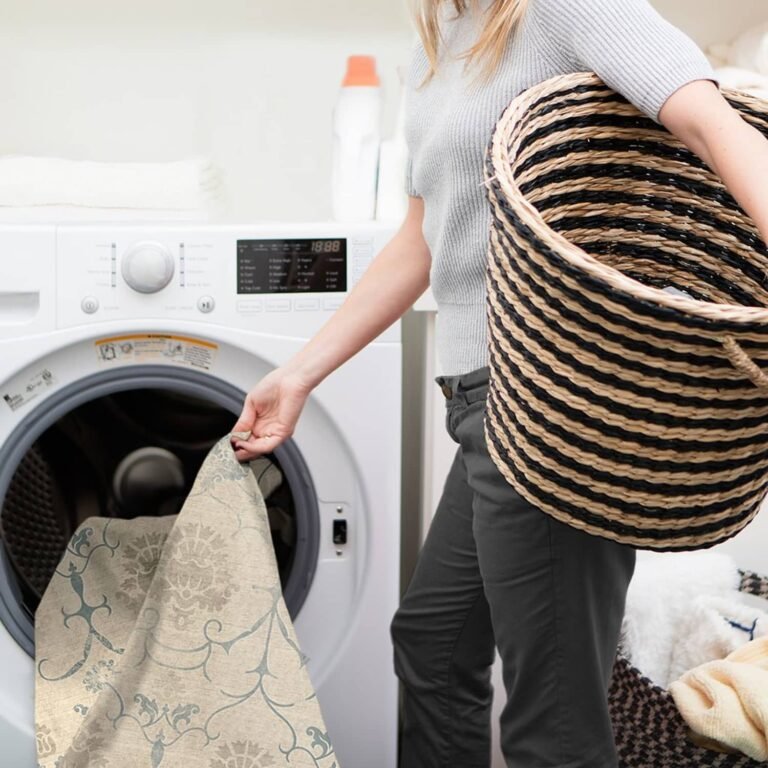
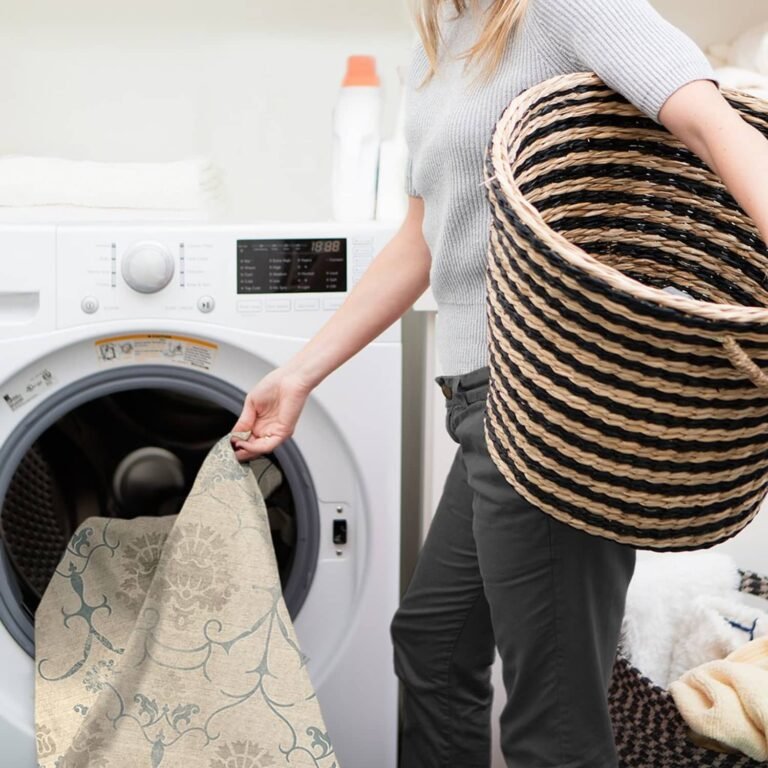
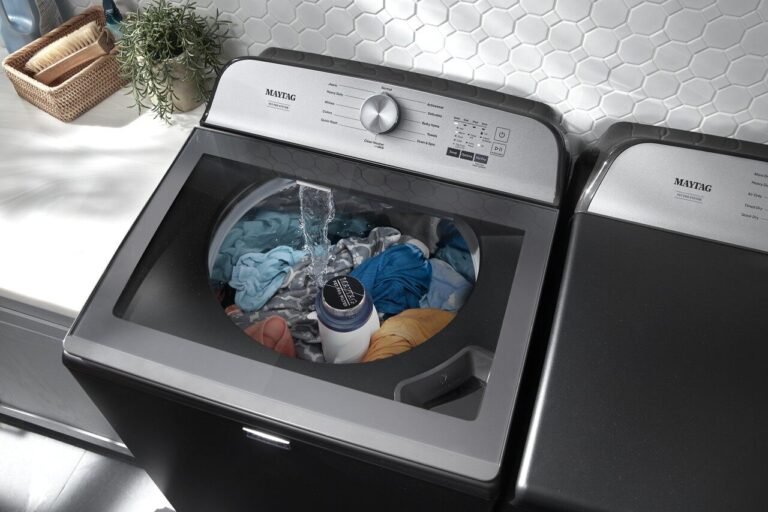
Load the rug in the washing machine alone or with similar items. Choose a cold water setting and gentle wash cycle. The spin speed should be low to protect the rug’s shape and fibers. After washing, remove the rug promptly.
Always clean the lint filter of the washing machine after washing rugs to keep the machine running well and to remove any loose fibers.
Step-by-Step Guide for Machine Washing Rugs
- Shake or vacuum the rug.
- Treat stains with mild stain remover.
- Use gentle detergent, no bleach.
- Set machine to cold water, gentle cycle.
- Use low spin speed.
- Remove rug promptly after wash.
Rug Drying Techniques
Drying rugs correctly is key to prevent damage. Avoid using a dryer as heat can shrink or warp the rug. Instead, air dry the rug flat, preferably outside in shade to avoid sun damage. Flip the rug occasionally for even drying.
For thick or large rugs, drying can take a long time. Ensure the rug is fully dry before putting it back on the floor to prevent mold or mildew. Sometimes using fans indoors can speed drying safely.
How to Prevent Rug Damage
Preventing damage means following the right cleaning routine. Use mild detergents and gentle wash cycles. Avoid harsh chemicals. Check the rug size against your machine capacity to avoid strain on both the rug and washer.
Also, avoid washing rugs too often. Excessive washing can wear down fibers. Regular vacuuming and prompt stain removal help reduce the need for deep washing.
:max_bytes(150000):strip_icc()/SPR-how-to-wash-a-ruggable-rug-7966013-03-cfc9559f653245b1a947cdeafed65de9.jpg "Should You Wash Rugs in the Washing Machine? (Figure)")
Using cold water helps prevent color fading and fiber shrinkage. Always follow the rug’s care label and manufacturer instructions.
Recommended Rug Cleaning Frequency
Cleaning frequency depends on rug use and type. Low-traffic rugs can be cleaned every 6 to 12 months. High-traffic rugs may need washing every 3 to 6 months. Spot cleaning should be done immediately for spills or stains.
Regular maintenance like vacuuming extends the time between washings. For delicate or natural fiber rugs, less frequent washing and more spot care is recommended.
| Rug Type | Traffic Level | Cleaning Frequency |
|---|---|---|
| Synthetic | Low | Every 6-12 months |
| Synthetic | High | Every 3-6 months |
| Natural Fibers | All | Spot clean, annual deep clean |
| Delicate Rugs | All | Spot clean, hand wash as needed |
Choosing the right detergent also plays a role in maintaining your rug. Use a detergent that is gentle and formulated for delicate fabrics. Harsh detergents can break down fibers or cause color loss.
For cleaning delicate rugs at home, hand washing remains a preferred method. It offers better control and reduces risks. For more on hand washing and fabric care, read our tips on how to clean stuffed animals without a washing machine.
Removing Rug Stains Safely
Stain removal should be done quickly and carefully. Use a mild detergent mixed with water. Dab the stain gently with a clean cloth. Avoid rubbing hard, which can damage fibers. For tough stains, specialized rug cleaners are available.
Test any cleaning solution on a small hidden part of the rug first. This ensures it won’t cause color fading or damage. Always follow the product instructions.
Beginner Tip: Always blot stains instead of rubbing for safer stain removal.
Cleaning Synthetic vs Natural Fiber Rugs
Synthetic rugs are usually easier to wash. They tolerate water and detergents well and can often be machine washed. Natural fiber rugs need more care. Wool, cotton, or jute rugs can shrink or lose color in machines.
Hand washing or professional cleaning is preferred for natural fibers. They also dry slower and need to be kept flat during drying. Avoid harsh chemicals and hot water for these rugs to keep them in good shape.
| Rug Material | Machine Wash Safe | Preferred Cleaning | Risks |
|---|---|---|---|
| Synthetic Fibers | Yes | Machine or hand wash | Low risk of shrinkage |
| Wool | No | Hand wash or dry clean | Shrinkage, color fading |
| Jute | No | Spot clean or dry clean | Damage from water |
| Cotton | Sometimes | Hand wash or gentle machine | Possible shrinkage |
Final Thoughts on Washing Rugs in Washing Machines
Washing rugs in a washing machine is possible but only for certain types. Always check if your rug is machine washable first. Use gentle cycles, cold water, and mild detergent to protect fibers and colors. Avoid drying rugs in machines; air dry flat instead.
Regular vacuuming and spot cleaning reduce how often deep washing is needed. For delicate and natural fiber rugs, hand washing or professional cleaning is safer. Following these tips helps keep your rugs looking good and lasting longer.
For a deeper understanding of rug cleaning mechanics, analyzing resources on rug washing with machines provides excellent foundational context.
| Check rug label for machine wash advice |
| Pre-treat stains gently |
| Use cold water and gentle cycle |
| Select mild detergent, no bleach |
| Air dry rug flat, avoid dryer |
Frequently Asked Questions
Can all rugs be washed in a washing machine?
No, only rugs labeled as machine washable or made of durable synthetic fibers are safe for washing in a machine.
What washing machine settings are best for rugs?
Use a gentle or delicate cycle with cold water to protect rug fibers and colors.
How often should rugs be cleaned in a washing machine?
Most rugs benefit from cleaning every 6 to 12 months, but high-traffic rugs may need cleaning more often.
Can natural fiber rugs be machine washed?
Natural fiber rugs like wool or jute usually should not be machine washed as it can cause shrinkage and damage.
What is the best way to dry rugs after washing?
Air drying flat is best to keep the rug shape and avoid damage from heat or tumbling in a dryer.

Michael Peterson is a home appliance writer focused on practical washing machine care, maintenance, and troubleshooting. He shares simple, reliable tips to help readers keep their washing machines running efficiently, avoid common problems, and extend appliance life.