Introduction to Washing Comforters at Home 🚀
Many people wonder if washing a comforter at home is safe. Comforters are bulky and filled with delicate materials. But with the right washing machine and care, it is possible. Understanding the fabric type and washer capacity helps avoid damage.
For a deeper understanding of washing comforters in machines, analyzing resources on washing comforters in a washing machine provides excellent foundational context.
Different fabrics and fillings require special care. Machine washable comforters are designed to handle home washers, but some need dry cleaning or professional care.
Comforter Fabric Types and Washing
Comforters come in many fabric types like cotton, polyester, and blends. Down filling is soft and warm but delicate. Synthetic filling is easier to wash and dries faster.
Always check the comforter’s laundry care label. It guides on water temperature and wash cycle. Some cotton comforters can be washed on warm water, but down comforters usually require cold water and gentle cycles.
Detergents safe for comforters are mild and free of bleach. Harsh chemicals can ruin the fabric or filling.
Comforter Size and Washer Capacity
Washer capacity is key. A small washer can damage a large comforter by squeezing or uneven washing. Queen or king size comforters often need extra-large front load washers.
Top load washers with agitators may be rough on comforters. Front load washers spin gently and have more room for bulky bedding.
When unsure about washer size, consider using a laundromat with large machines designed for bulky items.
Best Washing Machine Settings for Comforters
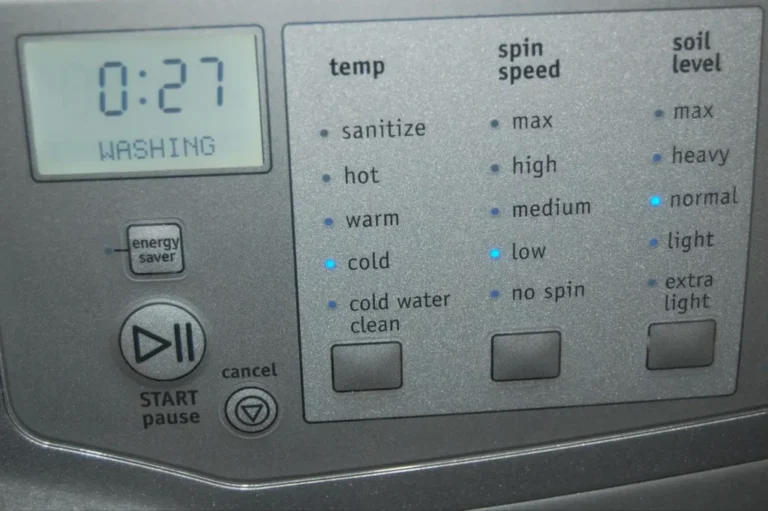
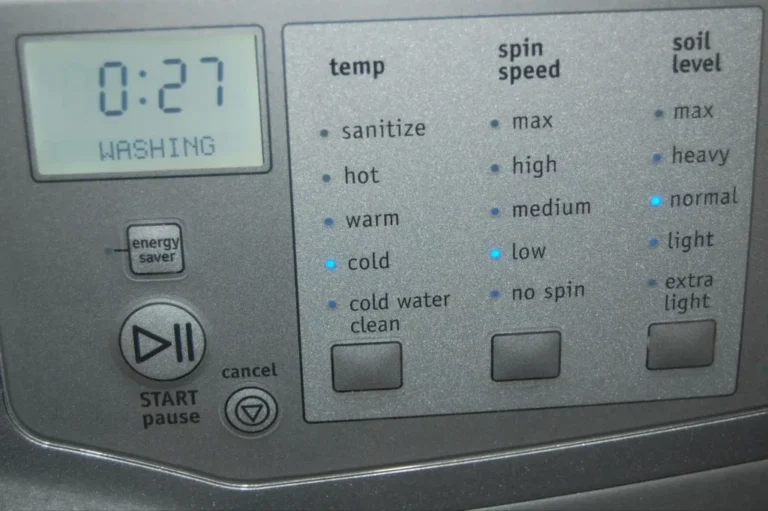
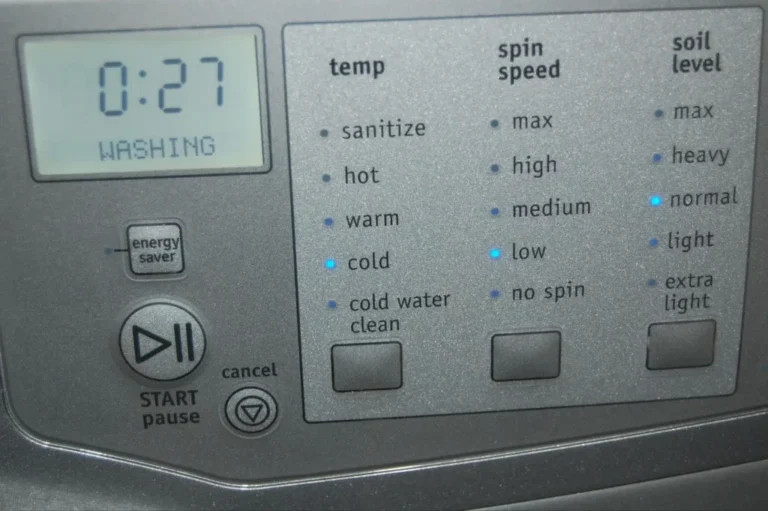
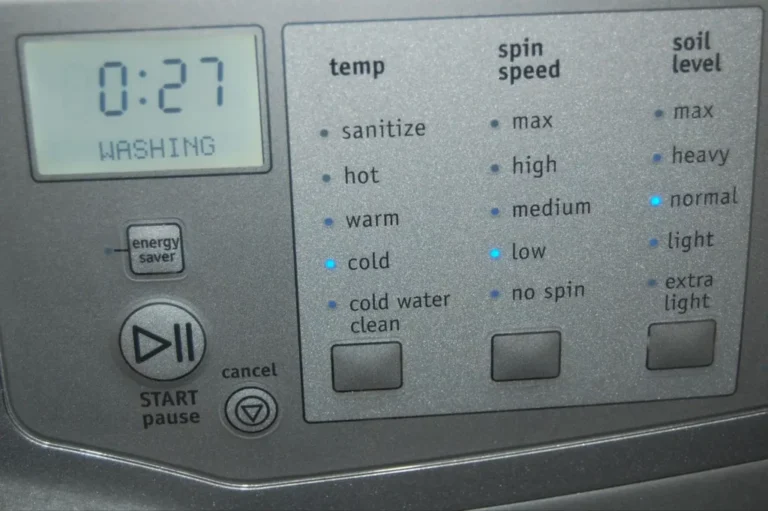
Set your machine to a delicate or gentle wash cycle. Use cold or warm water to protect the fabric and filling. Avoid hot water which can shrink or damage materials.
Choose a low spin speed to prevent filling from clumping. A longer wash cycle helps clean bulky bedding better.
Use a mild detergent that does not contain bleach or fabric softeners. These can harm delicate fabrics and fillings.
| Setting | Recommendation |
|---|---|
| Cycle | Delicate or Bulky Bedding |
| Water Temperature | Cold or Warm |
| Spin Speed | Low |
| Detergent | Mild, bleach-free |
Following these settings helps protect your comforter during home laundering.
Laundering Down Comforters
Down comforters need gentle care. Use cold water and a delicate cycle. Add a few dryer balls during drying to keep feathers fluffy and prevent clumping.
Do not overload the washer to allow enough room for the comforter to move freely. This helps remove dirt and oils effectively.
Dry thoroughly to avoid mildew. It may take several drying cycles on low heat.
Washing Synthetic Comforters Safely
Synthetic comforters are usually easier to wash. Use warm water and a gentle cycle. Mild detergent works well.
Spin at low speed to protect the fill. Dry using low heat and dryer balls to maintain softness and shape.
Check care labels for any special instructions to avoid damage.
Removing Stains from Comforters
Treat stains before washing. Use a mild stain remover or gentle soap. Dab the stain gently; do not rub harshly.
Allow the stain remover to sit for a few minutes before washing. This improves stain removal without harming fabrics.
Avoid bleach on colored fabrics; it can cause discoloration.
Drying Comforters After Washing
Drying is critical. Use a large capacity dryer set to low heat. High heat can damage the fabric or filling.
:max_bytes(150000):strip_icc()/how-to-wash-down-filled-bedding-350482-81ec2947d5144bdca738bcefa5eb1fa9.png "How to Clean and Care for a Down Comforter or Duvet (Figure)")
Add dryer balls or clean tennis balls to help fluff the filling and prevent clumps. Shake the comforter between drying cycles.
Ensure full drying to avoid mildew or odors. Sometimes air drying after machine drying helps.
| Drying Tip | Reason |
|---|---|
| Low Heat Setting | Protect fabric and filling |
| Dryer Balls | Keep filling fluffy |
| Shake comforter | Prevent clumps |
| Dry completely | Avoid mildew |
Proper drying extends comforter life and comfort.
Common Washing Machine Damage to Comforters
Damage can occur if the comforter is too large for the washer or if harsh cycles are used. Fillings can clump, and fabrics may tear.
Using the wrong detergent or water temperature can also cause fading or shrinkage. Overloading the washer stresses the machine and bedding.
Choose a washer recommended for bedding and follow care instructions closely.
Machine Wash vs Dry Clean Comforters 🆚
Machine washing is convenient and usually safe for synthetic and some cotton comforters. Dry cleaning is best for delicate fabrics and some down comforters.
Dry cleaning uses special chemicals and avoids water, preventing shrinkage and damage. It is more costly and less eco-friendly.
Refer to the care label to decide the best cleaning method for your comforter.
Comforter Care Instructions ✅
- ✅ Check the laundry care label before washing.
- ✅ Use mild detergent and gentle cycles.
- ✅ Wash separately to avoid damage from other items.
- ✅ Do not overload the washing machine.
- ✅ Dry thoroughly on low heat with dryer balls.
Following these tips ensures your comforter stays soft and lasts.
Step-by-Step Comforter Washing Guide 📌
- Read the care label for specific instructions.
- Treat any stains with a mild stain remover.
- Load the comforter loosely in the washing machine.
- Set the machine to a gentle or bulky bedding cycle.
- Use cold or warm water and a mild detergent.
- After washing, dry on low heat with dryer balls.
- Shake the comforter during drying to prevent clumping.
- Ensure it is completely dry before use or storage.
This guide helps you safely clean your comforter at home.
| Step | Action | Tip |
|---|---|---|
| 1 | Check Care Label | Know fabric and washing needs |
| 2 | Pre-treat Stains | Use mild stain remover |
| 3 | Load Washer | Do not overload |
| 4 | Select Cycle | Gentle or bulky bedding |
| 5 | Add Detergent | Mild, bleach-free |
| 6 | Dry | Low heat with dryer balls |
Following these steps aligns with best laundry practices for comforters.
Remember, if your comforter is very large or made from delicate materials, professional cleaning might be best.
Also, for those concerned about washing machine safety with heavy items, exploring topics on washing machine safety and risks offers important insights into proper machine use.
Another useful guide on washing stuffed toys in washing machines shares similar laundering tips for bulky, delicate items.
Conclusion
Washing comforters in a washing machine is doable with the right approach. Check fabric types, use the correct wash cycle, and avoid overloading. Dry carefully to keep the filling soft and fresh.
Using a front load washer and mild detergent improves results and protects your bedding. When in doubt, follow care labels or seek professional cleaning.
With these expert tips, your comforter will stay clean, cozy, and last many years.
Frequently Asked Questions
Can all comforters be washed in a washing machine?
No, not all comforters are machine washable. It’s important to check the laundry care label. Some down or delicate fabric comforters may need dry cleaning.
What is the best washing machine setting for comforters?
Use a gentle or delicate cycle with cold or warm water. Avoid hot water as it can damage the fabric or filling.
Should I use a front load or top load washer for washing comforters?
Front load washers are generally better for comforters because they are gentler and have larger capacity, reducing wear and tear.
How do I dry a comforter after washing?
Dry comforters on a low heat setting with dryer balls to keep the filling fluffy. Make sure it’s completely dry to avoid mildew.
Can washing a comforter in a machine damage it?
Yes, improper washing can cause damage like clumping filling or fabric tears. Follow care instructions and use the right cycle and detergent.

Keith Boyd Is A Seasoned Appliance Care Expert With Over A Decade Of Experience In Home Appliance Maintenance. His Authoritative Insights On Washing Machine Care And Upkeep Are Trusted By Homeowners Nationwide. With A Passion For Educating Others, Keith Shares Valuable Tips That Ensure Your Appliances Run Smoothly For Years To Come.