Understanding Black Mould in Washing Machines
Black mould, often known as Stachybotrys chartarum, is a fungus that thrives in damp places. Washing machines create a perfect spot for mould because they stay wet and warm. Residue from detergents and fabric softeners can also help mould grow. This leads to mold growth conditions inside the machine, especially around the rubber gasket and detergent drawer.
Many people ask if black mould in a washing machine is dangerous. Industry consensus indicates that black mould can pose health risks, especially for people with weakened immune systems or allergies. For a deeper understanding of this mechanic, analyzing resources on black mould safety in washing machines provides excellent foundational context.
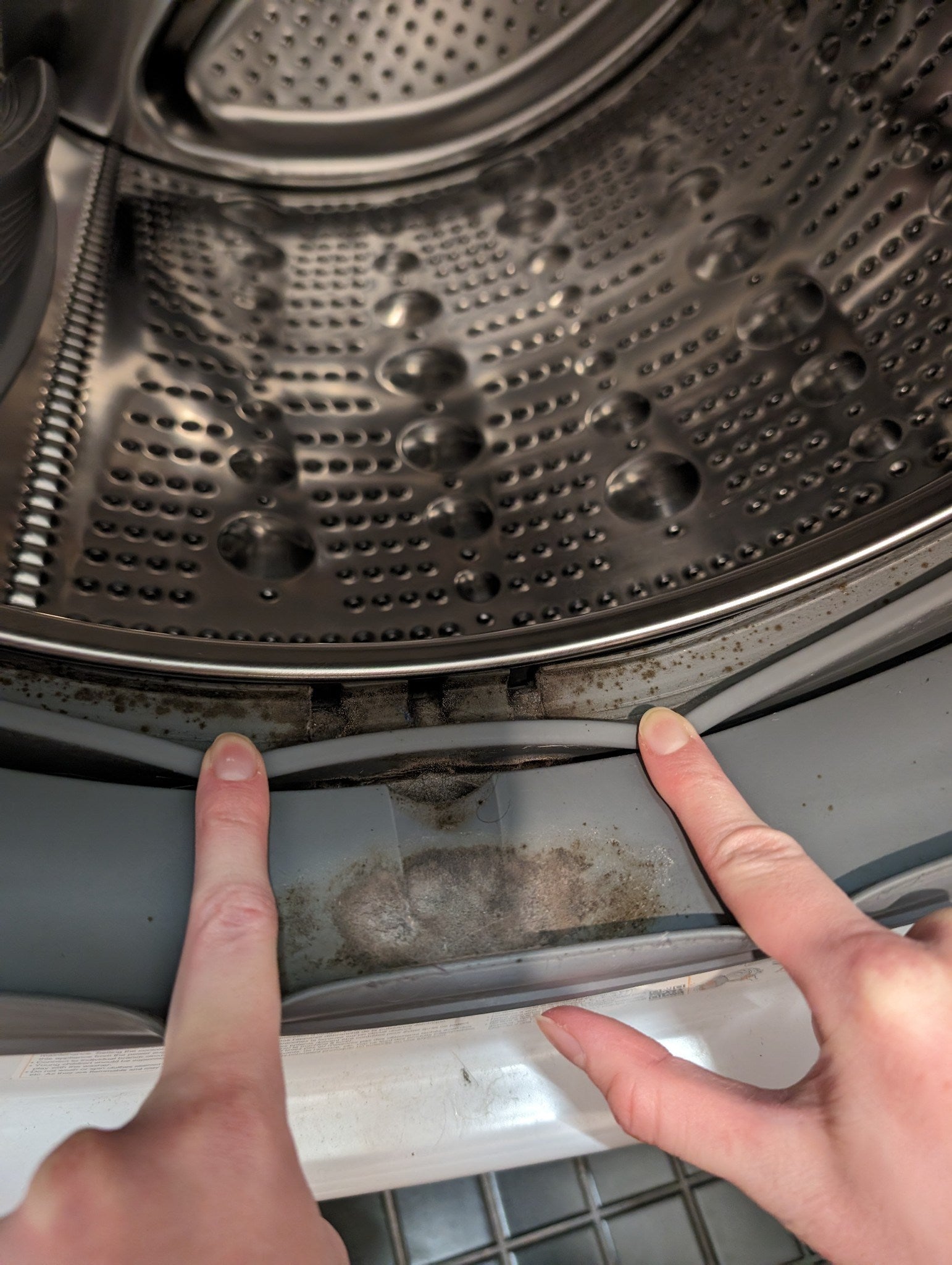
It is important to spot the signs early. These include a musty smell and dark spots on the rubber seals. Ignoring these signs can lead to worse contamination.
Health Risks of Black Mould Exposure
Black mould releases mycotoxins, which are toxic substances that can harm the body. Breathing in airborne spores from mould may cause allergic reactions like sneezing, coughing, and itchy eyes. In some cases, it can lead to serious respiratory issues such as asthma or infections.
Long-term exposure to black mould can weaken the immune system. People with allergies may also develop symptoms like skin rashes or headaches. Children and elderly people are more vulnerable to these effects.
Effects of mold exposure are not limited to breathing problems. Some studies show that chronic exposure can cause fatigue and difficulty concentrating. This is why removing mould from home appliances is so important.
Causes of Mold in Washing Machines
Mould grows in washing machines due to a mix of moisture, warmth, and food sources like detergent residue. Front-loading machines are more at risk because their door seals trap water. Poor drainage or water leakage can also help mould spread inside.
Other causes include:
- ✅ Leaving the door closed after use
- ✅ Not cleaning the detergent drawer
- ✅ Using too much detergent or fabric softener
- ✅ High humidity in the laundry room
Regular washing machine maintenance is key to preventing these conditions. Cleaning the gasket and running cleaning cycles help reduce mould build-up.
Detecting Mold in Your Washing Machine
Visual checks can catch mould early. Look for black or greenish spots inside the rubber seal or detergent drawer. Also, notice any musty smells coming from the machine.
Sometimes, mould causes clothes to smell bad or stain after washing. This is a clue that spores are present. Using a flashlight can help find hidden mould in dark corners.
To keep your machine clean, you can find detailed advice on how to clean mold from laundry machine. This guide explains the best ways to keep your appliance safe.
| Signs of Mold | Where to Check |
|---|---|
| Black spots or stains | Rubber gasket, detergent drawer |
| Musty smell | Inside drum, door area |
| Clothes with odd odor | After washing cycle |
Ignoring these signs can cause mould to spread further.
Safe Mold Removal Methods
Cleaning black mould safely is essential to avoid spreading spores. Use gloves and masks when cleaning. Chemical disinfectants or special sanitizing agents work well to kill mould.
Start by wiping the rubber seals and detergent drawer with a bleach solution or vinegar. Then run an empty hot wash cycle to clean the drum and pipes. Avoid mixing chemicals, as this can be dangerous.
Here is a simple step-by-step guide for washing machine mold removal:
- Wear protective gloves and mask.
- Mix a cleaning solution with bleach or vinegar.
- Wipe all rubber seals, detergent drawers, and visible spots.
- Run a hot cycle without clothes using cleaning agents.
- Leave the door open to dry completely.
Using chemical disinfectants regularly can prevent mould from returning. For more cleaning tips, see our advice on how to clean my front loader washing machine.
Preventing Mold Growth in Laundry Machines
Prevention is better than removal. To stop mould, always keep the washing machine dry. Leave the door open after use to let air in. Wipe the gasket and detergent drawer often.
Use the right amount of detergent and avoid fabric softeners that leave residue. Clean the machine monthly with hot water cycles and sanitizers.
Ensure the laundry room is well-ventilated to lower humidity. Check for leaks and fix them quickly. Also, clean the dryer vent to reduce moisture.
| Prevention Tips | Benefits |
|---|---|
| Leave door open after use | Dries machine, stops mold growth |
| Clean seals and drawers regularly | Removes spores and residue |
| Use correct detergent amount | Less residue build-up |
| Fix leaks promptly | Prevents water accumulation |
Following these steps lowers the chance of household mold contamination. It also keeps your clothes fresh and safe.
Impact of Mold on Clothes and Home
Mould spores from washing machines can settle on clothes. This causes stains and odors that are hard to remove. It may also lead to skin irritation when wearing affected clothes.
Spreading spores can contaminate other household items. Over time, this household allergen can worsen indoor air quality. It may also cause damage to walls or floors if moisture is present.
Regular cleaning and maintenance reduce these risks. For advice on keeping your laundry area free of mold, check our guide on how to clean laundry machine.
Black Mould vs Other Molds
Not all moulds are equally harmful. Black mould is known for producing mycotoxins, which are more toxic than other mould types. However, other moulds can still cause allergic reactions and damage.
It’s important to identify the type of mould to understand the health risks. Black mould often appears slimy and dark green or black. Other moulds may look fuzzy and vary in color.
Proper identification helps with effective mold remediation. Professional help may be needed for severe infestations.
| Mold Type | Color | Health Risk |
|---|---|---|
| Black Mould (Stachybotrys chartarum) | Black or dark green | High – Mycotoxins, respiratory issues |
| Cladosporium | Green or brown | Moderate – Allergies |
| Penicillium | Blue or green | Low to moderate – Allergies |
Knowing the difference can guide safe cleaning and prevention.
Conclusion
Black mould in washing machines is a real danger to both health and home hygiene. Its toxic spores can cause allergic reactions and serious respiratory issues. The best defense is regular cleaning and mold prevention.
Keep your washing machine dry and clean the rubber seals and detergent drawer often. Use safe cleaning agents and run hot wash cycles to kill mould. Fix leaks and keep your laundry room dry to stop mould growth.
Understanding the risks of black mould and how to remove it safely protects your family and clothes. For more detailed advice, exploring the topic of how to clean mold from laundry machine offers valuable insight. Taking action now keeps your home fresh and safe in 2026 and beyond.
🚀 Beginner Tip: Always leave the washing machine door open for a few hours after washing to reduce moisture buildup.
⭐ Expert Insight: Consistent use of chemical disinfectants, like diluted bleach or vinegar, is proven to reduce fungal growth and biofilm formation in washers.
Frequently Asked Questions
What causes black mould in washing machines?
Black mould grows in washing machines due to moisture, detergent residue, and poor ventilation. These create a humid environment that supports fungal growth.
How can black mould affect my health?
Exposure to black mould spores can cause allergic reactions, respiratory problems, and in some cases, more serious health issues related to mycotoxins.
What are the signs of mould in washing machines?
Signs include a musty odor, visible black spots on the gasket or drum, and sometimes stains on clothes after washing.
How do I safely clean black mould from my washing machine?
Use chemical disinfectants or sanitizing agents designed for mould. Clean the gasket, detergent dispenser, and run a hot cycle with bleach or vinegar.
Can mould in washing machines damage clothes?
Yes, mould spores can transfer to clothes, causing stains and odors that are hard to remove.

Michael Peterson is a home appliance writer focused on practical washing machine care, maintenance, and troubleshooting. He shares simple, reliable tips to help readers keep their washing machines running efficiently, avoid common problems, and extend appliance life.