Understanding the Washing Machine Drum
The washing machine drum is the core part that holds your laundry. It spins to clean clothes using water and detergent. Knowing how it works helps you keep your machine in good shape. For a deeper understanding of this mechanic, analyzing resources on washing machine drum basics provides excellent foundational context.
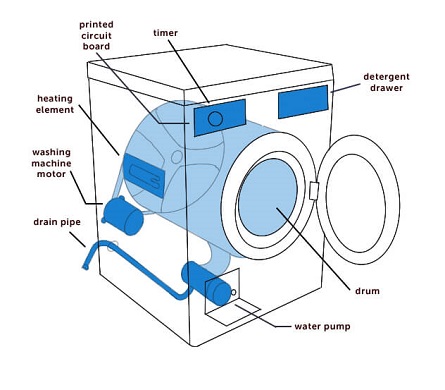
Drums are found inside every washing machine, but they vary by type, size, and material. They must work smoothly with other washing machine parts like the motor, bearings, and drive belt. This article explores how the drum functions, its types, and care tips for 2026.
How Does the Washing Machine Drum Work?
The drum spins during the wash and spin cycles. It holds clothes and moves them through water and detergent. This motion helps remove dirt and stains. The holes in the drum let water flow in and out, aiding in rinsing and draining.
During the spin cycle, the drum rotates fast to squeeze water from clothes. This reduces drying time. The motor controls the drum’s rotation, while bearings and drive belts help it turn smoothly. Proper drum balance is essential to avoid vibration and noise.
Washing machine drum rotation is key to effective cleaning. The drum turns back and forth or continuously, depending on the machine type. The tub surrounds the drum, catching water and protecting other parts.
Types of Washing Machine Drums
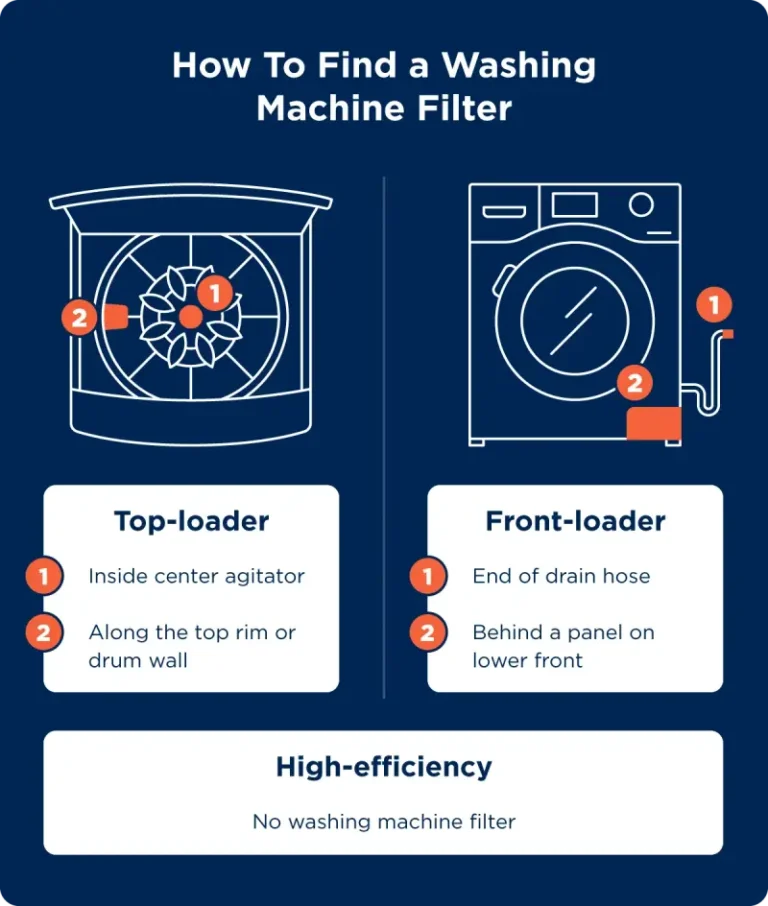
Two common drum types are front load and top load. Front load washing machine drums spin horizontally. They use gravity and tumbling to clean clothes gently. Top load drums spin vertically and often have an agitator in the middle to move clothes.
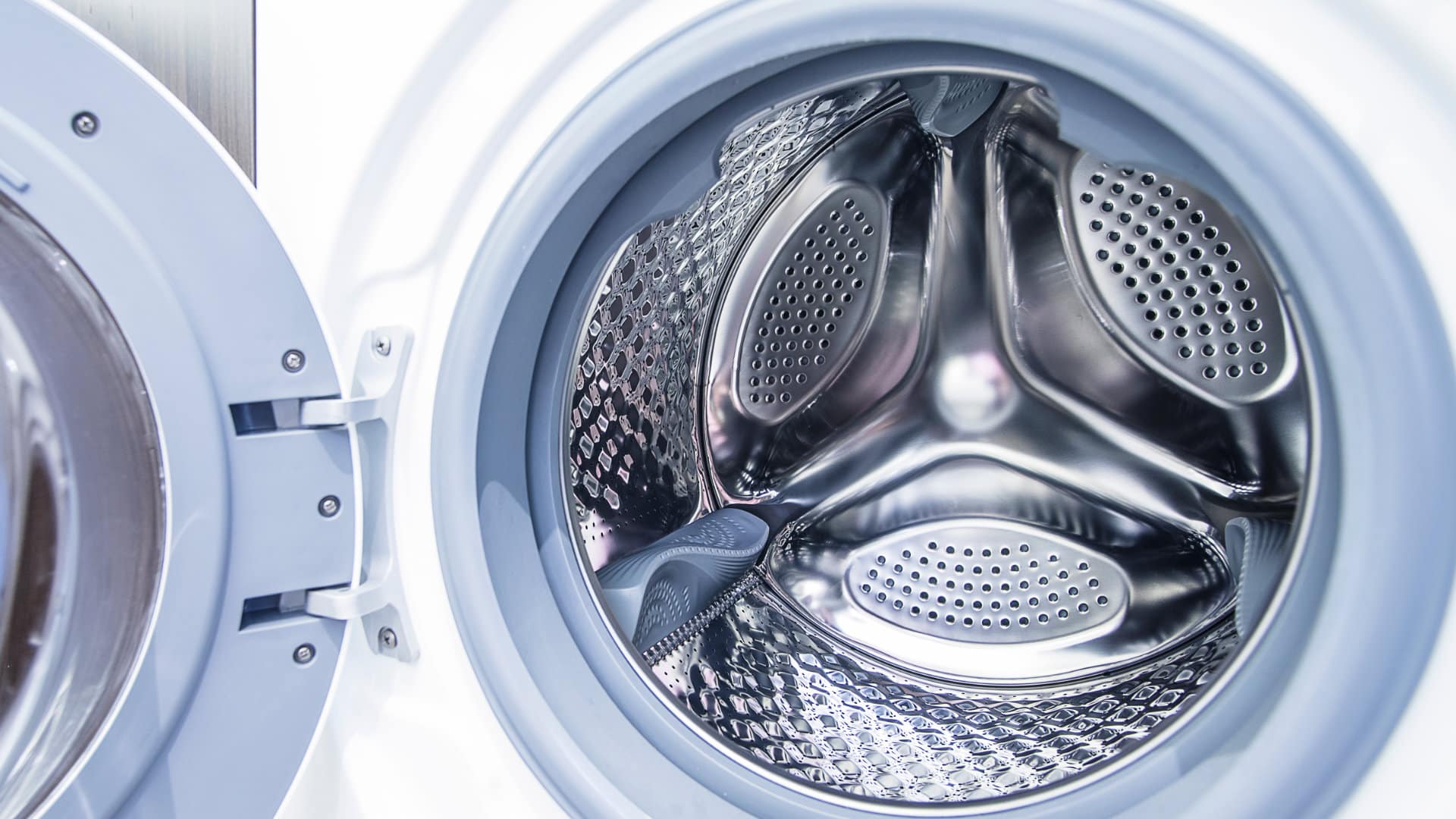
The drum design varies by machine model. Some drums have small holes to prevent fabric damage. Others have paddles inside to lift and drop clothes during cycles. Size or drum capacity affects how much laundry you can wash at once.
Front load drums are popular for saving water and energy. Top load drums are often faster for washing but may use more water. Knowing your drum type helps in choosing the right detergent and cycle.
Drum Material in Washing Machines
Drums come in stainless steel, plastic, or porcelain-coated steel. Stainless steel drums are most durable and resist wear and tear well. They handle high spin speeds and last longer without rusting.
Plastic drums are lighter and usually found in budget machines. They can be less durable and may crack over time. Porcelain-coated steel drums can chip, leading to rust spots. Choosing the right drum material affects the drum lifespan and maintenance needs.
For fabric care, a smooth drum surface helps protect clothes from damage. Stainless steel drums are gentle and common in front load washers.
Washing Machine Drum Maintenance
Keeping your drum clean prevents bad smells and mold growth. Regular washing machine drum cleaning improves performance and extends life. Using proper cleaning agents helps remove detergent residue and grime.
Follow a maintenance schedule by cleaning the drum every 1-2 months. Running empty cycles with vinegar or special cleaners can clear buildup. Also, leave the door open after use to let the drum dry.
Check for drum balance to avoid noise and vibration. If the drum is off-balance, clothes may not clean well and can wear the machine parts quickly.
Common Washing Machine Drum Problems and Repair
Drum noise is a frequent issue caused by loose bearings or foreign objects caught in holes. Imbalance leads to shaking and may stop the machine. Drum holes can clog with lint or small items, affecting water drainage.
Wear and tear over time may cause the drum to crack or rust. Drum repair is possible but sometimes replacement is needed. Regular care reduces these problems and saves repair costs.
For fixing noise or balance issues, professional help is advised. Simple cleaning and balancing can fix most problems.
Washing Machine Drum Capacity and Design
Drum capacity is measured in kilograms or liters. Larger drums clean more clothes but use more water and energy. Small drums suit singles or small families. Choosing the right capacity depends on your laundry needs.
Drum design includes hole size, paddle shape, and drum texture. These features impact cleaning efficiency and fabric care. Modern designs aim to reduce noise and improve durability.
Below is a comparison of key drum materials and their features.
| Material | Durability | Fabric Care | Noise Level | Cost |
|---|---|---|---|---|
| Stainless Steel | High | Gentle | Low | High |
| Plastic | Medium | Moderate | Medium | Low |
| Porcelain-Coated Steel | Medium | Moderate | Medium | Medium |
Drum balance is crucial for a smooth spin cycle. Uneven loading can cause vibration and damage. Modern washing machines have sensors to detect imbalance and adjust rotation.
Proper load capacity and drum design ensure your clothes are cleaned well without damage or noise.
Washing Machine Drum Cleaning Tips
Cleaning your drum keeps it free from mold and stink. Use baking soda and vinegar or commercial washing machine cleaners. Run a hot water cycle with these agents to clean inside the drum.
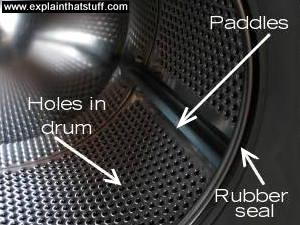
Remove any lint or debris from drum holes regularly. For front loaders, clean the rubber seal to stop mold growth. For top loaders, check under the agitator for trapped items.
Learn more about how to clean mold from washing machine for detailed steps on preventing mold issues.
Conclusion: Caring for Your Washing Machine Drum in 2026
The washing machine drum is vital for clean clothes and machine health. Understanding how it works and its types helps you choose the right machine and keep it running well. Drum material, design, and capacity matter for your laundry needs.
Regular drum maintenance and cleaning prevent problems like noise and mold. Being aware of common drum problems helps you act fast to repair or seek help. In 2026, smart washing machines offer sensors for balance and self-cleaning cycles to ease maintenance.
Keep your washing machine drum in top shape by following cleaning tips and checking parts regularly. This care extends its lifespan and keeps your laundry fresh and clean. For further reading, exploring how it works washing machine offers more insights on machine mechanics.
In short, the drum is the heart of your washing machine. Treat it well, and it will serve you for many years with clean clothes every wash.
| Maintenance Task | Frequency | Benefits |
|---|---|---|
| Drum Cleaning | Every 1-2 months | Prevents mold and odors |
| Balance Check | Monthly | Reduces vibration and noise |
| Inspect Drum Holes | Every 3 months | Prevents clogging and water issues |
Regular cleaning and simple checks keep your washing machine drum working smoothly. This saves money on repairs and keeps your clothes clean and fresh.
| Drum Type | Rotation | Load Capacity | Typical Use |
|---|---|---|---|
| Front Load Drum | Horizontal | Large | Energy and water efficient |
| Top Load Drum | Vertical | Varies | Faster wash cycles |
Frequently Asked Questions
What is the function of the washing machine drum?
The washing machine drum holds clothes during wash and spin cycles, rotating to clean and rinse fabrics.
What materials are washing machine drums made from?
Drums are usually made from stainless steel, plastic, or porcelain-coated steel, each with unique durability.
How do front load and top load washing machine drums differ?
Front load drums rotate horizontally and use gravity to clean, while top load drums rotate vertically with an agitator.
How often should I clean my washing machine drum?
Cleaning every one to two months helps prevent mold, odors, and buildup inside the drum.
What are common problems with washing machine drums?
Common issues include noise, imbalance, holes clogging, and wear that might need drum repair or replacement.

Michael Peterson is a home appliance writer focused on practical washing machine care, maintenance, and troubleshooting. He shares simple, reliable tips to help readers keep their washing machines running efficiently, avoid common problems, and extend appliance life.