Understanding Front Load Washer Cycle Time
Front load washers are popular for their cleaning power and efficiency. One key factor users ask about is the front load washer cycle time. Cycle time refers to how long a wash takes from start to finish. This includes washing, rinsing. And spinning. Times vary based on settings, load size. And fabric type.
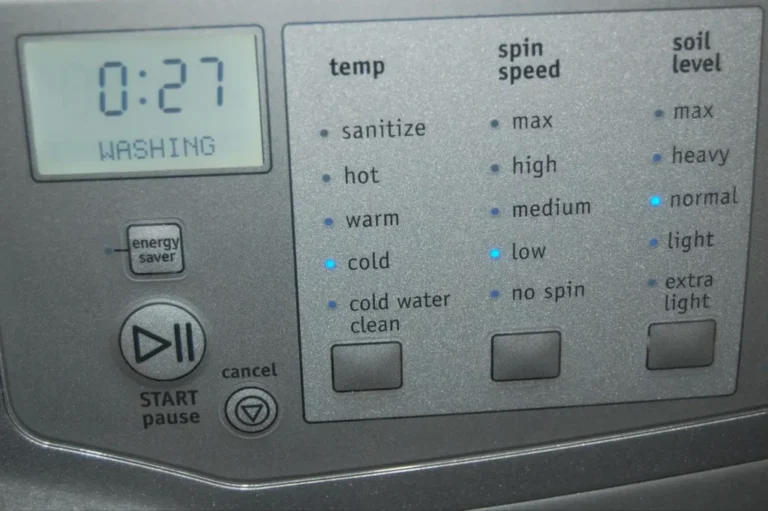
On average, washing machine duration for front loaders ranges between 30 minutes to over 2 hours. This is longer than many top loaders but often results in better cleaning and less water use. For a detailed look at various wash settings, it’s useful to understand the roles of each phase.
For those curious about plumbing, a helpful resource is how to manage the washing machine drain pipe height. Proper drainage can impact cycle efficiency and timing.
Wash Settings and Cycle Types in Front Loaders
Modern front loaders offer many front loader wash settings to match fabric and soil level. Common cycles include:
- ✅ Delicate cycle for sensitive fabric care
- ✅ Heavy duty wash for tough stains and bulky loads
- ✅ Quick wash front load for lightly soiled clothes
- ✅ Eco wash front loader to save energy and water
Each cycle has a set duration. For example, delicate cycles often run 30 to 45 minutes, while heavy duty cycles can last 90 minutes or more. Quick wash cycles typically take 15 to 30 minutes.
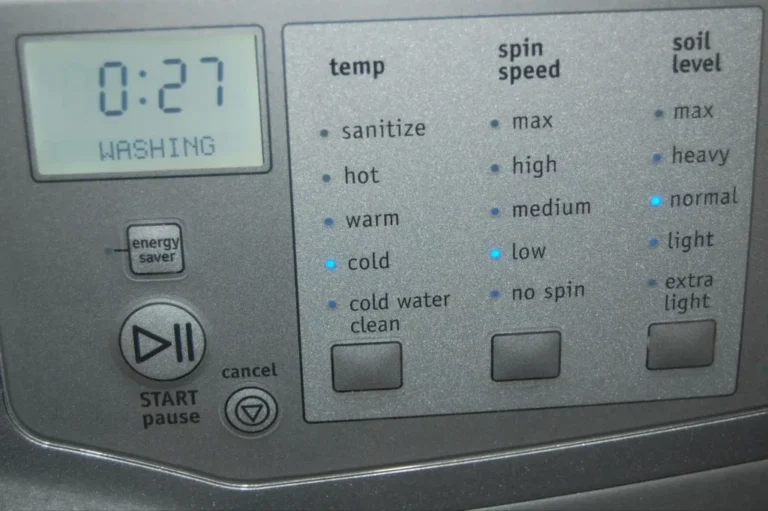
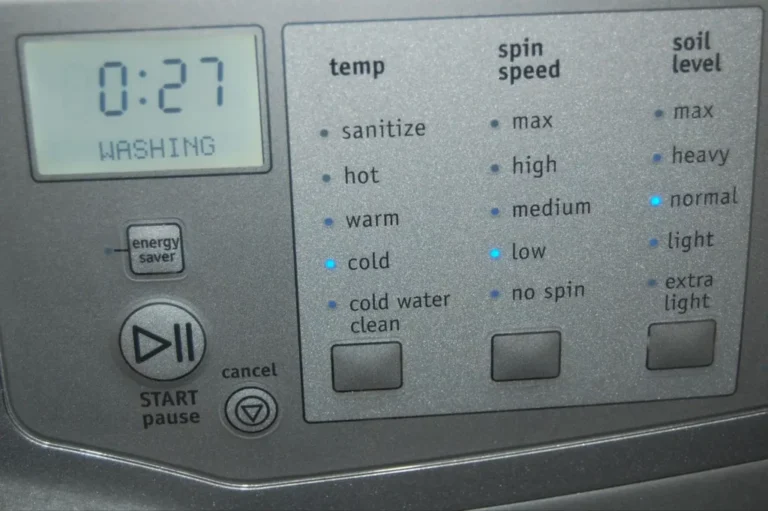
Understanding these cycles helps users pick the right program for their needs. The time remaining indicator on modern machines gives live updates on how long a cycle will take.
Factors Affecting Cycle Duration and Water Use
Several factors influence the average wash time front load and water consumption:
- Load size and wash time: Bigger loads generally take longer to clean thoroughly.
- Spin speed: Higher spin speeds extract more water, shortening drying time but may add to cycle length.
- Soil level detection: Sensors adjust time based on how dirty clothes are.
- Temperature control: Hotter water cycles sometimes run longer due to heating time.
Front load washers are known for their front load washing water consumption efficiency. They use less water than traditional top loaders. This helps conserve resources and reduce bills.
Energy usage front load washers is also optimized with eco modes. These modes balance cleaning power with lower energy use, often by extending wash time but reducing power consumption.
Wash Cycle Phases and Spin Speed Impact
A typical front load washing cycle includes multiple phases:
- Fill and soak
- Wash agitation
- Rinse cycles (often multiple)
- Spin cycle to remove water
The front load machine rinse cycles usually run twice or thrice to ensure detergent and soil are fully removed. This can add to cycle length but improves fabric care.
Spin cycle speed is crucial in front loaders. Speeds can range from 400 to 1400 RPM or more. Faster spin speeds reduce moisture but can increase machine vibrations. Many machines adjust spin speed based on fabric settings to protect clothes.
Expert Analysis on Front Load Washing Efficiency
Industry consensus indicates front loaders provide superior cleaning with less water and energy. Their longer cycle times are offset by lower resource use and better fabric care. The delicate cycle front loader and heavy duty wash front load options offer flexibility for different laundry needs.
:max_bytes(150000):strip_icc()/4-Tips-for-Using-Front-Load-Washers-2147306-v1-RZ-6abee863324e46cc8b7c475dda70b237.png "How to Use a Front Load Washer Correctly (Figure)")
Sensor technology in modern machines detects load size and soil level. This allows for wash time adjustment front loader to optimize cycle duration. The automatic dispenser helps by releasing detergent at the best time, improving wash results and saving detergent.
For a deeper understanding of cycle times and machine lifespan, analyzing resources on washing machine lifespan provides excellent foundational context.
Front Load Washer Maintenance and Best Practices
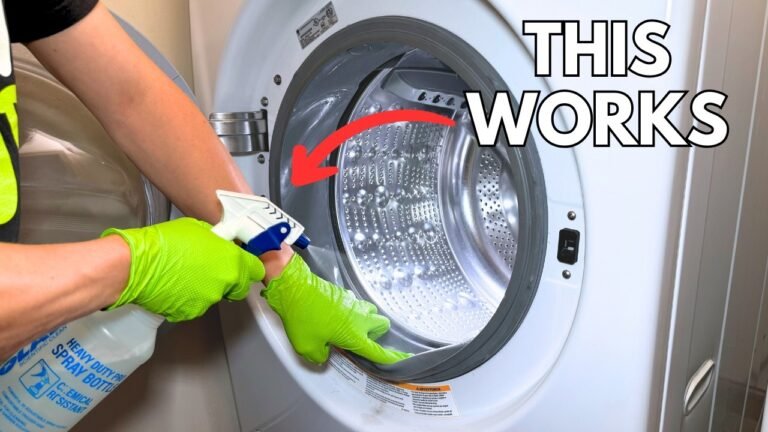
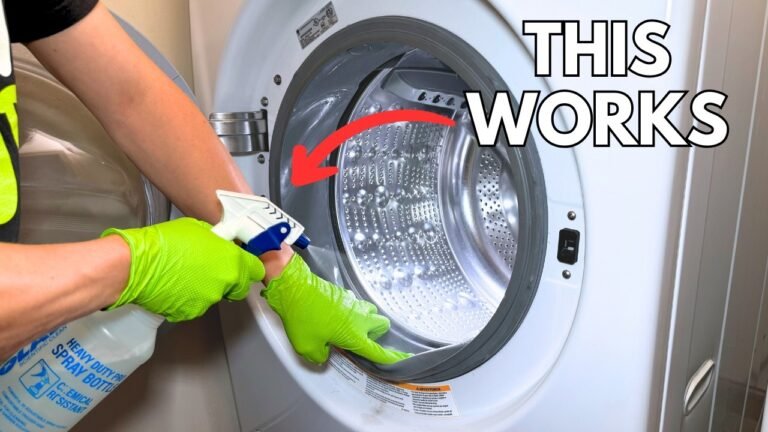
Proper maintenance helps keep cycle times consistent and machines efficient. Regularly clean the door seal and detergent dispenser to avoid mold and buildup. Learn how to clean front load washing machine rubber seal for best results.
Load size affects wash time and cleaning. Overloading can extend cycles and reduce cleaning power, while underloading wastes water. Follow manufacturer guidelines for load capacity.
Use recommended detergents designed for front loaders to avoid excess suds and residue. This also helps maintain front load washing machine efficiency and fabric care.
Comparing Cycle Times: Quick Wash vs Normal vs Heavy
Users often wonder how long each wash type takes. Below is a comparison of typical cycle times for front load washers in 2026 models.
| Cycle Type | Approximate Duration | Purpose |
|---|---|---|
| Quick Wash | 15-30 minutes | Lightly soiled clothes, fast cleaning |
| Normal Wash | 45-70 minutes | Daily laundry with moderate soil |
| Heavy Duty | 90-120 minutes | Heavily soiled, bulky items |
Choosing the right cycle balances cleaning needs with time and energy use. Quick wash is great for small loads, while heavy duty handles tough stains.
Keep in mind that additional rinse cycles in heavy duty settings increase water use but protect fabric quality.
Energy and Water Usage Insights
Front load washers excel in energy efficiency. They spin faster and use less water than top loaders, reducing overall consumption. Quick and eco modes save energy by extending wash time but lowering power use.
The table below shows typical energy and water use by cycle type for 2026 front loaders.
:max_bytes(150000):strip_icc()/top-load-washer-vs-front-load-2145868-v5-6606d79a51e446be957069689296fc44.png "Top Load vs. Front Load Washer: Which Type Is Best? (Figure)")
| Cycle | Energy Usage (kWh) | Water Usage (Gallons) |
|---|---|---|
| Quick Wash | 0.2 – 0.3 | 5 – 10 |
| Normal Wash | 0.5 – 0.7 | 12 – 18 |
| Heavy Duty | 0.8 – 1.2 | 18 – 25 |
Understanding these values helps users select cycles that match their energy and water goals.
Proper maintenance also improves efficiency. For example, cleaning the detergent dispenser regularly ensures detergent flows correctly, improving wash quality and reducing cycle time.
Fabric Care and Detergent Recommendations
Front load machines are gentle on fabrics due to their tumbling action. Use fabric settings to customize wash speed and temperature. Delicate cycles use slower agitation and lower spin speeds to protect sensitive items.
Detergent matters too. Use HE (high-efficiency) detergents that produce fewer suds. Avoid overuse to prevent residue build-up. Many machines feature an automatic dispenser that releases detergent at the right moment.
For more on fabric care, explore how wool can be washed in a machine safely.
Conclusion
The cycle time on front load washers varies widely, typically from 15 minutes to 2 hours. This depends on cycle type, load size, soil level. And settings like spin speed and temperature. Though front loaders often take longer than top loaders, they use less water and energy, offering better cleaning and fabric care.
Choosing the right wash program and maintaining your washer properly keeps cycle times efficient. Using quick wash for light loads and heavy duty for tough stains balances time and results. Sensor technology and smart dispensers enhance this balance, making front load washers highly effective in 2026.
Understanding these factors helps you optimize your laundry routine for clean clothes, lower bills. And longer machine life.
🚀 Beginner Tip: Always select load size correctly to avoid extended cycle times and wasted water.
Regular cleaning of your washer’s rubber seal and detergent drawer also prevents odors and keeps cycles running smoothly.
📑 Quick Fact: Front load washers can save up to 40% more water than top loaders.
Frequently Asked Questions
What is the average wash time for a front load washer?
The average wash time for a front load washer ranges from 30 to 90 minutes depending on the cycle type and load size.
Can I adjust the wash time on a front loading washer?
Yes, many front loaders allow wash time adjustment through settings like quick wash or eco mode.
Do front load washers use less water than top loaders?
Yes, front load washing machines typically use less water, improving water consumption efficiency.
How does spin speed affect washing duration?
Higher spin speeds reduce drying time but may slightly increase cycle duration due to added spin phases.
What wash cycles are common in front load washers?
Common cycles include delicate, heavy duty, quick wash, eco wash, and normal, each with different durations.

Keith Boyd Is A Seasoned Appliance Care Expert With Over A Decade Of Experience In Home Appliance Maintenance. His Authoritative Insights On Washing Machine Care And Upkeep Are Trusted By Homeowners Nationwide. With A Passion For Educating Others, Keith Shares Valuable Tips That Ensure Your Appliances Run Smoothly For Years To Come.