Introduction to Washing Bras in Machine
Washing bras in machines is common, but it needs care. Bras have delicate fabrics and parts like foam padding, underwire, and hook and eye closures. Machine washing can harm these if done wrong. This guide shares expert tips on washing bras safely in machines to keep them lasting longer.
For a deeper understanding of fabric care, analyzing resources on how to wash a bra provides excellent foundational context. Also, knowing how much does a washing machine weight can help when selecting cycles and load sizes to protect your bras.
Bra Care Tips for Machine Washing
Always check the fabric care label before washing. Bras vary in fabric and construction, so follow instructions closely. Use a gentle washing cycle to cut down on machine agitation, which can cause bra distortion and damage straps.
Use cold water for washing to avoid hot water damage. Hot water can weaken elastic fibers and foam padding. Cold water keeps bras in better shape and reduces color fading.
| Tip | Reason |
|---|---|
| Use mesh laundry bags | Protects bras from stretching and snagging |
| Choose gentle cycle | Reduces machine agitation and damage |
| Cold water wash | Prevents elastic and fabric wear |
| Mild detergent | Avoids detergent residue and fabric harm |
Washing bras with other clothes can be risky. Avoid mixing them with heavy items like jeans or towels. These can rub against bras and cause fabric damage or misshaped cups.
Machine Wash Lingerie Safely
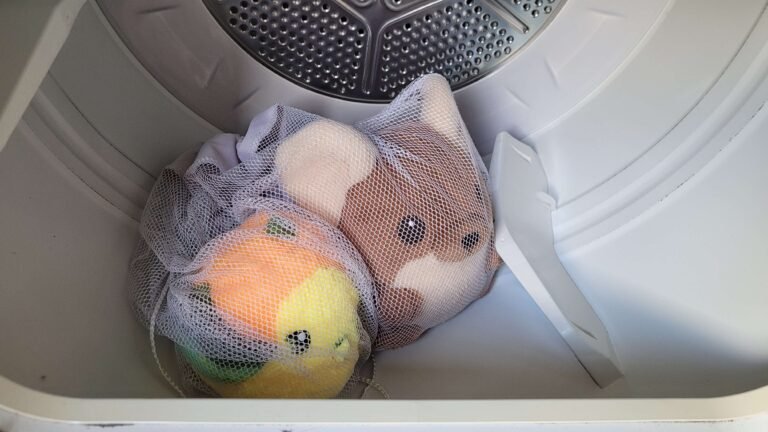
Always put bras inside a bra washing bag or mesh laundry bag. This reduces bra straps tangling and hook and eye closures from catching on other clothes. Bra washing bags also protect the underwire from bending.
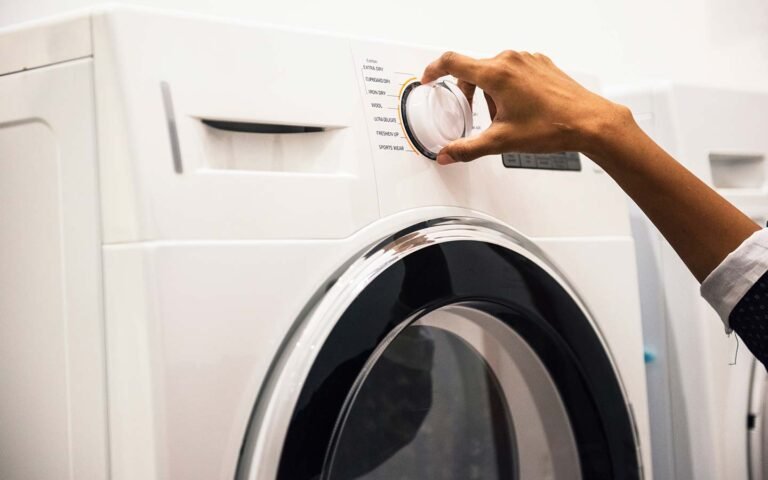
Select the delicate or gentle cycle on your washing machine. This cycle uses slower spin speeds and less agitation. These settings are best to protect the bra elasticity and foam padding. Avoid harsh cycles that can wear out bras quickly.
Use a detergent made for delicate fabrics. Avoid strong detergents with harsh chemicals or fabric softeners. Fabric softeners can leave a residue that breaks down elasticity. A mild detergent helps keep bras clean without damage.
Washing Sports Bras in Machine
Sports bras often have stronger elastic and padding. Still, they need gentle care to keep their shape and support. Use a mesh laundry bag and wash on the gentle cycle with cold water. Avoid fabric softeners as they reduce moisture-wicking ability.
Dry sports bras on a drying rack away from direct heat. Heat can damage elastic fibers and reduce bra lifespan. Proper drying keeps sports bras ready for your next workout.

| Sports Bra Care | Do | Don’t |
|---|---|---|
| Washing | Use gentle cycle and mesh bags | Avoid hot water and rough cycles |
| Detergent | Use mild, no fabric softener | Don’t use bleach or strong detergents |
| Drying | Air dry on rack | Never use dryer heat |
For more detailed tips on machine care, check our guide on how to clean whirlpool washing machine top loader.
Impact of Machine Wash on Bra Lifespan
Machine washing can shorten a bra’s life if done carelessly. The main risks include hook and eye damage, foam padding breakdown, and loss of bra elasticity. Machine agitation and high temperatures are key culprits.
Using mesh bags and gentle cycles lowers these risks. Washing bras less often also helps. Industry consensus indicates washing bras after three to four wears balances cleanliness and lifespan well.
Hand Wash vs Machine Wash Bras
Hand washing is the safest method for delicate bras. It avoids machine agitation that can harm fabric and parts. Use cool water, mild detergent, and gentle rubbing to clean.
However, machine washing is fine if done carefully. Use mesh bags, gentle cycles, and cold water. This saves time while still protecting bras. Many users find this a good balance for regular bra care.
Removing Stains From Bras
Spot treat stains before washing for best results. Use a mild stain remover or a small amount of detergent. Dab gently to avoid fabric damage.
Do not use bleach or harsh chemicals on bras, especially colored or delicate fabrics. These can cause fading and weaken fibers. For tough stains, soaking in cold water with detergent helps.
| Stain Type | Recommended Treatment | Avoid |
|---|---|---|
| Deodorant | Spot clean with mild detergent | Bleach or hot water |
| Makeup | Use gentle stain remover | Scrubbing too hard |
| Sweat | Soak in cold water | Hot water or harsh detergents |
Drying Bras Properly
Drying bras properly is key to preserving their shape. Avoid dryers as heat can damage elastic and foam padding. Instead, lay bras flat on a drying rack or hang them by the center gore, not straps.
Direct sunlight can fade colors and weaken fabric. Dry bras in shade or indoors with good air flow. Allow enough time for bras to dry fully before storing.
- ✅ Air dry on a rack or hanger
- ✅ Avoid dryer and direct heat
- ✅ Keep away from direct sunlight
- ✅ Ensure bras are completely dry
Frequently Asked Questions
Can I machine wash bras with underwire?
Yes, but you should use a mesh laundry bag and a gentle cycle to protect the underwire and prevent damage.
How often should I wash my bras?
Washing bras after 3 to 4 wears helps keep them fresh and maintains their shape and elasticity.
What is the best detergent for washing bras?
Use a mild detergent designed for delicate fabrics to avoid residue and fabric damage.
Is it better to hand wash or machine wash bras?
Hand washing is gentler, but machine washing on a gentle cycle with proper care can also be safe and effective.
How should I dry bras after washing?
Always air dry bras on a drying rack to keep their shape and avoid damage caused by dryers.

Michael Peterson is a home appliance writer focused on practical washing machine care, maintenance, and troubleshooting. He shares simple, reliable tips to help readers keep their washing machines running efficiently, avoid common problems, and extend appliance life.