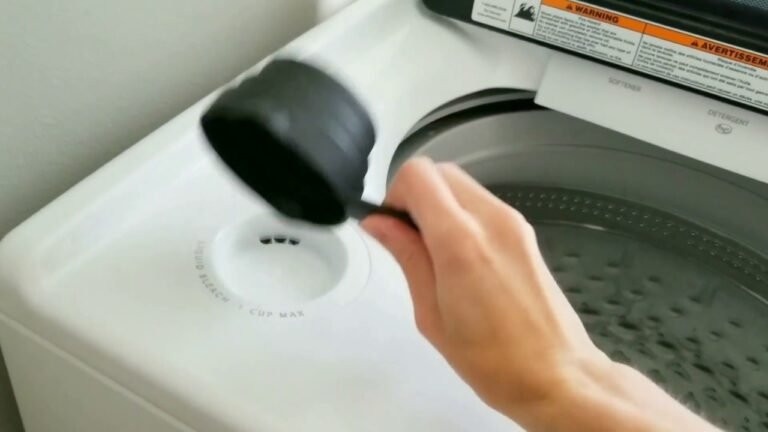
Understanding Mold in Front Loading Washing Machines
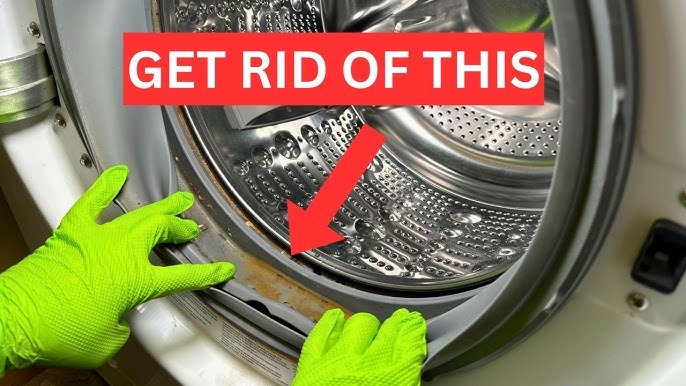
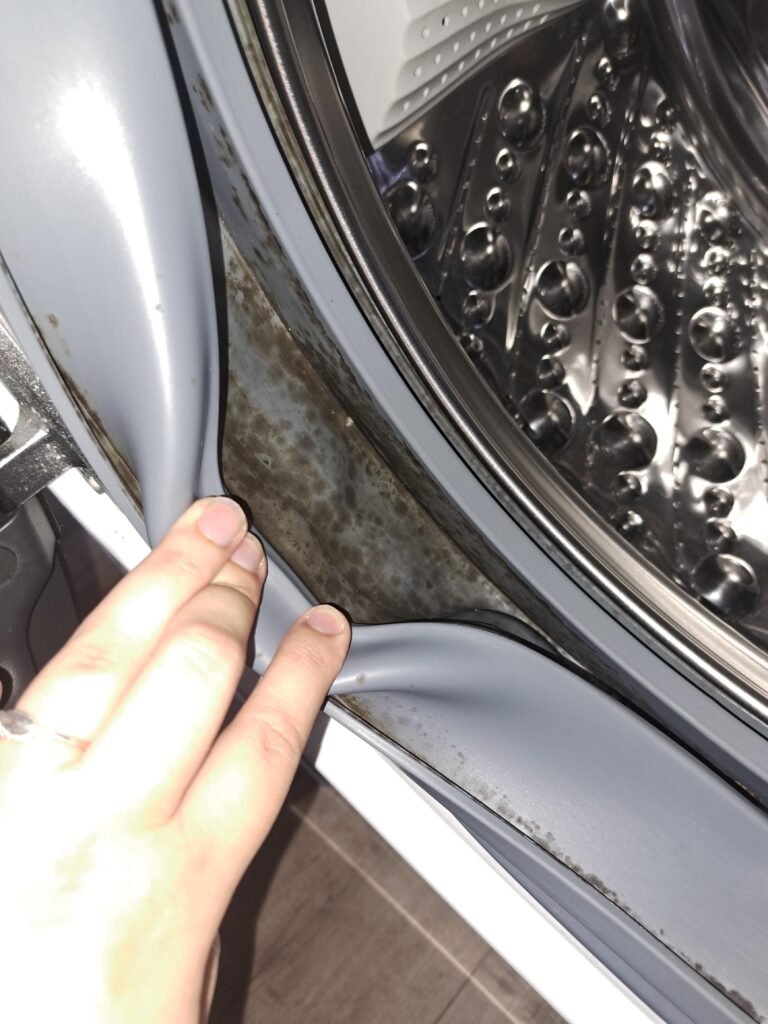
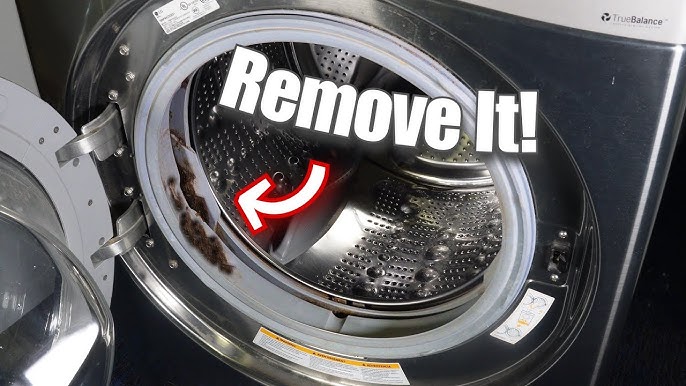
Front loader washing machines are popular for their efficiency. However, they can develop mold inside the drum and rubber gasket. Mold spores thrive in damp, dark places where detergent residue and moisture collect. The rubber gasket around the door is a common spot for mold growth. This mold causes a musty washing machine odor and can affect laundry cleanliness.
Industry consensus indicates that mold growth front loader machines happens due to moisture accumulation, poor ventilation, and leftover detergent residue. Mold spores spread quickly if the washing machine door seal mold is not cleaned regularly. Understanding these causes helps in effective washing machine mold prevention.
For a deeper understanding of this mechanic, analyzing resources on front loader washer mold provides excellent foundational context.
Integrating proper front load washer maintenance into your routine can keep your machine fresh and mold-free.
How To Clean Mold From Your Front Loader
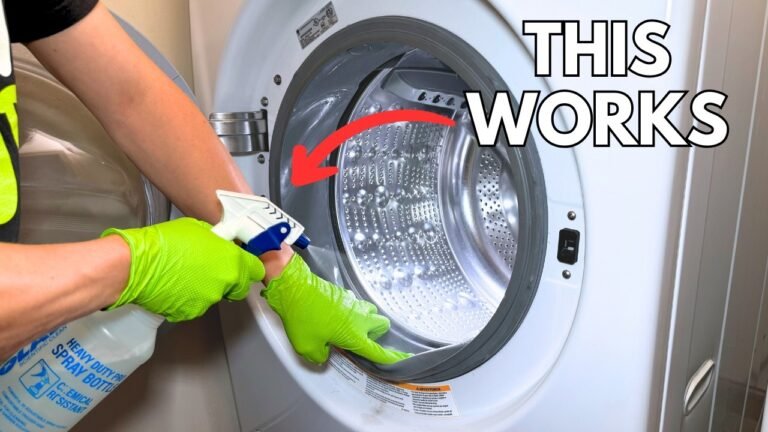
Cleaning washing machine gasket and drum mold is key to removing mold from front loading washers. Start by inspecting the rubber gasket carefully. Wipe any visible mold with a cloth soaked in a bleach solution or vinegar. These cleaning agents kill mold spores and prevent mildew.
Next, run a washing machine cleaning cycle using hot water. Add either a cup of white vinegar or a washing machine mold cleaner specifically designed for washers. This deep cleaning flushes out mold spores and detergent residue that hide inside the drum.
After the cleaning cycle, wipe the drum and gasket dry. Leaving moisture promotes mold growth again. Repeat this deep cleaning monthly for the best results.
Also, check the detergent dispenser for buildup. Residue here can feed mold spores. Clean the dispenser with warm water and a brush regularly.
📌 Step-by-Step Guide to Mold Removal Washing Machine
- Mix a solution of one part bleach to four parts water or use white vinegar.
- Dip a cloth in the solution and scrub the rubber gasket thoroughly.
- Remove detergent residue from the dispenser drawer.
- Run a hot water cleaning cycle with vinegar or mold cleaner.
- Wipe all surfaces dry and leave the door open to air out.
Maintaining a clean gasket and drum will reduce washing machine odor removal needs.
Preventing Future Mold Growth
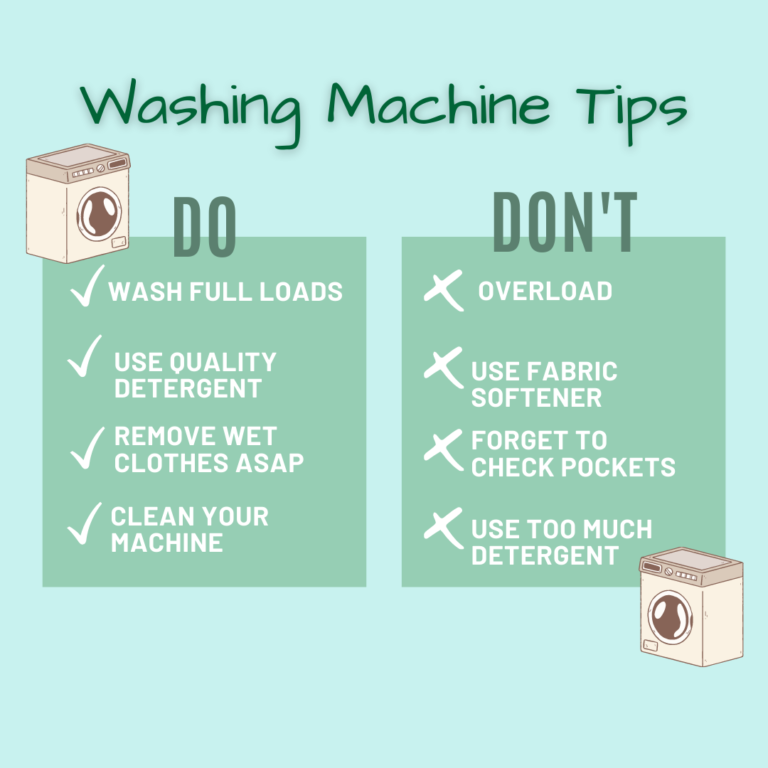
Washing machine mold prevention is easier than removal. After each wash, wipe the rubber door seal dry to avoid moisture buildup. Keep the washing machine door open for air circulation. This ventilation cleaning prevents dampness inside the washer.
Use the correct amount of detergent. Excess washing machine detergent residue encourages mold spores to grow. Choose high-efficiency detergents made for front loading machines.
Many newer models have a dryer function or a washing machine cleaning cycle. Use these features regularly to keep the washer drum mold-free.
Remember that water temperature also affects mold growth. Running hot water cycles once a week helps keep the washer clean.
🚀 Beginner Tip: Avoid Leaving Wet Clothes in Washer Long
Leaving wet laundry in the machine for hours traps moisture. This sets a perfect stage for mildew and mold growth on the rubber gasket and drum.
Natural Cleaners for Mold in Washers
Natural mold cleaners for washers like vinegar and baking soda are safe and effective. Vinegar kills mold spores and neutralizes odors. Baking soda helps scrub away residue and refresh the washer drum.
To use, sprinkle baking soda inside the drum and add a cup of vinegar to the detergent dispenser. Run a hot water cycle to clean and deodorize.
Enzyme cleaners are another natural option. They break down organic matter that mold feeds on. These cleaners are gentle on the rubber gasket and seals.
Using natural products is a good choice for those sensitive to harsh chemicals or looking for eco-friendly solutions.
Common Mistakes to Avoid
Some people forget to clean the washing machine door seal mold regularly. This neglect lets mold grow unchecked. Others use too much detergent, which leaves residue and feeds mold.
Not drying the gasket after washes is a frequent error. Moisture trapped in the rubber gasket is mold’s favorite spot. Also, keeping the door closed after washing stops airflow and increases dampness.
Lastly, skipping the washing machine deep cleaning cycle leads to buildup inside the drum. Schedule cleaning at least monthly to stay ahead of mold.
Front Loader Maintenance Tips
Proper front load washer maintenance keeps your machine running well and mold-free. Regularly clean the lint filter and drain pump to avoid clogs. Clear blockages help water drainage and prevent standing water inside.
Keep the door seal flexible by wiping it with a damp cloth and drying thoroughly. Check for tears or damage that could trap moisture and mold spores.
Use the washing machine cleaning cycle monthly. This cycle uses hot water and cleaning agents to sanitize the drum and remove detergent residue.
Consider consulting the manufacturer’s manual for specific care instructions. This helps maintain your washer’s warranty and performance.
| Maintenance Task | Frequency | Purpose |
|---|---|---|
| Cleaning rubber gasket | Weekly | Remove mold and mildew buildup |
| Running cleaning cycle | Monthly | Sanitize drum and remove residue |
| Wiping detergent dispenser | Monthly | Prevent mold feeding on residue |
| Leaving door open after use | After every wash | Improve air circulation and dry interior |
Integrating these tips helps extend your washer’s life and keeps laundry fresh.
Washing Machine Odor Removal
Bad odors often come from mold and mildew inside the washer. A good odor removal plan includes cleaning the gasket and drum as described. Using vinegar or enzyme cleaners in a hot wash cycle helps.
Run an empty hot water cycle with two cups of vinegar to neutralize smells. Baking soda can be added for extra deodorizing power.
Also, clean the drain hose and pump filter. These parts can trap water and debris causing smells. Regular cleaning prevents odor buildup.
⚖️ Pros & Cons of Using Bleach vs. Vinegar for Mold
| Cleaner | Pros | Cons |
|---|---|---|
| Bleach Solution | Kills mold quickly, strong sanitizer | Harsh on rubber seals, strong smell |
| Vinegar | Natural, safe for seals, deodorizes | Less powerful on heavy mold |
Choosing depends on mold severity and personal preference.
For those wanting more detailed guidance on gasket cleaning, the video on cleaning your front-loader washing machine rubber gasket offers clear steps.
Additionally, for advice on mold removal techniques, exploring the washing machine rubber seal mold removal discussion can be helpful.
Conclusion
Mold in front loading washing machines is a common problem caused by moisture and detergent residue. Regular cleaning of the washer drum and rubber gasket is essential. Using natural cleaners like vinegar or enzyme cleaners is effective and safe. Running monthly deep cleaning cycles helps prevent mold buildup and washing machine odor.
Maintaining good ventilation by leaving the door open and using appropriate detergent amounts further stops mold growth. Following these expert tips keeps your front load washer fresh and your laundry clean in 2026 and beyond.
Integrate these washing machine cleaning tips now to avoid costly repairs and protect your family from mold spores. Remember, a clean washer means cleaner clothes and a healthier home.
For more tips on appliance care, you might find our guide on how to clean mold from washing machine rubber useful to explore.
Frequently Asked Questions
Why does mold grow in front loading washing machines?
Mold grows in front loading washers mainly due to moisture accumulation, detergent residue, and poor air circulation inside the rubber gasket and drum.
Can I use vinegar to clean mold from my washing machine?
Yes, vinegar is a natural cleaner that helps remove mold and mildew safely without harsh chemicals. It’s effective in washing machine mold prevention.
How often should I clean my front load washer to prevent mold?
Cleaning the washer drum and gasket monthly and running a washing machine cleaning cycle helps prevent mold buildup and bad odors.
What are the best mold cleaners for washers?
Bleach solutions, enzyme cleaners, and vinegar are effective mold cleaners for washers. Choose safe products that clean and sanitize without damaging seals.
How can I prevent mold growth in my front loading washing machine?
Keep the door seal dry, leave the door open after use, clean detergent dispensers regularly, and run cleaning cycles with hot water to stop mold spores.

Keith Boyd Is A Seasoned Appliance Care Expert With Over A Decade Of Experience In Home Appliance Maintenance. His Authoritative Insights On Washing Machine Care And Upkeep Are Trusted By Homeowners Nationwide. With A Passion For Educating Others, Keith Shares Valuable Tips That Ensure Your Appliances Run Smoothly For Years To Come.