Understanding the Washing Machine Water Inlet Valve
The water inlet valve is key for your washing machine’s water supply. It controls when water enters the machine. Many problems start with this valve if it gets clogged or broken. Regular washing machine maintenance means checking this valve. Cleaning water inlet valve parts stops clogs and keeps water flow smooth. Knowing how the valve works helps in troubleshooting issues and planning repairs.
For those new to machine care, learning how to clean this valve is a smart step. It can save money on washing machine repair and extend your machine’s life. To get started, you’ll need basic tools and a little patience.
Also, for detailed steps on cleaning other parts of your washer, explore this guide on how to clean washing machine top loader with vinegar.
Tools Needed for Cleaning the Water Inlet Valve
Before you start, gather some simple tools. You will need:
- ✅ A screwdriver
- ✅ A pair of pliers
- ✅ A small brush or old toothbrush
- ✅ A bowl or bucket
- ✅ Clean cloths
- ✅ Water and vinegar for soaking
These tools will help you remove the valve and clean its parts. Always unplug your machine before working on it to stay safe. If you spot leaks or damage, a washing machine repair kit might also be useful.
Having a clean workspace and good lighting helps you see small parts better. This way, you can catch even minor dirt buildup or mineral deposits.
Steps to Clean the Water Inlet Valve
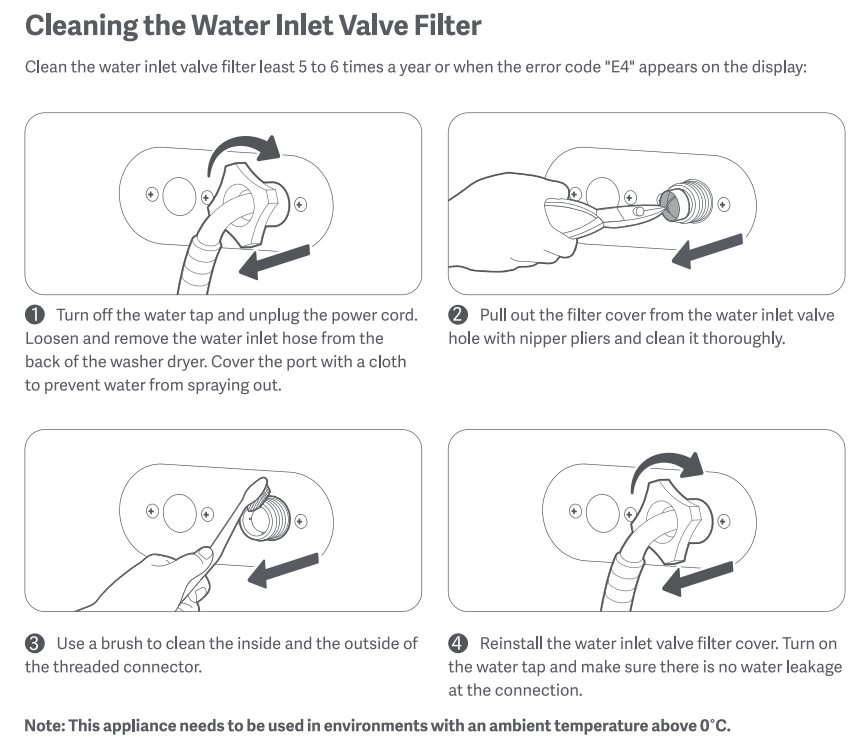
Cleaning the valve involves careful removal and cleaning of the filter screen. Follow these steps:
- Turn off water and unplug the machine. This stops water flow and power for safety.
- Locate the water inlet valve. It is usually at the back where hoses connect.
- Unscrew the water hoses. Use pliers if they are tight. Keep a towel handy for water spills.
- Remove the valve from the machine. Use a screwdriver to take out screws holding it in place.
- Inspect the valve and screen. Look for dirt, lint debris, or mineral deposits blocking water flow.
- Soak the valve and screen. Use a bowl with equal parts water and vinegar. Let it sit for 30 minutes.
- Scrub the screen gently. Use the toothbrush to clean any stuck debris without damaging the screen.
- Rinse everything with clean water. Make sure all vinegar and dirt are washed away.
- Dry the parts with a cloth. Ensure no moisture remains to avoid rust.
- Reinstall the valve and hoses. Tighten screws and hose connections securely but avoid overtightening.
- Turn water and power back on. Test the machine for proper water flow and leaks.
Following these steps regularly helps in preventing valve blockages and improves washing machine water supply.
For more video guidance on cleaning valves, watching cleaning a washing machine water inlet valve filter offers excellent visual support.
Common Issues Caused by Valve Clogs
A clogged water inlet valve often leads to slow filling or no water entering the washer. Dirt buildup or mineral deposits can block the valve filter screen. This reduces water flow efficiency and can cause error codes on modern machines.

Other signs include leaks around the valve gasket or strange noises from the valve solenoid when filling starts. Early valve cleaning can fix these problems before they cause bigger damage.
Ignoring valve blockages may lead to costly washing machine repair or full valve replacement. Regular valve filter cleaning is an easy way to keep your washer running well.
Valve Replacement Process
If cleaning does not fix the problem, valve replacement may be needed. This involves buying the right valve for your model and following steps similar to removal. Installing the new valve ensures proper water flow and stops leaks.
Always check for leaks after replacement and test the machine through a full cycle. If unsure, professional repair services can help avoid mistakes.
Here is a simple table outlining valve cleaning versus replacement:

| Aspect | Valve Cleaning | Valve Replacement |
|---|---|---|
| Cost | Low (tools and vinegar) | Higher (new part and tools) |
| Time | 30-60 minutes | 1-2 hours |
| Skill Level | Basic DIY | Intermediate or professional |
| Effectiveness | Good for minor clogs | Needed for damaged valves |
| Risk | Low | Potential leaks if done wrong |
Preventing Valve Blockages
Good washing machine care includes preventing valve clogs. Use clean water supply lines and check hoses for lint debris. Avoid harsh chemicals that cause mineral buildup on the valve diaphragm.
Regular valve filter cleaning and proper hose connection help maintain water flow rate. Also, running monthly maintenance cycles on your washer can reduce dirt buildup inside.
Using this guide on how to clean drain hose on washing machine complements valve cleaning for overall machine upkeep.
Conclusion
Cleaning your washing machine water inlet valve is a simple task that keeps your washer running well. It stops water inlet problems caused by clogs or dirt buildup. Regular maintenance prevents costly repairs and valve replacements.
By following the steps shared here, you can improve washing machine water supply and flow rate. Remember to use the right tools and work safely. If problems persist, consider professional washing machine repair help.
Keeping your washer’s water inlet valve clean means cleaner clothes and less hassle. Start this easy maintenance today to enjoy a smooth laundry experience.
Frequently Asked Questions
What is a washing machine water inlet valve?
It is a part that controls water flow into the washing machine during different cycles.
How do I know if my water inlet valve is clogged?
Signs include slow filling, no water flow, or unusual noises during water intake.
Can I clean the water inlet valve myself?
Yes, with basic tools and safety tips, you can remove debris and clean the valve screen.
How often should I clean the water inlet valve?
Cleaning every 6 to 12 months helps prevent blockages and maintains water flow efficiency.
When should I replace the water inlet valve?
If cleaning does not restore function or if the valve is leaking or damaged, replacement is needed.

Keith Boyd Is A Seasoned Appliance Care Expert With Over A Decade Of Experience In Home Appliance Maintenance. His Authoritative Insights On Washing Machine Care And Upkeep Are Trusted By Homeowners Nationwide. With A Passion For Educating Others, Keith Shares Valuable Tips That Ensure Your Appliances Run Smoothly For Years To Come.