Understanding Soil Level in Washing Machines
The soil level on a washing machine shows how dirty your clothes are. It helps the machine decide how long and hard to wash. Setting the right soil level means your laundry gets clean without wasting water or energy.
Most machines have three main soil level options: light, normal, and heavy. Light soil is for clothes that are worn once or have small stains. Normal soil works for everyday dirt. Heavy soil is for tough stains or very dirty clothes.
Choosing the correct soil level is key. It affects wash time, water use, and detergent amount. For more details on how soil level affects your washing, see our soil level washing machine guide.
Many washers come with a soil sensor. This sensor reads how dirty the water is and changes settings automatically. This feature improves washing machine efficiency and saves resources.
How Soil Level Affects Washing Cycles
The soil level setting changes the washing machine’s cycle length and strength. Heavy soil setting uses more agitation and water. It also runs longer to remove deep stains.
Normal soil is a balanced setting. It cleans regular dirt well while saving water and energy. Light soil uses less water and time, protecting delicate fabrics and saving resources.
Using the right soil level helps stain removal. Heavy soil settings work best for mud, grease, or food stains. Light soil is good for fresh or minor marks.
For a deeper understanding of this mechanic, analyzing resources on soil level on a washing machine provides excellent foundational context.
Soil Level and Detergent Usage
Detergent use depends on soil level settings. Heavy soil washes need more detergent for tough stains. Light soil washes need less detergent to avoid residue.
Too much detergent can harm fabrics and cause excess suds. Too little detergent may leave clothes dirty. Always check your washing machine user manual for detergent guidelines.
Using the soil level setting correctly can help you measure detergent well. Some washers with automatic soil detection also adjust detergent use to match soil level.
Remember to choose fabric care settings to protect your clothes. Combining soil level with fabric type settings leads to the best wash results.
Soil Level Sensors in Modern Washers
Modern washing machines often have soil level sensors. These sensors detect dirt in water during the wash cycle. They adjust wash time, water level, and agitation speed automatically.
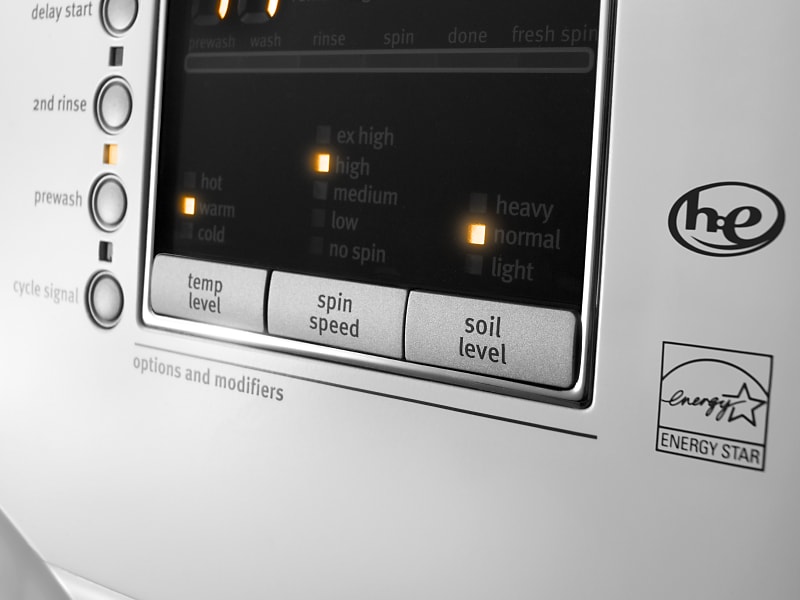
This automatic soil detection helps save water and energy. It also keeps clothes cleaner by tailoring the wash to the soil amount.
Some sensors work with stain type detection. For example, they may increase rinse cycles for oily stains or add a pre-wash for heavy dirt.
Using a washing machine with a soil sensor can make laundry easier. You don’t have to guess the right soil level setting.
Choosing Soil Level for Fabric Types
Different fabrics need different soil level settings. Delicate wash cycles with light soil level suit silk or wool. Heavy duty wash with heavy soil fits cotton or work clothes.
Matching soil level to fabric care settings protects items from damage. Using heavy soil on delicate clothes can cause wear or shrinkage.
Check your washing machine settings guide and user manual for fabric care tips. Many washers offer specific cycles like delicate wash or bulky items wash.
Washing Machine Water and Energy Use
Soil level settings affect water and energy consumption. Heavy soil cycles use more water and longer wash times. Light soil cycles save both without losing cleaning power.
Choosing the right soil level helps reduce your utility bills. It also reduces the environmental impact of laundry.
New energy-efficient washers balance soil level with water use. They still clean well but use fewer resources.
Understanding how soil level affects wash duration and water level helps you plan better laundry loads.

Washing Machine Soil Level Settings Guide
Here is a quick guide to soil level settings and when to use them:
- ✅ Light Soil: Lightly worn clothes, delicate fabrics, minor stains
- ✅ Normal Soil: Regular dirt, everyday laundry
- ✅ Heavy Soil: Very dirty clothes, mud, grease, tough stains
Set the soil level based on how much dirt you see. Combine it with the right wash temperature and cycle type for best results.
Adjust detergent accordingly. Use less detergent for light soil and more for heavy soil washing.
Remember, the soil level setting is a tool. Proper sorting of laundry by fabric and soil level makes washing easier and protects your clothes.
Visualizing Soil Level Settings
Below is a table summarizing soil level settings, recommended fabrics, and cycle features:
| Soil Level | Recommended Fabrics | Wash Time | Water Use | Detergent Amount |
|---|---|---|---|---|
| Light | Silk, Wool, Lightly Worn | Short | Low | Low |
| Normal | Cotton, Polyester, Everyday | Medium | Medium | Medium |
| Heavy | Denim, Work Clothes, Stained | Long | High | High |
Using this table helps you pick the right soil level for each load. It also guides detergent and water use to protect your washer and clothes.
Automatic soil sensors may change these settings during the wash to give the best result.
Common Soil Level Washing Machine Cycles
Washing machines offer cycles tuned to soil level and fabric type. Here are common cycles with soil level uses:
- Delicate Wash: Light soil, low agitation
- Normal Wash: Normal soil, balanced wash time
- Heavy Duty Wash: Heavy soil, high agitation and longer wash
Some machines add pre-wash or extra rinse options for very heavy soil. These help with laundry stain removal.
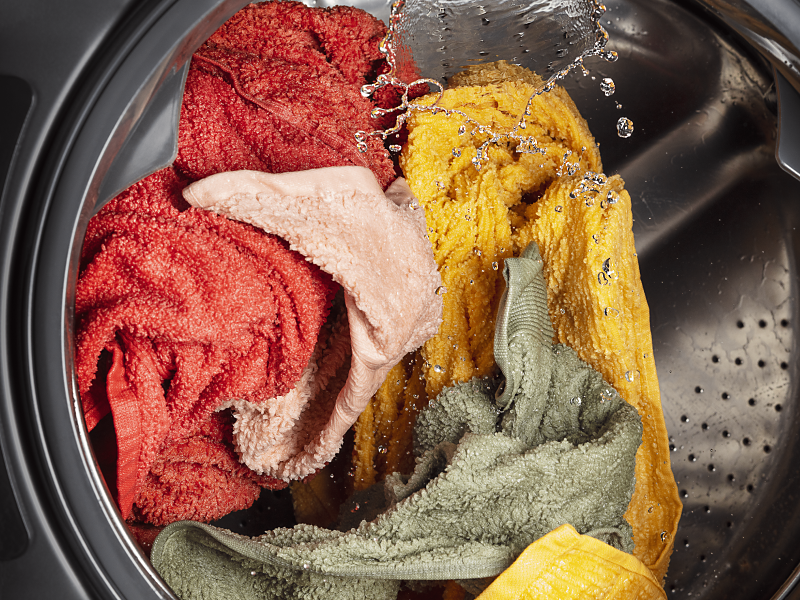
Choosing the right cycle and soil level increases washing machine efficiency and fabric care.
For guidance on cleaning your washing machine itself, see our article on how to clean washing machine mold smell.
Comparison of Soil Level Settings
Here is a comparison table showing soil level impact on wash parameters:
| Parameter | Light Soil | Normal Soil | Heavy Soil |
|---|---|---|---|
| Wash Duration | Short (20-30 mins) | Medium (30-45 mins) | Long (45-60+ mins) |
| Water Level | Low | Medium | High |
| Detergent Use | Low | Medium | High |
| Agitation Speed | Gentle | Normal | Strong |
| Energy Consumption | Low | Medium | High |
Choosing the right soil level helps balance cleaning power and resource use. This balance is key for modern washing machine energy consumption standards.
Tips for Optimal Soil Level Use
Follow these tips to get the best from your washing machine soil level settings:
- Sort clothes by dirtiness and fabric type.
- Use soil level settings to match dirt amount.
- Adjust detergent based on soil level.
- Use fabric care settings for delicate or bulky items.
- Use machines with soil sensors for automatic adjustment.
Proper use of soil level can improve fabric care and extend the life of your washer.
Regularly cleaning your washing machine with recommended methods keeps sensors and parts working well.
Conclusion: Soil Level Washing Machine Explained
Soil level is a key setting on your washing machine. It tells the machine how dirty your clothes are. This setting adjusts wash time, water use, and detergent amount.
Using the right soil level improves cleaning results and saves water and energy. Modern washers with soil sensors make this process easy by adjusting settings automatically.
Always match soil level with fabric type and detergent use. This protects your clothes and washing machine.
For more tips on washing machine care and settings, explore our guides on fabric care settings and washing machine cleaning modes. Proper use leads to cleaner laundry and longer-lasting machines.
Frequently Asked Questions
What does soil level mean on a washing machine?
Soil level refers to how dirty your laundry is. Washing machines adjust the wash cycle based on this setting to clean clothes properly.
How do I choose the right soil level setting?
Select light soil for lightly worn clothes, normal soil for everyday dirt, and heavy soil for very dirty or stained items.
Does soil level affect water and detergent use?
Yes. Higher soil levels use more water, detergent, and longer wash times to remove heavy dirt.
Do all washing machines have soil level sensors?
Many modern washers have automatic soil detection sensors that adjust settings for you.
Can setting soil level wrong damage clothes?
Using heavy soil for delicate fabrics may cause wear. Always match soil level with fabric type and dirt amount.

Michael Peterson is a home appliance writer focused on practical washing machine care, maintenance, and troubleshooting. He shares simple, reliable tips to help readers keep their washing machines running efficiently, avoid common problems, and extend appliance life.