Introduction to Amana and Its Washing Machines
Amana is a well-known name in home appliances, especially washing machines. The brand has a rich history in the appliance industry of the USA. Today, Amana washing machines are made by a major player in the appliance world. Understanding who makes Amana washers helps buyers trust the product and know what to expect in terms of quality and service.
Amana is part of a larger appliance maker partnership under a well-known corporation. This relationship shapes the production and design of their washing machines. For a deeper understanding of this mechanic, analyzing resources on Amana washer product line provides excellent foundational context.
The company focuses on household washing machine brands that offer value and dependable performance. Their product lines cover many needs from basic models to more advanced options.
Amana Brand History and Ownership
Amana started in the 1930s as a small appliance company. Over time, it grew to be a trusted name in kitchen and laundry appliances. The Amana appliance company was acquired by Whirlpool Corporation decades ago. This move placed Amana under one of the largest appliance manufacturing brands in the world.
Whirlpool Corporation manages several brands, with Amana being one of its value-focused options. The ownership means Amana washers benefit from Whirlpool’s research and manufacturing expertise. However, Amana keeps its own brand identity focused on affordability and simplicity.
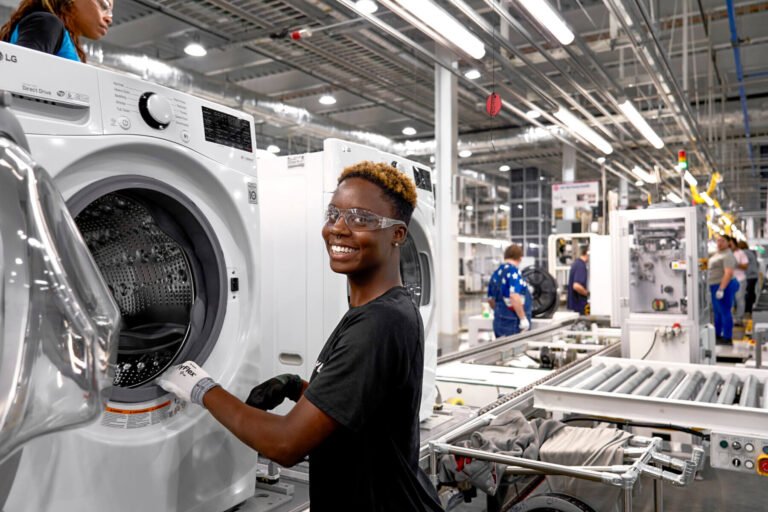
Whirlpool’s ownership also affects the manufacturing locations of Amana washers. Most are made in facilities shared with other Whirlpool brands, mainly in the USA and Mexico. This setup helps control quality and reduces costs.
Production and Key Features of Amana Washers
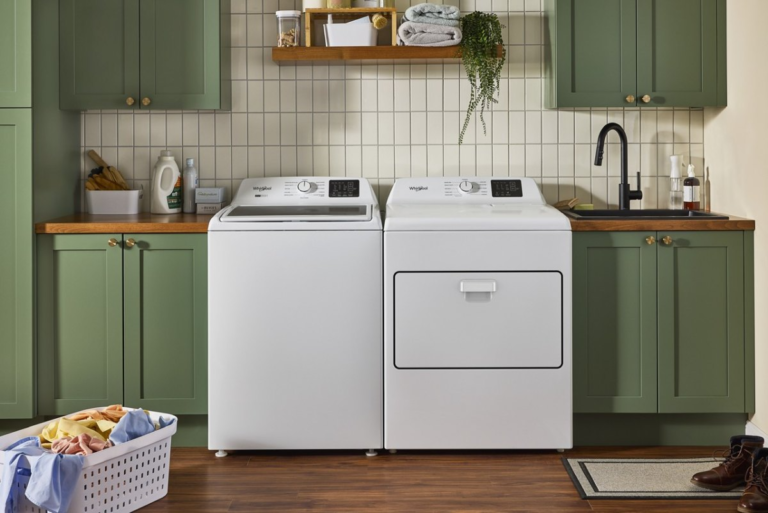
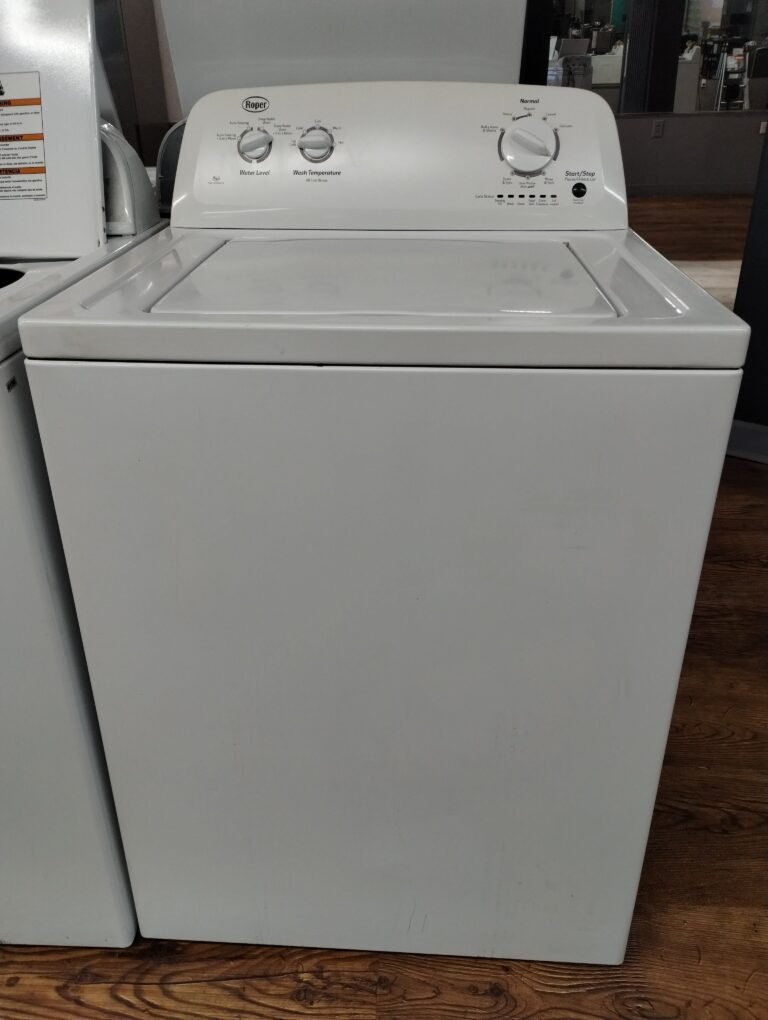
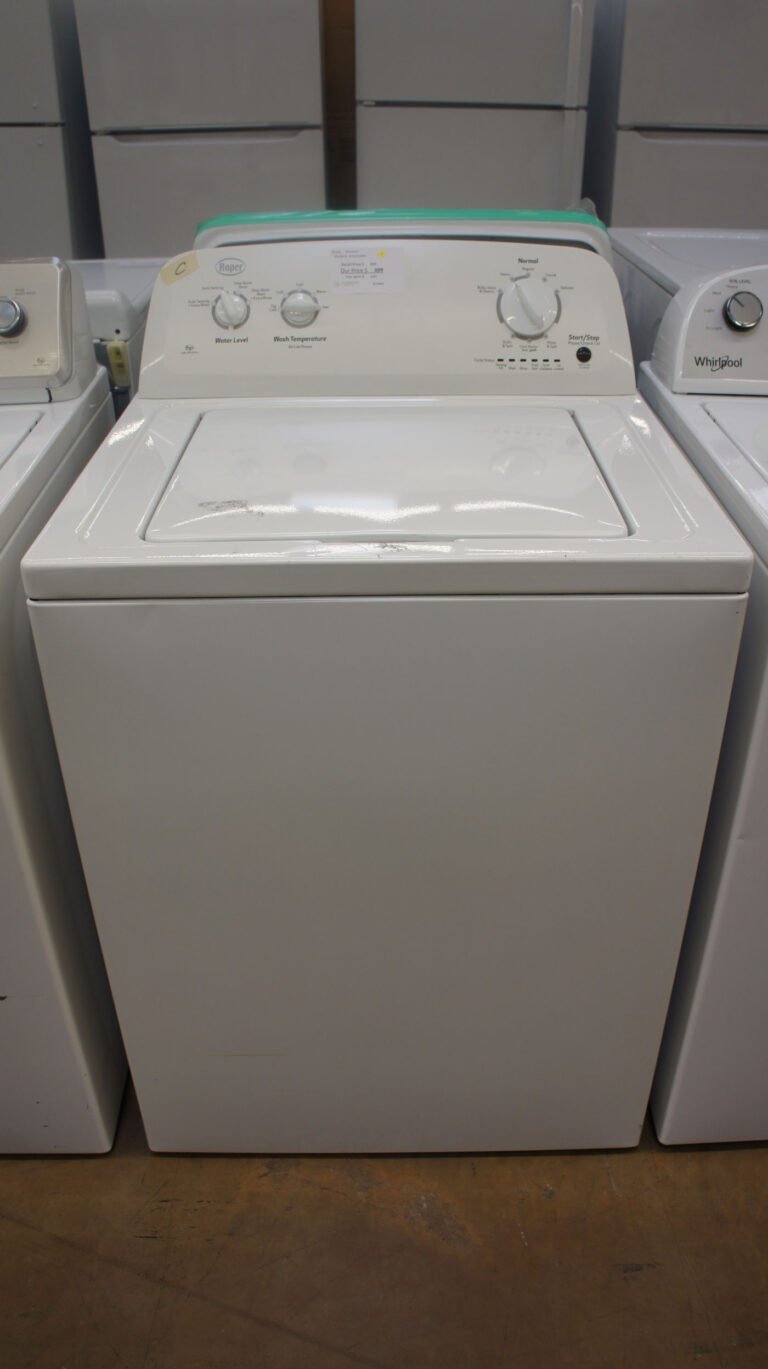
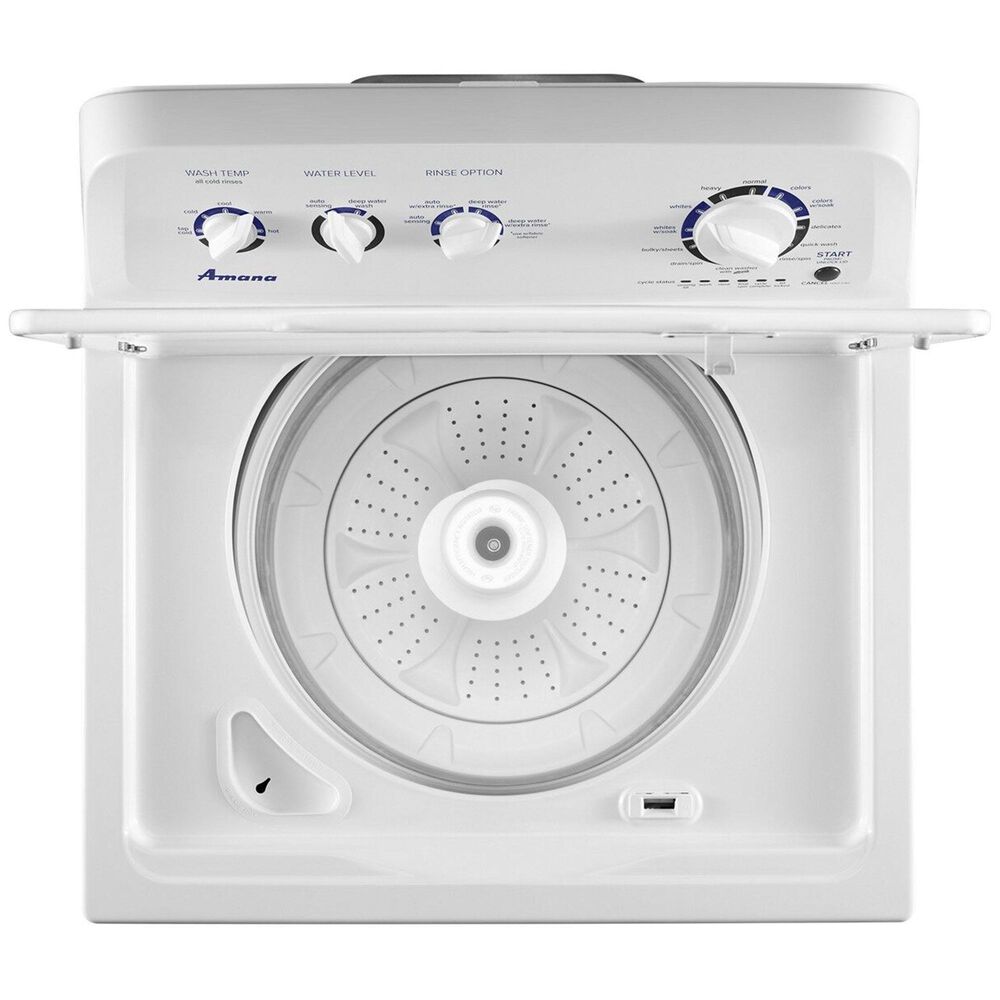
Amana washer production follows strict standards set by Whirlpool. These washers use proven technology to balance cleaning power with energy efficiency. They often include features like multiple wash cycles, soil level settings. And automatic water level detection.
The design of Amana washers focuses on user-friendly controls and durability. Many models use a top-loading system with an agitator. This some consumers prefer for its simplicity and cleaning ability.
Energy efficiency remains a key feature, meeting or exceeding current standards. While not packed with high-tech options, Amana washers offer reliable functionality suited for many households.
| Feature | Description | Benefit |
|---|---|---|
| Top-Load Design | Traditional agitator or impeller | Simple and effective cleaning |
| Multiple Wash Cycles | Options for different fabric types | Customizable cleaning |
| Energy Star Certified | Meets energy efficiency standards | Lower utility bills |
| Automatic Water Level | Adjusts water usage based on load size | Water savings |
Customers often praise Amana washer features for their ease of use. These washers avoid complex electronic controls. This some users find frustrating in other brands.
Manufacturing Locations and Industry Role
Amana washing machines are made primarily in the USA and Mexico. Whirlpool’s facilities in these countries produce Amana washers alongside other brands. This helps maintain strong quality control and supports local economies.
The appliance industry in the USA benefits from this setup. It allows Whirlpool to compete globally while keeping jobs local. For consumers, it means access to products designed with American standards in mind.
Manufacturing locations also affect product lifecycle and availability of parts. Having production close to home means quicker repairs and better after sales service.
Consumer Opinions and Washing Machine Reliability
Consumer opinions on Amana washers are generally positive. Many users report satisfaction with the washers’ cleaning ability and simple controls. Reviews often highlight the brand’s value for the price.
Regarding Amana washing machine reliability, data shows these washers perform well for basic household use. They may not offer the high-end features or longest lifespan of premium brands. But they hold their own in their price range.
Customer satisfaction also depends on proper maintenance and understanding the machine’s capabilities. For example, learning how to clean front loader washing machine can help extend the life of any washer, including Amana models.
Amana vs Whirlpool: A Market Comparison
Amana and Whirlpool washers share a parent company but target different markets. Whirlpool washers generally offer more advanced features and higher price points. Amana focuses on affordability and straightforward operation.
Both brands are strong in the USA appliance market. Whirlpool leads in innovation and premium models. Meanwhile, Amana fills the need for solid, no-frills washers. This balance allows Whirlpool Corporation to cover a wide range of consumer needs.
| Aspect | Amana | Whirlpool |
|---|---|---|
| Price Range | Low to Mid | Mid to High |
| Features | Basic to Mid | Advanced |
| Technology | Simple Controls | Smart Controls & Sensors |
| Warranty | Standard 1 Year | Extended Options Available |
| Market Focus | Value Seekers | Premium Buyers |
Although Amana does not compete directly with Whirlpool on luxury, it remains a respected brand for practical washing needs. This position keeps it relevant in the appliance industry in 2026.
Warranty and After-Sales Service
Amana washing machines come with a warranty covering parts and labor for one year. This warranty aligns with many other appliance manufacturing brands in the value segment.
After-sales service is backed by Whirlpool’s wide network. Consumers can access repair services and replacement parts easily. This support adds confidence when buying Amana washers.
Extended warranty options may be available through retailers or third parties. Buyers should consider these if they want extra protection beyond the standard coverage.
Conclusion
Amana washing machines are made by Whirlpool Corporation, a top appliance manufacturer. This link gives Amana the benefit of advanced production facilities and strong quality control.
The brand offers reliable, simple. And affordable washers that suit many households. While they don’t have the latest tech, they deliver good value and ease of use. Manufacturing in the USA and Mexico supports the local appliance industry and helps keep repair services accessible.
For buyers who want a no-frills washer with trusted backing, Amana is a solid choice. To learn more about keeping your washer in top shape, check out tips on how to clean my front loader washing machine.
In 2026, Amana remains a key player in the world of home appliances, providing dependable washing machines made by one of America’s top appliance makers.
Frequently Asked Questions
Who owns the Amana appliance brand?
Whirlpool Corporation owns the Amana appliance brand, including its washing machines.
Where are Amana washing machines made?
Amana washing machines are produced in manufacturing facilities owned by Whirlpool in the USA and Mexico.
How reliable are Amana washers compared to other brands?
Industry reviews suggest Amana washers offer solid reliability, though not as high-end as some premium brands like Whirlpool.
What features do Amana washing machines offer?
Amana washers provide basic to mid-range features such as energy efficiency, multiple wash cycles, and easy-to-use controls.
Does Amana offer a warranty on their washing machines?
Yes, Amana washing machines come with a standard limited warranty, typically covering parts and labor for one year.

Michael Peterson is a home appliance writer focused on practical washing machine care, maintenance, and troubleshooting. He shares simple, reliable tips to help readers keep their washing machines running efficiently, avoid common problems, and extend appliance life.