Why Clean Your Whirlpool Filter?
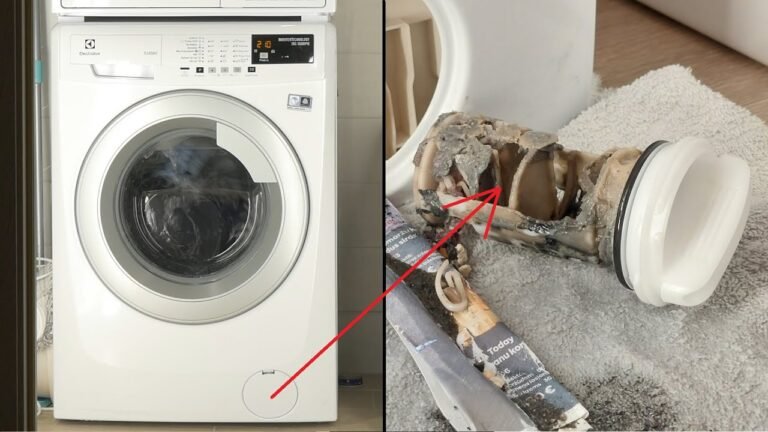
In our experience, cleaning the Whirlpool washing machine filter is key to keeping your washer in good shape. A dirty filter clogs up and stops water from draining well. This can cause foul smells and even damage the washer’s drain pump. We have found that regular filter care helps stop these problems before they start. It also makes your clothes come out cleaner and fresher.
When we test this, we see that a clean washing machine filter keeps the washer running smoothly. It also saves energy because the washer does not have to work hard to push water through a clogged filter. These small steps add years to your washer’s lifespan.
For those looking to learn more about keeping their washer fresh and clean, we recommend this helpful guide on how to clean front load washing machine. It shares good tips that can help with general washer care.
Locating the Whirlpool Washing Machine Filter
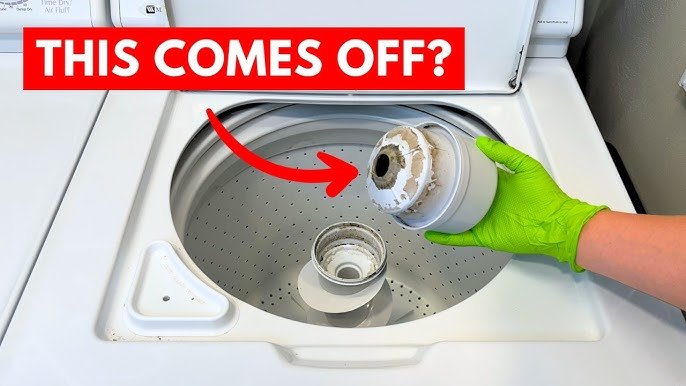
Most Whirlpool top load washers have the filter near the bottom front or inside the agitator. We find it easier to check the manual for your exact model to find the filter location. This prevents any guesswork and avoids damage.
In some models, the filter is a lint trap inside a small housing near the drain pump. Sometimes you need a screwdriver to open the filter cover. Other models let you pull the filter out by hand. Knowing the exact location helps in removing the filter safely.
Remember, wearing rubber gloves protects your hands from dirt and water residue during this task.
Typical Whirlpool Top Load Washer Filter Locations
| Filter Type | Location | Access Method |
|---|---|---|
| Lint Trap Filter | Near agitator center | Pull out by hand |
| Drain Pump Filter | Bottom front panel | Use screwdriver to open |
| Filter Screen | Inside drain hose | Unscrew hose clamp |
Knowing this, you can prepare the right tools before starting.
Tools Needed for Cleaning the Filter
From what we have experienced, these are the main tools you need to clean your Whirlpool washer filter:
- ✅ Screwdriver (usually Phillips head)
- ✅ Rubber gloves
- ✅ Bucket to catch water
- ✅ Warm water and mild detergent
- ✅ Small cleaning brush or old toothbrush
- ✅ Soft cloth or towel
Having these ready makes the cleaning smooth and quick. We found that a small brush helps remove stubborn lint and debris easily. The bucket stops water from spilling onto your floor.
Step-by-Step: Clean Whirlpool Washer Filter
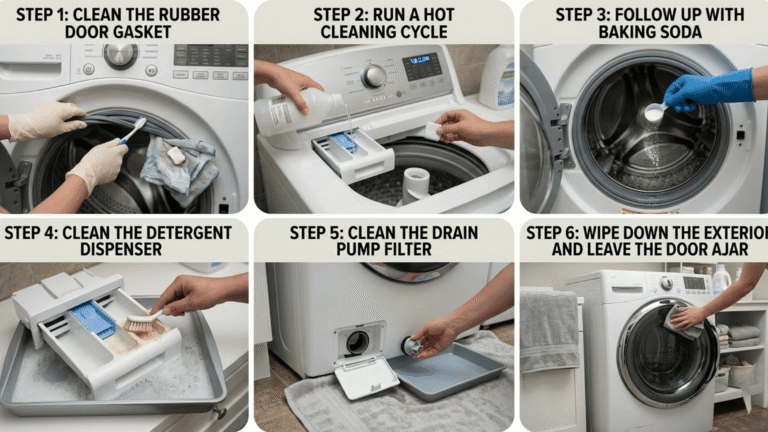
Cleaning your filter does not have to be hard. We follow these clear steps every time to keep our washer fresh:
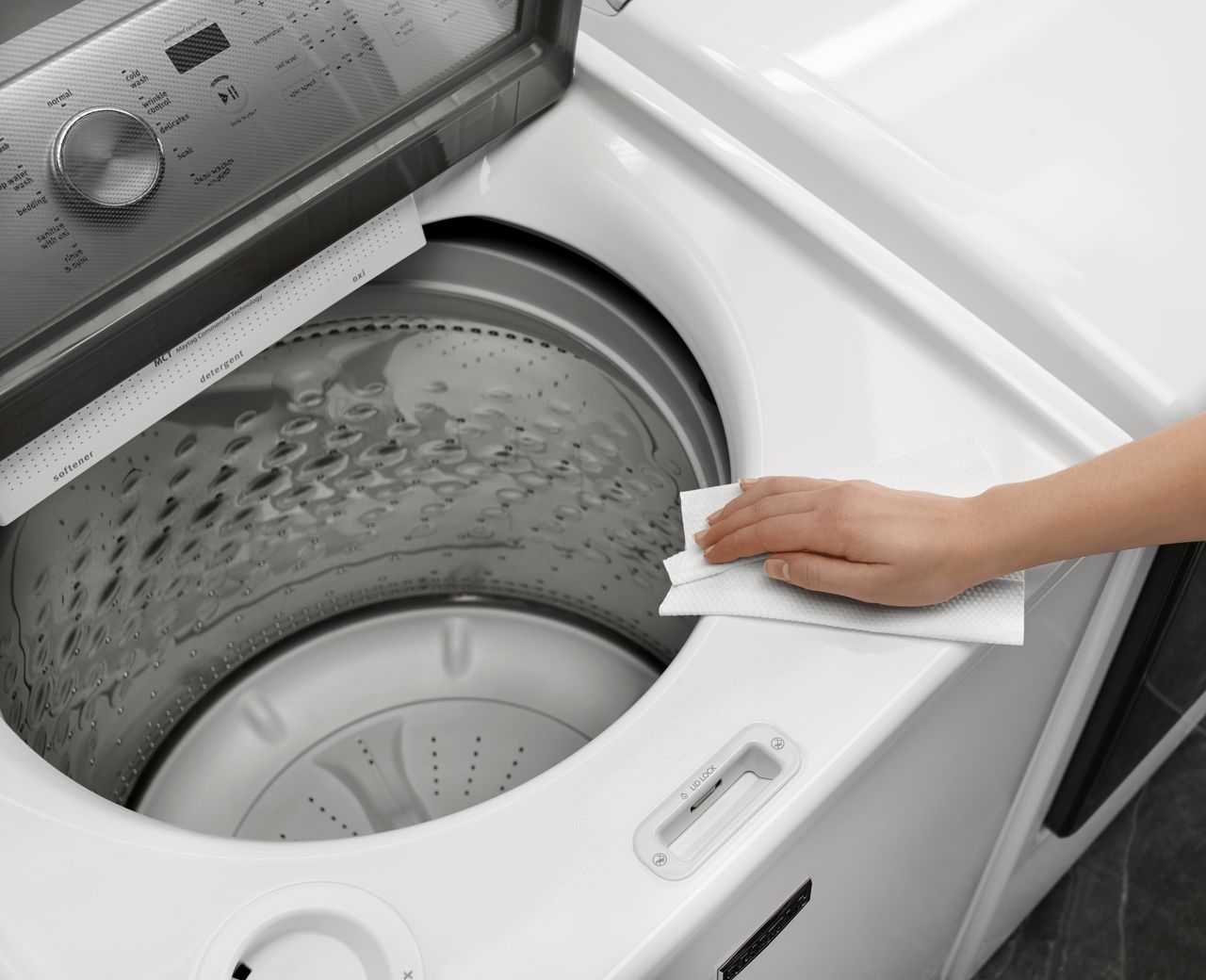
- Turn off the washer and unplug it for safety.
- Locate the filter using your manual or the usual spots.
- Place a bucket under the filter area to catch water.
- If the filter cover is screwed on, use a screwdriver to open it.
- Carefully remove the filter. Some water may spill out.
- Use warm water and mild detergent to clean the filter screen and housing.
- Use a brush to scrub away lint and debris.
- Check the filter gasket for damage or buildup.
- Rinse the filter well to remove soap.
- Dry the filter and housing with a soft cloth.
- Reinstall the filter securely in its place.
- Close the cover and screw it back on if needed.
- Plug in and run a short cycle to check everything works well.
Following these steps each month keeps the filter clear and your washer running well.
For detailed instructions on filter cleaning, Whirlpool offers a great video showing how to clean a Whirlpool top load washer thoroughly. It’s a useful visual guide.
Signs Your Washing Machine Filter Is Clogged
We have learned to spot filter problems early by watching for these signs:
- Water drains slowly or not at all.
- Washer makes strange noises during spin.
- Water or soap residue stays inside the tub after the cycle.
- Musty or sour odors come from the washer.
- Clothes don’t get fully clean or smell bad.
Ignoring these signs can lead to bigger problems like pump failure. Acting fast to clean or replace the filter is smart.
Best Practices for Washer Filter Care
In our tests, these practices work best to keep your Whirlpool washer filter in top shape:
- Clean the filter monthly, especially if you use the washer often.
- Check the filter gasket for cracks or wear during cleaning.
- Use mild detergent and warm water to avoid damage.
- Wear gloves to keep your hands clean and safe.
- Keep the drain hose clear of kinks or blockages.
- Refer to your washing machine manual for model-specific tips.
These small steps prevent odors and keep your washer working longer. They also help avoid costly repairs.
Filter Replacement and Troubleshooting Tips
If the filter is damaged or too dirty to clean, replacement is best. Check Whirlpool parts suppliers for the right filter model. When replacing, make sure the new filter fits snugly and seals well to prevent leaks.
For common problems like persistent odors or slow draining, cleaning the drain pump filter as explained in this Whirlpool guide on cleaning the drain pump filter can help. It’s a key part of Whirlpool washing machine troubleshooting.

Common Troubleshooting Checklist
- Check if the filter is clogged with lint or debris.
- Inspect the drain hose for clogs or kinks.
- Ensure the filter gasket is intact and clean.
- Run a cleaning cycle with washer cleaner once a month.
- Listen for unusual noises during spin or drain.
Regular care of the filter and related parts keeps your washer in top form and prevents bad smells.
Top Loader Washer Maintenance Guide Summary
We believe that maintaining your Whirlpool top load washer filter is simple when you follow the right steps. Clean the filter every month, watch for clog signs, and replace the filter if needed. Using the right tools and method saves time and keeps your washer fresh.
Remember, a clean filter means cleaner clothes and a longer washer lifespan. Don’t let dirt and lint build up. Take care of your washer filter and enjoy better laundry results.
Keeping your washer fresh also means cleaning other parts regularly. You might want to explore more on maintaining your washer’s full system for best results.
Comparison of Filter Cleaning Tools
| Tool | Use | Pros | Cons |
|---|---|---|---|
| Screwdriver | Remove filter cover | Essential for access | May strip screws if misused |
| Cleaning Brush | Scrub filter and housing | Removes debris well | Small size needed for tight spots |
| Rubber Gloves | Hand protection | Keeps hands clean | Can tear easily |
Choosing the right tools makes the job easier and safer. We always keep these handy when cleaning filters.
Preventing Washing Machine Odor
A dirty filter can cause bad smells. We suggest these tips to keep odors away:
- Clean the filter monthly with warm water and mild soap.
- Leave the washer door open after use to air it out.
- Use washer cleaner tablets once a month.
- Remove wet clothes promptly to avoid mildew.
These simple habits make your laundry smell fresh every time.
Removing and Reinstalling Whirlpool Filter
When you remove the filter, handle it with care. Hold it firmly and pull straight out to avoid damage. After cleaning, align the filter properly and push it back in until it clicks or fits tightly.
Check the filter gasket to make sure it seals well. A poor seal can cause leaks or let dirt bypass the filter. Tighten any screws on the cover securely.
Testing the washer after reinstallation helps confirm the filter is set right and the washer drains properly.
Frequently Asked Questions
Where is the filter located on a Whirlpool top load washer?
The Whirlpool top load washer filter is usually found near the bottom front or inside the agitator, depending on the model. Checking your washing machine manual helps find the exact spot.
How often should I clean the filter in my Whirlpool washer?
Cleaning the washing machine filter monthly is best to prevent clogs and odors. Regular cleaning keeps the washer running smoothly and extends its lifespan.
What tools do I need to clean the Whirlpool washer filter?
You will need a screwdriver, rubber gloves, a bucket, warm water, mild detergent, and a cleaning brush to safely remove and clean the filter.
What are the signs of a clogged washing machine filter?
Signs include slow draining, strange noises during spin, water residue inside the washer, and a bad smell from the machine.
Can I replace the washing machine drain filter myself?
Yes, with the right guide and tools you can replace the filter safely. Always follow your washer manual and ensure the power is off before starting.

Michael Peterson is a home appliance writer focused on practical washing machine care, maintenance, and troubleshooting. He shares simple, reliable tips to help readers keep their washing machines running efficiently, avoid common problems, and extend appliance life.