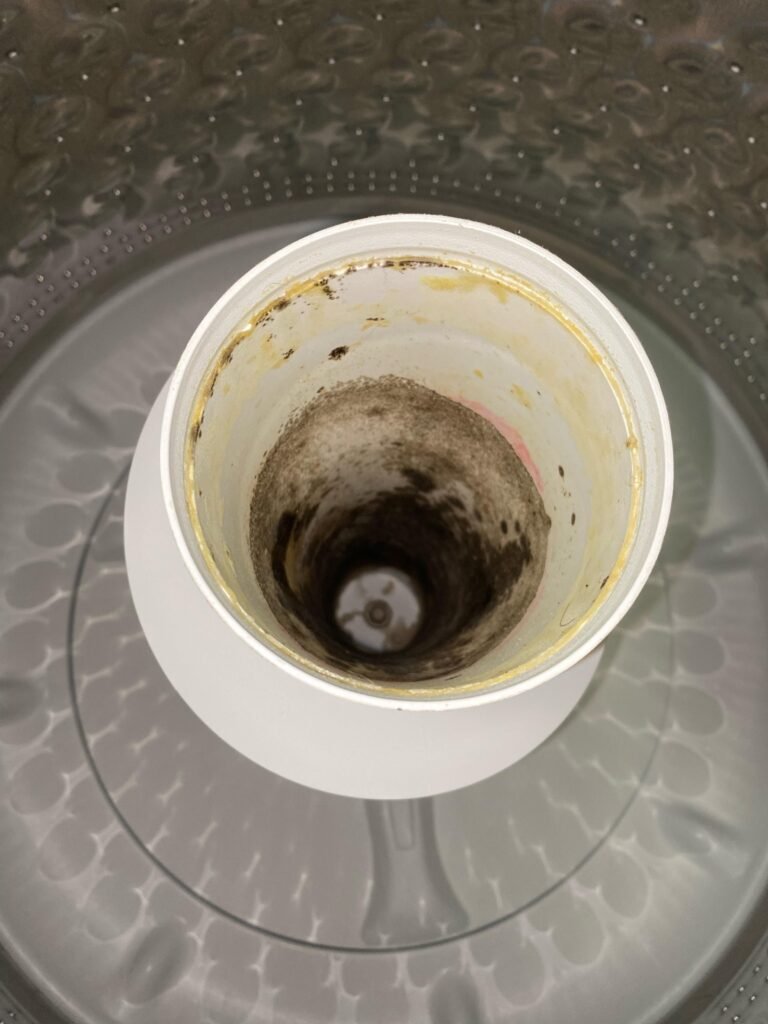
Why Clean Your Washing Machine Drain Hose Without Removing?
In our experience, cleaning a washing machine drain hose without removing it saves time and effort. Often, the hose is in a tight space, making removal tricky. Plus, you risk leaks or damage if you disconnect it wrong. We have found simple ways to clear clogs and buildup right in place.
Keeping the drain hose clean helps avoid common washing machine drainage issues. Blockages can stop water flow or cause bad smells. This affects how well your washer works and can damage the drain pump. For effective washing machine maintenance tips, regular care of the drain hose is key.
We also recommend checking out our guide on cleaning LG washing machine filters to keep your washer running smoothly.
What Causes Washing Machine Hose Blockages?
Clogs in the washing machine drain hose often come from detergent buildup. Over time, soap scum and lint mix together inside the hose. This creates a sticky layer that traps more dirt and slows water flow. Mold and mildew can also grow in the damp hose, causing odors.
Another cause is a clogged drain pipe connected to the hose. When water can’t flow freely, it backs up and floods the machine. We have seen many drainage issues start from small blockages that grow bigger.
Knowing these causes helps us pick safe drain hose cleaning methods. We avoid harsh chemicals that can damage the hose or pipes.
Tools and Materials You Will Need
Cleaning the washing machine drain hose without removing it is easy with some simple tools. Here is what we use:
- ✅ Garden hose or strong water source for flushing
- ✅ Biodegradable cleaning solution or vinegar
- ✅ Cleaning brush with a long handle
- ✅ Bucket to catch water
- ✅ Hot water
- ✅ Rubber gloves for safety
We like using a natural cleaner because it is safe and helps with mold and odor removal. For stubborn buildup, a brush helps scrub inside the hose without disconnecting it.
Step-by-Step Guide to Clean Drain Hose Without Removal
Follow these steps to clean your washing machine drain hose easily at home.
- Turn off the washing machine and unplug it for safety.
- Locate the drain hose at the back of the washer and find the end where it drains into the pipe or sink.
- Place a bucket under the hose end to catch water and dirt.
- Mix a cleaning solution using hot water and biodegradable cleaner or vinegar.
- Use a garden hose or pouring device to slowly flush the cleaning solution through the drain hose.
- If possible, gently push a long cleaning brush into the hose to scrub detergent residue and mold.
- Flush again with clean hot water to rinse all dirt and cleaner out.
- Check that water flows freely and no clog remains.
- Wipe any spills and restore the hose to its position.
- Plug in and test your washing machine to confirm proper drainage.
This DIY washing machine hose cleaning is safe and does not need disconnecting the hose. It is quick and effective for most blockages.
For more details on safe washing machine maintenance, you can visit this discussion on drain cleaner use.
How to Prevent Washing Machine Drain Clogs
Prevention is better than cure. We recommend these simple habits to keep your washing machine drain hose clean longer.
- Use the right amount of detergent to avoid buildup.
- Run hot water flushes through the hose every month.
- Clean the lint filter regularly to reduce debris in the drain.
- Check and clean the drain pump as part of your maintenance routine.
- Keep the drain pipe clear and free from blockages.
These small steps stop detergent residue and lint from building up in the hose. They also reduce washing machine drainage odor removal needs.
Troubleshooting Washing Machine Drainage Issues
If you find water backing up or slow draining, the hose could be blocked. First, check the hose for kinks or bends. Straighten them out if needed. Next, flush the hose as described above.
Sometimes the drain pump or lint filter is clogged. We suggest reading our guide on cleaning Whirlpool washer filters to handle these parts safely. Fixing these can restore proper water flow quickly.
If odors linger, mold may be growing inside the hose or machine seals. Use a natural cleaning solution regularly to remove mold and mildew.
Best Products to Clean Drain Hose
We have tested several products safe for drain hose cleaning. Here are our top picks:

| Product | Type | Best For |
|---|---|---|
| White Vinegar | Natural Acid | Breaking down soap scum and mold removal |
| Biodegradable Cleaner | Eco-friendly Solution | Safe detergent residue removal |
| Baking Soda | Natural Abrasive | Odor neutralizing and gentle scrubbing |
These products are safe and easy to find. Avoid harsh chemical drain cleaners that can damage hoses or pipes.
We suggest flushing with hot water after applying these cleaners to clear away buildup fully.
Washing Machine Maintenance Routine for Drain Hose
In our experience, regular care keeps your washer in top shape. We follow this simple routine every few months:
- Clean the lint filter and drain pump.
- Flush the drain hose with hot water and natural cleaner.
- Check hose clamps and connections for leaks.
- Wipe down rubber seals to prevent mold.
- Run an empty hot wash cycle with vinegar monthly.
This routine stops detergent buildup and mold growth. It also reduces washing machine drainage odor removal needs.
For more home appliance cleaning hacks, you might like our article on cleaning LG washing machine top loaders.
Quick Facts: Washing Machine Drain Hose Care
- Flush hose every 3-6 months to prevent clogs.
- Use natural cleaners like vinegar or biodegradable solutions.
- Check hose clamps to avoid leaks.
- Clean lint filter regularly to reduce debris.
- Flush with hot water to improve water flow.
Following these tips helps your washing machine run smoothly and last longer.
Cleaning Methods Compared
| Method | Need to Remove Hose? | Effectiveness | Safety |
|---|---|---|---|
| Flushing with Hot Water | No | Good for light clogs | Very Safe |
| Brush Cleaning Inside Hose | No | Better for buildup | Safe if gentle |
| Removing Hose and Soaking | Yes | Best for heavy clogs | Safe if careful |
| Chemical Drain Cleaners | No | Quick but harsh | Not Recommended |
We prefer non-removal methods for most home users. They balance ease and safety well.
⭐ Expert Insight
“Regular flushing with hot water and a natural cleaner is often enough to prevent most washing machine hose blockages. Avoid harsh chemicals to protect your appliance and plumbing.” – Home Appliance Technician
We trust this advice because it matches our hands-on experience with washing machine maintenance.
Final Thoughts on Cleaning Drain Hose Without Removal
Cleaning your washing machine drain hose without removing it is practical and safe. With a few tools and simple steps, you can clear clogs and stop odors. Regular care saves money and extends your washer’s life.
Remember to use natural cleaners and flush with hot water often. If problems persist, check other parts like the lint filter and drain pump. For more tips, explore our guides on Samsung washing machine filter cleaning and related maintenance.
Keep your washing machine fresh and running well with these easy home appliance cleaning hacks!
Frequently Asked Questions
Can I clean the washing machine drain hose without removing it?
Yes, you can clean the drain hose without removing it by flushing it with water and using safe cleaning solutions that break down clogs and buildup.
What causes washing machine hose blockages?
Blockages often come from detergent residue, lint, and mold buildup inside the hose or drain pipes.
How often should I clean my washing machine drain hose?
It’s best to clean the drain hose every 3 to 6 months as part of your washing machine maintenance routine.
What is the safest way to remove mold from the washing machine drain hose?
Using a biodegradable cleaner mixed with hot water and flushing the hose regularly helps remove mold safely.
Can clogging cause washing machine drainage issues?
Yes, clogging in the hose or drain pipe can slow water flow, cause drainage odors, or even stop the machine from draining properly.

Michael Peterson is a home appliance writer focused on practical washing machine care, maintenance, and troubleshooting. He shares simple, reliable tips to help readers keep their washing machines running efficiently, avoid common problems, and extend appliance life.