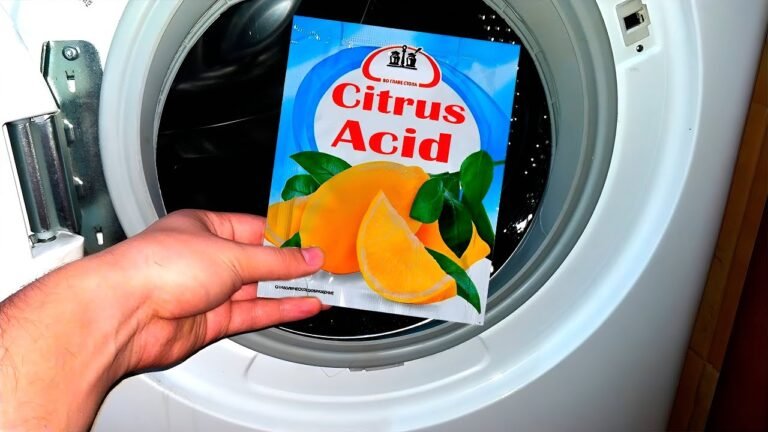
Why Clean Your Kitchenaid Ice Machine?
In our experience, keeping your Kitchenaid ice machine clean is key to fresh ice and long machine life. Over time, mineral deposits and mold can build up inside. These cause bad smells and affect ice quality. A clean ice machine works better and lasts longer. You also avoid health risks from dirty ice.
We always follow a regular ice machine maintenance schedule. This helps stop problems before they start. Proper cleaning also matches what the Kitchenaid ice machine user manual advises. It covers how to keep your ice maker safe and fresh.
For those who want tips on other brands, you can also learn how to clean Opal ice machine as a helpful comparison.
Signs Your Ice Machine Needs Cleaning
When we test this, we look for these signs that mean cleaning is due:
- ✅ Ice smells or tastes bad.
- ✅ Ice cubes look cloudy or have spots.
- ✅ Ice production slows down.
- ✅ Visible mineral buildup or mold inside.
- ✅ Water leaks or pooling in the drip tray.
Ignoring these signs can hurt your machine. Cleaning helps you avoid costly repairs and keeps ice safe.
Check the drip tray often. It catches water and can get dirty fast. Cleaning it stops odors and mold growth.
How Often Should You Clean Your Kitchenaid Ice Machine?
We recommend cleaning your ice maker every 3 to 6 months. The exact timing depends on your water quality and how much ice you use. Hard water means you may need to clean more often due to calcium buildup.
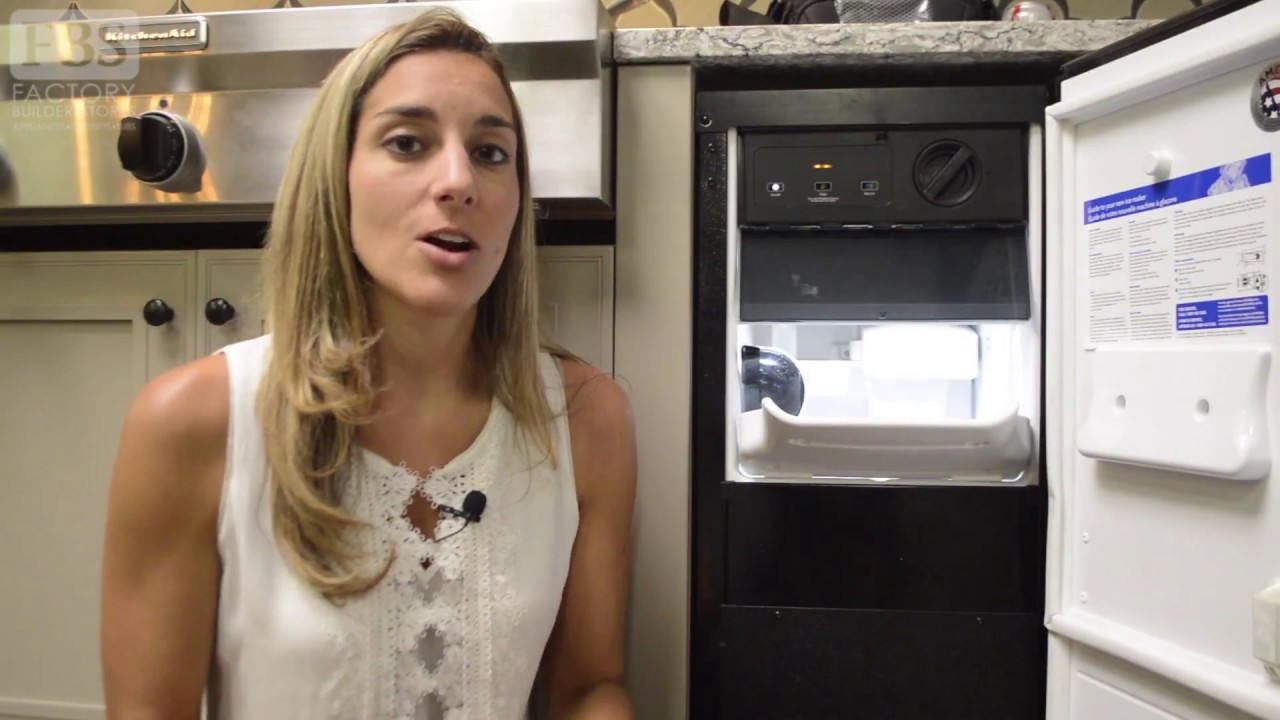
Follow your ice machine maintenance schedule for best results. Besides cleaning, replace the ice maker water filter as the care guide suggests. This keeps water fresh and helps reduce mineral deposits inside.
Setting a calendar reminder helps us keep on track. Regular care means fewer problems and tastier ice.
Step-by-Step Kitchenaid Ice Maker Cleaning Process
We follow a clear cleaning checklist to keep this simple and safe. Here is how we do it:
- Turn off and unplug the ice machine for safety.
- Remove all ice from the ice bin and discard it.
- Take out removable parts like the drip tray, ice bin, and ice mold if possible.
- Wash these parts with warm water and mild soap. Use a cleaning brush to remove buildup.
- Prepare a descaling solution with a safe descaling agent or white vinegar diluted with water.
- Use the cleaning cycle on the machine if it has one. Follow the user manual for correct steps.
- If no cleaning cycle exists, carefully pour the descaling solution into the water reservoir and let it sit to remove mineral deposits.
- Rinse all parts thoroughly with clean water to remove any cleaning agents.
- Sanitize the ice mold and water reservoir with a food-safe sanitizing solution.
- Clean the ice dispenser and ice chute using a soft cloth and sanitizing solution.
- Replace all parts and the water filter if needed.
- Plug in the machine and run a few cycles to flush out any residue.
This process effectively removes calcium buildup and prevents mold growth. We have found that skipping any step can cause odors or ice quality to drop.
For visual help, Kitchenaid offers a detailed video on how to clean the freestanding ice maker. Watching it helped us avoid common mistakes.
Best Cleaning Solutions for Ice Machines
Using the right cleaning products is very important. We recommend:
- Commercial ice machine cleaning and descaling agents made for food appliances.
- Mild white vinegar diluted with water for descaling.
- Food-safe sanitizing solutions for killing mold and bacteria.
Stay away from bleach or harsh chemicals. These can damage your ice maker’s rubber gasket and plastic parts.
Always check the Kitchenaid appliance care guide for product recommendations. Using safe cleaning products keeps your ice machine working well and ice tasting clean.
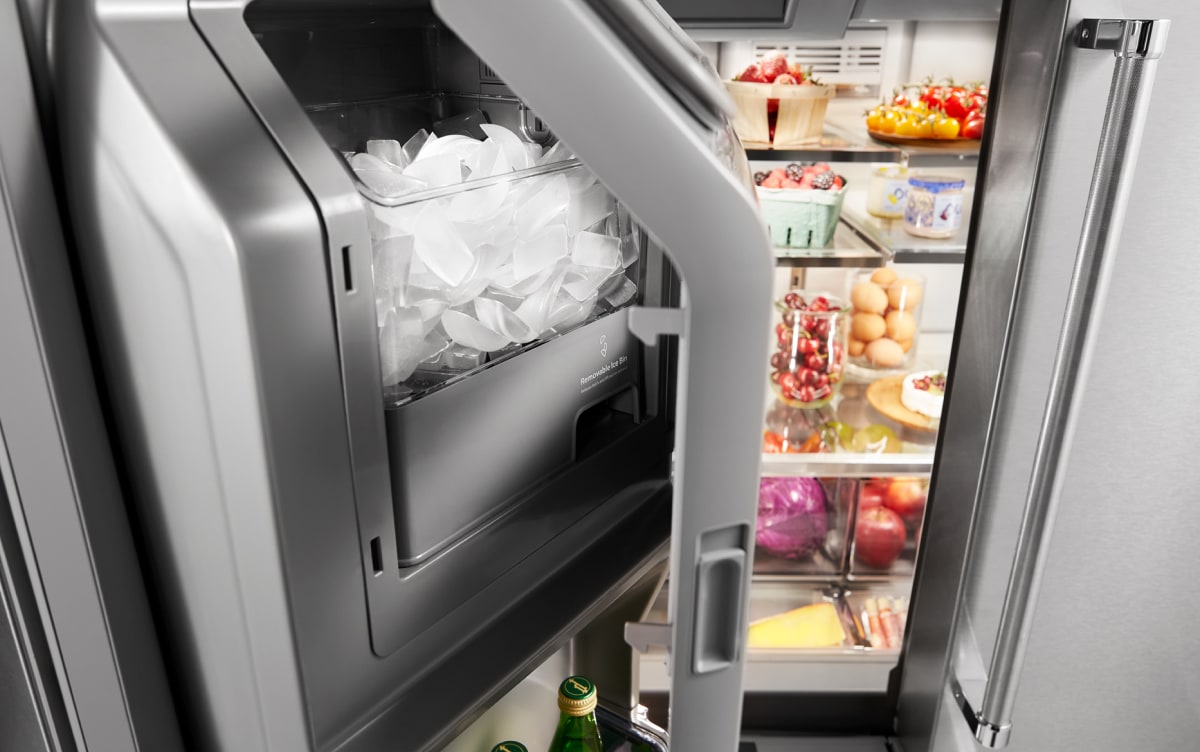
Ice Maker Water Filter Replacement Tips
We found that changing the ice maker water filter regularly improves ice taste and reduces mineral buildup. Filters usually last about six months but check your model’s user manual for exact timing.
To replace the filter:
- Turn off the water supply and unplug the unit.
- Locate the filter housing and remove the old filter.
- Install the new filter and flush water through the machine to clear air and loose carbon.
- Reset any filter indicators if your machine has them.
Replacing the water filter is a simple way to keep your ice machine fresh and working well.
Preventing Odors and Mold in Your Ice Maker
Odors and mold usually happen because of trapped water or dirty parts. We keep odors away by:
- Regularly emptying and cleaning the ice bin and drip tray.
- Using the cleaning cycle and sanitizing parts as scheduled.
- Checking the water reservoir and ice mold for mold signs.
- Flushing ice maker lines to stop buildup and stale water.
Here is a quick table of common causes and fixes for odors and mold:
| Cause | Fix |
|---|---|
| Standing water in drip tray | Clean drip tray weekly |
| Mold on ice mold surface | Sanitize with approved solution |
| Old or clogged water filter | Replace filter every 6 months |
| Dirty ice chute or dispenser | Wipe with sanitizing cloth regularly |
This helps us keep our ice fresh and safe.
Troubleshooting Cleaning Issues
If your ice machine still has problems after cleaning, try these tips:

- Check the water inlet valve for blockages.
- Make sure the cleaning cycle ran fully.
- Inspect rubber gaskets and seals for damage or dirt.
- Examine the ice mold for cracks or buildup.
Sometimes calcium buildup hides in hard-to-reach places. You may need to repeat descaling or use a cleaning brush carefully. If problems continue, contact a professional.
Also, for more tips on cleaning other models, see our guide on how to clean Manitowoc ice machine. This can give extra ideas for tough stains.
Kitchenaid Ice Machine Cleaning Checklist
We keep this checklist handy when cleaning our ice maker. It helps us not miss any step:
- Turn off power and unplug the machine
- Empty ice bin and discard ice
- Remove and clean drip tray and ice bin
- Clean ice mold and water reservoir
- Run the cleaning cycle or use descaling agent
- Rinse all parts thoroughly
- Sanitize internal parts and ice chute
- Replace water filter if due
- Flush ice maker lines
- Run a few ice cycles before use
Following this checklist has kept our ice machines running smoothly and ice tasting great.
Below is a comparison of manual cleaning steps versus using the machine’s cleaning cycle:
| Cleaning Method | Pros | Cons |
|---|---|---|
| Manual Cleaning | Thorough, targets all parts | Time-consuming, needs disassembly |
| Cleaning Cycle | Quick, easy, less mess | May not remove heavy buildup |
We often combine both for best results.
Final Tips for Kitchenaid Ice Maker Care
From our experience, a few small habits make a big difference:
- Keep the area around your ice machine clean and dry.
- Use distilled water if possible to reduce mineral buildup.
- Watch the ice maker drip tray to avoid water overflow.
- Always follow safety precautions like unplugging before cleaning.
These simple steps extend your ice maker’s life and keep your ice fresh.
Remember, for detailed instructions and safety, always check your Kitchenaid ice machine user manual. Taking care of your appliance means better ice every time.
Frequently Asked Questions
How often should I clean my Kitchenaid ice machine?
It’s best to clean your Kitchenaid ice machine every 3 to 6 months to prevent mineral buildup and odors.
What cleaning products are safe for Kitchenaid ice makers?
Use cleaning solutions made for ice machines or mild vinegar-based descaling agents. Avoid harsh chemicals.
How do I remove mold from my Kitchenaid ice maker?
Sanitize the ice mold and water reservoir with a safe sanitizing solution, and clean all parts thoroughly following the user manual.
Can I replace the water filter myself?
Yes, replacing the ice maker water filter is simple and should be done as recommended in the appliance care guide.
What are signs my ice machine needs cleaning?
Look for slow ice production, bad odors, visible mineral deposits, or cloudy ice cubes as signs of a dirty machine.

Michael Peterson is a home appliance writer focused on practical washing machine care, maintenance, and troubleshooting. He shares simple, reliable tips to help readers keep their washing machines running efficiently, avoid common problems, and extend appliance life.