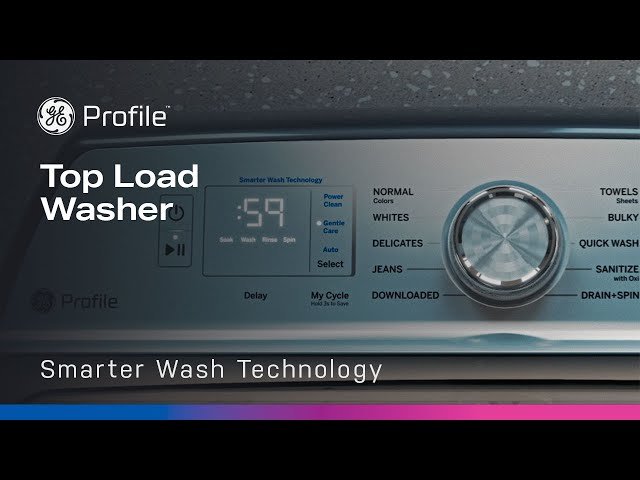
Introduction to GE Top Load Washer Cleaning
Keeping your GE top load washing machine clean is key to good laundry. Dirt, detergent buildup, and mold can cause bad smells and damage. Regular care helps your washer last longer and work better. This guide shows easy and safe ways to clean your washer tub and agitator.
For those wanting detailed help on cleaning similar components, our guide on how to clean centrifuge machine offers useful cleaning tips that apply broadly to appliances.
Following this advice ensures you keep your GE washer fresh and efficient without voiding your washing machine warranty.
Why You Should Clean Your GE Top Load Washer Regularly
Over time, detergent residue and mold build up inside your washer tub and agitator. This causes odors and can harm your clothes. Mold and mildew thrive in moist, warm places like the agitator area. Cleaning removes grime and stops these problems.
Regular cleaning also keeps your washer running smoothly. It helps avoid clogs in the washing machine hoses and lint filter. A clean machine uses less water and energy, saving money.
Industry consensus shows a good washing machine maintenance routine improves machine life and washing results. For a deeper understanding of this mechanic, analyzing resources on Top Load Washer – Cleaning Inside Agitator provides excellent foundational context.
Tools and Cleaning Agents You Will Need
Use safe cleaning agents to avoid damage. Common household items work well:
- ✅ White vinegar – breaks down detergent buildup and kills mold
- ✅ Baking soda – scrubs grime and neutralizes odors
- ✅ Bleach – for tough mold and mildew removal
- ✅ Soft brush or cloth – to clean agitator and tub
- ✅ Warm water – helps dissolve residues
- ✅ Washing machine cleaner tablets – optional for deep clean
Make sure to check your washing machine warranty for any cleaning restrictions. Some models may have a recommended cleaning cycle or specific instructions.
Preparing Your GE Washer for Cleaning
Before starting, unplug your washer for safety. Remove any clothes or items from the tub. Open the lid and inspect the agitator and drum for visible dirt or mold. If you spot mold, plan to use bleach carefully.
Also, check the fabric softener dispenser and lint filter. These can hold residue and need cleaning too. Disconnect the washing machine hoses if you want to clean them for a thorough job.
Remember to clean the front panel controls gently with a damp cloth to avoid damage.
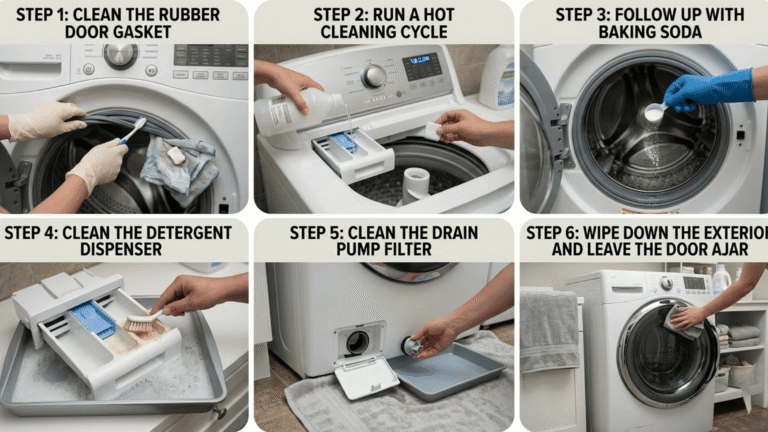
Step-by-Step Cleaning Guide for GE Top Load Washer
Follow these steps for a full clean of your washer tub and agitator:
- Fill the washing machine tub with hot water, up to the highest level.
- Add 4 cups of white vinegar to the water. Vinegar helps remove buildup and kills smells.
- Run the washer on a normal cycle with agitation and spin to mix the solution well.
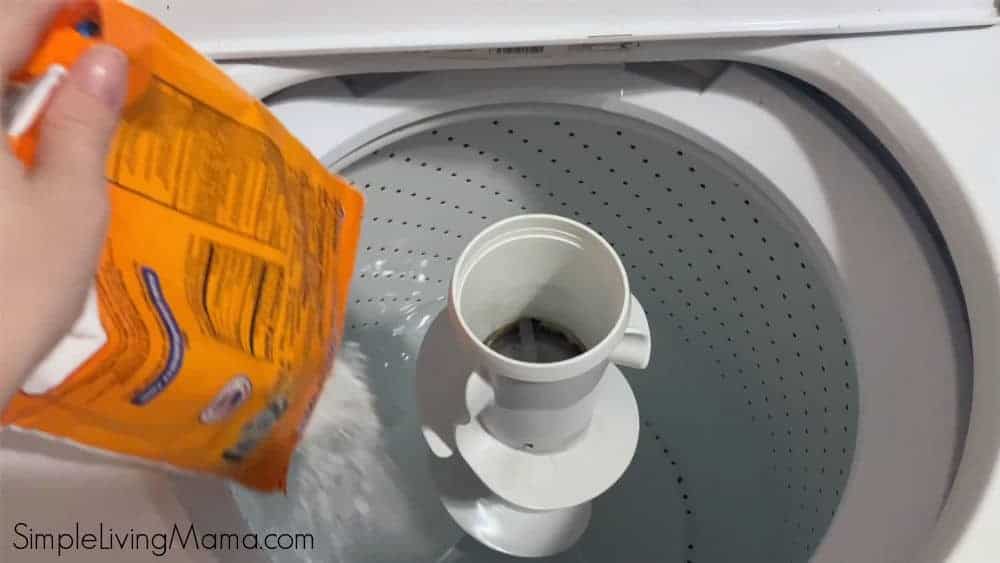
- Once the cycle finishes, scrub the agitator and tub with a soft brush dipped in baking soda paste (baking soda + water).
- For mold, wipe affected areas with diluted bleach (1 cup bleach to 1 gallon water). Wear gloves and ventilate well.
- Run a second hot water cycle with no clothes to rinse the tub thoroughly.
- Clean the fabric softener dispenser and lint filter separately with warm soapy water.
- Wipe down the washing machine drum and other components with a clean cloth.
- Reconnect hoses and run one more rinse cycle to flush everything.
This process is a good example of a washing machine cleaning cycle combined with manual cleaning for best results.
How to Prevent Mold and Odors in Your Washer
After cleaning, take steps to keep mold and odors away. Leave the lid open after every wash to let air dry inside. Use the right amount of detergent to prevent buildup. High-efficiency detergents work best.
Run a cleaning cycle with vinegar or a washing machine cleaner every month. Check and clean the lint filter and hoses regularly. Avoid overloading your washer to help it rinse better.
Adding a small amount of bleach occasionally helps stop mold growth safely.
Common Issues and How to Fix Them
Some common problems include persistent odors, grime on the agitator, and slow draining. Odors usually mean mold or detergent buildup. Use the cleaning steps above with extra vinegar or bleach to solve this.
Grime on the agitator can be tough. Use a soft brush and baking soda paste to scrub well. Avoid harsh tools that can damage plastic parts.
Slow draining may mean clogged hoses or filters. Clean hoses by disconnecting and flushing them with warm water. Remove lint from filters often.
If problems persist, consult your GE washer manual or contact support. Regular maintenance avoids most issues.
Washing Machine Maintenance Routine for Lasting Care
Set a schedule for cleaning and checks to keep your GE washer in top shape. Every month, run a cleaning cycle with vinegar or a washer cleaner. Every 3 months, deep clean with bleach and baking soda. Check hoses and filters every 6 months.
Keep a log of maintenance tasks to stay on track. This routine prevents buildup and extends your washer’s life.
Using safe cleaning solutions and following this routine aligns with expert advice and GE washer care instructions.
Cleaning Agents and Uses Table
The table below summarizes key agents and their roles in washing machine cleaning:
| Cleaning Agent | Use | Safety Notes |
|---|---|---|
| White Vinegar | Removes detergent buildup, kills odors | Safe, non-toxic |
| Baking Soda | Scrubs grime, neutralizes smell | Safe, non-toxic |
| Bleach | Kills mold, disinfects tub | Use diluted, ventilate area |
| Washing Machine Cleaner Tablets | Deep clean with cleaning cycle | Follow product instructions |
Cleaning regularly with these agents keeps your washer fresh and damage-free.

Besides cleaning, proper detergent use and airing out the tub help maintain freshness between cleanings.
Cleaning the Agitator in Your GE Top Load Washer
The agitator moves clothes to clean them but also traps grime. To clean it well, remove any fabric caught underneath. Use a soft brush dipped in vinegar and baking soda paste to scrub the agitator’s base and fins.
For tough grime, soak a cloth in vinegar and wrap it around the agitator for 30 minutes before scrubbing. Avoid harsh scrubbing tools that can scratch the plastic.
After cleaning, run a rinse cycle to flush loosened dirt. This keeps the agitator working well and prevents odors.
Recommended Maintenance Schedule
Follow this schedule to keep your GE top load washer clean and efficient:
| Frequency | Task | Details |
|---|---|---|
| Monthly | Run cleaning cycle | Use hot water with vinegar or washer cleaner |
| Every 3 months | Deep clean agitator and tub | Use bleach solution and baking soda scrub |
| Every 6 months | Inspect hoses and lint filter | Clean or replace if needed |
| Annually | Full machine check | Check all components, controls, and hoses |
Following this routine helps prevent problems and extends washer life. Always use safe washing machine cleaners and follow your model’s instructions.
Tips to Extend the Life of Your GE Top Load Washer
Besides cleaning, use these tips to keep your washer reliable:
- Use the correct amount of detergent to avoid buildup
- Choose the right water temperature for your laundry
- Don’t overload the washer to allow proper washing and rinsing
- Keep the washing machine lid open after use for air drying
- Check hoses regularly for cracks or leaks
These simple steps prevent mold and damage, making your washer last longer and work better.
For more on cleaning components, see our guide on how to clean agitator on washing machine.
Conclusion: Clean Your GE Washer for Best Results
Cleaning your GE top load washing machine with agitator is simple and important. Using household items like vinegar, baking soda, and bleach safely removes mold, odors, and grime. A regular cleaning cycle combined with manual scrubbing works best.
Following a maintenance schedule and airing out your washer prevents future problems. Proper care keeps your washer fresh, saves energy, and protects your clothes. Always use safe washing machine cleaners and check your washer manual for guidance.
Start a cleaning routine today to enjoy a fresh, efficient GE washer for years to come.
Frequently Asked Questions
How often should I clean my GE top load washer?
Cleaning your GE top load washer every 1 to 3 months prevents buildup of mold, detergent residue, and odors.
Can I use bleach to clean my washing machine tub?
Yes, bleach is effective for removing mold and mildew. Use it carefully and follow your washer’s instructions.
How do I remove grime from the agitator in my GE washer?
Use a soft brush and a mix of vinegar and baking soda to scrub grime off the agitator gently.
What is the best water temperature for a washing machine cleaning cycle?
Hot water works best to dissolve detergent buildup and kill bacteria during a cleaning cycle.
Are there safe washing machine cleaners I can use?
Yes, many safe cleaning agents like vinegar, baking soda, and specially made washing machine cleaners work well without harm.

Michael Peterson is a home appliance writer focused on practical washing machine care, maintenance, and troubleshooting. He shares simple, reliable tips to help readers keep their washing machines running efficiently, avoid common problems, and extend appliance life.