Introduction to Espresso Machine Cleaning Frequency
How often to clean your espresso machine is a key question for coffee lovers. Regular cleaning ensures better coffee taste and machine health. Experts agree that cleaning frequency depends on use and water quality. For those who brew daily, a strict maintenance schedule is vital.
To learn detailed cleaning steps, check our guide on how to clean my Breville espresso machine. It offers clear advice on daily and monthly care.
Maintaining coffee machine hygiene stops residue buildup and coffee oils from spoiling flavor. This article covers cleaning tips, descaling methods, and expert advice on cleaning parts.
Daily Cleaning: Keep Your Espresso Machine Fresh
Daily cleaning is the first line of defense against coffee oils and residue buildup. After each use, rinse the portafilter and group head with hot water. Wipe the steam wand after frothing milk to remove milk residue. Empty and clean the drip tray to prevent mold and spills.
Cleaning espresso machine parts daily keeps your coffee fresh and prevents blockages. Use a cleaning brush to scrub the group head’s gasket and filter basket. This manual cleaning helps remove stuck coffee grounds.
Experts recommend rinsing grinder burrs weekly, but a light daily wipe can reduce oil buildup. These oils can cause bitter tastes and clog your machine.
Weekly Cleaning: Deep Clean Key Components
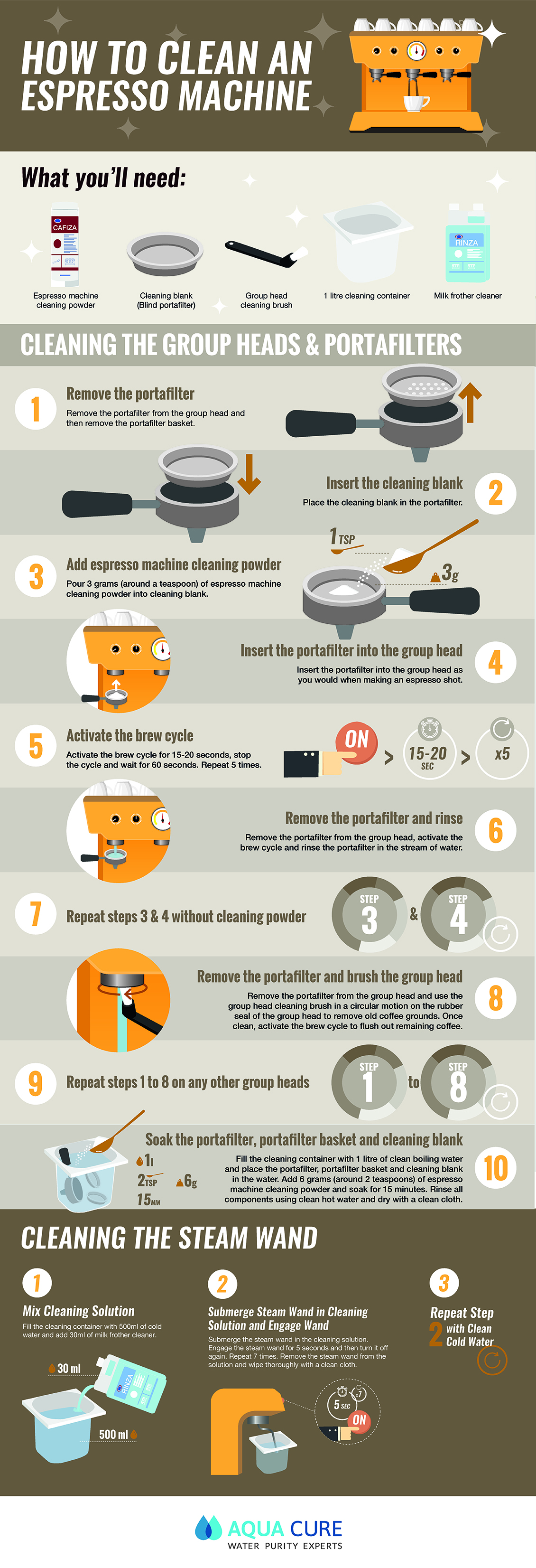
Weekly cleaning should go beyond daily steps. Soak the portafilter and filter baskets in a coffee machine cleaning solution. This helps break down coffee oils stuck on metal parts.
Use a cleaning brush to scrub the group head thoroughly. Clean the steam wand with a steam wand cleaning tool or a thin brush. This removes milk residue that can harden and block steam flow.
Cleaning the drip tray and water reservoir weekly reduces bacteria and mold growth. It also keeps your machine smelling fresh.
Descaling Frequency: Fight Mineral Buildup
Descaling is the process of removing mineral buildup inside your espresso machine. Water hardness is a major factor in how often you should descale. Hard water leaves calcium deposits that block pipes and affect heating.
Industry consensus indicates descaling every 2 to 3 months for average water hardness. If your water is very hard, descale monthly. Using a descaling solution designed for espresso machines is best. Avoid vinegar as it can damage parts over time.
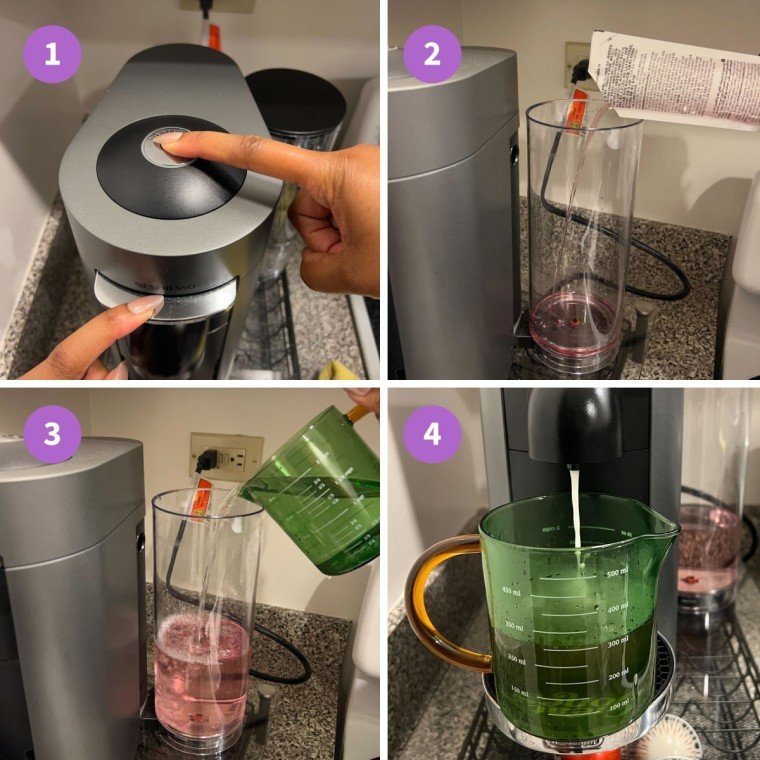
Many modern machines have automatic cleaning cycles to assist with descaling. Use these features regularly to keep your machine in top shape.
| Water Hardness Level | Recommended Descaling Frequency | Notes |
|---|---|---|
| Soft (0-60 ppm) | Every 3-4 months | Less buildup, less frequent cleaning |
| Medium (61-120 ppm) | Every 2-3 months | Standard maintenance schedule |
| Hard (121+ ppm) | Monthly | Use filtered water if possible |
Regular descaling improves machine life and coffee taste. It also reduces the chance of costly repairs. For more on descaling, you can view detailed tips on espresso machine cleaning best practices.
Monthly Maintenance: Full Deep Clean
Once a month, a full deep clean is needed. This includes removing and cleaning the brew head gasket and shower screen. These parts trap coffee oils and residue that affect flow and taste.
Take apart removable parts like the portafilter and soak them in a descaling or cleaning solution. Clean grinder burrs with a brush to remove oils and old grounds. This prevents stale flavors in your coffee.
Don’t forget to clean the milk frother. Milk builds up inside and outside the steam wand and can cause bacteria growth.
Commercial Espresso Machine Cleaning
Commercial machines need more frequent cleaning due to heavy use. Daily cleaning is a must. Many commercial machines run automatic cleaning cycles to keep internal parts clean.

Descaling should be done monthly or as needed. Staff should follow a strict cleaning schedule. This prevents downtime and keeps coffee quality high.
Using the right cleaning tools like brushes and descaling tablets designed for commercial machines is important. This ensures full sanitation and prevents residue buildup.
| Cleaning Task | Frequency | Comments |
|---|---|---|
| Group Head Cleaning | Daily | Essential to remove coffee oils |
| Descaling | Monthly | Prevents mineral buildup |
| Steam Wand Cleaning | After Each Use | Removes milk residue |
| Drip Tray Cleaning | Daily | Prevents mold and spills |
| Grinder Burrs Cleaning | Weekly | Removes coffee oils |
Preventing Espresso Machine Buildup
Prevention is better than cure. Use filtered or soft water to reduce scale buildup. Follow a cleaning schedule that fits your use level. Removing coffee oils regularly stops bitter flavors and blockages.
Always wipe the machine after use to keep it dry. Avoid letting coffee grounds sit in the portafilter or group head. This simple habit extends machine life.
Using quality descaling solutions and cleaning tools can make the process easier and more effective. Keeping a cleaning log helps track maintenance and avoid missing steps.
Espresso Machine Cleaning Tools to Use
Having the right tools saves time and improves cleaning. Use a good quality cleaning brush for the group head and grinder burrs. A steam wand cleaning tool helps reach inside the milk frother.

Descaling solutions come as powders, tablets, or liquids. Choose one that matches your machine’s instructions. Some machines have built-in cleaning cycles that work with specific tablets.
Also, microfiber cloths help wipe down surfaces and keep the machine shiny. Avoid abrasive cleaners that can scratch metal parts.
| Tool | Purpose | Notes |
|---|---|---|
| Cleaning Brush | Group head and grinder burrs | Removes stuck coffee grounds |
| Descaling Solution | Remove mineral scale | Use as per manufacturer |
| Steam Wand Cleaner | Milk frother cleaning | Reaches inside wand |
| Microfiber Cloth | Surface wiping | Prevents scratches |
Cost of Espresso Machine Cleaning
Cleaning costs are generally low. Descaling solutions cost around $10 to $20 for multiple uses. Cleaning brushes and tools are a one-time purchase and last long.
Regular cleaning avoids costly repairs caused by scale damage or clogged parts. In the long run, following a maintenance schedule saves money. It also keeps your coffee tasting great every time.
For a deeper understanding of cleaning cycles and maintenance, analyzing resources on daily, weekly, monthly cleaning provides excellent foundational context.
Conclusion: Set Your Espresso Machine Cleaning Schedule
How often to clean espresso machine depends on use and water quality. Daily rinsing and wiping prevent buildup. Weekly deep cleans remove oils and residue. Descale every 2 to 3 months or more often if water is hard.
Follow a monthly deep clean including all removable parts. Use proper tools and cleaning solutions. This keeps your machine working well and your coffee tasting its best.
Making cleaning part of your routine protects your investment. It reduces costs and keeps your espresso fresh and flavorful every day. Start your schedule now and enjoy better coffee for years to come.
Frequently Asked Questions
How often should I descale my espresso machine?
Descale your espresso machine every 2 to 3 months or more often if your water is hard. This keeps mineral buildup low and coffee taste fresh.
What parts of the espresso machine need cleaning?
Clean the group head, portafilter, steam wand, drip tray, and grinder burrs regularly to remove coffee oils and residue.
Can I use vinegar to clean my espresso machine?
Vinegar can be used, but it may leave a strong smell. It’s better to use a commercial descaling solution designed for espresso machines.
How do I prevent buildup in my espresso machine?
Follow a regular cleaning schedule, use filtered water, and remove coffee oils often to prevent buildup and keep your machine running well.
Is it costly to maintain an espresso machine?
Maintenance costs are low if you clean the machine regularly. Delayed cleaning can lead to expensive repairs or replacements.

Michael Peterson is a home appliance writer focused on practical washing machine care, maintenance, and troubleshooting. He shares simple, reliable tips to help readers keep their washing machines running efficiently, avoid common problems, and extend appliance life.