Understanding Backpack Washing Safety
Backpacks come in many types and materials. Some are made from polyester or nylon, while others use leather or waterproof fabrics. Knowing how to clean them safely is key. Many wonder if backpacks are machine washable or if hand washing is safer. Understanding the right methods helps avoid damage and keeps backpacks lasting longer.
For example, polyester backpacks often handle machine washing well, but leather backpacks do not. Also, straps and zippers need care during washing. Industry consensus indicates using gentle methods and checking manufacturers’ tags before washing. For a deeper understanding of this mechanic, analyzing resources on can you machine wash feather pillows provides excellent foundational context on delicate washing.
Backpack washing instructions vary by fabric and construction. Following correct steps helps maintain backpack hygiene and function.
Machine Washable Backpacks: What You Need to Know
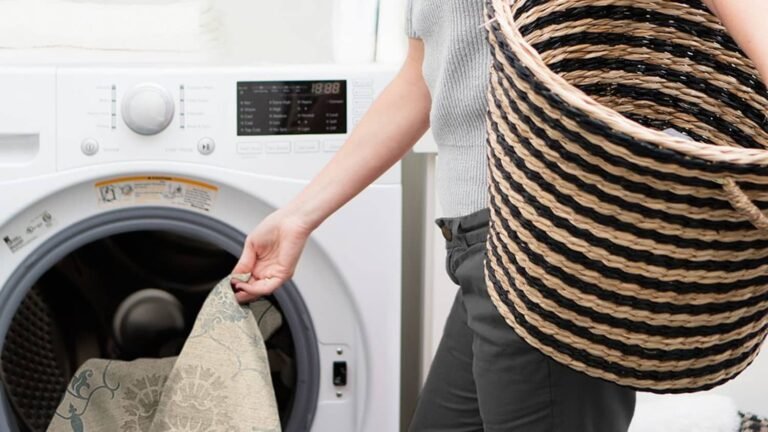
Machine washable backpacks are usually made from durable polyester or nylon. These materials resist water and stains well. However, even these backpacks need caution during laundering. Always remove all contents and empty pockets. Close zippers and secure Velcro straps to prevent damage inside the machine.
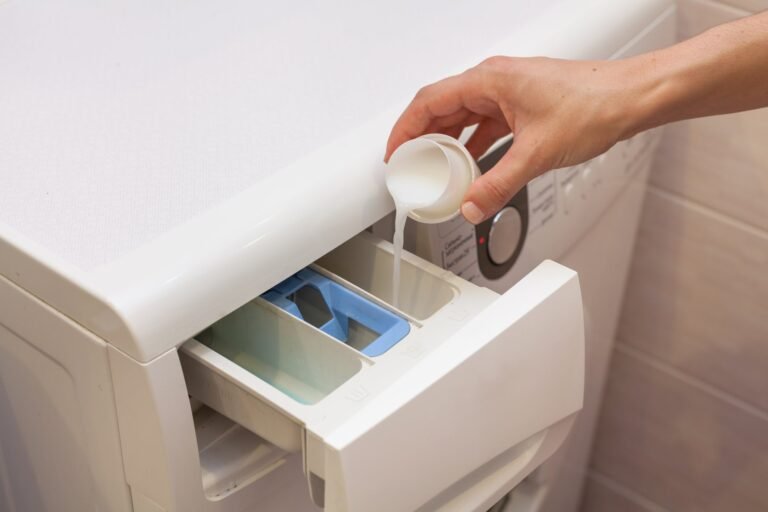
Using a washing bag can protect your backpack further. It stops straps from tangling and zippers from scratching the washing drum. Choose a mild detergent without fabric softener, as softeners can weaken waterproof coatings.
Washing machine settings matter a lot. Use a delicate cycle and cold water wash to prevent color fading and fabric wear. Avoid hot water, which can shrink or warp materials.
Here is a simple checklist before machine washing:
- ✅ Empty backpack completely
- ✅ Close all zippers and Velcro
- ✅ Use a washing bag
- ✅ Choose delicate cycle with cold water
- ✅ Use mild detergent only
Machine washable backpacks can be cleaned well when these tips are followed carefully.
Hand Washing Backpacks: When and How to Do It
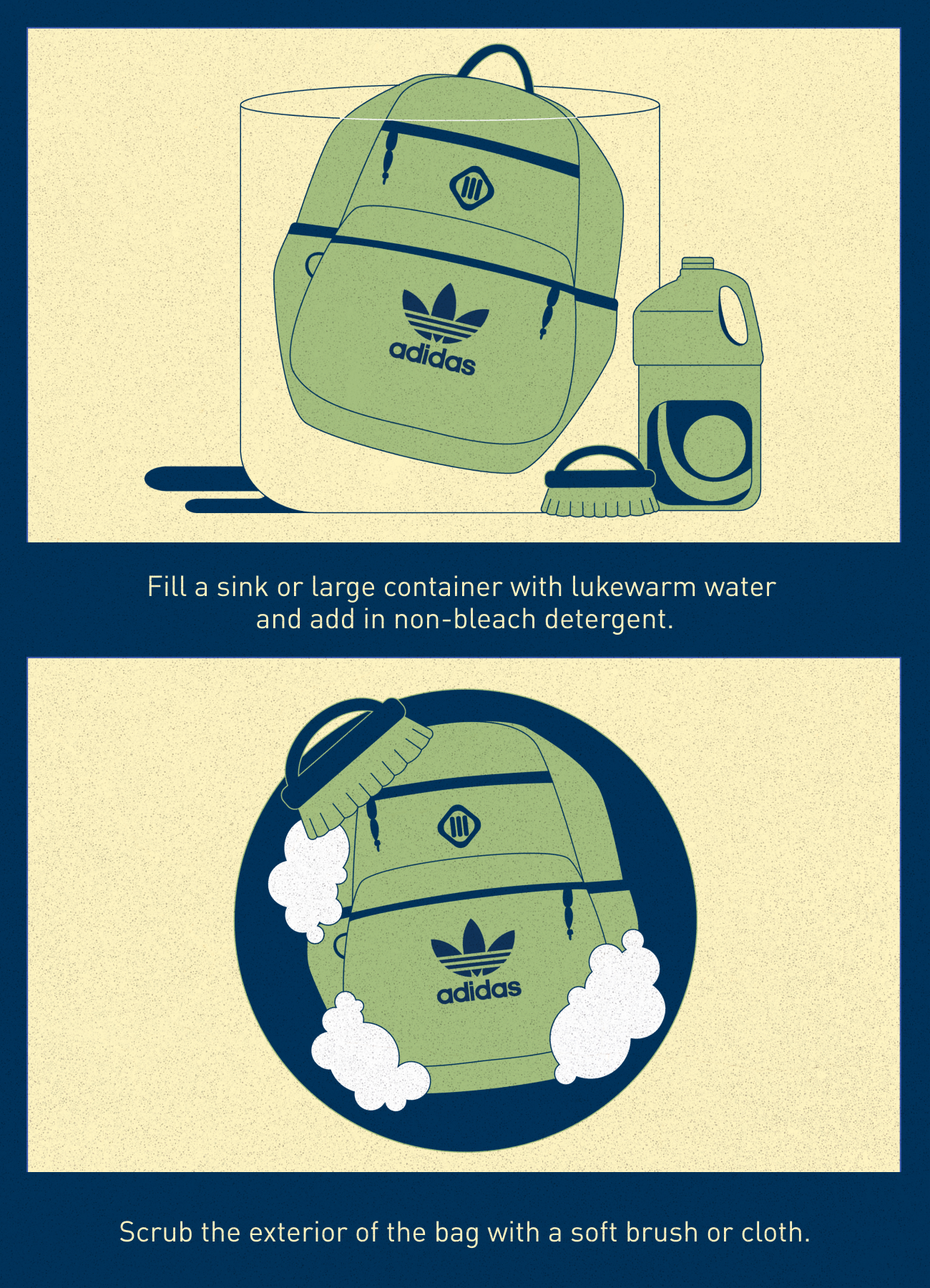
Hand washing is best for backpacks with leather parts or delicate seams. It also suits backpacks with heavy padding or waterproof layers that can be damaged by machines. Hand washing lets you clean backpacks gently and check for mold or stains spot by spot.
Start by mixing cold water with a mild detergent. Use a soft brush or cloth to scrub the fabric lightly. Focus on straps, seams, and backpack liners. Avoid soaking leather parts fully; instead, wipe them carefully.

This method also helps with backpack odor elimination and backpack mold removal. Mildew builds up if backpacks stay damp too long, so clean and dry backpacks promptly.
Hand washing is slower but safer for sensitive backpacks.
Backpack Drying Techniques: Air vs Dryer Use
Drying backpacks properly is as important as cleaning them. Using a dryer is risky. Heat can melt glue in seams or warp plastic parts like buckles. It also weakens fabric waterproofing. Air drying is the safest option.
After washing, reshape the backpack and hang it upside down. Place it in a well-ventilated area out of direct sunlight. This prevents colors from fading and allows moisture to evaporate fully. Some experts suggest stuffing the backpack with towels to keep its shape during drying.
Patience is key. It may take 24 to 48 hours to dry completely. Avoid folding backpacks until fully dry to prevent mildew.
Proper drying extends backpack life and keeps straps and seams strong.
Removal of Backpack Stains: Tips and Detergent Selection
Stains on backpacks vary from dirt to grease or ink. Using the right stain remover before washing helps. Choose stain removers safe for synthetic fabrics. Test on a small hidden area to avoid discoloration.

Apply stain remover gently and let it sit for 10 to 15 minutes. Avoid harsh scrubbing that can damage fabric. Mild detergents designed for delicate clothes work best for washing backpacks.
Fabric softener is not recommended as it can reduce water resistance. Instead, use detergents that keep fabric fibers strong and allow backpack waterproofing after wash.
Proper stain removal keeps backpacks looking new and clean.
Protecting Backpack Straps and Hardware During Washing
Straps, buckles, and zippers are vulnerable during washing. Velcro straps can catch and damage fabric or other clothes. Always fasten Velcro and zippers before washing. Place backpacks in mesh washing bags to reduce wear on these parts.
Inspect seams and stitching before washing. Weak points can tear if stressed. If you notice damage, choose hand washing and repair seams before next use.
Handling hardware carefully prevents costly backpack repairs and maintains functionality.
Comparing Backpack Cleaning Methods
Choosing between machine and hand washing depends on backpack material and condition. Machine washing is fast and effective for tough dirt on polyester backpacks. Hand washing is gentler and better for leather or waterproof backpacks.
Both methods require proper drying and stain treatment. Understanding your backpack’s fabric and following care tips ensures the best results.
Below is a table that compares key points of both methods:
| Aspect | Machine Washing | Hand Washing |
|---|---|---|
| Best for | Polyester, nylon backpacks | Leather, padded, waterproof backpacks |
| Time | Fast | Slow |
| Risk of damage | Medium (if precautions taken) | Low |
| Cleaning power | High | Medium |
| Drying method | Air dry only | Air dry only |
Both methods keep backpacks clean if done properly.
Backpack Maintenance and Hygiene Tips for 2026
Regular maintenance keeps backpacks fresh and safe. Clean backpacks every few months or after heavy use. Wipe down straps and liners between washes to reduce odor and mildew risk.
Store backpacks in dry places to avoid mold growth. Use waterproof sprays after washing to restore water resistance. Avoid overloading backpacks to reduce seam strain.
Following these backpack care tips extends backpack life and keeps your gear safe.
For more on washing machine safety and cleaning techniques, exploring how to clean ge washing machine front loader offers useful insights on machine use and care.
Conclusion: Best Practices for Washing Backpacks
In summary, many backpacks can be washed in a machine if done with care. Check fabric type and manufacturer instructions first. Use delicate cycles, cold water, and mild detergents. Protect straps and hardware by fastening and using washing bags.
Hand washing remains the safest method for leather and fragile backpacks. Always air dry backpacks fully to avoid damage and mold. Treat stains before washing and maintain backpacks regularly for best hygiene.
By following these methods, you keep your backpack clean, fresh, and ready for daily use in 2026 and beyond. For detailed backpack cleaning methods, the Adidas guide on how to wash a backpack is an excellent resource.
Frequently Asked Questions
Is it safe to wash all backpacks in a washing machine?
Not all backpacks are safe for machine washing. Materials like leather or backpacks with heavy padding should be hand washed to avoid damage.
What washing machine settings are best for backpacks?
Use a delicate cycle with cold water and mild detergent. This reduces wear on the fabric and hardware.
How should I dry my backpack after washing?
Air drying is best. Avoid using a dryer as heat can damage materials, seams, and waterproof coatings.
Can I use stain remover on backpacks before washing?
Yes, applying a gentle stain remover to spots helps remove tough stains. Test on a small area first.
How often should backpacks be cleaned?
Regular cleaning every few months or after heavy use keeps backpacks fresh and extends their life.

Michael Peterson is a home appliance writer focused on practical washing machine care, maintenance, and troubleshooting. He shares simple, reliable tips to help readers keep their washing machines running efficiently, avoid common problems, and extend appliance life.