What Is Soil Level on a Washing Machine?
Soil level means how dirty your clothes are. It is a setting on many washers. You can set it to light, normal, or heavy. This helps the washer know how much water and detergent to use. The machine may also change the wash time and rinse cycles. Soil level affects cleaning and energy use.
Some washers have a soil level sensor. It detects the dirt in your laundry and adjusts the cycle. This is called an automatic soil sensing washing machine. It helps save water and energy while cleaning well. For a deeper understanding of this mechanic, analyzing resources on soil level meaning on washing machines provides excellent foundational context.
It is important to know how soil level works. This lets you get the best clean without wasting resources.
How Soil Level Works in Wash Cycles
Washing machines use soil level to change the washing mode. When the soil level is set high, the machine uses more water and detergent. It also runs the wash longer. This helps remove tough stains. For lightly soiled clothes, less water and detergent are needed. The wash cycle is shorter to save energy.
Soil level also controls rinse cycles. More soil means extra rinses to remove dirt and soap. Delicate fabrics need gentle washing with low soil settings. This keeps clothes safe and clean.
Adjusting soil level is part of washing machine cycle customization. It lets the machine fit the wash to your needs.
Manual vs Automatic Soil Level Adjustment
Many washers let you manually set the soil level. You pick options like light, normal, or heavy soil. This is useful when you know how dirty your clothes are. Manual settings are common on both front load and top load washing machines. You can also find a heavy soil wash option for very dirty loads.
Automatic soil sensing is more common in newer machines. Sensors detect the load soil intensity by checking water cloudiness or soil particles. Then the machine adjusts water use, detergent amount, and wash time. This saves water and energy. It also helps with better washing machine cleaning performance.
Both methods aim to balance cleaning and resource use.
Soil Level Impact on Water and Energy Use
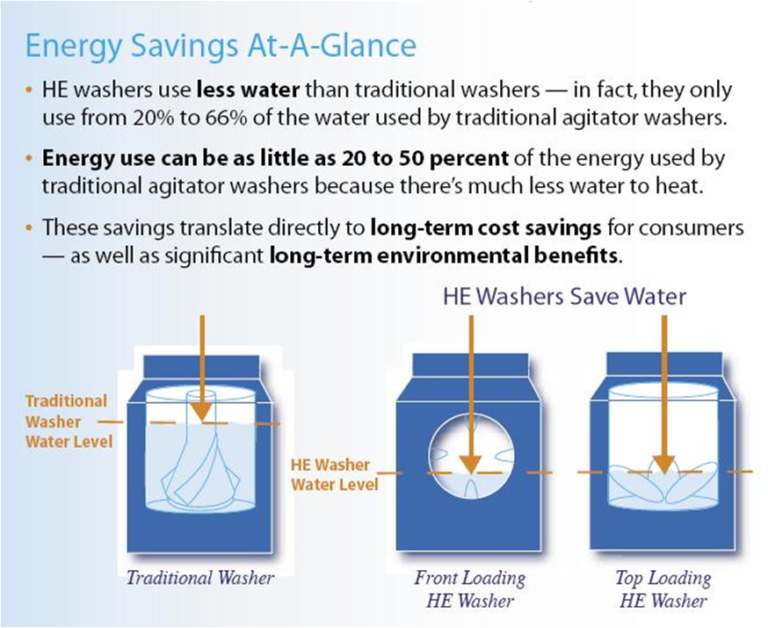
Soil level affects how much water the washing machine uses. High soil loads need more water to soak and rinse clothes well. Low soil uses less water. This saves water and reduces bills.
Energy use also changes. Longer wash times and extra rinses use more power. Setting the soil level correctly helps lower energy use. This is part of choosing energy efficient washing cycles. It is good for the environment and your wallet.
Modern washers use sensor technology to optimize water and energy. They avoid waste while still cleaning well.
How to Adjust Soil Level on Your Washer
To adjust soil level, find the control on your machine’s panel. It may be a button or dial. Choose from options like light, normal, or heavy soil. Some washers also offer a pre-wash option for very dirty clothes.
For front load machines, soil level settings are often part of the cycle selection. Top load washers may have a dedicated soil level button. You can also adjust detergent amount based on soil level. More soil needs more detergent.
Check your washer’s manual for exact steps. Adjusting soil level correctly improves wash results.
🚀 Beginner Tip: Start with the normal soil setting for everyday laundry. Use heavy soil only for very dirty clothes to save water and energy.
Soil Level and Stain Removal
Heavily soiled clothes often have tough stains. Using the right soil level helps remove these stains. Heavy soil settings increase wash time and use higher water temperature. This breaks down stains better.
For delicate fabrics, use low soil settings and cold water. This protects the fabric while still cleaning. Some machines offer special delicate wash soil level options to fit fabric types.
Proper soil level choice improves stain removal without damaging clothes.
Soil Level Sensor Technology in 2026
Today’s washers use advanced sensors to detect soil level. They measure water cloudiness or dirt particles in real time. This data helps the machine adjust the wash cycle automatically.
This technology improves cleaning and resource use. It also makes washing easier by removing guesswork. You just load clothes and start the machine.
Some sensors also detect load size and fabric type for full cycle customization.
Soil Level Settings: Front Load vs Top Load
Front load and top load washers handle soil level differently. Front loaders often have more precise sensor systems. They adjust water and cycle settings smoothly.
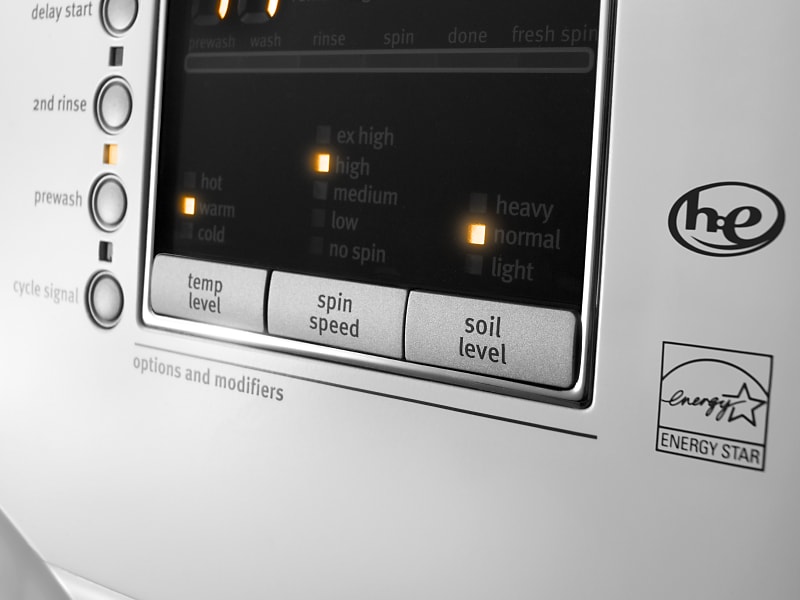
Top loaders may offer simpler soil level options. They usually have a dedicated heavy soil wash option. Both types let you adjust soil level manually.
The choice depends on your washing needs and machine type.
| Feature | Front Load Soil Settings | Top Load Soil Settings |
|---|---|---|
| Soil Level Sensor | Advanced automatic detection | Basic or manual settings |
| Heavy Soil Option | Yes, with auto adjustment | Yes, usually manual |
| Water Usage | Optimized for soil and load | Generally more water used |
| Cycle Customization | High | Moderate |
Choosing the right soil level setting improves wash results for both washer types.
Detergent Amount and Soil Level
The soil level setting helps decide detergent dosage. Heavy soil means more detergent is needed. Light soil uses less detergent to avoid waste and residue.
Overusing detergent can leave clothes stiff and cause buildup. Using the correct amount based on soil level keeps clothes fresh and soft.
Some machines adjust detergent automatically using sensors.
Soil Level and Machine Maintenance
Using the right soil level also protects your washing machine. Heavy soil loads can cause dirt buildup inside the drum. Regular cleaning is needed to avoid smells and damage.
Learn how to clean mold front loader washing machine for best care tips. Keeping sensors clean ensures accurate soil detection.
Proper soil level use extends the machine’s life.
Conclusion: Why Soil Level Matters
Soil level settings guide your washing machine to clean clothes well. They affect water use, detergent amount, wash time, and energy use. Using the right soil level saves resources and protects fabrics.
Modern washers with soil level sensors make washing easier and smarter. Whether you use manual or automatic settings, understanding soil level helps you get the best wash every time.
Adjust soil level based on how dirty your clothes are. This small step improves cleaning results and saves money.
📌 Step-by-Step: Adjust Soil Level on Your Washer
- Check your washer’s control panel for soil level settings.
- Select light, normal, or heavy soil based on laundry dirtiness.
- Add detergent according to soil level guidance.
- Start the wash cycle and let the machine adjust automatically if it has sensors.
- After the wash, clean the machine regularly to maintain sensor accuracy.
| Soil Level Setting | Water Use | Detergent Use | Wash Time | Best For |
|---|---|---|---|---|
| Light Soil | Low | Low | Short | Delicate or lightly worn clothes |
| Normal Soil | Medium | Medium | Standard | Everyday laundry |
| Heavy Soil | High | High | Long | Very dirty or stained clothes |
Knowing these basics helps you use your washing machine well in 2026 and beyond.
Energy Saving Tips Using Soil Level
To save energy, use the lowest soil setting that cleans your clothes well. Avoid heavy soil cycles if not needed. Use cold water washes with proper soil level adjustments to cut power use further.
Combining soil level with load size and fabric type settings maximizes efficiency. Many machines now offer smart wash modes using all these factors.
Following these tips reduces your washing machine’s environmental impact.
| Tip | Benefit |
|---|---|
| Use correct soil level | Optimal cleaning and resource use |
| Wash full loads only | Saves water and energy |
| Choose cold water when possible | Reduces electricity consumption |
| Use sensor-based machines | Automatic adjustments for efficiency |
Using these simple steps helps you save money and energy in 2026.
For more insights on washing machine care, see our article on how to clean front loader samsung washing machine.
Frequently Asked Questions
What does soil level mean on a washing machine?
Soil level refers to how dirty the laundry is. It helps the machine adjust water, detergent, and wash time.
How does soil level affect washing cycles?
Higher soil levels increase wash duration, water use, and detergent amount for better cleaning.
Do all washing machines have soil level sensors?
Many modern machines have soil level sensors that detect dirtiness and adjust settings automatically.
Can I adjust soil level manually on my washer?
Yes, most washers let you choose soil level settings like light, normal, or heavy soil to suit your load.
Does soil level impact energy and water use?
Yes, higher soil levels use more water and energy, while lower levels save resources by using less.

Michael Peterson is a home appliance writer focused on practical washing machine care, maintenance, and troubleshooting. He shares simple, reliable tips to help readers keep their washing machines running efficiently, avoid common problems, and extend appliance life.