Introduction to Washing Stuffed Animals
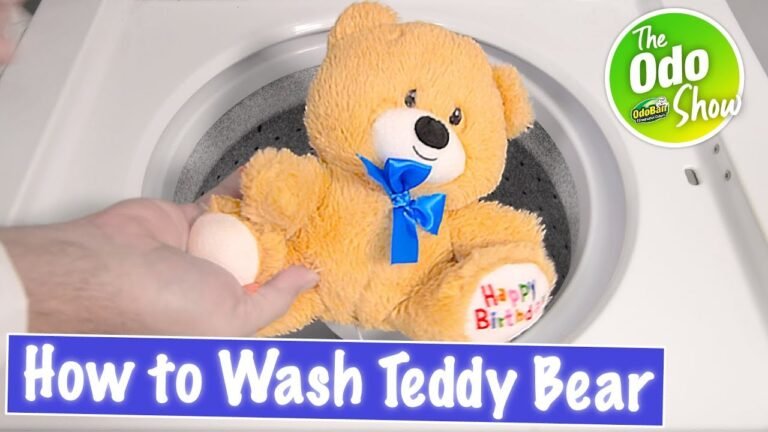
Stuffed animals bring joy to kids and adults alike. They can get dirty from play or dust over time. Machine washing stuffed toys is a popular way to clean them quickly. However, not all plush toys can handle a wash cycle.
Industry experts suggest checking the toy’s care label before washing. Some toys need hand washing or surface cleaning only. For more details on machine washing plush toys, exploring tips on how to wash soft toys washing machine offers excellent guidance.
Cleaning stuffed animals safely keeps them looking good and lasting longer. This guide shares key tips and methods for machine washing stuffed animals in 2026.
Check the Fabric Care Label
Before washing, always check the fabric care label on the stuffed animal. It tells you if the toy is machine washable. Labels also advise on water temperature and detergent types.
Many modern plush toys are machine washable using a gentle cycle. Avoid toys with glued-on parts or delicate fabrics like silk. These need special care, such as hand washing or dry cleaning.
Knowing the right washing machine settings plush toys need helps avoid damage. Use cold or warm water and gentle cycles to protect the fabric and stuffing.
Preparing Stuffed Animals for Machine Washing
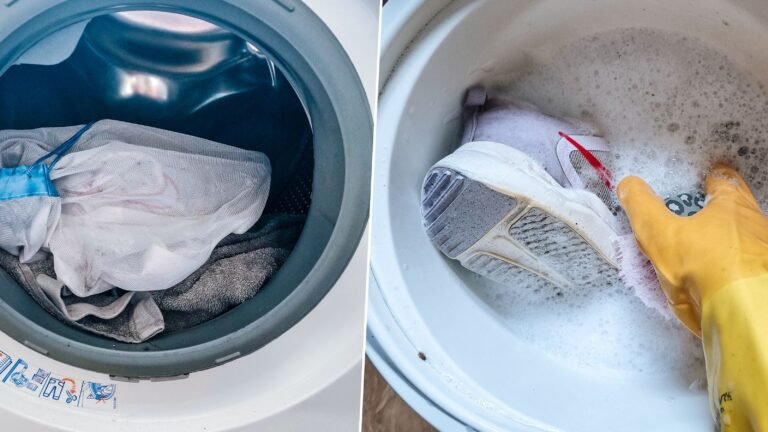
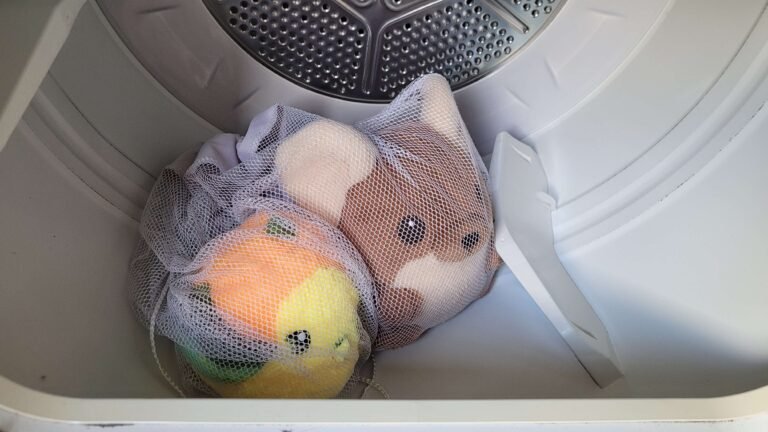
Remove any loose parts or accessories from the toy. Check for tears or weak seams and fix them if possible. Use a washing bag or pillowcase to protect the stuffed animal during the wash.
Pre-treat stains with a mild detergent or stain remover. Dab gently to avoid harming the fabric. This step improves cleaning results and keeps the toy looking fresh.
Use an allergy safe detergent to reduce the risk of skin irritation. Avoid fabric softeners, as they can leave residues on plush toys and reduce their softness over time.
Best Washing Machine Settings for Plush Toys
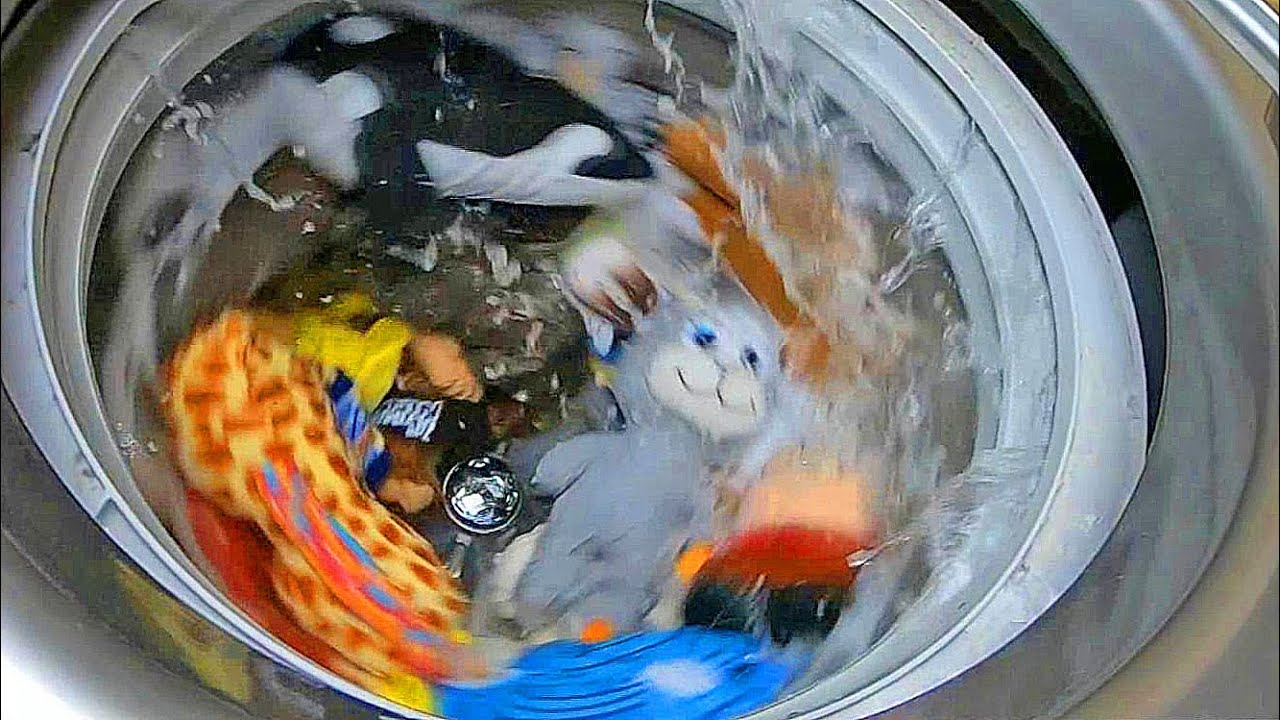
Set your washing machine to a gentle or delicate cycle. Use cold or warm water, never hot. High water temperatures can damage stuffing and fabric.
Select a slow spin speed to protect the toy’s shape. High spin speed may deform the toy or cause stuffing to clump. Using a high-efficiency washer is ideal for gentle yet effective cleaning.
Use a small amount of mild laundry detergent designed for delicate fabrics. Avoid bleach or harsh chemicals that can weaken fibers.
| Setting | Recommended Option | Reason |
|---|---|---|
| Cycle Type | Gentle/Delicate | Protects fabric and stuffing from damage |
| Water Temperature | Cold or Warm | Prevents color fading and fabric shrinkage |
| Spin Speed | Low | Maintains shape and prevents stuffing clumps |
For a deep dive into machine washing plush toys, refer to expert advice on washing soft toys effectively.
Drying Stuffed Animals Safely
After washing, drying stuffed animals properly is crucial. Avoid high heat in the dryer since it can melt fabrics or damage stuffing. Instead, air dry toys on a drying rack in a well-ventilated room.
If using a dryer, select a low heat or air fluff cycle. Add dryer balls to keep the toy fluffy without harming it. Avoid direct sunlight to prevent color fading.
Fluff the toy occasionally during drying to prevent clumps and mildew. Make sure the toy is fully dry before giving it back to children.
- ✅ Use low heat or air fluff dryer setting
- ✅ Add dryer balls for fluffing
- ✅ Air dry on a rack if possible
- ✅ Fluff toy regularly during drying
- ✅ Ensure complete dryness to prevent mildew
Hand Wash vs Machine Wash: Which is Better?
Hand washing stuffed animals is gentler and best for delicate or vintage toys. It allows control over water temperature and pressure. Use mild soap and cool water.
Machine washing is faster and works well for most modern plush toys. It saves time but requires correct settings and preparation to avoid damage.
Experts often recommend hand washing for toys with glued parts, delicate fabrics, or sentimental value. Machine washing suits sturdy, machine-washable plush toys.
Effective Stain Removal for Stuffed Animals
Removing stains before washing improves results. Use mild detergent or stain remover on the spot. Avoid harsh scrubbing to protect fabric fibers.
For oily stains, sprinkle baking soda first to absorb grease. Let sit, then gently brush off before washing. For ink or dye stains, spot clean with rubbing alcohol carefully.
Always test stain removers on a small hidden area first to check for color fastness. This prevents unexpected damage.
Sanitizing and Allergy Safe Cleaning
Stuffed animals can hold dust mites and allergens. Sanitizing them regularly helps allergy control. Use sanitizing wipes on surfaces or add a cup of white vinegar to the wash to kill germs.
Another option is to freeze the toy for 24 hours to kill dust mites before washing. After washing, thorough drying prevents mildew and odor.
For families with allergies, use fragrance-free, hypoallergenic detergents. This reduces skin irritation and keeps toys safe for sensitive children.

| Method | Details | Benefits |
|---|---|---|
| Sanitizing Wipes | Wipe surfaces before or after washing | Kills germs, easy allergy control |
| Vinegar Wash | Add 1 cup white vinegar to rinse cycle | Natural disinfectant, removes odors |
| Freezing | Freeze toy 24 hours before wash | Kills dust mites without chemicals |
For more on stuffed animal cleaning methods, check out comprehensive resources on stuffed animal cleaning and care.
Dry Cleaning and Surface Cleaning Options
Some stuffed animals require dry cleaning to avoid water damage. This is common for vintage or delicate toys. Professional dry cleaning removes dirt without soaking the toy.
Surface cleaning with a damp cloth and mild soap is another option. It works well for small stains or toys not suited for full washing. Use a soft brush for embedded dirt.
Both methods help maintain the toy’s shape and fabric quality. Consider these if machine washing is unsafe for your plush toy.
Plush Toy Maintenance Tips for Longevity
Regular maintenance helps stuffed animals stay clean and soft. Store toys in dry places away from direct sunlight. Brush fur gently to remove dust.
Wash toys every few months or when visibly dirty. Use a washing bag for machine cleaning and air dry thoroughly. Repair tears promptly to avoid stuffing loss.
Following these tips extends the life of your plush collection and keeps toys safe for children.
| Maintenance Task | Frequency | Purpose |
|---|---|---|
| Brushing Fur | Monthly | Removes dust and keeps fur soft |
| Machine Washing | Every 3-6 months | Keeps toys clean and fresh |
| Repairing Tears | As needed | Prevents stuffing loss and damage |
For a broader view on methods to clean stuffed animals, Whirlpool’s detailed guide on washing stuffed animals without ruining them is a valuable resource.
Conclusion
Machine washing stuffed animals is safe when done correctly. Check the care label first and use gentle cycles with mild detergent. Pre-treat stains and protect toys with washing bags.
Dry stuffed animals carefully by air drying or using low dryer heat with dryer balls. Regular cleaning and maintenance keep toys fresh and soft for years.
When in doubt, hand wash or surface clean delicate toys to avoid damage. Following these expert tips ensures your plush friends stay clean and cuddly in 2026 and beyond.
Frequently Asked Questions
Can all stuffed animals be machine washed?
Not all stuffed animals are safe for machine washing. Check the fabric care label and avoid washing toys with delicate fabrics or glued parts in the machine.
What washing machine settings are best for plush toys?
Use the gentle cycle with cold or warm water and a mild detergent. Avoid high spin speeds to protect the toy stuffing and surface.
How can I remove stains from stuffed animals before washing?
Pre-treat stains with a small amount of mild detergent or stain remover. Dab gently with a soft cloth to avoid fabric damage.
Is it better to hand wash or machine wash stuffed animals?
Hand washing is safer for delicate or vintage stuffed animals, but most modern plush toys can be machine washed on a gentle cycle.
How should I dry stuffed animals after washing?
Air drying on a drying rack is best. Use dryer balls if using a dryer on a low heat setting to keep the toy fluffy and avoid damage.

Michael Peterson is a home appliance writer focused on practical washing machine care, maintenance, and troubleshooting. He shares simple, reliable tips to help readers keep their washing machines running efficiently, avoid common problems, and extend appliance life.