Understanding Bed Bugs and Their Life Cycle
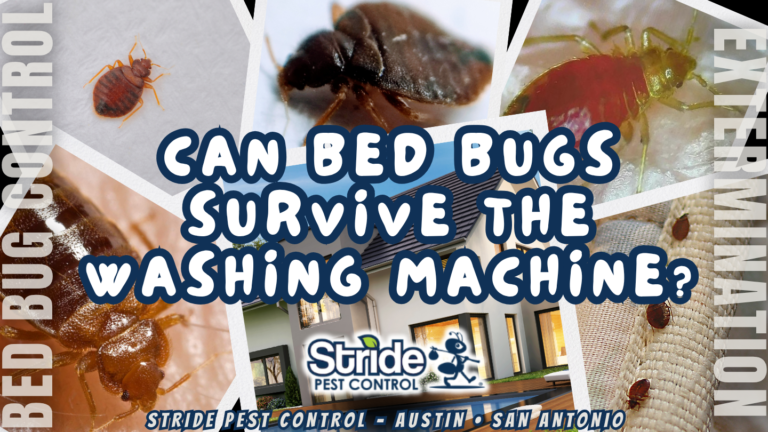
Bed bugs, scientifically called Cimex lectularius, are small pests that feed on blood. They grow through several stages, from eggs to nymphs to adults. Each stage can hide in cracks, furniture. And bedding. Knowing their life cycle helps in choosing the right removal method.
Bed bug eggs are tiny and sticky. They can survive some cleaning methods, making it harder to get rid of infestations. Adults and nymphs are more sensitive to heat and chemicals. For effective bed bug removal, treatment must target all stages.
To learn more about washing machine effectiveness against bed bugs, explore detailed discussions on does washing machine kill bed bugs.
Optimal Washing Machine Temperature for Bed Bugs
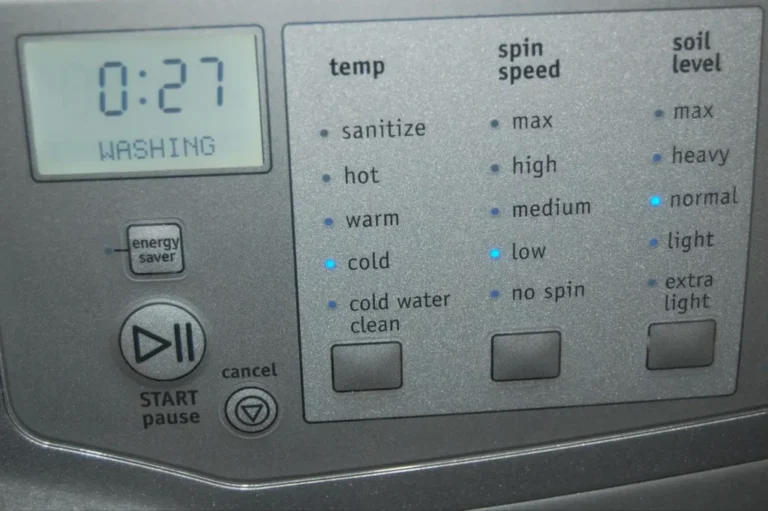
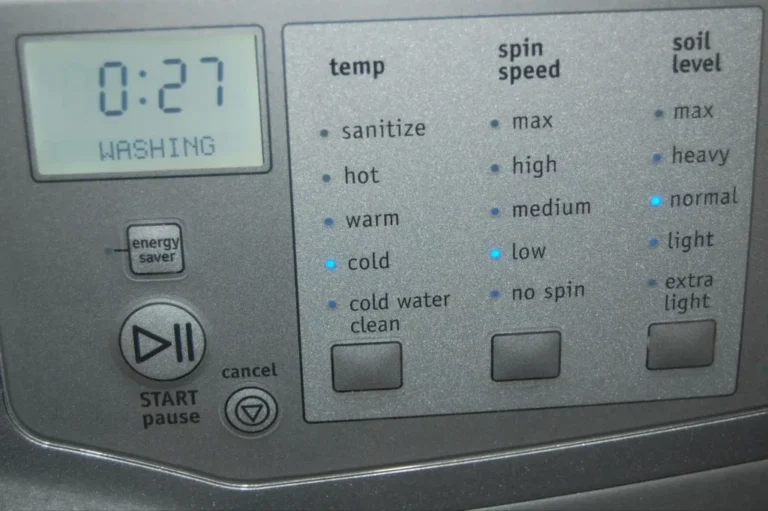
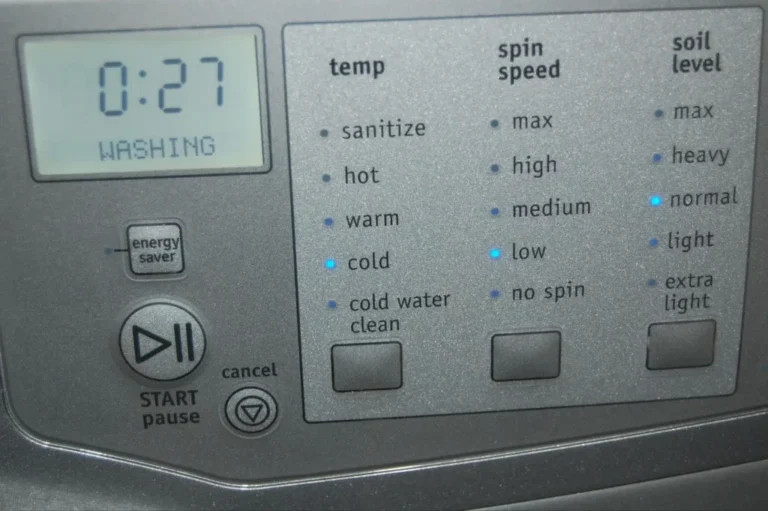
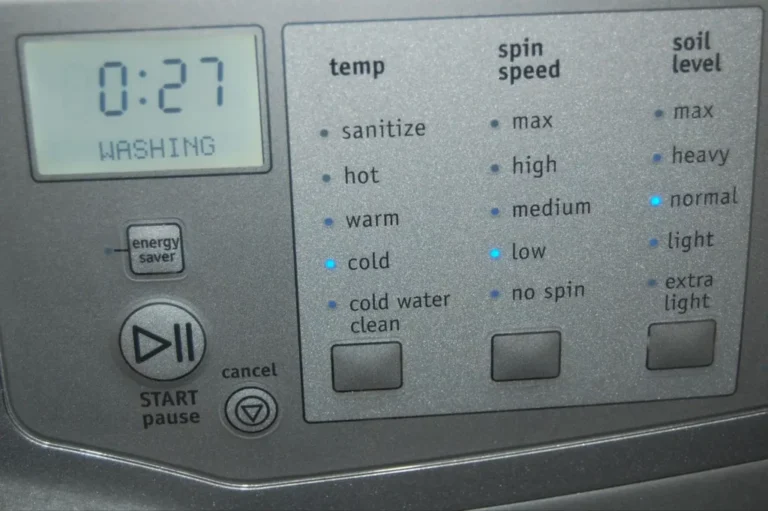
The key to killing bed bugs in the washing machine is temperature. Industry experts agree that water at 120°F (49°C) or higher is needed to kill Cimex lectularius. Washing clothes in hot water helps remove adult bugs and nymphs.
Bed bug eggs are tougher. Washing alone may not kill them. Using a hot water cycle followed by high heat drying is more effective. The combined heat kills bugs and eggs by reaching their thermal death point.
Using laundry detergent adds an extra layer of cleaning. Detergents help remove bugs physically but do not kill them. Hot water and heat drying are essential for killing all bed bug stages.
Laundering Clothes to Kill Bed Bugs
Proper laundering is a vital bed bug removal method. Clothes should be washed in a hot water cycle and dried at high heat. The drying process is crucial because it ensures heat penetrates fabric layers, killing bugs hiding deep inside.
Experts advise washing infested clothes separately to avoid cross-contamination. After washing, use the highest dryer setting for at least 30 minutes. This drying method is proven to kill bed bugs and their eggs effectively.
Vacuuming clothes and furniture before laundering can reduce the number of bed bugs. Combined with heat treatment, it makes extermination more successful.
| Step | Action | Purpose |
|---|---|---|
| 1 | Wash clothes in hot water (≥120°F) | Kills adult and nymph bed bugs |
| 2 | Use strong laundry detergent | Helps remove bugs physically |
| 3 | Dry clothes on high heat for 30+ minutes | Kills bed bug eggs and remaining bugs |
| 4 | Isolate washed clothes | Prevents cross-contamination |
For a deeper understanding of this mechanic, analyzing resources on laundering clothes to kill bed bugs provides excellent foundational context.
:max_bytes(150000):strip_icc()/Handle-bed-bug-infestation-laundry-2146304-V1-899a4efc4ca54972959fafa4c1263cf4.png "How to Wash and Care for Laundry Infested With Bed Bugs (Figure)")
Heat Treatment vs Washing Machine for Bed Bugs
Heat treatment for bed bugs involves raising room or furniture temperature to levels lethal for all bed bug stages. It can penetrate deep into furniture and bedding where bugs hide. This method kills even resistant eggs.
Washing machines kill bed bugs mainly on clothes and fabric items. They are limited in treating furniture or large bedding pieces. Steam cleaning offers another heat-based option but requires careful use to avoid damage.
Both heat treatment and washing machines are important tools. Heat treatment is best for large infestations, while washing machines work well for clothing and smaller fabric items.
Vacuuming and encasements complement these methods. Encasements trap bugs and prevent new infestations. Chemical treatments are options but many bed bugs have insecticide resistance now.
| Method | Targets | Effectiveness | Limitations |
|---|---|---|---|
| Washing Machine | Clothes, small fabrics | Kills adults and nymphs. eggs need drying | Cannot treat furniture or large items |
| Heat Treatment | Furniture, bedding, room | Kills all stages including eggs | Requires professional equipment |
| Steam Cleaning | Furniture, fabric surfaces | Kills bugs on surface | Needs careful use. limited penetration |
Preventing Bed Bug Infestations
Prevention is key to avoid costly extermination. Regular inspection of common bed bug hiding places helps early detection. These include mattress seams, furniture joints, cracks in walls. And bedding.
Using bed bug resistant mattress covers is a strong defense. They block bugs from entering or escaping mattresses. Avoid bringing secondhand furniture without inspection to prevent furniture infestation.
Regular laundering of clothes and bedding at the right temperature also helps. For long-term control, consult pest control professionals who combine methods like heat treatments, chemical treatments. And vacuuming.
Maintaining awareness of bed bug bite symptoms, such as itchy red welts, can help identify infestations early. Prompt action stops spread and reduces damage.
| Prevention Tip | Benefit |
|---|---|
| Inspect mattress seams and furniture joints | Early detection of bed bugs |
| Use bed bug resistant mattress covers | Blocks bug entry and exit |
| Avoid used furniture without inspection | Prevents furniture infestation |
| Launder clothes and bedding regularly | Reduces bug population |
| Consult pest control professionals | Effective combined treatments |
To learn more about choosing a reliable washing machine that can help in pest control routines, see our detailed guide on top washing machines for pest control.

Chemical Treatments and Home Remedies for Bed Bugs
Some people try home remedies like essential oils or dryer sheets. But these have limited evidence of success. Chemical treatments can be effective but face challenges with insecticide resistance.
Professional pest control uses insecticides carefully combined with heat and vacuuming. These methods reduce bed bug numbers more reliably than home remedies alone.
Using dryer sheets in combination with washing and drying has been debated. For more on this topic, see the discussion on bed bugs and dryer sheets.
Signs of Bed Bug Infestation and Bite Symptoms
Look for signs like small blood spots on bedding, dark fecal spots, shed skins. And clusters of eggs. Bed bug hiding places are often near beds or furniture seams.
Bites cause itchy red bumps that appear in lines or clusters. These symptoms vary by person but should not be ignored. Early detection leads to easier removal.
Combining washing machine heat with other methods is the best approach to stop infestations from spreading.
Conclusion
Washing machines can kill bed bugs and nymphs effectively when using a hot water cycle at 120°F or higher. However, bed bug eggs require additional treatment, such as high heat drying, to ensure full eradication.
Heat treatments provide deeper penetration for furniture and bedding infestations. Preventing bed bugs involves inspection, using resistant covers. And consulting professionals.
Combining laundering, heat treatment, vacuuming. And careful use of chemicals forms the best defense against Cimex lectularius. Staying alert to infestation signs and bite symptoms helps protect your home in 2026 and beyond.
Frequently Asked Questions
Do washing machines kill bed bugs and their eggs?
Washing machines can kill adult bed bugs and nymphs when using hot water cycles, but bed bug eggs are more resistant and may survive unless combined with high heat drying.
What is the best washing machine temperature to kill bed bugs?
Industry consensus indicates washing clothes at 120°F (49°C) or higher can kill bed bugs. Using a hot water cycle combined with high heat drying improves effectiveness.
Can heat treatment alone eradicate bed bugs from furniture and bedding?
Heat treatment is effective for bed bugs in furniture and bedding, as it reaches the thermal death point of Cimex lectularius, killing adults, nymphs, and eggs with proper heat penetration.
Are chemical treatments necessary for bed bug extermination?
Chemical treatments may help but face insecticide resistance. Combining chemical methods with heat treatments, vacuuming, and encasements offers a stronger bed bug extermination technique.
How can I prevent bed bug infestations in my home?
Preventing bed bug infestations involves regular inspection of bed bug hiding places, using bed bug resistant mattress covers, laundering clothes properly, and consulting pest control professionals when needed.

Keith Boyd Is A Seasoned Appliance Care Expert With Over A Decade Of Experience In Home Appliance Maintenance. His Authoritative Insights On Washing Machine Care And Upkeep Are Trusted By Homeowners Nationwide. With A Passion For Educating Others, Keith Shares Valuable Tips That Ensure Your Appliances Run Smoothly For Years To Come.