Understanding the Rotten Egg Smell in Washing Machines
A washing machine that smells like rotten eggs is usually giving off hydrogen sulfide gas. This gas forms when anaerobic bacteria grow in areas with little oxygen. These bacteria break down organic matter and produce a sulfur smell. The smell is often linked to the washing machine drain or rubber parts that hold moisture.
Common spots for bacteria growth include the drain trap, rubber gasket, and detergent drawer. If water does not drain well, it can create a perfect home for these bacteria. In some cases, clogged drains or poor plumbing venting can cause sewage odors to enter your laundry room through the machine.
For a deeper understanding of this mechanic, analyzing resources on washing machine smells like rotten eggs provides excellent foundational context.
Internal factors like detergent residue and fabric softener buildup also feed bacteria growth. Over time, this leads to a strong bad smell in the laundry appliance.
Main Causes of the Rotten Egg Smell
Several issues cause this bad odor. Understanding these can help you fix and prevent the problem. Below are the main reasons:
- ✅ Hydrogen sulfide from bacteria: This gas comes from anaerobic bacteria in the drain or machine tub.
- ✅ Worn rubber gasket: Old seals trap water and mold, leading to sulfur smells.
- ✅ Detergent residue buildup: Soap scum and fabric softener build up and feed bacteria and mold.
- ✅ Drain blockage: Clogs slow water drainage and trap smelly water.
- ✅ Poor plumbing vent: Bad venting lets sewer gases enter the washing machine drain.
Knowing these causes helps choose the right cleaning and maintenance method.
Regular care can stop bacteria growth and keep your washing machine fresh.
Effective Cleaning Solutions to Fix the Smell
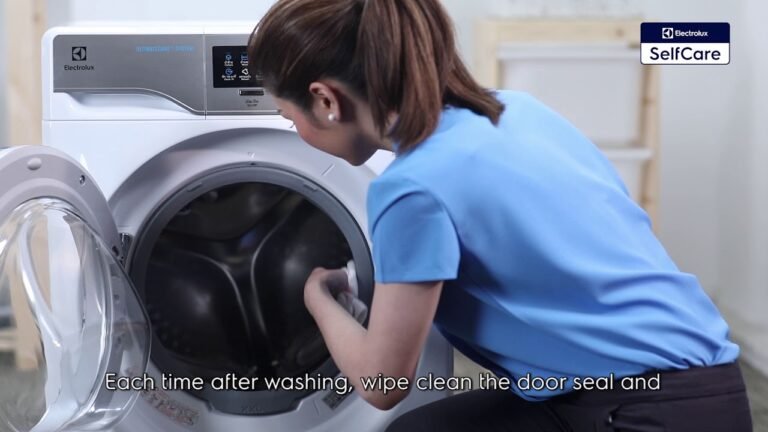
Cleaning your washing machine is key to removing the rotten egg smell. Start by wiping down the rubber gasket with a mix of vinegar and water. This kills mold spores and bacteria hiding in the seal.
Next, clean the detergent drawer to remove detergent residue that breeds bacteria. Use warm water and a brush to scrub it well. Removing buildup stops bacteria from growing.

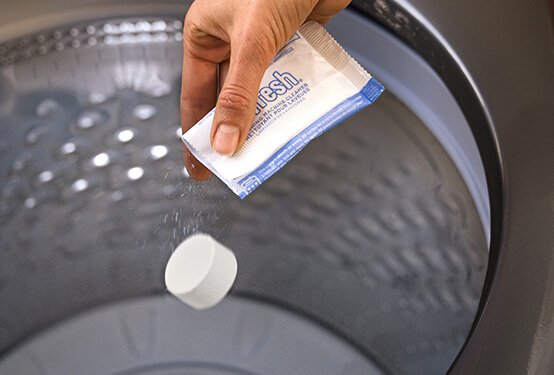
Run a cleaning cycle using white vinegar or a washing machine cleaner. Be sure to use hot water for the cycle, as it kills bacteria better. Some modern machines have a special tub clean cycle designed for this. You can find guidance on where to add vinegar in washing machines to maximize cleaning effect.
Finally, check the drain hose and drain trap for blockages. Cleaning out these parts removes trapped smelly water and improves drainage.
Washing Machine Maintenance Tips to Prevent Odors
Keeping your washing machine in good shape stops smells before they start. Here are some expert tips:
- Leave the door open after use to let the tub dry and stop mold growth.
- Use the right amount of detergent to avoid buildup.
- Run a hot water cycle with vinegar or cleaner every few months.
- Check and clear the drain hose regularly.
- Inspect the rubber gasket and replace it if worn or damaged.
These simple steps reduce bacteria growth and keep your laundry fresh.
Remember to also ensure your laundry room has good ventilation. Proper air flow helps dry the machine and reduces odors.
How to Clean Washing Machine Drain and Plumbing
The drain is often the source of the bad smell. Cleaning the drain trap and hose is vital. First, disconnect the drain hose from the back of the machine. Flush it with hot water mixed with vinegar or a mild bleach solution.
Next, inspect the drain trap for clogs. Remove any debris or buildup. This clears the path for water and stops smelly water from sitting in the pipes.
If your washing machine drain connects to a plumbing vent, make sure the vent is not blocked. A clogged plumbing vent can cause sewer gases to back up into the washing machine drain.

Regular drain cleaning improves water drainage and stops odors.
Signs of Bacteria Growth and Mold in Your Washing Machine
Detecting bacteria and mold early helps fix smells fast. Look for these signs:
- A strong rotten egg or sulfur smell during or after cycles.
- Black or gray mold spots on the rubber door seal.
- Soap scum or slimy residue around detergent drawers.
- Slow water drainage or standing water in the tub.
If you notice these, act quickly with cleaning solutions and maintenance.
Ignoring the problem lets bacteria and mold grow more, making the smell worse.
Comparison of Washing Machine Cleaning Solutions
Choosing the right cleaner is important. Here is a comparison of common cleaning agents:
| Cleaning Agent | Effectiveness | Cost | Safety |
|---|---|---|---|
| White Vinegar | Good for mold and bacteria | Low | Safe for most machines |
| Baking Soda + Vinegar | Good odor remover | Low | Safe if used properly |
| Commercial Washing Machine Cleaners | Very effective | Medium | Follow instructions |
| Bleach | Strong disinfectant | Low | Use cautiously; can damage seals |
White vinegar is a safe and easy choice. Commercial cleaners work faster but cost more. Bleach is strong but must be used carefully to avoid damage.
Preventing Washing Machine Smell in the Future
Stopping the rotten egg smell starts with good habits. Always dry the machine after use and clean it regularly. Use the right detergent amount and avoid fabric softener buildup.
Run cleaning cycles monthly if you use your washer often. Check hoses and seals for wear and replace if needed.
Also, make sure your laundry area has good air flow. Ventilation helps keep mold spores from settling in your machine.
Following these tips will keep your washing machine fresh and odor-free for years.
Conclusion
The rotten egg smell in washing machines is usually from hydrogen sulfide gas made by bacteria in wet, dark parts of the machine. It can also come from clogged drains or poor plumbing venting. Cleaning solutions like vinegar or commercial cleaners remove bacteria and mold. Regular maintenance like drying the machine and clearing the drain hose stops odors from coming back.
By understanding the causes and using the right cleaning steps, you can enjoy fresh laundry and a clean washing machine. For more detailed cleaning routines, check out effective guides on how to clean out washer machine and tips on how to clean washing machine mold smell. These resources help maintain your appliance in top shape.
Keeping your washing machine free from bad smells is easier than you think. With a little care and regular cleaning, your laundry routine stays fresh and healthy all year.
| Step | Action |
|---|---|
| 1 | Clean rubber gasket with vinegar solution |
| 2 | Remove and clean detergent drawer |
| 3 | Run hot water cleaning cycle with vinegar or cleaner |
| 4 | Inspect and clear drain hose and trap |
| 5 | Leave door open to dry after use |
Use these steps regularly for the best washing machine freshening results.
Expert advice and consistent care keep your washing machine smelling clean and working well. Don’t let bad odors ruin your laundry experience.
| Problem | Cause | Fix |
|---|---|---|
| Rotten egg smell | Hydrogen sulfide from bacteria | Clean gasket, run cleaning cycle |
| Mold smell | Mold spores in rubber seal | Wipe seal with vinegar, dry door |
| Sewage odor | Clogged drain or bad venting | Clear drain, check plumbing vent |
| Soap scum buildup | Excess detergent use | Use less detergent, clean drawer |
Frequently Asked Questions
What causes a rotten egg smell in washing machines?
The rotten egg smell usually comes from hydrogen sulfide gas produced by anaerobic bacteria growing in the machine’s drain or seal.
How can I remove the sulfur smell from my washing machine?
You can remove the sulfur smell by cleaning the rubber gasket, drain hose, and running a cleaning cycle with vinegar or specialized washing machine cleaning solutions.
Does washing machine mold cause bad odors?
Yes, mold spores can grow in damp areas like the rubber gasket or detergent drawer, causing a moldy or rotten egg smell.
How often should I clean my washing machine to prevent odors?
Cleaning your washing machine every 1 to 3 months, depending on use, helps prevent bacteria growth and bad smells.
Can plumbing issues cause a bad smell in my washing machine?
Yes, clogged drains or poor ventilation in the drain trap or plumbing vent can cause sewage or sulfur odors to back up into the washing machine.

Michael Peterson is a home appliance writer focused on practical washing machine care, maintenance, and troubleshooting. He shares simple, reliable tips to help readers keep their washing machines running efficiently, avoid common problems, and extend appliance life.