Understanding Washing Machine Capacity
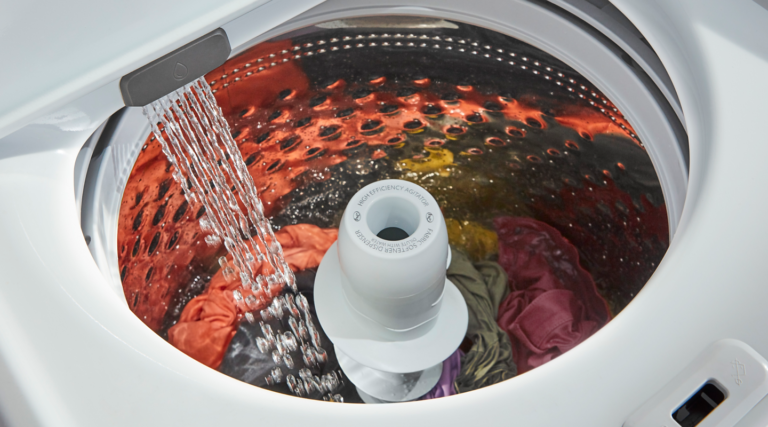
Washing machine capacity is the total weight of clothes your machine can clean at once. This weight is usually shown in kilograms or pounds. Knowing your machine’s capacity helps you decide how much laundry to load each time. Over the years, washing machines have improved with load sensors that adjust water and cycle time based on the drum load.
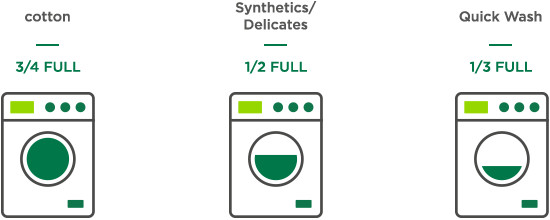
Industry consensus indicates that filling your washing machine to about 70-80% of its drum capacity is ideal. This fill level helps clothes move freely and get cleaned well. Overfilling limits movement and can cause poor cleaning and extra wear on the machine. For a deeper understanding of this mechanic, analyzing resources on washing machine capacity and load size provides excellent foundational context.
Choosing the right load size also impacts energy consumption. Energy-saving washing machines use less water and power when loads are balanced and not overloaded.
Why Optimal Load Matters
Keeping the right washing machine drum fill level improves laundry efficiency. When a washing machine is neither too full nor too empty, it cleans better and spins efficiently. Overloading can cause clothes to stay wet and soapy. Meanwhile, underloading wastes water and detergent.
Overloading also risks damaging fabrics. Bulky or heavy items add stress and may cause common washing machine problems like imbalance and noise. It may even shorten the washing machine lifespan by overworking internal parts.
On the other hand, washing too few clothes uses more water and energy per item. This is less efficient and costs more over time. Balancing the load helps your machine work at its best without wasting resources.
| Load Size | Effect on Washing Machine | Energy Use |
|---|---|---|
| Underloading | Poor water and energy use | High per item |
| Optimal Loading (70-80%) | Best cleaning, balanced load | Lowest |
| Overloading | Damage risk, poor cleaning | High |
Maintaining load balance is also key. Uneven loads can cause shaking during spin cycle and may stop the machine from spinning effectively.
For more on how to balance your washing machine load, see our guide on how to balance washing machine.

How to Measure and Load Your Washing Machine
First, check your washing machine’s maximum load capacity in the user manual. This shows the weight or volume your drum can handle safely. Next, weigh your laundry or estimate by clothes type and size.
Heavy fabrics like towels and jeans take up more space and weight compared to lighter fabrics like shirts. Sorting laundry by fabric type and soil level improves fabric care and cycle performance. For example, washing towels separately helps them dry better and last longer. Learn more about proper fabric care in washing machines in our article on how do you wash towels in the washing machine.
Load clothes loosely in the drum, leaving enough space for them to move. Avoid stuffing the drum tightly. This ensures water and detergent reach all items evenly and the spin cycle works well.
| Fabric Type | Optimal Load Tips |
|---|---|
| Towels and Heavy Fabrics | Load 60-70% capacity |
| Mixed Fabrics | Sort by color and soil level |
| Delicates | Use mesh bags, light load |
Detergent amount washing depends on load size and soil level. Using too much detergent can leave residue. Meanwhile, too little reduces cleaning power. Follow detergent dosage guidelines on the package or your machine’s detergent drawer.
Front Load vs Top Load Washer Load Capacity
Front load washers generally use less water and energy for the same load size compared to top load washers. Their drum design allows better clothes washing tips and fabric care by tumbling clothes gently. This also improves washing machine spinning efficiency.
Top load washers with agitators may handle bulkier loads but can be rougher on fabrics. Most modern machines have load sensors to adjust water use and cycle performance regardless of the type.
Choosing between front load and top load depends on your laundry habits and space. For more on top loaders, check out how to use a washing machine top loader.
| Washer Type | Water Use | Fabric Care | Load Capacity |
|---|---|---|---|
| Front Load | Low | Gentle | High |
| Top Load | Higher | Moderate | Moderate |
Proper washing machine care tips extend the lifespan of your appliance. Avoid repeated overloading and clean the detergent dispenser and filters regularly. For in-depth care, read about how to clean detergent dispenser in washing machine.
Tips for Best Laundry Efficiency
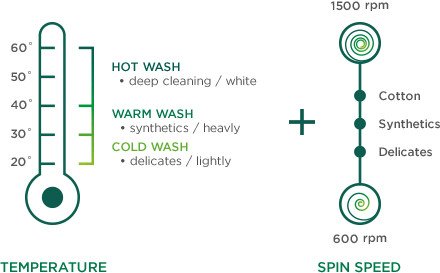
To save energy and water, always match the washing machine load to the drum size. Use the correct wash temperature and washing program for your fabric type. Many machines have eco modes that reduce water use and cycle length.
Balancing your laundry load prevents vibration and spinning problems. If the machine detects a washing machine load balance issue, it may stop the spin cycle or extend the wash time.
Regularly cleaning your machine prevents mold and odor build-up. This keeps your laundry fresh and your machine working well for years. For cleaning tips, see how to clean my washing machine with vinegar.
Common Problems from Improper Loading
Overloading can cause poor cleaning results and force your machine’s motor to work too hard. This may lead to early breakdowns. Underloading wastes water and energy because the machine runs a full cycle for a small load.
Uneven loads cause the machine to shake and make loud noises. This may damage the drum or cause the washing machine to stop spinning. Always distribute clothes evenly inside the drum.
Adjusting the detergent amount washing for your load size is another common issue. Too much detergent can leave residue on clothes and inside the machine. Too little detergent means stains may not come out.
| Problem | Cause | Solution |
|---|---|---|
| Poor Wash Results | Overloading | Reduce load size to 70-80% |
| Excessive Vibration | Load imbalance | Redistribute clothes evenly |
| Residue on Clothes | Too much detergent | Follow detergent dosage |
| High Energy Use | Underloading | Fill load closer to capacity |
Following these tips helps avoid common washing machine problems and keeps your laundry routine smooth and cost-effective.
In summary, understanding washing machine capacity and proper load size is vital. Filling your machine about 70-80% full maximizes cleaning, saves energy. And protects fabrics. Balancing loads and selecting the right washing program improves machine efficiency and lifespan. Regular care and attention to detergent use further enhance laundry performance. For more tips on washing machine use and care, explore our guides on how to clean shower curtain in washing machine to keep bulky items fresh and clean.
- ✅ Check your machine’s max load capacity.
- ✅ Sort laundry by fabric type and soil level.
- ✅ Fill the drum 70-80% full for best results.
- ✅ Distribute clothes evenly inside the drum.
- ✅ Use the correct detergent amount for the load.
- ✅ Choose the appropriate wash cycle and temperature.
- ✅ Run regular cleaning cycles for machine care.
Frequently Asked Questions
What is the optimal load size for a washing machine?
The optimal load size fills about 70-80% of the washing machine drum. This allows clothes to move freely for better cleaning and reduces energy use.
Can overloading a washing machine cause damage?
Yes, overloading stresses the motor and drum, leads to poor cleaning, and may shorten the machine’s lifespan.
How does washing machine load affect energy consumption?
A properly balanced and full load uses water and energy efficiently. Underloading wastes resources, while overloading causes extra wear and poor rinse cycles.
Should different fabric types be washed together?
It’s best to separate laundry load types by fabric and soil level to protect clothes and improve wash performance.
How to balance a washing machine load?
Distribute clothes evenly inside the drum. Avoid piling heavy items on one side to prevent vibration and spinning problems.

Michael Peterson is a home appliance writer focused on practical washing machine care, maintenance, and troubleshooting. He shares simple, reliable tips to help readers keep their washing machines running efficiently, avoid common problems, and extend appliance life.