Understanding Washing Machine Amps
Washing machines use electrical current measured in amps. The amperage shows the flow of electricity the machine needs to run. Knowing the amperage of washing machine helps in choosing the right circuit and wiring. Most washers in 2026 use between 5 and 15 amps.
Different washers have different electrical needs based on size and motor power. For example, compact washers might need less current. Larger models with heavy-duty motors draw more amps to handle tough loads.
For a deeper understanding of this mechanic, analyzing resources on washing machine amps provides excellent foundational context.
When installing a washer, knowing the washing machine electrical requirements is essential. This knowledge also helps prevent overloading your home’s electrical panel.
Average Amperage and Power Consumption
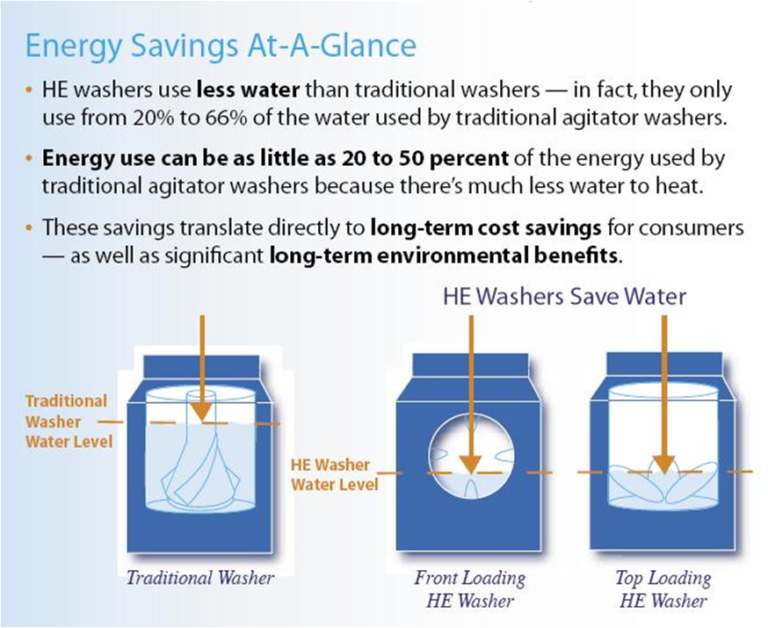
The average washing machine amperage is usually around 10 amps. However, the washer power consumption varies by cycle type and settings. High-efficiency washers tend to use less electricity.
Most washers run on standard 120 volts AC power in homes. The washing machine voltage and amps combined determine the power rating. Power rating is how much energy the washer uses, usually listed in watts.
Understanding power rating helps users estimate energy costs and efficiency. Newer models in 2026 are designed to save energy while maintaining cleaning power.
For tips on maintaining your washer’s efficiency, you can visit our guide on how to wash a rug in a washing machine.
Amperage Requirements for Washing Machine Installation
When setting up your washing machine, knowing the amperage requirements for appliances is critical. Most washers need a 15-amp circuit breaker. Some powerful models may require 20 amps.
The circuit breaker protects your home by cutting power if the washer draws too much current. This prevents fires and damage. The wiring must also handle the current safely.
Using a dedicated circuit for your washer is best. This means no other appliance shares the same circuit. It ensures stable power and reduces risk of tripping the breaker.
Wiring should follow local electrical codes and use the right wire gauge. For instance, 14-gauge wire is common for 15 amps circuits. And 12-gauge for 20 amps.
- Turn off the main power supply.
- Install a dedicated 15-20 amp circuit breaker in your electrical panel.
- Run the correct gauge wire from breaker to the washing machine outlet.
- Install a grounded electrical outlet, preferably a GFCI type.
- Plug in the washing machine and restore power.
- Test the circuit for proper function and safety.
For advanced electrical safety tips, see the article on how to add bleach to washing machine. This includes safe wiring practices.
Washing Machine Startup Current and Electrical Load
The washing machine startup current is a surge of amps when the motor starts. It often spikes 2 to 3 times above the normal running current. This surge can trip a weak circuit breaker if not properly rated.
Understanding the washing machine electrical load helps in selecting the right breaker and wiring. The load includes the motor and heating elements if your washer has a built-in heater.
Modern washing machines with inverter motors control startup current better. They reduce the surge, improving electrical safety and energy efficiency.
Always check the washer electrical specifications in the manual to know its startup amps and normal operating amps.
Electrical Safety and Washing Machine Circuit Breaker
Using the correct washing machine circuit breaker is key for safety. The breaker should match the amperage and power rating of the washer. A breaker too small trips often. too big risks overheating wires.
Ground fault circuit interrupter (GFCI) outlets are recommended in laundry areas. They protect users from electric shock by cutting power if a fault is detected.
Proper washer electrical wiring includes grounding and correct wire size. Following the national electrical code (NEC) or local code is mandatory for safety and insurance.
Regularly inspect the wiring and breaker for signs of wear or damage to avoid hazards.
Common Amperage Values for Washing Machines
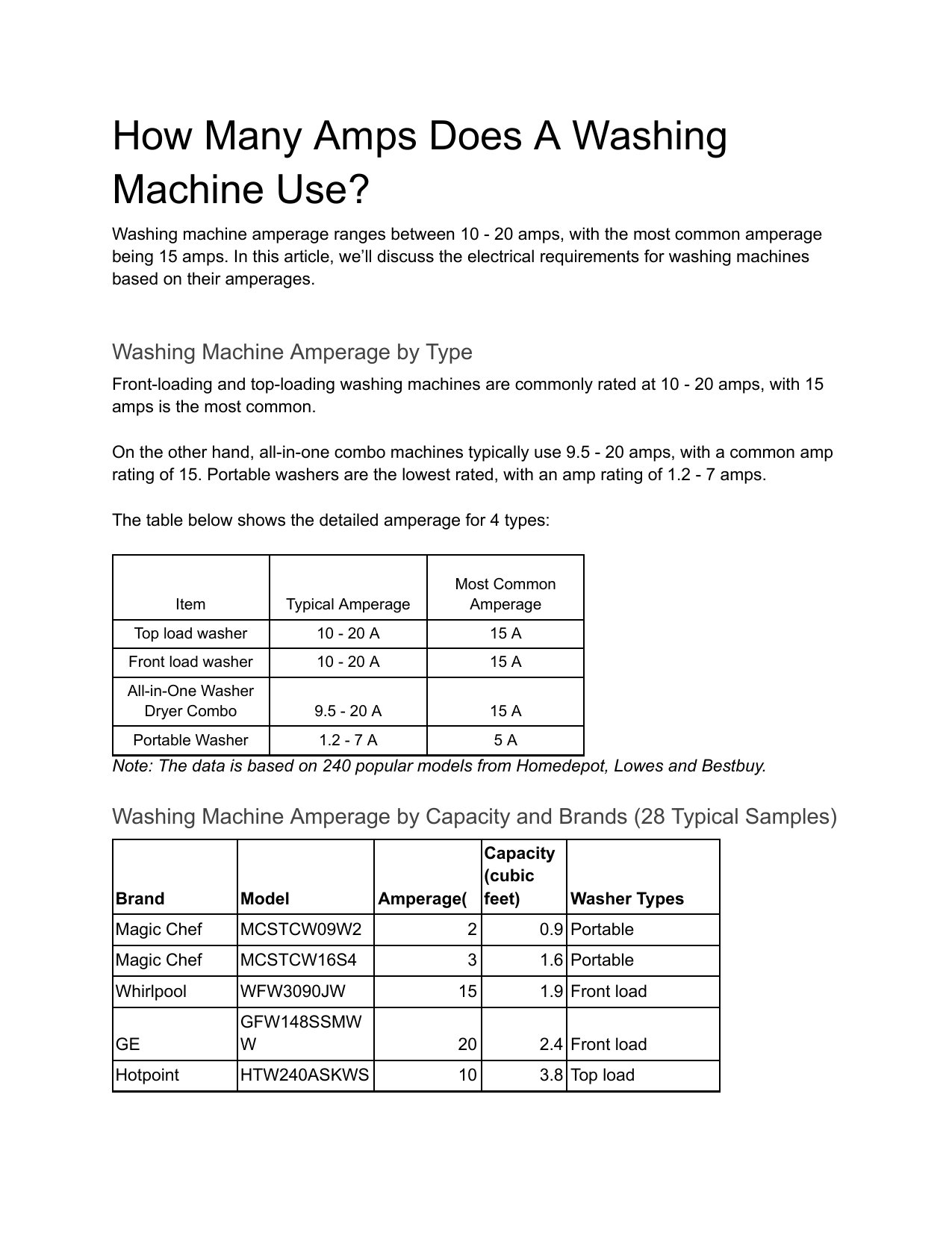
Most residential washers use these amperage ranges:
- ✅ Compact or portable washers: 5-8 amps
- ✅ Standard top-load washers: 10-12 amps
- ✅ High-efficiency front-load washers: 7-10 amps
- ✅ Washers with heaters or heavy motors: up to 15 amps or more
Knowing these ranges helps when planning home electrical wiring or upgrading your panel.
To see real examples, check the table below of typical washer power ratings and amps.
| Washer Type | Voltage (Volts) | Amps (Amperes) | Power Rating (Watts) |
|---|---|---|---|
| Compact Portable | 120 | 5 | 600 |
| Standard Top-Load | 120 | 10 | 1200 |
| High-Efficiency Front-Load | 120 | 8 | 960 |
| Washer with Heater | 120 | 15 | 1800 |
Choosing the right breaker depends on these values and the startup surge expected.
Always consult the washer manual and local electrical rules before installation or repair.
For more on dedicated circuits and safety, see this dedicated washer machine receptacle discussion.
Energy Usage and Efficiency Considerations
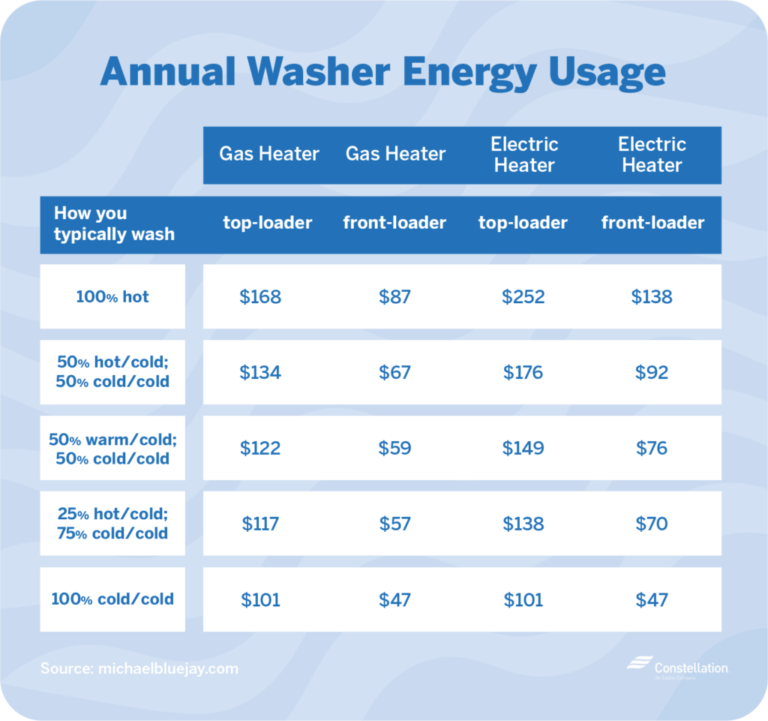
Energy usage of washing machines is linked to their power rating and cycle length. Efficient models use less electricity and lower amps. They also reduce startup current with smart motor control.
Choosing an Energy Star certified washer can save money and reduce electrical load. Energy usage washing machine data helps users pick models that fit both budget and electrical capacity.
Regular maintenance keeps the washer motor and parts in good shape. This lowers electrical current draw and extends the machine’s life.
For tips on keeping your washer efficient and clean, visit our detailed guide on how to clean my washing machine with vinegar.
Conclusion
Knowing how many amps a washing machine uses is vital for safe installation and operation. Most washers need a circuit breaker rated 15 to 20 amps. Startup current surges require proper wiring and breakers to avoid tripping.
Modern washers are more energy efficient and draw less current. Still, following electrical codes and using dedicated circuits is key to safety. Using GFCI outlets and proper grounding protects users from shocks.
Always check the washer’s specs for rated current and power rating before installation. For home electrical work, consider hiring a licensed electrician.
Understanding these electrical facts helps keep your washer running safely and your home protected.
For a deeper look at how many amps washers draw, the article on washing machine power consumption is a great resource.
Frequently Asked Questions
What is the typical amperage of a washing machine?
The typical amperage of a washing machine ranges from 5 to 15 amps depending on the model and motor size.
Do washing machines need a dedicated circuit breaker?
Yes, most washing machines require a dedicated circuit breaker rated at 15 to 20 amps to ensure safety and handle startup current.
How much power does a washing machine consume?
A washing machine usually consumes between 400 and 1300 watts, depending on the cycle and model.
What is washing machine startup current?
Startup current, or surge current, is a brief high electrical current when the washer motor starts, often 2 to 3 times the running current.
How do I ensure safe electrical wiring for my washing machine?
Use proper wiring with a dedicated circuit, a correctly rated circuit breaker, and a ground fault circuit interrupter (GFCI) outlet.

Michael Peterson is a home appliance writer focused on practical washing machine care, maintenance, and troubleshooting. He shares simple, reliable tips to help readers keep their washing machines running efficiently, avoid common problems, and extend appliance life.