Introduction to Washing Stuffed Animals
Stuffed animals are special to many people. They often hold memories and comfort. But over time, toys get dirty and need cleaning. Washing stuffed animals in the washing machine is a good way to clean them well. However, care must be taken to avoid damage. This article guides you through safe washing methods for plush toys.
For a deeper understanding of this mechanic, analyzing resources on how to clean stuffed animals in washing machine provides excellent foundational context. Also, knowing how heavy washing machine cycles affect delicate items helps in choosing the right settings.
Preparing Stuffed Animals for Washing
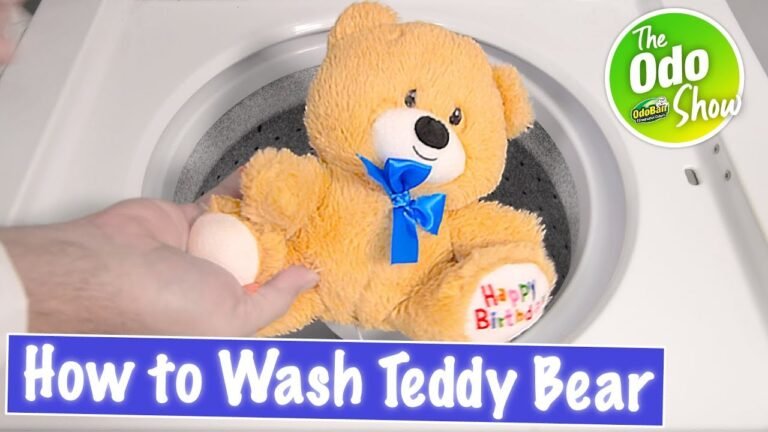
Before washing, check the toy’s tag for wash instructions. Some stuffed animals need hand washing or spot cleaning only. If machine washing is safe, inspect the toy for loose parts like buttons or eyes. Secure them or remove if possible to avoid damage.
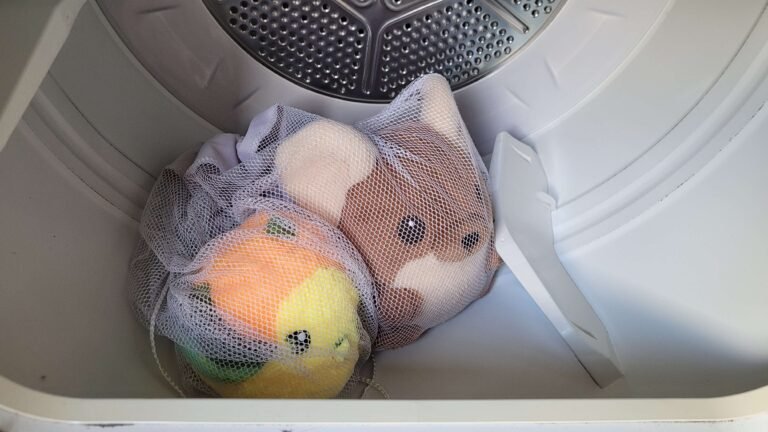
Brushing the plush toy gently before wash removes dust and loose dirt. Use a soft brush to avoid harming the fabric. Also, placing the toy inside a laundry bag offers protection during the wash cycle.
Machine Wash Method for Stuffed Animals
Choose the delicate cycle on your washing machine. This cycle uses gentle agitation and a slower spin, which is safer for plush fabric and toy filling. Set the water temperature to cold or warm, as hot water can damage colors and fabric strength.
Use a gentle laundry detergent made for delicate fabrics. Avoid bleach and fabric softeners as they can harm the toy’s material and colors. Wash stuffed animals with similar colors to prevent color transfer.

| Washing Machine Setting | Recommendation |
|---|---|
| Cycle | Delicate or gentle |
| Water Temperature | Cold or warm (30°C max) |
| Detergent | Gentle, mild detergent |
| Spin Speed | Low or medium |
After washing, remove the stuffed animals promptly to avoid mildew. Gently press out excess water but do not wring or twist as this can damage the shape and filling.
Hand Wash vs Machine Wash
Hand washing is better for old or very delicate stuffed animals. Use cold water and mild detergent. Soak the toy and gently squeeze to clean. Rinse well and press out water carefully.
Machine washing is faster and efficient for modern plush toys with sturdy fabric and filling. However, always balance the machine load to avoid rough spinning. Using a laundry bag helps protect the toy from damage.
- ✅ Machine Wash: Quick, thorough, gentle cycle protects toys; risk of damage if not careful.
- ✅ Hand Wash: Very gentle, good for delicate toys; time-consuming and less thorough.
Removing Stains from Plush Toys
For stains, pre-treat before washing. Use a mild stain remover or liquid detergent. Apply it gently with a soft brush or cloth. Do not use harsh chemicals as they may weaken the fabric or cause fading.
Let the stain remover sit for a few minutes before washing. For tough stains, repeat treatment or try spot cleaning with white vinegar and baking soda paste. Always test on a small hidden area first.

Drying Stuffed Animals Safely
Drying is as important as washing. Avoid high heat to protect the fabric and filling. Air drying is the safest method. Lay the toy flat on a clean towel in a well-ventilated area. Turn the toy occasionally for even drying.
If using a dryer, set it to the lowest heat or air fluff cycle. Place the stuffed animal inside the laundry bag or pillowcase to prevent damage. Adding dryer balls can help keep the toy fluffy while drying.
| Drying Method | Best Practices |
|---|---|
| Air Dry | Flat on towel, turn often, avoid direct sun |
| Tumble Dry | Low heat, laundry bag, use dryer balls |
Never hang stuffed animals to dry by the limbs as this can stretch the toy. Also, avoid direct sunlight to prevent color fading.
Preserving Toy Colors and Durability
Use cold water and gentle detergent to keep colors bright. Avoid bleach or harsh chemicals. Washing stuffed animals too often can wear out fabric and filling. Clean toys only when needed.
Store stuffed animals in a dry, clean place to reduce dirt build-up. Regular gentle brushing helps maintain plush texture. Proper cleaning and care extend the life of soft toys.
Sanitizing Soft Toys
Sometimes toys need sanitizing beyond cleaning. Adding a cup of white vinegar to the rinse cycle helps kill germs without harsh chemicals. Alternatively, using disinfectant sprays safe for fabrics can sanitize without soaking.

Heat from drying also helps sanitize. However, avoid excessive heat to protect the toy. Sanitizing is important for toys used by young children or those showing signs of dirt and stains.
Conclusion
Washing stuffed animals in the washing machine is safe when done properly. Use the delicate cycle with cold water, mild detergent, and a laundry bag. Pre-treat stains and avoid harsh chemicals. Dry toys flat or on low heat with protection.
Hand washing is best for delicate or old stuffed animals. Regular gentle cleaning and proper drying keep toys fresh and long-lasting. Following these expert tips helps preserve your plush toys’ look and feel for years.
For more laundry tips on delicate items, explore our guides on how to clean smelly laundry machine and other related topics.
| Step | Action | Purpose |
|---|---|---|
| 1 | Check toy label | Confirm washing method |
| 2 | Brush and secure loose parts | Remove dirt and avoid damage |
| 3 | Place toy in laundry bag | Protect during wash |
| 4 | Select delicate cycle, cold water | Gentle clean, preserve fabric |
| 5 | Use mild detergent | Safe cleaning |
| 6 | Air dry flat or low heat dry | Keep shape and fabric |
Frequently Asked Questions
Can all stuffed animals be washed in the washing machine?
Not all stuffed animals are safe for machine wash. Always check the wash instructions on the tag. Delicate fabrics or old toys may require hand washing.
What washing machine setting is best for stuffed animals?
Use the delicate cycle with cold or warm water. This setting offers gentle agitation and protects the toy’s fabric and filling.
How do I remove stains from plush toys before washing?
Apply a gentle stain remover or mild detergent on the stain. Rub lightly with a soft brush before placing the toy in the laundry.
Should I use fabric softener when washing stuffed animals?
Fabric softener is not recommended as it can affect the toy’s texture and safety. Use a gentle detergent instead.
What is the best way to dry stuffed animals after washing?
Air drying is safest to avoid damage. Lay the toy flat in a well-ventilated area or use a dryer on the lowest heat with a laundry bag.

Michael Peterson is a home appliance writer focused on practical washing machine care, maintenance, and troubleshooting. He shares simple, reliable tips to help readers keep their washing machines running efficiently, avoid common problems, and extend appliance life.