Understanding Washing Machine Impeller Function
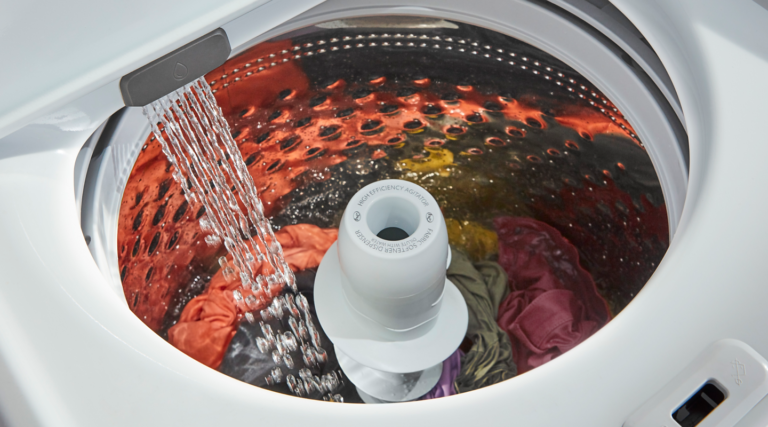
The impeller is a key part of many modern washing machines. It uses a low-profile disc that spins at the bottom of the wash tub. This spinning creates strong water flow. The water moves clothes gently against each other.
This design cleans clothes without the harsh twisting action of older agitators. The impeller’s gentle motion reduces wear on fabrics. It also uses less water and energy during the laundry cycle.
For a deeper understanding of this mechanic, analyzing resources on impeller vs agitator washing machines provides excellent foundational context.
Many top load impeller washing machines have grown in popularity due to their laundry efficiency and fabric care capabilities. Unlike agitators. This have a tall spindle, impellers work with the washing machine drum and motor to circulate water smoothly.
Impeller vs Agitator: Key Differences
Impellers and agitators both help move clothes and water but work differently. Agitators have a central post with fins. This post moves clothes back and forth to clean them.
Impellers are flat plates that spin and push water around the clothes. This creates a swirling action that cleans fabrics with less force. Because of this, impeller washing machines cause less damage to clothes.
The following table shows basic differences:
| Feature | Impeller | Agitator |
|---|---|---|
| Cleaning Action | Water flow and gentle rubbing | Strong twisting and rubbing |
| Fabric Care | Gentle on clothes | More wear on fabrics |
| Water Usage | Uses less water | Uses more water |
| Energy Consumption | Often lower | Often higher |
Choosing between impeller and agitator depends on your laundry needs. If fabric care and energy saving are priorities, impeller machines are an excellent choice.
For more on cleaning and maintenance, you can explore how to wash towels in washing machines the right way to protect fabric quality.
Washing Machine Impeller Design and Water Flow System
The design of a washing machine impeller is central to its function. It is usually a flat disc with angled fins or ridges. These fins push water sideways and upwards to move clothes inside the wash tub.
This design creates a strong water circulation system. Water flows evenly through clothes, helping detergent reach all fabric parts. It also washes dirt away more efficiently.
The motor powers the impeller’s rotation. The washing machine motor and impeller work closely to control spin speed and water movement. This coordination improves washing performance.
Innovations in washing technology have led to improved impeller shapes that reduce noise and vibration. These advances also improve washing machine durability and performance.
Impeller Washing Machine Advantages
Impeller washers offer several benefits over traditional agitator models. Their gentle wash action reduces wear and tear on clothes. This helps clothes last longer.
They also use less water, cutting down on waste. Energy consumption is often lower. This saves money on utility bills. Impeller washing machines tend to have quieter operation, improving user comfort.
Additionally, impellers allow for larger wash loads. Without a central agitator, there is more room for clothes. This improves laundry efficiency and convenience.
Washing Machine Impeller Noise Causes and Repair Tips
Sometimes, washing machine impellers can make noise. Common causes include trapped debris, worn bearings, or loose parts. Noise can also come from unbalanced loads during the laundry cycle.
Regular washing machine maintenance tips include cleaning the impeller area and checking for objects caught between the tub and impeller. If noise persists, it may require professional repair.
Proper cleaning and care extend the life of the impeller and maintain washing machine performance. For example, learning how to clean the washing machine drain hose without removing it can help maintain water flow and reduce strain on the impeller.

Improving Laundry Efficiency with Impeller Washers
Impeller washing machines improve laundry efficiency by using water flow to clean clothes thoroughly. Their design allows for better detergent mixing and fabric agitation with less mechanical force.
Spin speed control is also important. Higher spin speeds remove more water from clothes, cutting drying time. Modern impeller washers balance spin speed and gentle washing to protect fabrics.
These washers also fit well with eco-friendly washing practices. Reduced water and energy use lower environmental impact while still delivering strong cleaning results.
The Relationship Between Washing Machine Drum and Impeller
In impeller machines, the wash tub and impeller work as a team. The drum holds clothes while the impeller moves water and clothes inside the tub.
The drum design supports smooth rotation and water flow. It often includes holes for water drainage during spin cycles. The impeller’s washing action depends on the drum to keep clothes moving evenly.
Front load impeller washers combine tumbling and water flow for efficient washing. This blend enhances fabric care and cleaning power.
For insights on related parts, see our guide on washing machine drum basics to understand its role in the laundry cycle.
Washing Machine Impeller Maintenance and Cleaning Tips
Maintaining your washing machine impeller is key to long-term performance. Regular cleaning prevents buildup of detergent, fabric softener. And dirt.
Use gentle cleaning agents and avoid harsh chemicals. Check for small objects like coins or buttons that could block impeller movement. Routine maintenance reduces noise and keeps your washer running smoothly.
Always refer to your washing machine manual for care instructions. Proper maintenance also helps avoid costly repairs and extends the machine’s lifespan.
Conclusion: Why Impellers Matter in Modern Washing Machines
The washing machine impeller is a simple yet powerful part. It offers gentle washing action that protects fabrics and saves water and energy. Impeller washing machines provide many advantages in laundry efficiency and fabric care.
Understanding the washing machine water flow system and impeller design helps users appreciate this technology. Regular cleaning and maintenance keep the impeller working well and extend washing machine durability.
For those seeking a modern washer with better fabric care and energy savings, exploring top load impeller washing machines or front load impeller washers is wise. They represent a key innovation in washing technology in 2026 and beyond.
Remember, caring for your washing machine includes cleaning and maintenance of all parts. If you want to learn more about proper washer care, check our detailed article on cleaning GE top loader washers for practical tips applicable to many models.
Frequently Asked Questions
What is the function of a washing machine impeller?
The impeller creates a gentle water flow that moves clothes during the wash cycle, cleaning them with less wear than traditional agitators.
How does an impeller differ from an agitator in washing machines?
Impellers use low-profile discs to rotate water and clothes, while agitators have a central post that twists clothes more aggressively.
Are impeller washing machines better for fabric care?
Yes, impeller washers provide gentler washing action, reducing fabric damage and extending garment life.
Can I repair a noisy washing machine impeller myself?
Minor noise issues may be fixed by cleaning debris, but major repairs often require a professional technician.
Do front load washers use impellers?
Most front load washers rely on tumbling action with a drum, but some models integrate impeller designs for water flow.

Michael Peterson is a home appliance writer focused on practical washing machine care, maintenance, and troubleshooting. He shares simple, reliable tips to help readers keep their washing machines running efficiently, avoid common problems, and extend appliance life.