Introduction to GE Top Load Washer No Agitator
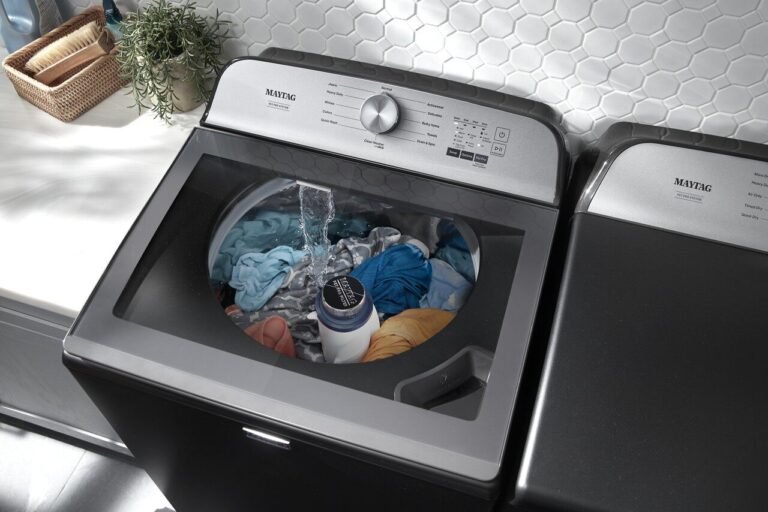
The GE top load washer with no agitator uses a modern design to clean clothes gently. Without the agitator, the tub spins and moves clothes to clean them well. This design needs special care for cleaning and maintenance. Keeping your washer clean stops bad smells and mold growth. For a deeper understanding of this mechanic, analyzing resources on GE top load washer tub cleaning provides excellent foundational context.
Regular cleaning keeps your washer fresh and working well. This article covers top load washer cleaning hacks, removing mold, and natural washing machine cleaning methods. Follow these steps to maintain your GE washer in 2026.
Cleaning the Washing Machine Tub
The tub is where clothes get washed. It can collect dirt, detergent buildup, and mold if not cleaned. For a no agitator washer, cleaning the tub is key to stopping odors and stains.
Start by running a hot water cycle. Add a cup of white vinegar to the tub. Vinegar helps break down soap scum and kills bacteria. After the cycle ends, sprinkle half a cup of baking soda inside the tub. Run the rinse cycle to clean out the residue.
For deeper cleaning, use a commercial washing machine cleaner. These cleaners remove hard buildup and sanitize the tub. GE washer cleaning recommendations suggest using these cleaners monthly for best results.
Cleaning the drum regularly helps your clothes stay fresh. Use a soft cleaning brush to scrub the inside tub walls gently. This keeps detergent buildup and mold from forming.
Removing Mold and Mildew from Washer
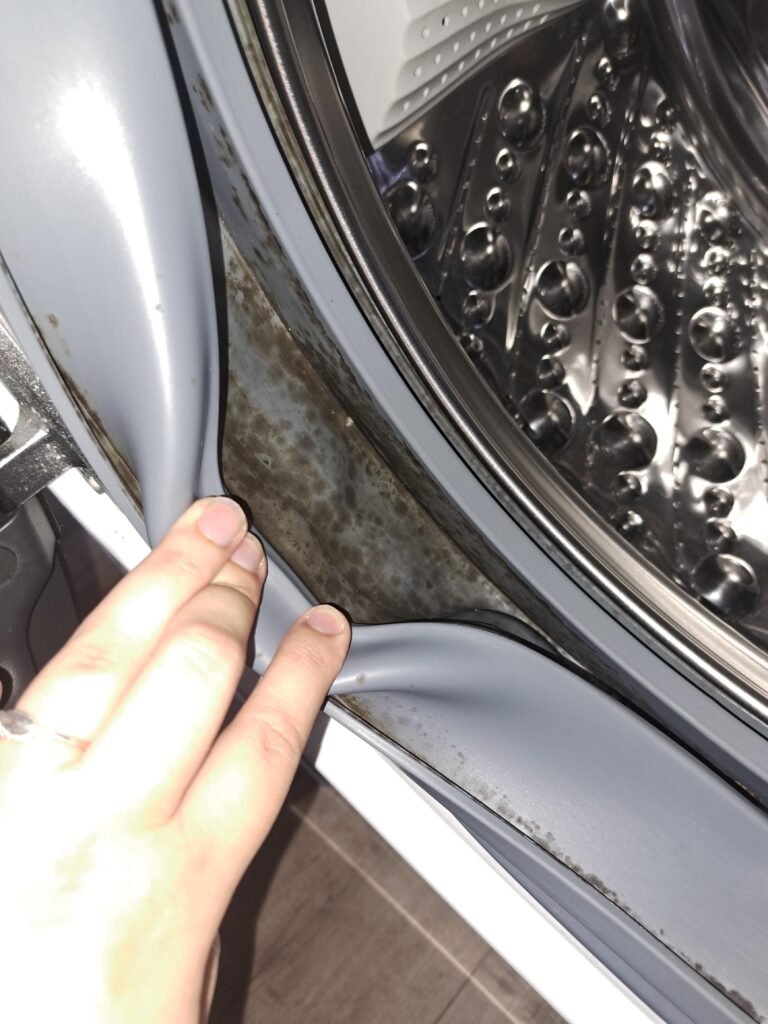
Mold and mildew grow in damp parts of the washer like the tub and gasket. This causes bad smells and can harm clothes.
To remove mold, mix equal parts white vinegar and water. Use a cloth to wipe the tub and gasket with this mix. Let it sit for 10 minutes, then scrub with a cleaning brush. Rinse with water to clear residues.
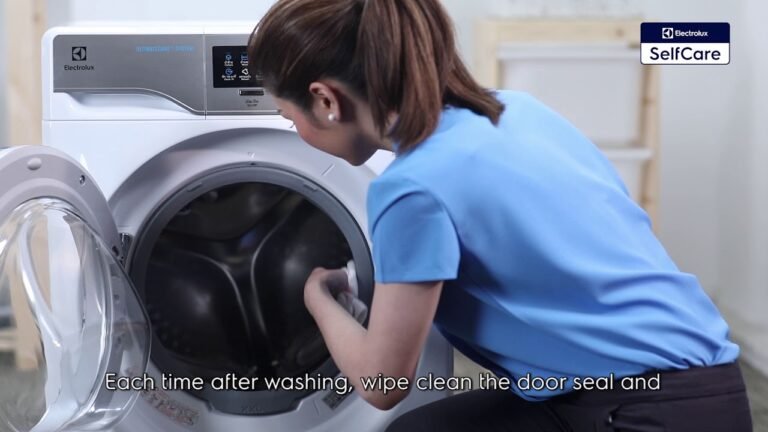
GE top load washers have a rubber gasket around the lid. Mold can hide here. Clean the gasket well to stop mold growth. Open the lid and wipe the gasket edges regularly.
Keeping the dispenser drawer clean also limits mold. Remove the drawer and soak it in warm water. Use a brush to clear detergent residue and mildew.
Cleaning Washing Machine Dispenser and Filters
The detergent dispenser and filters gather soap and dirt. Cleaning them stops clogs and buildup.
Remove the dispenser drawer carefully. Soak it in warm water with mild soap. Use a small brush to clean all corners. Rinse and dry it before putting it back.
Filters catch lint and debris. Check your washing machine manual for filter location. Remove the filter and rinse under running water. Use a brush if needed to remove trapped dirt.
Regular filter cleaning improves water flow and washer performance. It also helps avoid bad smells caused by trapped residue.

Best Washing Machine Cleaners and Natural Methods
Many washing machine cleaners are safe for HE washers and no agitator designs. Look for ones that sanitize and remove buildup well.
Natural washing machine cleaning methods use household items. White vinegar and baking soda are popular for cleaning, deodorizing, and descaling washers.
To descale your washer, add two cups of white vinegar to the tub. Run a hot water cycle without clothes. This removes hard water deposits inside the drum and pipes.
After descaling, run a rinse cycle with half a cup of baking soda. Baking soda freshens and helps remove leftover residues.
For more detailed instructions, see our guide on how to clean GE top loading washing machine.
Washing Machine Odor Removal and Sanitation
Odors come from mold, mildew, and detergent buildup. To fix this, use the washing machine sanitize function if your model has one. This cycle uses higher water temperatures to kill germs.
If your GE washer lacks a sanitize cycle, run a hot water wash with vinegar or a washing machine cleaner. Open the lid after a wash to let the tub dry. This stops mold growth and odors.
Adding the rinse cycle cleaning step removes leftover detergent and softener. This step is important for HE washers, which use low water levels.
Air out the dispenser and gasket after cleaning. Use a dry cloth to wipe moisture away.
Washing Machine Maintenance Schedule and Tips
Set a schedule for cleaning your GE top load washer. Follow this plan:
- ✅ Monthly: Clean the tub and run a sanitize or hot water cycle with vinegar.
- ✅ Every 2-3 months: Clean the dispenser and filters.
- ✅ Every 6 months: Descale the washer with vinegar.
- ✅ After each use: Leave the lid open to dry the tub.
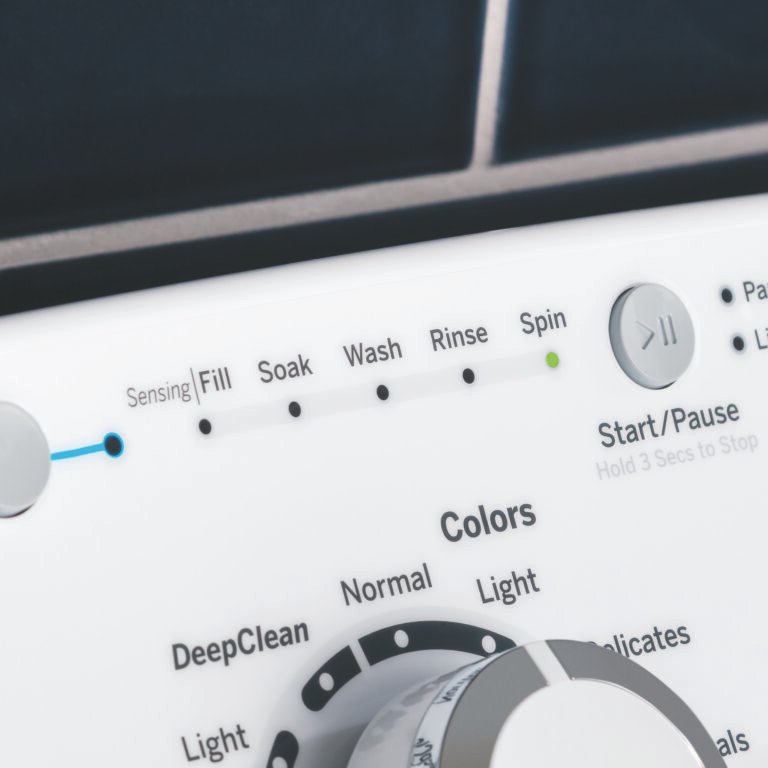
Regular cleaning keeps your washer fresh and working well. Using the GE top load washer automatic cycles like the tub clean or sanitize cycle helps this process.
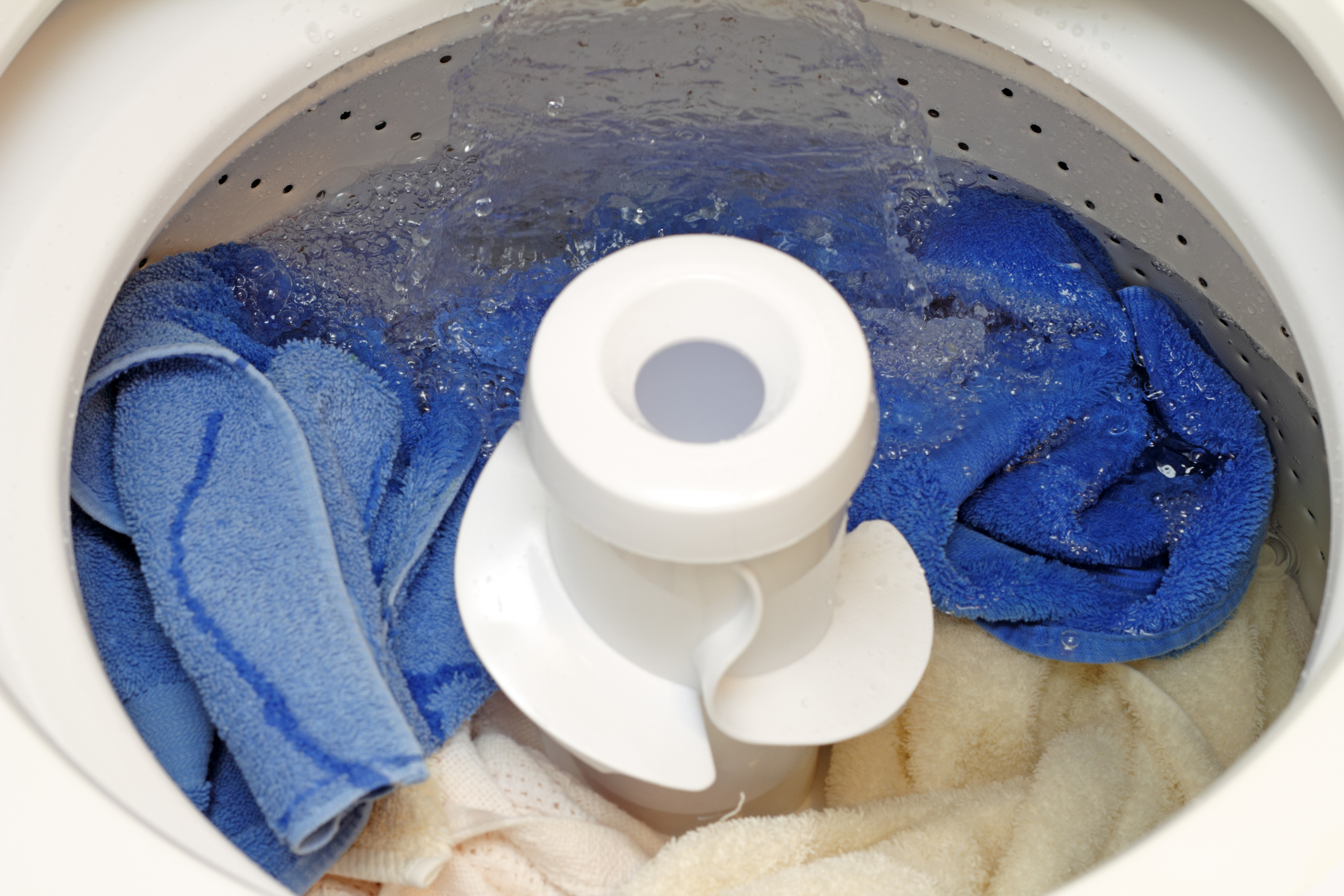
Keeping detergent use balanced avoids buildup. Use HE detergent made for no agitator washers. Too much soap causes residue and odors.
Conclusion
Cleaning your GE washing machine top loader with no agitator is key for good laundry results. Follow a regular maintenance schedule including tub cleaning, mold removal, and filter care. Use natural cleaning methods or trusted washing machine cleaners to keep your washer fresh and odor-free.
By combining expert tips and GE washer cleaning recommendations, you can extend the life of your machine. Clean, dry, and check parts often to avoid mold and buildup. This keeps your clothes clean and your washer running smoothly in 2026.
For more tips on maintaining your laundry appliances, explore our guide on cleaning detergent dispenser in washing machine and how to clean filter in top loader washing machine.
| Task | Frequency | Purpose |
|---|---|---|
| Tub Cleaning | Monthly | Remove buildup and odors |
| Dispenser Cleaning | Every 2-3 months | Prevent mold and residue |
| Filter Cleaning | Every 2-3 months | Maintain water flow |
| Descaling | Every 6 months | Remove hard water deposits |
| Leave Lid Open | After each use | Dry tub and prevent mold |
Following this schedule helps avoid common issues like washing machine odor and detergent buildup. It also improves your washer’s cleaning power.
Using the right cycle settings and cleaning agents is important for no agitator washers. The GE washer’s automatic cycles like sanitize and tub clean help maintain hygiene.
| Agent | Use | Notes |
|---|---|---|
| White Vinegar | Cleaning and descaling | Natural and safe |
| Baking Soda | Deodorizing and residue removal | Use after vinegar cycle |
| Commercial Washer Cleaner | Deep clean and sanitize | Use monthly |
| HE Detergent | Daily washing | Prevents excess suds |
Natural methods are effective and eco-friendly. For those who prefer commercial products, choose cleaners suited for HE washers to avoid damage.
Maintaining your GE top load washer with no agitator ensures fresh clothes and a longer appliance life. A clean washing machine makes laundry day easier and healthier for your family.
| Use hot water cycles to kill germs |
| Clean the gasket and dispenser regularly |
| Run a vinegar and baking soda rinse monthly |
| Open the lid after cycles to dry tub |
| Follow the washing machine maintenance schedule |
Remember, cleaning your GE top load washer no agitator is simple with the right steps. Stay consistent and your washer will reward you with clean clothes and no odors.
Explore more on washing machine care and maintenance to keep your home running smoothly in 2026 and beyond.
Frequently Asked Questions
How often should I clean a GE top load washer with no agitator?
It is best to clean your GE top load washer every one to three months to prevent mold, mildew, and detergent buildup.
Can I use natural cleaners to clean my GE top loader washer?
Yes, natural washing machine cleaning methods like vinegar and baking soda are effective and safe for your GE washer.
How do I remove mold from my washing machine tub?
Use a mixture of vinegar and baking soda or a commercial washing machine cleaner, running a sanitize cycle to remove mold and mildew.
What is the best cycle to clean a GE top load washer with no agitator?
Use the GE top load washer automatic cycles like the sanitize or tub clean cycle for best cleaning results.
How do I clean the washing machine dispenser and filters?
Remove the dispenser drawer and filters, soak in warm water, and scrub with a cleaning brush to remove detergent residue and buildup.

Michael Peterson is a home appliance writer focused on practical washing machine care, maintenance, and troubleshooting. He shares simple, reliable tips to help readers keep their washing machines running efficiently, avoid common problems, and extend appliance life.